Let’s be honest, chicken liver might not sound like the most appealing food, but for our feline friends, it’s a nutritional goldmine! Packed with essential vitamins and minerals, this often-overlooked organ meat can offer a surprising range of benefits for your cat’s health and well-being. We’ll dive deep into why chicken liver is so good for cats, how to safely prepare it, and what to watch out for, so you can make informed decisions about adding it to your kitty’s diet.
From boosting energy levels and supporting healthy vision to contributing to a shiny coat and strong muscles, chicken liver offers a concentrated dose of nutrients that can complement a balanced diet. But it’s not just about throwing a piece of liver into their bowl – proper preparation and understanding potential risks are key to ensuring your cat enjoys the benefits without any negative consequences.
We’ll cover all that and more!
Chicken Liver: A Nutritional Powerhouse for Your Feline Friend
Chicken liver is often overlooked, but it’s a surprisingly rich source of nutrients that can significantly benefit your cat’s health. While it might not be the most glamorous ingredient, understanding its nutritional profile and how to safely incorporate it into your cat’s diet can be a game-changer. This article will delve into everything you need to know about feeding chicken liver to your cat, from its impressive nutritional value to potential risks and delicious recipe ideas.Many cat owners are looking for ways to supplement their cat’s diet with whole foods, and chicken liver offers a compelling option.
However, it’s crucial to approach it with knowledge and caution to ensure your cat receives the benefits without any adverse effects. Let’s explore the details.
Nutritional Value of Chicken Liver for Cats
Chicken liver is a nutritional goldmine for felines. It’s packed with vitamins and minerals essential for their overall well-being, often exceeding the levels found in many commercial cat foods. Understanding these nutrients and their roles is key to appreciating the potential benefits.The liver is exceptionally high in Vitamin A, crucial for vision, immune function, and skin health. It also provides significant amounts of B vitamins, including B12 and folate, which are vital for energy production, nerve function, and red blood cell formation.
Iron, another key component, combats anemia and supports oxygen transport throughout the body. Copper, often deficient in commercial diets, is essential for collagen formation and enzyme function. Furthermore, it contains zinc, important for skin and coat health, and choline, which supports brain development and function.From a macronutrient perspective, chicken liver is primarily protein-rich, making up around 20-25% of its composition.
It contains a moderate amount of fat, roughly 5-8%, providing essential fatty acids. Carbohydrates are minimal, typically less than 1%, aligning with a cat’s natural carnivorous diet.Here’s a comparison of the nutritional profile of chicken liver versus commercially available cat food:
| Nutrient | Chicken Liver (per 100g) | Commercial Cat Food (per 100g) |
|---|---|---|
| Protein | 20-25g | 25-35g (varies widely) |
| Fat | 5-8g | 8-15g (varies widely) |
| Vitamin A | >10,000 IU | 2,000-5,000 IU (often supplemented) |
| Vitamin B12 | 50-70 mcg | 1-3 mcg (often supplemented) |
| Iron | 8-12mg | 2-5mg (often supplemented) |
| Copper | 5-7mg | 0.5-1mg (often deficient) |
The bioavailability of nutrients in chicken liver is generally considered to be high for cats. Their digestive systems are well-equipped to absorb and utilize these nutrients effectively. However, individual absorption rates can vary based on factors like age, health status, and the presence of other dietary components.
Benefits of Incorporating Chicken Liver into a Cat’s Diet
Adding chicken liver to your cat’s diet can offer a range of potential health benefits, particularly for cats with specific concerns. The high levels of Vitamin A contribute to a healthy, glossy coat and can alleviate skin issues like dryness and itching. The iron content is crucial for cats suffering from anemia, helping to restore healthy red blood cell production and combat fatigue.
B vitamins support a robust immune system, making cats more resilient to illness.Beyond addressing specific health concerns, chicken liver can boost a cat’s overall energy levels and vitality. The readily available nutrients fuel their daily activities and contribute to a more active and playful demeanor. The protein content is essential for muscle development and maintenance, ensuring cats retain strength and mobility throughout their lives.
Finally, the Vitamin A and other antioxidants in chicken liver play a vital role in maintaining healthy vision, protecting against age-related decline and supporting optimal eyesight.
Safe Preparation and Feeding Guidelines
Preparing chicken liver safely is paramount to avoid bacterial contamination and ensure your cat receives a nutritious and harmless meal. Begin by thoroughly rinsing the liver under cold water to remove any debris. Cooking is essential; boiling, baking, or steaming are all suitable methods. Avoid frying, as it adds unnecessary fat. Seasoning should be kept to a minimum – plain is best.
A tiny pinch of cat-safe herbs like parsley can be added, but avoid onions, garlic, and other toxic ingredients.Portion sizes should be tailored to your cat’s individual needs. A general guideline is to start with 1-2 teaspoons for kittens, 1-2 tablespoons for adult cats, and 2-3 tablespoons for larger or more active cats. Introduce chicken liver gradually to avoid digestive upset.Raw chicken liver carries a risk of bacterial contamination, such as Salmonella and E.
coli. To mitigate this risk, source your liver from a reputable supplier, freeze it for at least 3 days to kill parasites, and handle it with strict hygiene practices. Thorough cooking eliminates these risks.Here’s a flowchart illustrating the safe preparation and feeding process:
1. Purchase
Source chicken liver from a trusted butcher or supplier.
2. Freeze
Freeze for at least 3 days (optional, but recommended for raw feeding).
3. Thaw
Thaw completely in the refrigerator.
4. Rinse
Rinse thoroughly under cold water.
5. Cook
Boil, bake, or steam until fully cooked.
6. Cool
Allow to cool completely.
7. Portion
Measure appropriate portion size.
8. Serve
Mix with regular cat food or serve as a treat.
Potential Risks and Considerations
While chicken liver offers numerous benefits, it’s important to be aware of potential risks. Some cats may be allergic to chicken liver, exhibiting symptoms like vomiting, diarrhea, skin rashes, or excessive itching. Introduce it slowly and monitor for any adverse reactions.Excessive consumption of chicken liver can lead to Vitamin A toxicity. Vitamin A is fat-soluble, meaning it’s stored in the body and can accumulate to toxic levels.
Limit intake to the recommended portion sizes and avoid feeding chicken liver daily.Sourcing is crucial. Always purchase chicken liver from reputable suppliers who adhere to strict hygiene standards. This minimizes the risk of contamination with harmful bacteria or parasites.Compared to other organ meats:* Kidney: Higher in phosphorus, which can be problematic for cats with kidney disease.
Heart
Lower in Vitamin A and B vitamins compared to liver, but a good source of taurine.
Spleen
Very high in iron, potentially increasing the risk of iron overload.
Recipes and Serving Suggestions
Incorporating chicken liver into your cat’s diet doesn’t have to be complicated. Here are a few simple recipes:* Chicken Liver Pate: Blend cooked chicken liver with a small amount of water or unsalted broth until smooth.
Mixed with Wet Food
Mix 1-2 tablespoons of cooked chicken liver with your cat’s regular wet food.
Freeze-Dried Treats
Dehydrate cooked chicken liver into small, crunchy treats.For a raw food diet, ensure the liver is sourced from a reputable supplier and frozen for at least 3 days. Grinding the liver makes it easier for cats to digest.
| Recipe Name | Ingredients | Preparation Instructions | Estimated Nutritional Value |
|---|---|---|---|
| Chicken Liver Pate | 4oz Cooked Chicken Liver, 1 tbsp Water | Blend ingredients until smooth. Serve chilled. | High in Vitamin A, B12, Iron |
| Liver & Tuna Mix | 2 tbsp Cooked Chicken Liver, 1/4 can Tuna (in water) | Mix thoroughly. Serve at room temperature. | Good source of Protein, Omega-3s |
Alternatives to Chicken Liver
Source: cats.com
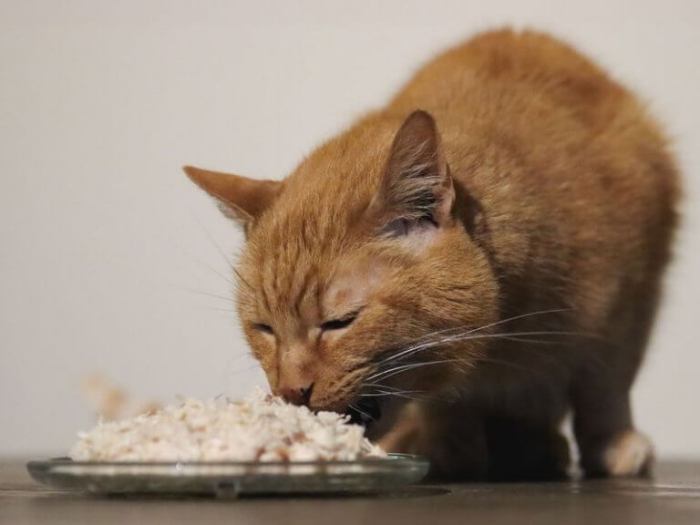
If your cat doesn’t tolerate chicken liver well, or you’re looking for variety, other organ meats and supplements can provide similar nutritional benefits. Beef liver, while slightly different in nutrient composition, is a viable alternative. Fish liver oils, like cod liver oil, are rich in Omega-3 fatty acids and Vitamin A. Commercial supplements containing B vitamins, iron, and zinc can also help fill any nutritional gaps.Chicken liver is generally more cost-effective than many supplements, but the price can vary depending on the source and quality.
“Before making any significant changes to your cat’s diet, it’s always best to consult with a veterinarian. They can assess your cat’s individual needs and provide personalized recommendations.”
Sourcing and Storage
Butcher shops and farmers’ markets often offer fresh chicken liver, while online retailers provide convenient access. Look for liver that is bright red in color and free from any off-putting odors.Fresh chicken liver should be refrigerated and used within 1-2 days. Frozen liver can be stored for up to 3 months. Proper storage is essential to prevent spoilage and bacterial growth.
Discard any liver that has a foul odor, slimy texture, or discoloration.Sourcing chicken liver from local, sustainable farms can minimize the environmental impact. Look for farms that prioritize ethical animal welfare practices and environmentally friendly farming methods.
Addressing Common Concerns
The misconception that chicken liver is only suitable for older cats is unfounded. Cats of all ages can benefit from its nutritional properties, provided it’s introduced gradually and fed in moderation.To introduce chicken liver to picky eaters, start by mixing a tiny amount with their favorite wet food. Gradually increase the proportion of liver over time.Transitioning to a diet containing chicken liver should be done slowly to avoid digestive upset.
Start with small portions and monitor your cat’s stool for any changes.The strong smell of chicken liver can be off-putting to some cat owners. Cooking it thoroughly and adding a small amount of cat-safe herbs can help minimize the odor.
Outcome Summary
So, there you have it – a comprehensive look at chicken liver for cats! We’ve explored the incredible nutritional value, the potential health benefits, and the crucial safety considerations. While it’s not a replacement for a complete and balanced cat food, incorporating chicken liver thoughtfully can be a fantastic way to supplement your cat’s diet and support their overall health.
Remember to always consult with your veterinarian before making significant changes to your cat’s food, and enjoy the peace of mind knowing you’re providing your furry friend with a nutrient-rich treat!
Ultimately, understanding the nuances of feeding chicken liver allows you to make informed choices that prioritize your cat’s well-being. With the right knowledge and precautions, this humble organ meat can become a valuable addition to your cat’s nutritional journey.
Popular Questions
Can I feed my cat chicken liver every day?
No, daily feeding isn’t recommended due to the risk of vitamin A toxicity. A few times a week is generally considered safe, but always consult your vet.
Is frozen chicken liver safer than fresh?
Freezing can help kill some parasites, but it doesn’t eliminate all risks. Proper cooking is still essential, regardless of whether you use fresh or frozen.
My cat refuses to eat chicken liver. What can I do?
Try mixing it with their favorite wet food, pureeing it into a pate, or offering it as a freeze-dried treat. Start with very small amounts and gradually increase if they tolerate it well.
Can I give my cat cooked chicken liver with bones?
Absolutely not! Cooked bones are brittle and can splinter, posing a serious choking hazard and potentially causing internal damage. Always remove bones before feeding.
How much chicken liver should I feed my kitten?
Kittens need smaller portions than adult cats. Start with just a teaspoon or two mixed with their regular food and monitor their digestion.
What if my cat has diarrhea after eating chicken liver?
Stop feeding chicken liver immediately and consult your veterinarian. Diarrhea could indicate an intolerance or other underlying issue.
Where’s the best place to buy chicken liver for my cat?
Butcher shops and farmers’ markets often offer higher-quality, fresher options than supermarkets. Ensure the liver is sourced from healthy animals.