Understanding the Cost of a Balinese Cat A Complete Guide

So, you’re thinking about welcoming a beautiful, silky Balinese cat into your life? Wonderful choice! These elegant felines are known for their affectionate personalities and stunning looks. But before you fall completely head over heels, it’s smart to get a realistic picture of what owning a Balinese cat will actually cost. It’s more than just the initial purchase price; there’s ongoing care, food, vet visits, and more to consider.
Let’s break down all the expenses involved, from kittenhood to their golden years, so you can be fully prepared for the joy (and financial commitment!) of Balinese ownership.
This guide will walk you through every aspect of the cost, from the initial adoption or purchase to those unexpected vet bills that can pop up. We’ll look at everything from food and litter to toys and potential health concerns, giving you a comprehensive overview to help you budget effectively and ensure your Balinese has a happy, healthy, and comfortable life.
The True Cost of a Balinese Cat: A Comprehensive Guide
Bringing a Balinese cat into your life is a wonderful decision! They’re known for their intelligence, affectionate nature, and stunning looks. However, like any pet, owning a Balinese comes with significant financial responsibilities. This guide breaks down all the costs involved, from the initial purchase to ongoing care, so you can be fully prepared for the commitment. We’ll cover everything from food and vet bills to toys and unexpected emergencies, giving you a realistic picture of what it takes to provide a happy and healthy life for your Balinese companion.
Initial Purchase Price – Breeder vs. Rescue
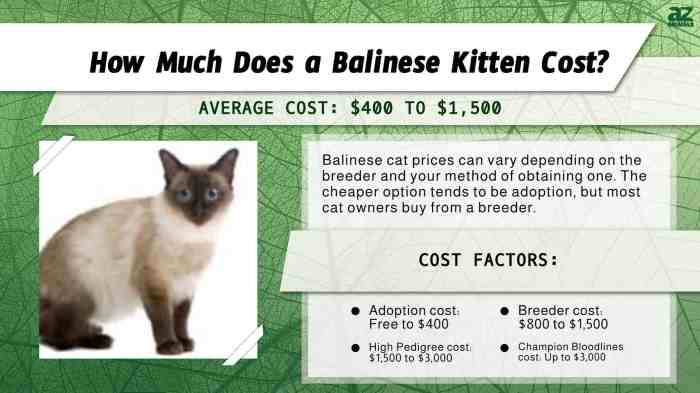
The first major expense is acquiring your Balinese. The route you choose – breeder or rescue – significantly impacts the initial cost and comes with different considerations. A Balinese from a reputable breeder will generally command a higher price due to the breeder’s investment in health testing, pedigree documentation, and quality care. Factors like the cat’s pedigree (how many champions are in its lineage), color (rarer colors often cost more), and the breeder’s reputation all play a role.
Expect to pay anywhere from $1,500 to $3,000, and sometimes even higher for show-quality cats. Breeders often require deposits and have waiting lists, so planning ahead is essential.Adopting a Balinese from a rescue organization or shelter is a more affordable option and a truly rewarding experience. Adoption fees typically range from $100 to $300, which usually includes initial vaccinations, spaying/neutering, and sometimes a microchip.
However, be prepared for potential initial vet expenses. Rescues often have limited information about a cat’s history, so a checkup and any necessary treatments (like dental work or parasite prevention) are crucial. Adopting offers a second chance to a deserving cat and can be a financially responsible choice.Choosing between a breeder and a rescue is a personal decision.
Breeders offer predictability in terms of lineage and temperament, but come with a higher price tag. Rescues offer a chance to save a life and often have lower upfront costs, but may require more patience and understanding as the cat adjusts to its new home.
| Breeder Cost | Rescue Cost | Considerations |
|---|---|---|
| $1,500 – $3,000+ | $100 – $300 | Pedigree, health testing, breeder reputation vs. saving a life, potential unknown health history. |
Veterinary Care – Routine and Potential Health Concerns
Source: a-z-animals.com
Regular veterinary care is a non-negotiable expense for any pet owner, and Balinese cats are no exception. The average annual cost of routine care – including vaccinations, deworming, and annual checkups – typically falls between $200 and $500. This covers preventative measures to keep your cat healthy and detect any potential issues early on.Balinese cats, like all breeds, are predisposed to certain health concerns.
Hypertrophic cardiomyopathy (HCM), a heart condition, is a significant concern. Early diagnosis through screening (echocardiograms) can help manage the condition and improve the cat’s quality of life. Other potential issues include progressive retinal atrophy (PRA), a degenerative eye disease, and polycystic kidney disease (PKD). The cost of diagnosing and treating these conditions can vary widely, ranging from a few hundred dollars for initial testing to several thousand for ongoing treatment or surgery.Here are some preventative measures you can take to minimize future veterinary expenses:
- Regular Vet Checkups: Annual checkups are crucial for early detection of health problems.
- High-Quality Diet: Proper nutrition supports overall health and can reduce the risk of certain diseases.
- Dental Care: Regular teeth cleaning can prevent dental disease, which can lead to more serious health issues.
- Weight Management: Maintaining a healthy weight reduces the risk of obesity-related health problems.
- Indoor Lifestyle: Keeping your cat indoors minimizes exposure to infectious diseases and injuries.
| Procedure | Frequency | Estimated Cost | Notes |
|---|---|---|---|
| Annual Checkup | Annually | $100 – $200 | Includes physical exam and basic bloodwork. |
| Vaccinations | Annually/Every 3 Years | $75 – $150 | Core vaccines (FVRCP) and rabies. |
| Fecal Exam/Deworming | Annually | $50 – $100 | To check for and treat intestinal parasites. |
| HCM Screening (Echocardiogram) | Every 1-2 Years (Recommended) | $200 – $400 | Early detection is key for managing this condition. |
Nutrition – Food Costs and Dietary Considerations
Feeding a Balinese cat a nutritious diet is essential for their health and well-being. The monthly cost of food can vary significantly depending on the type you choose. Dry food is generally the most affordable option, costing around $30-$60 per month for a high-quality brand. Wet food is more palatable and provides additional hydration, but is more expensive, typically costing $50-$100+ per month.
Raw food diets, while potentially beneficial, require careful planning and preparation and can cost $80-$150+ per month.Balinese cats are active and intelligent, requiring a diet rich in protein and essential nutrients. Look for food brands that list meat as the primary ingredient and avoid those with excessive fillers like corn and wheat. Consult with your veterinarian to determine the best diet for your cat’s individual needs.Preparing homemade cat food can potentially save money, but it’s crucial to do so safely and ensure it’s nutritionally complete.
Working with a veterinary nutritionist is highly recommended to avoid deficiencies.
| Food Type | Estimated Monthly Cost | Pros & Cons |
|---|---|---|
| Dry Food | $30 – $60 | Affordable, convenient, good for dental health. Can be lower in moisture. |
| Wet Food | $50 – $100+ | Palatable, hydrating, often higher in protein. More expensive, shorter shelf life. |
| Raw Food | $80 – $150+ | Potentially highly nutritious, can improve digestion. Requires careful preparation and handling, risk of bacterial contamination. |
Litter and Litter Box Expenses
Litter is a recurring expense for any cat owner. The average monthly cost of litter for a Balinese cat can range from $20 to $50, depending on the type you choose. Clay litter is the most common and affordable option, but it can be dusty and doesn’t control odor as well as other types. Clumping litter is more effective at odor control and easier to scoop, but is generally more expensive.
Crystal litter is highly absorbent and controls odor well, but can be costly. Natural litters (e.g., wood, paper) are eco-friendly and often dust-free, but may not be as effective at odor control.Maintaining good litter box hygiene is essential for your cat’s health and happiness. Regular scooping (at least once daily) and complete litter changes (every 2-4 weeks) are necessary. This also involves the cost of cleaning supplies.Different litter box designs can impact litter usage and overall cost.
Self-cleaning litter boxes can reduce the frequency of scooping, but are a significant upfront investment. Covered litter boxes can help contain odors and litter scatter, but may not be suitable for all cats.
- Clay Litter: Affordable, readily available. Dusty, poor odor control.
- Clumping Litter: Good odor control, easy to scoop. More expensive than clay.
- Crystal Litter: Excellent odor control, highly absorbent. Costly.
- Natural Litter: Eco-friendly, often dust-free. May not control odor as well.
| Litter Type | Monthly Cost | Pros | Cons |
|---|---|---|---|
| Clay | $15 – $25 | Affordable, widely available | Dusty, poor odor control |
| Clumping | $20 – $35 | Good odor control, easy to scoop | More expensive than clay |
| Crystal | $30 – $50 | Excellent odor control, highly absorbent | Costly |
| Natural | $25 – $40 | Eco-friendly, often dust-free | May not control odor as well |
Grooming and Supplies
Balinese cats are known for their minimal shedding, which is a significant advantage. However, they still require occasional brushing to remove loose hair and prevent mats. Grooming requirements are relatively low compared to other long-haired breeds.Essential grooming supplies include a soft-bristled brush, a metal comb, and nail clippers. These items typically cost between $20 and $50. Professional grooming services are generally not necessary for Balinese cats unless they have severe mats or other skin issues.
| Item | Estimated Cost | Frequency of Use |
|---|---|---|
| Soft-Bristled Brush | $10 – $20 | 1-2 times per week |
| Metal Comb | $5 – $15 | 1-2 times per week |
| Nail Clippers | $5 – $15 | Every 2-3 weeks |
Toys and Enrichment
Balinese cats are intelligent and active, requiring plenty of toys and enrichment to prevent boredom and behavioral issues. The cost of toys can vary widely, from inexpensive catnip mice to interactive puzzle toys. Expect to spend at least $20-$50 per month on toys and enrichment.Stimulating toys and activities include:
- Puzzle Toys: Challenge your cat’s problem-solving skills.
- Feather Wands: Encourage active play and hunting instincts.
- Laser Pointers: Provide exercise and mental stimulation (use with caution).
- Cat Trees: Offer climbing opportunities and a safe place to perch.
- Window Perches: Allow your cat to observe the outside world.
DIY toy creation can significantly reduce costs. Simple toys like sock balls or cardboard boxes can provide hours of entertainment.
| Toy Type | Estimated Cost | Benefits |
|---|---|---|
| Puzzle Toy | $10 – $30 | Mental stimulation, problem-solving skills |
| Feather Wand | $5 – $15 | Active play, hunting instincts |
| Catnip Mouse | $2 – $5 | Playful interaction, relaxation |
Initial Setup Costs – Beyond the Cat
Beyond the cost of the cat itself, you’ll need to set up a comfortable and safe environment. This includes a comfortable bed ($20-$50), a sturdy scratching post ($30-$100), and a secure carrier ($20-$40).Home safety measures are also essential. Securing windows and removing toxic plants can prevent accidents and illnesses. These measures typically cost around $50-$100.Pet insurance is an optional but worthwhile investment.
It can help cover unexpected veterinary expenses and provide peace of mind. Premiums typically range from $20 to $50 per month.
| Item | Estimated Cost | Importance |
|---|---|---|
| Cat Bed | $20 – $50 | Comfort, security |
| Scratching Post | $30 – $100 | Prevents furniture scratching, exercise |
| Carrier | $20 – $40 | Safe transportation |
Unexpected Expenses – Emergency Fund
Unexpected veterinary bills or other unforeseen expenses are an inevitable part of pet ownership. Having an emergency fund is crucial to cover these costs without incurring debt.Potential emergency situations include:
- Illness: Sudden illness can require expensive diagnostic tests and treatments.
- Injury: Accidents can result in broken bones, lacerations, or other injuries.
- Toxicity: Ingestion of toxic substances can require emergency veterinary care.
These situations can easily cost hundreds or even thousands of dollars.Strategies for building and maintaining a pet emergency fund:
- Set a Savings Goal: Aim for at least $1,000 to $2,000.
- Automate Savings: Set up automatic transfers from your checking account to a dedicated savings account.
- Cut Expenses: Identify areas where you can reduce spending and allocate those savings to your pet emergency fund.
Pet insurance can help with some unexpected costs, but it doesn’t cover everything. An emergency fund provides a safety net for situations not covered by insurance and ensures you can provide the best possible care for your Balinese cat, regardless of the cost.
Geographic Variations in Cost
The cost of owning a Balinese cat can vary significantly depending on your geographic location. Veterinary rates, food prices, and other expenses tend to be higher in urban areas compared to rural areas. The cost of living in general impacts pet-related expenses.
| Region | Average Vet Visit Cost | Average Food Cost |
|---|---|---|
| Urban (e.g., New York City) | $80 – $150 | $60 – $120 |
| Suburban (e.g., Midwest) | $60 – $100 | $40 – $80 |
| Rural (e.g., South) | $50 – $90 | $30 – $70 |
Long-Term Financial Commitment
Owning a Balinese cat is a long-term financial commitment. Considering all potential expenses over its lifespan (typically 12-15 years), you can expect to spend anywhere from $20,000 to $50,000 or more. This includes initial costs, ongoing care, and potential emergency expenses.Strategies for budgeting and managing pet-related expenses:
- Create a Budget: Track your pet-related expenses and identify areas where you can save.
- Shop Around: Compare prices for food, litter, and other supplies.
- Preventative Care: Investing in preventative care can help avoid costly health problems down the road.
[Flowchart illustrating the different stages of a Balinese cat’s life (kittenhood, adulthood, senior years) and associated costs (food, vet care, toys, etc.) would be placed here.]
Final Thoughts
As we’ve seen, owning a Balinese cat is a significant financial commitment, but one that’s often richly rewarded with years of companionship and affection. While the initial costs can seem daunting, careful planning and budgeting can make it manageable. Remember to factor in those unexpected expenses and consider pet insurance as a safety net. By understanding the full scope of costs involved, you can ensure you’re providing the best possible care for your Balinese and enjoying a long and fulfilling relationship with your furry friend.
Ultimately, the cost of a Balinese cat is an investment in a loving companion. With a little preparation and a realistic budget, you can provide a wonderful life for your new feline family member.
Questions Often Asked
Do Balinese cats require professional grooming?
Not typically! Their single coat is low-maintenance and sheds minimally. Occasional brushing is enough to keep their fur looking its best.
What’s the best type of litter for a Balinese cat?
Many owners find clumping clay litter to be effective and affordable. However, some Balinese cats are sensitive, so you might need to experiment to find what works best for your cat.
Are Balinese cats prone to any specific behavioral problems?
Balinese cats are generally well-behaved, but they can become bored easily. Providing plenty of toys and interactive playtime is crucial to prevent behavioral issues.
How much should I budget for pet insurance?
Pet insurance premiums vary widely depending on coverage and location, but expect to pay anywhere from $20 to $60+ per month.
Can I save money by making my own cat toys?
Absolutely! DIY cat toys are a great way to save money and provide your cat with enrichment. Simple options include cardboard boxes, crumpled paper, and fabric scraps.
What are some signs that my Balinese cat needs to see a vet?
Changes in appetite, lethargy, vomiting, diarrhea, or any signs of discomfort should prompt a vet visit.
