There’s something undeniably charming about a cat with a coat that defies the norm – a soft, swirling cloud of curls. This isn’t just a quirky aesthetic; it’s a fascinating blend of genetics, history, and unique care requirements. We’re diving deep into the world of curly fur cats, exploring the different breeds, the science behind their distinctive coats, and everything you need to know to keep these adorable felines happy and healthy.
From the playful Devon Rex to the fluffy Selkirk Rex, prepare to be captivated by these wonderfully unique companions.
The curly fur phenomenon in cats isn’t a recent development. It’s the result of specific genetic mutations that have popped up sporadically throughout feline history, leading to the creation of several distinct breeds. Understanding these genetic roots is key to appreciating the nuances of each breed’s appearance, temperament, and potential health concerns. We’ll unravel the mysteries of these genes and explore how breeders have carefully cultivated these traits over generations.
The Wonderful World of Curly-Furred Cats
Having a cat is a joy, but imagine the delight of sharing your home with a feline friend sporting a uniquely charming, curly coat! Curly-furred cats aren’t just adorable; they represent a fascinating intersection of genetics and feline beauty. This article dives deep into the world of these captivating creatures, exploring their origins, care, health, and the unique personalities that often accompany their distinctive fur.
We’ll cover everything from the science behind the curls to practical tips for keeping your curly companion happy and healthy.The curl in a cat’s fur isn’t just a random occurrence; it’s the result of specific genetic mutations that have been passed down through generations. Understanding these genetic factors is key to appreciating the diversity within the curly-furred cat world.
Defining Curly Fur in Cats
The appearance of curly fur in cats is a genetic anomaly, a delightful deviation from the standard short or long hair we typically associate with felines. It’s not a single gene, but rather a complex interplay of genetic factors that influence hair follicle shape and growth.
Detail the genetic factors contributing to curly fur in felines.
The primary genetic mutation responsible for curly fur is a recessive gene. This means a cat needs to inherit two copies of the gene – one from each parent – to exhibit the curly fur trait. Different types of curly fur arise from variations within this gene or from interactions with other genes. For example, the Selkirk Rex mutation affects the hair shaft’s structure, causing it to curl.
The Devon Rex mutation impacts the hair follicle itself, resulting in a looser, wavier curl. The Cornish Rex mutation is a distinct mutation that creates a very fine, rippled coat.
Explain the difference between various types of curly fur (e.g., Selkirk Rex, Devon Rex, Cornish Rex).
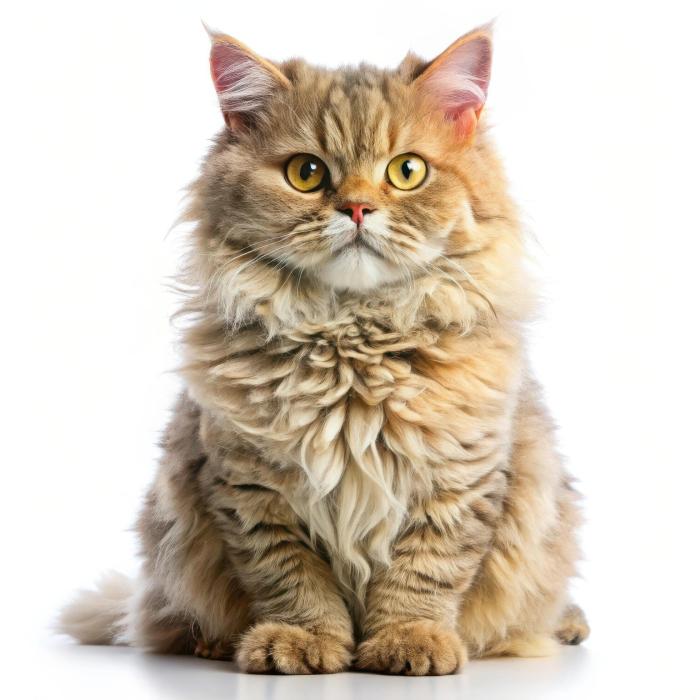
While all exhibit curls, the degree and texture differ significantly. The Selkirk Rex boasts a plush, loose curl, often described as resembling a sheep’s wool. Devon Rex cats have a wavy, almost marcel-wave-like coat, with some areas being completely devoid of fur, particularly on the face and ears. Cornish Rex cats have the tightest, most rippled curl, with a very fine and silky texture.
Provide a comprehensive description of the texture and appearance of each curly fur type.
* Selkirk Rex: Thick, plush, and loosely curled. The curls are often more pronounced on the ruff (neck area) and tail. The fur feels soft and dense.
Devon Rex
Wavy, loose, and often sparse. The fur is downy and feels almost like velvet. They often have a “scratched” appearance due to the waves.
Cornish Rex
Very fine, tight, and rippled. The fur is silky and feels almost like cashmere. They lack an undercoat, making their coat very light.
Discuss how curly fur develops during a kitten’s growth.
The curl doesn’t appear immediately at birth. Kittens often have straighter fur initially, which begins to curl as they mature, typically around 3-6 months of age. The full extent of the curl may not be apparent until they are closer to a year old. The development is influenced by factors like nutrition and overall health.
Breeds Known for Curly Fur
Source: vecteezy.com
Several breeds are renowned for their curly fur, each with its own unique history and characteristics. Understanding these differences is crucial for choosing the right curly-furred companion for your lifestyle.
| Breed Name | Origin | Fur Type | Temperament |
|---|---|---|---|
| Selkirk Rex | Montana, USA | Loose, plush curls | Affectionate, playful, relaxed |
| Devon Rex | Cornwall, England | Wavy, loose, sparse | Active, mischievous, intelligent |
| Cornish Rex | Cornwall, England | Tight, rippled, silky | Energetic, affectionate, social |
| American Curl | California, USA | Short, wavy (with curled ears) | Gentle, playful, adaptable |
Elaborate on the historical background of each breed, focusing on the discovery of the initial curly-furred cat.
* Selkirk Rex: Discovered in 1987 by Jeri Newman in Montana, USA, from a litter of domestic longhaired cats. The first curly-furred kitten was named Miss DePesto.
Devon Rex
First appeared in 1950 in Cornwall, England, from a litter of farm cats. A kitten named Prudence displayed the unique curly fur.
Cornish Rex
First discovered in 1950 in Cornwall, England, by Bertram Millard. The kitten, Kallibunker, had a strikingly different coat than any seen before.
American Curl
Discovered in 1981 in California, USA, by Joe and Barbara DeFina. A stray cat named Shulamith gave birth to kittens with distinctive curled ears, which eventually led to the development of the breed.
Compare and contrast the physical characteristics of each breed beyond just the fur.
Beyond their fur, these breeds differ in body type and facial features. Selkirk Rex cats are generally larger and more robust than Devon or Cornish Rexes. Devon Rexes are known for their large ears and elfin faces. Cornish Rexes have a slender, almost rabbit-like body. American Curls, while having curly fur, are primarily known for their distinctive ear curl.
Share anecdotes or stories about the early breeders of these curly-furred cat breeds.
Jeri Newman, the discoverer of the Selkirk Rex, initially didn’t realize the significance of the curly fur. She almost didn’t keep the kitten, Miss DePesto, but something about her charm convinced her to. Bertram Millard, the Cornish Rex pioneer, was a dedicated breeder who meticulously documented his breeding program, ensuring the preservation of the unique curly fur trait.
Grooming and Care for Curly-Furred Cats
Caring for a curly-furred cat requires a slightly different approach than caring for a cat with standard fur. The unique texture demands specific grooming techniques to maintain its health and appearance.
Design a step-by-step guide for grooming a Selkirk Rex, including brushing techniques and frequency.
1. Brushing
Brush gently 2-3 times a week with a wide-toothed comb or a soft-bristled brush. Avoid harsh brushing, which can damage the curls.
2. Bathing
Bathe only when necessary (every 2-3 months), using a cat-specific shampoo.
3. Drying
Towel dry thoroughly, then use a low-heat hairdryer to prevent matting.
4. Detangling
If tangles occur, gently work them out with your fingers or a detangling spray.
Discuss the specific challenges of grooming a Devon Rex due to their fine, downy fur.
The Devon Rex’s fine fur is prone to tangling and matting, especially around the neck and armpits. Their lack of an undercoat means they don’t have the natural protection against debris that other cats do. Frequent, gentle handling is key.
Detail the best shampoos and conditioners for maintaining the health and curl of Cornish Rex fur.
For Cornish Rexes, a moisturizing shampoo and conditioner are essential to combat dryness and maintain the silkiness of their fur. Look for products containing ingredients like aloe vera or shea butter. Avoid harsh chemicals and sulfates.
Explain how to prevent matting and tangles in curly-furred cats.
Regular brushing, gentle handling, and a healthy diet are crucial for preventing matting. Pay close attention to areas prone to tangling, such as behind the ears and under the legs.
Provide tips on how to trim a Selkirk Rex’s fur to enhance its curl.
A light trim around the edges of the fur can help accentuate the curls. Use blunt-nosed scissors and be very careful not to cut too short. It’s best to consult a professional groomer for more complex trims.
Conclusive Thoughts
From their captivating appearances to their often-endearing personalities, curly fur cats offer a truly special experience for cat lovers. Whether you’re considering welcoming one of these unique breeds into your home or simply curious about the science and history behind their curls, we hope this exploration has deepened your appreciation for these extraordinary felines. Remember, responsible breeding and attentive care are essential to ensuring a long, happy, and healthy life for these wonderfully distinctive companions.
Ultimately, owning a curly-furred cat is about embracing the unusual and celebrating the beauty of genetic diversity. Their playful nature and affectionate personalities make them wonderful additions to any family, and their unique coats are a constant source of delight and conversation.
FAQ Section
Do curly-furred cats shed less than other cats?
While they often shed less than some breeds, it varies. Devon Rex cats, for example, have a single layer of downy fur and shed minimally. Selkirk Rex cats, with their longer, denser coats, may shed a bit more, but still generally less than a standard long-haired cat.
Are curly-furred cats hypoallergenic?
No, unfortunately, no cat breed is truly hypoallergenic. However, some people with mild allergies may find that they react less to curly-furred cats due to their unique coat structure, which may trap dander differently. It’s always best to spend time with a cat before committing to ownership if allergies are a concern.
What’s the best diet for a curly-furred cat?
A high-quality diet rich in protein and essential fatty acids is crucial for maintaining a healthy coat. Look for cat food specifically formulated for skin and coat health, and consider adding a fish oil supplement to boost omega-3 fatty acids.
How often should I bathe my curly-furred cat?
Bathing frequency depends on the breed and lifestyle. Cornish Rex cats often benefit from weekly baths to maintain their curl, while Devon Rex cats may only need bathing every few months. Always use a cat-specific shampoo and conditioner.
Can curly-furred cats get sunburned?
Yes, their thinner coats offer less protection from the sun. Limit their exposure to direct sunlight, especially during peak hours, and consider using a cat-safe sunscreen if they spend a lot of time outdoors.
Are curly-furred cats more prone to certain health problems?
Some breeds are predisposed to specific issues. Devon Rex cats can be prone to hypertrophic cardiomyopathy (HCM), while Selkirk Rex cats may be susceptible to polycystic kidney disease (PKD). Regular veterinary checkups are essential for early detection and management.

