Depo Shot for Cats A Guide to Reproductive Management

Ever wondered about managing your cat’s reproductive cycle without surgery? The Depo Shot, or medroxyprogesterone acetate, has been a tool in feline reproductive management for years, offering a non-surgical alternative. This guide dives deep into everything you need to know about Depo Shot for cats, from how it works to potential side effects and alternatives, helping you make informed decisions for your feline friend’s health and well-being.
We’ll explore the natural feline estrous cycle, the science behind how Depo Shot impacts it, and the practical aspects of administration. Understanding the benefits, risks, and long-term considerations is crucial, and we’ll cover all of that, plus discuss how it compares to traditional spaying. Whether you’re a shelter worker, a rescue volunteer, or a pet owner, this information will empower you to navigate the complexities of feline reproductive health.
Depo Shot for Cats: A Comprehensive Guide for Owners and Veterinarians
Depo Shot, also known as medroxyprogesterone acetate, is a widely used injectable medication for feline reproductive management. It offers a convenient and often effective alternative to surgical sterilization, particularly in shelter and rescue settings. This guide aims to provide a thorough understanding of Depo Shot, covering everything from its mechanism of action to potential side effects and long-term considerations. We’ll explore the science behind it, practical administration techniques, and what you need to know to make informed decisions about your cat’s health.
1. Introduction to Depo Shot for Cats
Depo Shot is an injectable form of medroxyprogesterone acetate, a synthetic progestin hormone. It’s administered via a subcutaneous injection and primarily used to suppress ovulation and prevent pregnancy in female cats. Historically, Depo Shot gained popularity in the 1970s and 80s as a non-surgical alternative to spaying, especially in situations where anesthesia was a concern or surgical facilities were limited.
While surgical sterilization remains the gold standard, Depo Shot continues to be a valuable tool for population control and managing behavioral issues. It’s important to note that Depo Shot is
not* a permanent solution and requires repeated injections.
Here’s a quick summary:
| Common Name | Generic Name | Primary Use |
|---|---|---|
| Depo Shot | Medroxyprogesterone Acetate | Suppression of ovulation and prevention of pregnancy in female cats |
Reproductive Physiology in Female Cats – A Foundation
Understanding the natural estrous cycle in cats is crucial for appreciating how Depo Shot works. Unlike dogs, cats are seasonally polyestrous, meaning they cycle repeatedly during breeding season (typically spring and summer). The cycle consists of four phases: proestrus, estrus (heat), diestrus, and anestrus.* Proestrus: This phase lasts approximately 2-3 days and is characterized by the beginning of follicular development in the ovaries.
The cat may show increased activity and restlessness.
Estrus (Heat)
This is the period when the cat is receptive to mating, typically lasting 4-7 days. She’ll exhibit behaviors like vocalizing (yowling), rubbing against objects, and assuming a mating posture.
Diestrus
This phase, lasting around 50-60 days (even if pregnancy doesn’t occur), mimics the physiological changes of pregnancy. The corpus lutea (the structure that develops from the follicle after ovulation) produces progesterone.
Anestrus
This is a period of reproductive inactivity, lasting approximately 4-6 months.Hormonal fluctuations drive these phases. Rising estrogen levels trigger proestrus and estrus. Ovulation occurs around the end of proestrus. After ovulation, the corpus lutea produces progesterone, which dominates the diestrus phase. As progesterone levels decline, the cycle returns to anestrus.
During heat, a cat experiences significant physiological changes, including swelling of the vulva, increased vaginal discharge, and heightened sensitivity to male cats.Here’s a flowchart illustrating the feline estrous cycle:[Imagine a flowchart here. It would visually represent the cycle, starting with Anestrus, progressing through Proestrus, Estrus, Diestrus, and then looping back to Anestrus. Arrows would indicate the progression, and key hormonal events (e.g., rising estrogen, rising progesterone, declining progesterone) would be labeled at each stage.]
How Depo Shot Works – Mechanism of Action
Medroxyprogesterone acetate, the active ingredient in Depo Shot, is a synthetic progestin that mimics the effects of progesterone. It primarily works by suppressing ovulation, effectively preventing pregnancy. The drug acts on the hypothalamus and pituitary gland, disrupting the normal hormonal signals that trigger ovulation. Specifically, it inhibits the release of luteinizing hormone (LH), which is essential for the final maturation of the follicle and the release of the egg.Depo Shot also impacts the uterus and ovaries.
It causes thickening of the uterine lining (endometrium), which can make it difficult for a fertilized egg to implant even if ovulation were to occur. It can also suppress the development of new follicles in the ovaries.Here’s a simplified step-by-step explanation of the drug’s journey:
1. Injection
Depo Shot is administered via subcutaneous injection.
2. Absorption
The drug is rapidly absorbed into the bloodstream.
3. Distribution
It distributes throughout the body, reaching the hypothalamus, pituitary gland, uterus, and ovaries.
4. Hormonal Suppression
It inhibits LH release from the pituitary, preventing follicle maturation and ovulation.
5. Uterine Changes
It thickens the uterine lining, hindering implantation.
6. Ongoing Effect
The effects persist until the hormone is metabolized and eliminated from the body, requiring repeat injections to maintain suppression.
Administration Procedures & Dosage
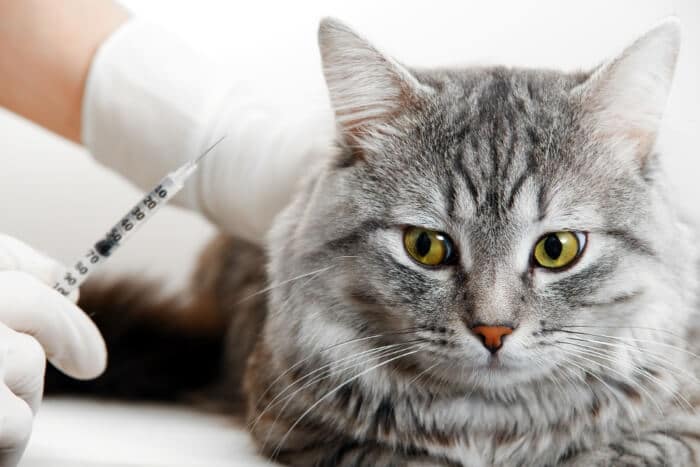
Proper administration of Depo Shot is crucial for its effectiveness and to minimize potential side effects. The injection should always be performed by a trained professional (veterinarian or veterinary technician). It’s administered via subcutaneous injection, typically in the lateral (side) aspect of the neck or between the shoulder blades.Dosage guidelines are based on the cat’s weight. Accurate measurement of the dose is essential.Here’s a table outlining recommended dosages:
| Cat Weight Range (lbs) | Recommended Dosage (IU) |
|---|---|
| 5-8 lbs | 10 IU |
| 9-12 lbs | 15 IU |
| 13-16 lbs | 20 IU |
| 17+ lbs | 25 IU |
Injection Procedure:
1. Preparation
Gather your supplies: Depo Shot vial, syringe, needle (typically 25-27 gauge, 1/2 – 5/8 inch), alcohol swabs.
2. Aseptic Technique
Clean the injection site with an alcohol swab and allow it to dry.
3. Injection
Gently lift the skin at the injection site and insert the needle at a 45-degree angle. Slowly inject the Depo Shot.
4. Aftercare
Remove the needle and apply gentle pressure to the injection site. Observe the cat for any immediate adverse reactions.
Benefits of Depo Shot for Cats
Depo Shot offers several advantages, particularly in specific situations. In shelters and rescues, it’s a valuable tool for population control, helping to manage the number of cats and prevent unwanted litters. For pet owners who don’t wish to breed their cats, Depo Shot provides a non-surgical alternative to spaying. Furthermore, it can effectively manage behavioral issues associated with heat cycles, such as excessive vocalization (yowling), restlessness, and attempts to escape.
Cats in heat can become quite distressed, and Depo Shot can significantly improve their quality of life. It’s a suitable option for cats who are poor anesthetic candidates or for owners who prefer a less invasive approach to reproductive management.
Potential Side Effects & Risks
While generally considered safe, Depo Shot can cause side effects. Common side effects are usually mild and temporary. More serious adverse reactions are less frequent but require prompt veterinary attention.Potential side effects include:* Mild: Vaginal discharge, weight gain, changes in appetite, mild behavioral changes (e.g., irritability).
Moderate
Alopecia (hair loss), mammary gland enlargement, aggression.
Severe
Pyometra (uterine infection – a life-threatening condition), severe behavioral changes, anaphylactic reaction (rare).Pyometra is a significant concern. It occurs when the uterus becomes infected, often due to hormonal changes. Signs of pyometra include lethargy, loss of appetite, vomiting, fever, and vaginal discharge. Immediate veterinary intervention is crucial.
Contraindications & Precations
Source: cats.com
Depo Shot is not appropriate for all cats. Contraindications include:* Pregnancy or suspicion of pregnancy.
- History of mammary tumors.
- Known sensitivity to progestins.
- Severe liver or kidney disease.
A thorough veterinary examination is essential before administering Depo Shot. This should include a physical exam, blood work (to assess organ function), and a discussion of the cat’s medical history. Precautions include careful dosage calculation, proper injection technique, and close monitoring for any adverse reactions.
Long-Term Effects & Considerations
Repeated Depo Shot injections can have long-term effects. Some cats may experience mammary gland changes, such as enlargement or the development of cysts. Hormonal imbalances are also possible, although less common. The impact on overall health and well-being can vary depending on the individual cat. The effects of Depo Shot arenot* fully reversible.
While fertility may eventually return after discontinuing injections, it can take several months or even years.
Alternatives to Depo Shot for Reproductive Management
Surgical sterilization (ovariohysterectomy – spaying) remains the most common and generally recommended method of permanent reproductive management in female cats.Here’s a comparison:
| Method | Pros | Cons | Reversibility |
|---|---|---|---|
| Depo Shot | Non-surgical, relatively inexpensive, can manage behavioral issues | Not permanent, requires repeated injections, potential side effects, does not eliminate risk of mammary cancer | Potentially reversible (but may take time) |
| Surgical Sterilization | Permanent, eliminates risk of mammary cancer, eliminates heat cycles | Surgical procedure with associated risks, more expensive initially | Irreversible |
Other hormonal treatments are less commonly used and generally not recommended due to potential side effects and lack of long-term data.
Client Communication & Counseling
Effective communication with clients is paramount when discussing Depo Shot. Veterinarians should clearly explain the drug’s purpose, benefits, risks, and limitations. Informed consent is essential. Address client concerns openly and honestly. Explain that Depo Shot is not a permanent solution and requires repeated injections.
Emphasize the importance of monitoring for any adverse reactions.Here’s a sample handout for clients:[Imagine a handout here. It would include key information about Depo Shot, including: What it is, how it works, benefits, potential side effects, dosage schedule, follow-up care instructions, and contact information for the veterinary clinic.]
Depo Shot and Specific Feline Conditions
Depo Shot can be used to manage feline pseudopregnancy (false pregnancy), characterized by symptoms similar to a normal pregnancy in the absence of fertilization. It can also be helpful in treating certain behavioral problems related to heat cycles, such as aggression or excessive roaming. Interactions with other medications are generally minimal, but it’s always important to inform the veterinarian of all medications the cat is taking.
When using Depo Shot in cats with pre-existing medical conditions, careful consideration should be given to potential interactions and the cat’s overall health status. A thorough veterinary examination and monitoring are essential. Cats with liver or kidney disease may require dose adjustments or may not be suitable candidates for Depo Shot.
Last Word
Ultimately, deciding whether or not to use Depo Shot for your cat is a personal one, best made in consultation with your veterinarian. We’ve covered a lot of ground, from the intricacies of the estrous cycle to the potential long-term effects and alternatives. Remember to weigh the pros and cons carefully, considering your cat’s individual health and lifestyle. By understanding the science and the options, you can contribute to a happier, healthier life for your beloved feline companion.
This exploration of Depo Shot for cats provides a comprehensive overview, equipping you with the knowledge to engage in informed discussions with your vet and make the best choices for your cat’s reproductive health and overall well-being. It’s a powerful tool when used responsibly and with a full understanding of its implications.
FAQs
How long does a Depo Shot last?
A Depo Shot typically provides contraception for about 3-6 months, though this can vary between cats.
Can Depo Shot be used in older cats?
Depo Shot can be used in older cats, but a thorough veterinary examination is essential to rule out any underlying health conditions that could be exacerbated by the medication.
Is Depo Shot a permanent solution?
No, Depo Shot is not a permanent solution. Its effects are reversible, and repeat injections are needed to maintain contraception.
What if my cat experiences pyometra after a Depo Shot?
Pyometra is a serious uterine infection. Immediate veterinary attention is crucial, often requiring emergency surgery.
Can Depo Shot affect my cat’s personality?
While Depo Shot primarily affects reproductive hormones, some cats may experience subtle behavioral changes. Report any significant changes to your veterinarian.
Is Depo Shot safe for cats with mammary tumors?
Depo Shot is generally
-not* recommended for cats with mammary tumors, as it can potentially stimulate tumor growth. Discuss this thoroughly with your vet.
What is the best injection site for Depo Shot?
The subcutaneous tissue, typically along the back or side of the neck, is the recommended injection site. Your veterinarian will demonstrate the proper technique.
