Let’s face it, the battle between cats and dogs over the litter box is a common household drama. Dogs are naturally drawn to the intriguing smells and textures of cat litter, often leading to frustrating messes and potential health risks for both pets. From sneaky sniffers to full-blown diggers, understanding why dogs are so fascinated and finding effective solutions is key to a peaceful multi-pet home.
This guide will explore everything from simple deterrents to elaborate enclosures, helping you create a safe and sanitary space for your feline friend while keeping your canine companion at bay.

We’ll dive deep into different types of dog-proof litter box solutions, weighing the pros and cons of each, and offering practical advice on training and behavioral strategies. We’ll also consider the type of litter you use and how placement can impact both odor control and your dog’s interest. Ultimately, the goal is to find a system that works for
-your* unique pets and home environment.
Dog-Proofing Your Cat Litter Box: A Guide for Multi-Pet Homes
Living with both a cat and a dog can be a joy, but it also presents unique challenges. One of the most common? Keeping your dog out of the cat’s litter box. It’s a frustrating situation for everyone involved – the cat loses a safe space, the dog gets into trouble, and you’re left cleaning up messes and worrying about potential health risks.
This guide will walk you through understanding the problem, exploring various solutions, and implementing strategies to create a peaceful coexistence for your furry friends.
We’ll dive deep into different types of dog-proof litter boxes, from simple covered options to elaborate enclosed cabinets, and discuss the pros and cons of each. Beyond the hardware, we’ll also cover training techniques and behavioral strategies to discourage your dog’s interest in the litter box and create a safe, comfortable environment for your cat.
1. Understanding the Problem
Dogs and Cat Litter
The allure of a cat litter box to a dog isn’t always obvious to us, but there are several compelling reasons why they’re drawn to it. It’s a combination of scent, texture, and sometimes, a perceived opportunity for play. Understanding these motivations is the first step in finding a solution.
Why Dogs Are Attracted to Cat Litter Boxes
- The Smell: Cat urine and feces have a strong odor that can be incredibly appealing to a dog’s sensitive nose. They may be investigating the scent, marking their territory, or simply enjoying the smell.
- The Texture: Some dogs find the texture of litter intriguing. They might enjoy digging in it, chewing on it, or simply exploring the unfamiliar material. This is especially true for puppies and younger dogs.
- Perceived as a Toy: For some dogs, the litter box itself, or the litter within it, can be seen as a toy. They might bat at it, chew on it, or try to bury their own toys in it.
Potential Health Risks
Allowing a dog to access a cat litter box isn’t just messy; it can also pose health risks for both animals. It’s crucial to be aware of these potential dangers and take steps to prevent them.
- Parasites: Cat feces can contain parasites like worms and Giardia, which can be transmitted to dogs.
- Ingestion of Litter: Dogs may ingest litter, which can cause digestive upset, intestinal blockages, or even toxicity depending on the type of litter used. Clay litters, in particular, can expand in the stomach and cause serious problems.
- Disease Transmission: While less common, there’s a potential for the transmission of diseases between cats and dogs through shared litter.
The Frustration and Mess
Beyond the health concerns, a dog raiding the litter box is simply frustrating and messy. You’re left with scattered litter, unpleasant odors, and the constant need to clean up after your dog. It can also disrupt your cat’s routine and make them feel unsafe.
Dog Breeds Prone to Litter Box Investigation
While any dog might be tempted by a litter box, some breeds are known for their particularly persistent investigative tendencies. These breeds often have strong noses, high energy levels, or a playful nature that makes them more likely to explore the litter box.
- Beagles: Their exceptional sense of smell makes them highly motivated to investigate any interesting scents.
- Labrador Retrievers: Known for their playful and curious nature, they might see the litter box as a source of entertainment.
- Golden Retrievers: Similar to Labs, they’re often eager to explore and may be drawn to the litter box’s scent.
- Terriers (Jack Russell, Fox Terrier): These energetic breeds are known for their digging instincts and may be tempted to dig in the litter.
- Hounds (Basset Hound, Bloodhound): Their powerful noses make them highly sensitive to scents, increasing the likelihood of investigation.
2. Types of Dog-Proof Litter Box Solutions
There’s a wide range of dog-proof litter box solutions available, each with its own advantages and disadvantages. Choosing the right one depends on your dog’s size and persistence, your cat’s preferences, your budget, and the available space in your home. Here’s a breakdown of the most common options.
Comparing Dog-Proof Litter Box Solutions
| Type | Cost | Ease of Use (for Cat) | Dog-Proofing Effectiveness (1-5) | Space Requirements | Cat Acceptance Rate (1-5) |
|---|---|---|---|---|---|
| Covered Litter Box | $20 – $50 | 4 | 2 | Moderate | 4 |
| Top-Entry Litter Box | $40 – $100 | 3 | 4 | Moderate | 3 |
| Enclosed Cabinet | $80 – $250+ | 4 | 5 | Large | 5 |
| Automatic Litter Box | $150 – $500+ | 3 | 3 | Moderate | 2 |
Note: Ratings are subjective and based on general observations. Individual results may vary.
Covered Litter Boxes: Ventilation and Odor Control
Covered litter boxes offer a basic level of dog-proofing, but ventilation and odor control are key concerns. While the cover prevents the dog from directly accessing the litter, it can trap odors inside. Look for covered boxes with vents or filters to improve airflow and reduce smells. Some models even have charcoal filters to absorb odors.
Pros: Relatively inexpensive, easy to find, provides some privacy for the cat.
Cons: Limited dog-proofing, potential for odor buildup, can feel enclosed for some cats.
Top-Entry Litter Boxes: A Clever Deterrent
Top-entry litter boxes require the cat to jump or climb into the box from the top, making it difficult for most dogs to access. These boxes typically feature a hooded top with a raised entrance.
Dimensions: Typically 18-24 inches wide, 18-24 inches deep, and 14-18 inches high (excluding the hood).
Materials: Usually made from durable plastic, often with a textured surface for cat grip.
Enclosed Litter Box Cabinets: The Ultimate Dog-Proofing Solution
Enclosed litter box cabinets completely conceal the litter box within a cabinet-like structure. These offer the highest level of dog-proofing and can also be aesthetically pleasing, blending in with your home decor.
DIY Dog-Proof Litter Box Enclosures
Building your own dog-proof litter box enclosure can be a cost-effective option. Consider using materials like plywood, PVC pipe, or sturdy plastic bins. Ensure the enclosure is tall enough to prevent your dog from reaching over and wide enough to allow your cat to comfortably enter and exit. Secure latches or locks are essential to keep the dog out.
3. Top-Entry Litter Box Deep Dive
Top-entry litter boxes are a popular choice for dog-proofing, but understanding how they work and how to train your cat to use them is crucial for success. Let’s take a closer look.
How a Top-Entry Litter Box Works
From the cat’s perspective, using a top-entry litter box involves a simple sequence: the cat approaches the raised entrance, jumps or climbs into the box, uses the litter, and then exits the same way. The height of the entrance acts as a natural barrier, preventing most dogs from reaching inside.
Ideal Size and Ramp Design
The ideal size of a top-entry litter box depends on the size of your cat. It should be large enough for the cat to comfortably turn around and dig. For larger cats or those with mobility issues, consider adding a ramp or step to make it easier to enter and exit. The ramp should be gently sloped and have a non-slip surface.
Training Your Cat to Use a Top-Entry Litter Box
Introducing a top-entry litter box requires patience and positive reinforcement. Start by placing the new box near the old one. Encourage your cat to explore the new box by placing treats or catnip inside. If your cat hesitates, try placing some of their used litter in the new box to familiarize them with the scent. If they refuse to use it, try temporarily removing the old box to encourage them to use the new one.
Suitable Materials for a Ramp
When constructing a ramp, prioritize durability and cat grip. Suitable materials include:
- Wood: Provides a sturdy base, but needs to be sealed to prevent moisture damage.
- Rubber Matting: Offers excellent grip and is easy to clean.
- Carpet: Provides good traction, but can be more difficult to clean.
Visual Description of a Top-Entry Litter Box
Imagine a rectangular box, approximately 20 inches wide, 16 inches deep, and 14 inches high. The top is covered by a hooded lid with a circular entrance, about 8 inches in diameter, positioned several inches above the litter surface. The entrance is angled slightly inward to provide stability and prevent litter from spilling out. The structure is made from smooth, durable plastic, ensuring easy cleaning and a comfortable experience for your cat.
4. Enclosed Cabinet Solutions
Enclosed litter box cabinets offer a stylish and effective way to dog-proof your cat’s litter box while also concealing it from view. However, proper ventilation and odor control are essential for maintaining a pleasant environment.
Comparing Enclosure Materials
| Material | Durability | Aesthetics | Ease of Cleaning |
|---|---|---|---|
| Plastic | Moderate | Basic | Excellent |
| Wood | Good | High | Moderate (requires sealing) |
| Metal | Excellent | Modern | Good |
The Importance of Ventilation
Enclosed cabinets can trap odors if not properly ventilated. Ensure the cabinet has vents or openings to allow for airflow. Some cabinets feature built-in fans to actively circulate air.
Litter Box Filters
Adding a filter to a litter box cabinet can significantly reduce odor. Activated carbon filters are particularly effective at absorbing odors. Replace filters regularly, typically every 1-3 months, depending on usage.
An Ideal Litter Box Cabinet Design
An ideal litter box cabinet would be approximately 24 inches wide, 18 inches deep, and 24 inches high. It should feature multiple vents on the sides and back for ventilation, a removable top for easy cleaning, and a secure door with a latch to keep dogs out. A built-in filter compartment would further enhance odor control.
Camouflaging a Litter Box Cabinet
To seamlessly blend a litter box cabinet into your home decor, consider these options: Choose a cabinet that matches your existing furniture, paint the cabinet to match your walls, or use decorative panels or wallpaper to disguise it.
5. Training and Behavioral Strategies
While a dog-proof litter box is essential, training and behavioral strategies can further minimize the risk of unwanted interactions. Positive reinforcement and consistent boundaries are key.
Discouraging a Dog from Approaching
Use positive reinforcement to reward your dog for staying away from the litter box area. When you see your dog ignoring the litter box, praise them and offer a treat. This reinforces the desired behavior.
Deterrents for Dogs
Safe and effective deterrents include:
- Sound: A motion-activated can of compressed air can startle the dog and discourage them from approaching.
- Scent: Citrus scents, such as lemon or orange peels, are often disliked by dogs.
Providing Engaging Activities
Boredom can often lead to unwanted behaviors. Provide your dog with plenty of toys, chew bones, and opportunities for exercise to keep them entertained and reduce their urge to investigate the litter box.
Creating a “Safe Zone” for the Cat
Designate a specific area in your home as a “safe zone” for your cat, away from the dog. This could be a room, a corner of a room, or even a cat tree. Ensure the cat has access to food, water, and a comfortable place to rest in this zone.
Consistent Boundaries and Supervision
Establish clear boundaries and consistently enforce them. Supervise your dog and cat interactions, especially when the litter box is in use. Redirect your dog’s attention if they show interest in the litter box.
6. Litter Type Considerations
The type of litter you use can also influence your dog’s attraction to the litter box. Certain litters have stronger scents or textures that may be more appealing to dogs.
Comparing Cat Litter Types
- Clay: Affordable but can be dusty and track easily. Dogs may be attracted to the earthy scent.
- Clumping: Forms solid clumps for easy scooping. Some dogs may be tempted to chew on the clumps.
- Crystal: Excellent odor control but can be expensive. The texture may be intriguing to some dogs.
- Wood: Natural and biodegradable. The wood scent may be less appealing to dogs than clay.
- Paper: Soft and dust-free. Generally less attractive to dogs due to its bland scent.
The Scent Factor
Scented litters are generally more appealing to dogs than unscented ones. Consider using unscented litter to minimize the attraction.
Safer Litters for Accidental Ingestion
If your dog accidentally ingests litter, some types are considered safer than others. Paper and wood litters are generally less harmful than clay or crystal litters.
Litter Box Placement and Odor Control
Proper litter box placement can influence odor control and dog attraction. Place the litter box in a well-ventilated area away from high-traffic zones to minimize odors and deter dogs.
7. Placement and Environmental Factors
Strategic placement of the litter box and consideration of environmental factors can significantly impact both cat and dog behavior.
Ideal Litter Box Location
The ideal location for a cat litter box is a quiet, private area where the cat feels safe and secure. It should be easily accessible to the cat but away from high-traffic areas and potential disturbances.
Strategic Placement for Dog-Proofing
When dog-proofing, consider placing the litter box in a location that is difficult for the dog to access, such as a corner of a room or behind a piece of furniture. Ensure the cat can still easily reach the box.
Impact of Noise and Activity
Ambient noise and activity levels can affect both cat litter box usage and dog behavior. A noisy or busy environment can stress the cat and make them less likely to use the litter box. Similarly, a dog that is constantly being stimulated may be less likely to focus on the litter box.
Using Furniture and Room Dividers
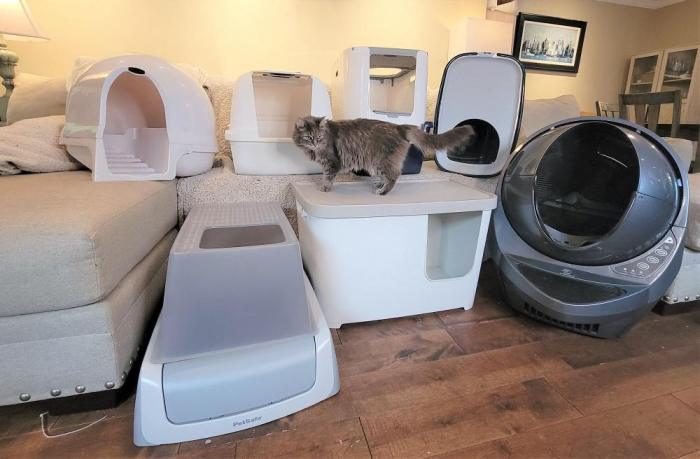
Source: cats.com
Utilize furniture or room dividers to create a physical barrier between the cat litter box and the dog’s usual areas. This can help prevent the dog from accessing the litter box while still providing the cat with privacy.
A Suitable Environment
A suitable environment for a cat litter box is quiet, well-ventilated, and has adequate lighting. Avoid placing the litter box in direct sunlight or near drafts. A comfortable temperature is also important for encouraging the cat to use the box.
8. Addressing Specific Dog Behaviors
Dealing with specific dog behaviors related to the litter box requires targeted strategies and patience.
Dealing with Digging
If your dog digs in the litter box, provide them with a designated digging area in the yard or a sandbox filled with toys. Redirect their digging behavior to this area and reward them for using it.
Addressing Litter Eating
If your dog eats cat litter, consult with a veterinarian immediately. Litter ingestion can be harmful, and veterinary intervention may be necessary. Remove the litter box when you are not supervising your dog.
Managing Sniffing and Pawing
If your dog simply enjoys sniffing or pawing at the litter box, use deterrents to discourage this behavior. A motion-activated spray can or a loud noise can startle the dog and discourage them from approaching.
Identifying the Underlying Cause
A dog’s litter box obsession may stem from boredom, anxiety, or scent marking. Address the underlying cause by providing more exercise, mental stimulation, and reducing stress in the dog’s environment.
Consulting a Professional
For persistent issues, consult with a professional dog trainer or behaviorist. They can assess your dog’s behavior and develop a customized training plan to address the problem.
Concluding Remarks
Navigating the world of dog-proof cat litter boxes can feel overwhelming, but with a little planning and effort, you can create a harmonious living space for both your cat and dog. Whether you opt for a simple covered box, a sophisticated top-entry design, or a custom-built enclosure, remember that consistency in training and a focus on your dog’s enrichment are crucial for long-term success.
By understanding the underlying motivations behind your dog’s behavior and providing them with alternative outlets for their energy, you can minimize litter box intrusions and ensure a happy, healthy, and stress-free home for everyone.
Don’t hesitate to experiment with different approaches and consult with a professional trainer or veterinarian if you’re facing persistent challenges. A little patience and persistence will go a long way in achieving a peaceful coexistence between your furry companions!
FAQ Summary
Why are dogs so attracted to cat litter?
It’s usually a combination of factors: the strong smell, the interesting texture, and sometimes, they simply see it as a fun place to dig or chew!
Can I use a regular covered litter box to deter my dog?
While a covered box can offer some protection, many dogs are clever enough to figure out how to get inside. It’s often not enough for persistent pups.
What’s the best type of litter to use if my dog is prone to eating it?
Paper-based litters are generally considered safer if ingested, but always consult with your vet.
How can I train my cat to use a top-entry litter box?
Start by placing the box near their old one, and use treats and encouragement to lure them up the ramp. Be patient – it may take time!
Are DIY litter box enclosures safe?
Yes, but ensure the materials are non-toxic and the structure is sturdy and well-ventilated to prevent overheating or odor buildup.
What are some safe deterrents I can use to keep my dog away?
Motion-activated sprays with compressed air or citrus-scented deterrents (that are safe for pets) can be effective.

