Keeping Kitty Safe Your Guide to a Dog Proof Litter Box

Let’s be honest, a curious dog and a cat’s litter box can be a recipe for disaster. We’ve all seen the videos – the digging, the scattering, the outright destruction! It’s frustrating for us, stressful for our cats, and potentially even a health hazard. This guide is all about tackling that problem head-on, exploring everything from simple enclosure ideas to understanding
-why* your dog is so interested in the first place.
We’ll cover materials, placement, training, and even some advanced DIY solutions to create a sanctuary for your feline friend, even with a four-legged intruder around.
The good news is, you don’t have to choose between a happy cat and a well-behaved dog. With a little planning and effort, you can create a system that keeps your cat comfortable and your dog out. We’ll break down the different types of dog-proof litter boxes, discuss the importance of material selection, and offer practical tips for modifying existing boxes or building your own.
Plus, we’ll delve into the underlying reasons for your dog’s behavior, so you can address the root cause and prevent future litter box raids.
Keeping Your Litter Box Safe from Your Dog: A Guide for Cat Owners
Let’s be honest, having a dog and a cat in the same house can be a delightful chaos. But one recurring challenge? Protecting your cat’s litter box from your dog’s curiosity (or, let’s face it, destruction). It’s a common problem, and it can be frustrating for both you and your pets. This guide will walk you through understanding the issue, exploring solutions, and ultimately creating a peaceful coexistence where your cat can do their business in peace and your dog stays out.
We’ll cover everything from understanding
-why* your dog is interested in the litter box in the first place, to practical solutions ranging from simple enclosure tweaks to more elaborate DIY projects. We’ll also address cat comfort and accessibility, because a dog-proof litter box shouldn’t be a cat-unfriendly one. Ready to reclaim your sanity?
Understanding the Problem: Destructive Dogs & Litter Boxes
Dogs and litter boxes – it’s a recipe for potential disaster. The reasons behind a dog’s fascination with a litter box are varied, and understanding them is the first step to solving the problem. It’s not always about malice; often, it’s a combination of instinct, boredom, and scent.
- Digging: Many dogs, especially terriers and breeds with strong digging instincts, see a litter box as a prime digging opportunity.
- Scattering Litter: A playful dog might simply enjoy scattering the litter around, turning your bathroom into a sandy mess.
- Chewing: Plastic litter boxes, particularly those with flimsy components, are tempting chew toys for dogs, especially puppies.
- Tipping: Larger dogs can easily tip over lightweight litter boxes, creating a spill and further encouraging exploration.
Certain breeds are known for their higher levels of curiosity and destructiveness. Labrador Retrievers, known for their playful nature and tendency to chew, are often culprits. Similarly, Beagles, with their strong sense of smell and persistent personalities, can be drawn to the litter box’s scent. Even intelligent breeds like Border Collies, if under-stimulated, might resort to destructive behaviors like litter box raiding.
The size and strength of your dog will also significantly impact how secure your litter box needs to be.
Psychologically, a dog’s behavior towards a litter box can stem from several factors. Boredom is a major one – a dog with pent-up energy might see the litter box as an interesting object to interact with. Anxiety can also play a role; a stressed dog might engage in destructive behaviors as a coping mechanism. Scent marking is another possibility – dogs use scent to communicate, and the litter box, with its concentrated cat scent, can be a target.
Finally, it could simply be play – a dog might see the litter box as a fun toy to bat around or chew on.
| Material | Durability Rating (1-5) | Pros | Cons |
|---|---|---|---|
| Plastic (Standard) | 2 | Lightweight, inexpensive, easy to clean | Easily chewed, prone to tipping, not very durable |
| Plastic (Heavy-Duty/Reinforced) | 4 | More durable than standard plastic, still relatively lightweight | Can still be chewed through by determined dogs, more expensive |
| Metal (Stainless Steel) | 5 | Extremely durable, resistant to chewing and tipping | Expensive, can be noisy, may require a liner for cat comfort |
| Wood | 3 | Aesthetically pleasing, can be reinforced | Susceptible to moisture damage, difficult to clean thoroughly, may splinter |
Types of Dog-Proof Litter Box Solutions
There’s a wide range of litter box solutions available, each with its own pros and cons when it comes to dog-proofing. The best choice for you will depend on your dog’s size, persistence, and your budget.
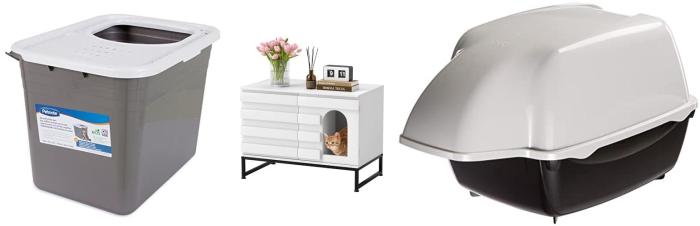
- Enclosed Litter Boxes: These are a popular choice for dog-proofing. They come in various styles:
- Covered: Basic enclosures with a lid, offering some protection but often not enough for determined dogs.
- Hooded: Similar to covered boxes but with a more substantial hood, providing better visual barrier and some added security.
- Cabinet-Style: These are essentially furniture pieces with a built-in litter box, offering the most discreet and secure option.
- Top-Entry Litter Boxes: These boxes require the cat to enter from the top, which can be a significant deterrent for many dogs. The advantage is that it keeps the litter contained and prevents dogs from easily accessing it. However, some cats may find them difficult to use, especially older or less agile cats. The height of the entrance is a key factor – it needs to be high enough to deter the dog but low enough for the cat to comfortably climb.
- Automatic Self-Cleaning Litter Boxes: While convenient for cat owners, the effectiveness of these boxes against dogs varies. The noise and movement of the cleaning cycle can sometimes deter dogs, but determined dogs might still find ways to access the litter. The plastic construction of many automatic boxes can also be a weakness.
- DIY Litter Box Enclosure: Building your own enclosure is a cost-effective option. A simple enclosure can be made using readily available materials.
DIY Storage Bin Enclosure: A Step-by-Step Guide
- Gather Materials: You’ll need a large storage bin (sturdy plastic is best), a smaller bin for the litter box itself, a utility knife or jigsaw, and potentially some zip ties or screws.
- Cut an Entrance: Cut a circular or rectangular entrance in the side of the larger bin, large enough for your cat to comfortably enter and exit.
- Place the Litter Box: Place the smaller bin inside the larger bin, ensuring it sits securely.
- Secure the Structure: If needed, use zip ties or screws to further secure the bins together.
- Test and Adjust: Let your cat test the enclosure and make any necessary adjustments to the entrance size or stability.
Material Selection & Construction for Durability
Source: thebeloveddog.com
Choosing the right materials is crucial for creating a truly dog-proof litter box. Cheap, flimsy plastic won’t stand a chance against a determined dog.
- Durable Plastics: Look for heavy-duty, reinforced plastics specifically designed for outdoor use. These are more resistant to chewing and cracking.
- Metals: Stainless steel is the gold standard for durability. It’s virtually indestructible, but it can be more expensive and may require a liner for cat comfort.
- Weighted Base: A weighted base is essential to prevent tipping. You can add weight by filling the base with sand, gravel, or even concrete.
- Reinforced Seams and Joints: Dogs are clever; they’ll look for weak points. Reinforce seams and joints with strong adhesives or screws.
- Dog-Safe Sealants: Use non-toxic, dog-safe sealants and adhesives for any repairs or modifications.
Placement & Environmental Factors
Where you place the litter box can significantly impact its dog-proofing effectiveness.
- Out of Reach: Ideally, place the litter box in a location that’s out of your dog’s reach, such as on a high shelf or in a room they can’t access.
- Secure Room: A dedicated “cat room” is a great solution. This allows your cat to have a safe space while keeping the litter box away from the dog.
- Baby Gates or Playpens: Use baby gates or pet playpens to restrict your dog’s access to the litter box area.
- Litter Type: Some litters are more appealing to dogs than others. Avoid scented litters or those with a texture that dogs might find enticing.
- Deterrents: Motion-activated sprayers or unpleasant scents (like citrus) can discourage dogs from approaching the litter box.
Specific Litter Box Designs & Features
Certain litter box designs are inherently more dog-proof than others.
- Locking Lids: Litter boxes with locking lids prevent dogs from easily accessing the litter. Different locking mechanisms are available, from simple latches to more complex locking systems.
- Small, Dog-Unfriendly Entrance: A small entrance that’s difficult for a dog to navigate can be effective.
- Corner Litter Boxes: The corner design can provide added stability and make it more difficult for dogs to tip the box over.
- Ramps or Steps: While ramps or steps make it easier for cats to access elevated litter boxes, they also provide dogs with a potential climbing aid. Consider the height and stability of any ramps or steps.
Addressing Underlying Dog Behavior
Dog-proofing the litter box is only part of the solution. Addressing the underlying reasons for your dog’s behavior is crucial for long-term success.
- Training: Teach your dog commands like “leave it” and “stay” to prevent them from interacting with the litter box.
- Exercise and Enrichment: Provide your dog with plenty of exercise and mental stimulation to reduce boredom and anxiety.
- Anxiety and Boredom: If anxiety or boredom are contributing factors, consult with a veterinarian or certified dog trainer.
- Scent Marking: If your dog is scent marking, address the underlying cause (e.g., territoriality, insecurity) and consider using enzymatic cleaners to remove existing scent marks.
Advanced Solutions & Modifications
For particularly persistent dogs, more advanced solutions may be necessary.
- Integrated Cabinet: Integrating the litter box into a cabinet or furniture piece provides a discreet and secure solution.
- Hardware Cloth Barrier: Creating a protective barrier around the litter box using hardware cloth or mesh can prevent dogs from accessing it.
- Modifications: Reinforce existing litter boxes with additional materials and security features.
Modification Process Flowchart:
- Assess Current Litter Box: Identify weaknesses (e.g., flimsy plastic, easy to tip).
- Choose Reinforcement Materials: Select durable plastics, metals, or adhesives.
- Reinforce Weak Points: Add extra layers of plastic, secure seams, and weigh down the base.
- Test and Adjust: Observe your dog’s behavior and make any necessary adjustments.
Cat Considerations & Accessibility
Dog-proofing the litter box shouldn’t come at the expense of your cat’s comfort and accessibility.
- Cat Access: Ensure any modifications don’t restrict your cat’s ability to comfortably access and use the litter box.
- Cleanliness: Maintain a clean litter box to encourage cat usage and minimize odor, which can attract dogs.
- Size: Choose a litter box that’s large enough for your cat to comfortably turn around and dig.
- Introduction: Introduce the dog-proof litter box to your cat gradually, minimizing stress and encouraging acceptance.
Troubleshooting Common Issues
Even with the best efforts, problems can arise.
| Problem | Cause | Solution |
|---|---|---|
| Cats Avoiding the Litter Box | Stress, discomfort, unfamiliarity | Gradual introduction, ensure easy access, clean regularly |
| Dogs Finding Ways Around Barriers | Persistence, cleverness | Reinforce barriers, use deterrents, adjust placement |
| Damaged Litter Box | Chewing, tipping | Repair or replace with a more durable model |
Last Recap
Ultimately, creating a dog-proof litter box is about more than just preventing messes; it’s about ensuring your cat feels safe and secure in their own home. By understanding your dog’s motivations, choosing the right materials, and implementing smart design solutions, you can create a peaceful coexistence for both your furry companions. Remember, consistency in training and a focus on enrichment for your dog are key to long-term success.
So, take a deep breath, assess your situation, and get ready to reclaim your home – one litter box at a time!
Popular Questions
Why is my dog so obsessed with the litter box?
It’s often a combination of factors! Boredom, anxiety, scent marking, or simply the intriguing texture of the litter can all be culprits. Sometimes, they’re just looking for something to do!
Can I use a regular storage bin as a litter box enclosure?
Absolutely! It’s a great DIY option. Just make sure it’s sturdy, has adequate ventilation, and a cat-friendly entrance. We’ll provide a step-by-step guide later on.
My cat refuses to use the new dog-proof litter box. What should I do?
Try placing some of their used litter in the new box to transfer their scent. Make sure the entrance is easy for them to access and that the box is in a quiet, safe location. Patience is key!
What’s the best type of litter to deter dogs?
Larger, less appealing textures like wood pellets or pine litter are often less attractive to dogs than clay or clumping litters. Avoid heavily scented litters, as they can actually
-attract* some dogs.
Are there any safety concerns with using motion-activated spray deterrents?
Yes, be cautious! Ensure the spray is pet-safe and doesn’t contain harsh chemicals. Start with a low setting and observe your dog’s reaction carefully.
How can I reinforce the seams of a plastic litter box?
Use a strong, non-toxic sealant or adhesive specifically designed for plastics. Apply it liberally to all seams and joints, and allow it to cure completely before allowing your cat to use the box.
