Domestic Cat That Looks Like A Cheetah Everything You Need To Know Before Bringing One Home

If you’ve ever mindlessly scrolled TikTok and stopped mid-swipe at a viral clip of a soft, spotted house cat that could pass for a tiny wild cheetah, you’re far from alone. The domestic cat that looks like a cheetah has blown up as one of the most popular pet trends of the last two years, but most people only fixate on their viral-worthy coat, not the work that goes into finding and caring for the right one for your unique home. I spent months talking to rescue coordinators, small animal vets, and even scam victims to pull together all the unfiltered, actionable info no generic breed list will ever share with you.
Too many first-time seekers end up either dropping thousands of dollars on a scam common tabby that’s passed off as a rare “mini cheetah”, or bringing home a high-energy hybrid that’s totally unsuited for their 9-5 office job and 500-square-foot studio apartment. This guide isn’t here to just rattle off a list of spotted cat breeds—it’s here to match you to the perfect cheetah lookalike for your lifestyle, warn you about the rampant scams that are costing new owners thousands, and help you explore adoption first to save money and give a deserving cat a loving forever home.
Last month I loitered at my local cat café, the one with the chipped ceramic mugs and a sun-faded couch that reeks of generic catnip, when a regular brought in a new foster to socialize. I did a double-take. That’s not a house cat. That’s a baby cheetah someone stuffed into a neon pink harness.
Turns out that “cheetah” was Mochi, a 10-month-old Savannah cat, and he’s far from the only domestic cat that can fool passersby into thinking a wild big cat is loose on your city block. I’ve spent years writing about weird and wonderful pet breeds, and these spotted lookalikes are blowing up in popularity right now. But there’s a lot more to them than viral Instagram photos.
The Three Cat Breeds That Pass For Wild Cheetahs
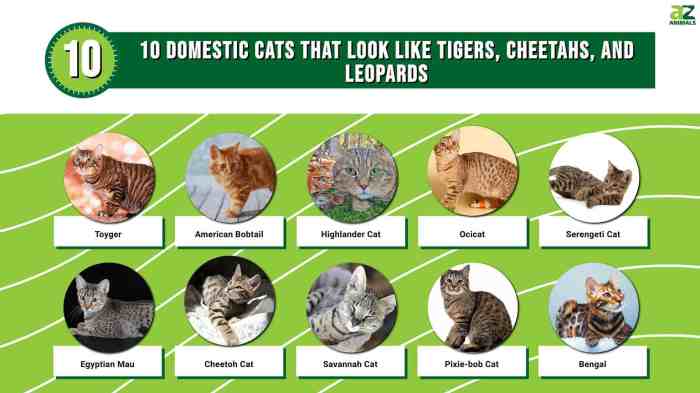
You don’t have to buy an illegal exotic pet to own a cat that looks like it stepped off a National Geographic shoot. These three registered domestic breeds have the spots, the lean build, and even the iconic black tear streaks under their eyes that make cheetahs so recognizable.
Savannah Cats
This is Mochi’s breed, and the most convincing cheetah doppelgänger out there. First-generation Savannahs are a cross between a domestic cat and a serval, a wild African small cat, so their first few litters have that exact long-legged, lean frame and golden spotted coat that matches a cheetah perfectly. Even later-generation Savannahs, which are 100% legal to own in every US state, keep that wild look. I once saw a woman pull over her car to call animal control on a friend’s F2 Savannah, convinced she’d spotted an escaped cheetah in his front yard.
Bengal Cats
Bengals are smaller than Savannahs, but they’re far more common, and the right coloration can fool most people. They have that same sleek, short spotted coat, and many carry the black tear streaks that sell the cheetah bit. My cousin has a 2-year-old Bengal named Tigger, and when she brought him to the vet for the first time, the front desk staff asked to see her exotic pet permit before they’d check him in. They thought she’d snuck a wild cat into the waiting room.
Cheetoh Cats
This is the most niche of the three, bred specifically to look as much like a cheetah as possible. Cheetohs are a mix of Bengal and Savannah cats, so they get the best (or most convincing, anyway) traits from both breeds. They’re larger than average house cats, super energetic, and their spots are almost identical to the rosettes you’d see on a wild cheetah. They’re still a rare breed, so you’ll wait months to get a kitten if you want one.
Don’t Let The Spots Fool You: They’re Still High-Maintenance Cats
The biggest mistake new owners make is only seeing the cool, exotic look. These aren’t your average lap cat that’s happy to nap on your couch for 12 hours a day. I almost adopted a Savannah kitten three years ago, before I learned how much work they are, and I’m glad the breeder turned me down flat. I was working 60-hour weeks back then, and I would’ve been a terrible owner for that cat.
If you’re thinking of getting one, make sure you can check all these boxes first:
- You work from home or have someone who can stop by midday to keep them company. These cats get destructive when bored. I’ve heard of a Savannah that chewed through $2,000 worth of computer cables in a single weekend because his owners left him alone for three days.
- You have space for massive cat trees and safe outdoor time. Savannahs can jump 8 feet straight up. They’ll clear your fridge, knock over your wall-mounted TV, and climb your curtains if they don’t have a higher spot to perch. Most owners walk them on leashes, too, because they crave that outdoor stimulation.
- You want a pet that’s more like a dog than a cat. Nearly all of these cheetah-lookalike breeds love to play fetch, learn tricks, and follow you from room to room like a shadow. They’re not the independent cats most people are used to. They need constant engagement, or they’ll find trouble to get into.
Is A Spotted Cheetah-Cat Right For You?
Last week I saw Mochi again at the cat café, curled up on a 7-year-old’s backpack, purring so loud you could hear him over the espresso machine. He still looked like a tiny Serengeti native, but he was just as obsessed with getting chin scritches as the chonky orange tabby that napped on the windowsill. Spots don’t change the fact that every cat, no matter what they look like, has their own needs and personality.
Source: a-z-animals.com
If you’re the kind of person who loves adventuring with your pet, has the time and space to keep a high-energy cat happy, and want a companion that turns every walk around the block into a conversation, these cats are amazing. I’ve seen owners bring their Savannahs hiking, swimming, even to outdoor farmers markets, and they thrive in that chaos.
But if you just want a cool photo op for your Instagram, don’t do it. These aren’t props. They’re living, breathing cats that deserve a home that can keep up with them. The cheetah look is a fun bonus, but it’s not the whole story.
At the end of the day, the appeal of a domestic cat that looks like a cheetah isn’t just about their Instagrammable good looks—it’s about bringing home a pet that fits seamlessly into your routine and becomes a beloved core member of your family. Whether you adopt a $250 shelter spotted tabby or save up for a responsibly bred purebred that aligns with your lifestyle, the best choice is always one that works for you and the cat, not just what gets likes on your feed. If this guide helped you cut through the noise around these amazing cats, pass it along to anyone you’ve ever seen gushing over a viral cheetah cat clip—saving even one friend from a costly scam or a mismatched pet adoption is what this space is all about.
Quick FAQs
How long do these cheetah-look domestic cats typically live?
Most cheetah-look domestic cats have lifespans of 12 to 18 years, on par with standard house cats, with mixed breed spotted tabbies often hitting the higher end of that range with consistent vet care.
Are any of these breeds hypoallergenic for people with cat allergies?
No domestic cat is 100% hypoallergenic, but Bengals and Savannahs produce lower levels of the Fel d 1 protein that triggers most allergies, making them a better pick for mild allergy sufferers.
Can these cats be leash trained to take on walks outside?
Most of these intelligent breeds, including Bengals, Egyptian Maus, and Savannahs, take well to positive reinforcement leash training, and many love joining their owners for safe, supervised outdoor adventures.
Do these cats get along with small household pets like hamsters or rabbits?
Most cheetah-look domestic cats have a strong natural prey drive, so it’s never safe to leave them unsupervised with small pocket pets, even if they seem gentle and calm around your household.
