There’s something undeniably captivating about a domestic cat sporting tiger stripes – a miniature wildcat roaming our homes. These stunning felines aren’t just beautiful; they’re a fascinating blend of genetics, breed characteristics, and even a touch of history. We’ll explore the science behind those mesmerizing stripes, the breeds that proudly display them, and what it takes to care for these unique companions.
The presence of tiger-like stripes in domestic cats is rooted in the tabby pattern, a common genetic trait. Understanding how the Agouti gene and its variations influence stripe development is key to appreciating the diversity we see across different breeds. From the Bengal’s bold markings to the Egyptian Mau’s subtle elegance, each striped cat possesses a unique and captivating appearance.
Origins and Genetics of Striped Domestic Cats
The mesmerizing appearance of tiger stripes on domestic cats isn’t just a coincidence; it’s a fascinating result of complex genetics and evolutionary history. Understanding how these patterns arise requires delving into the world of feline genetics, specifically the mechanisms that govern the tabby pattern. This pattern, present in varying forms across many cat breeds, is a fundamental aspect of feline coat coloration.The tabby pattern, encompassing everything from bold tiger stripes to subtle swirls, is an inherited trait passed down through generations.
It’s not a single gene but a collection of genes interacting to create the visual effect. The foundation of this inheritance lies in the Agouti gene, a master switch that dictates whether a cat’s fur will display banding – the hallmark of tabby patterns. Without the Agouti gene’s influence, cats would typically be solid-colored.The Agouti gene itself has several variations, or alleles.
The “A” allele allows for banding, while the recessive “a” allele suppresses it, resulting in a solid color. Within the “A” allele, further variations determine thetype* of banding – whether it manifests as mackerel stripes, classic swirls, ticked agouti, or spotted patterns. These variations are often designated with superscripts (e.g., A t for tabby, A s for smoke).
The interaction of these alleles, combined with other genes influencing color and intensity, creates the incredible diversity of tabby patterns we see.Stripe patterns aren’t uniform across all breeds. While the underlying genetics are similar, the expression of these genes can vary, leading to differences in stripe width, density, and overall appearance. Some breeds consistently display striking tiger stripes, while others exhibit more subtle or modified versions.
| Breed | Stripe Pattern Description | Agouti Gene Variation (if known) | Common Color Combinations |
|---|---|---|---|
| Bengal | Bold, well-defined mackerel stripes, often resembling a wild cat. | At (Tabby) | Brown, Silver, Charcoal, Blue |
| Egyptian Mau | Close-set, horizontal mackerel stripes with characteristic “thumbprint” markings. | At (Tabby) | Silver, Bronze, Smoke |
| Abyssinian | Ticked tabby pattern with subtle, ghosted stripes visible in certain lighting. | At (Tabby) | Ruddy, Blue, Silver |
| Manx | Mackerel or classic tabby patterns, often with variations due to the breed’s unique genetic profile. | At (Tabby) | Black, Brown, White, Tabby variations |
Breeds Commonly Exhibiting Tiger Stripes
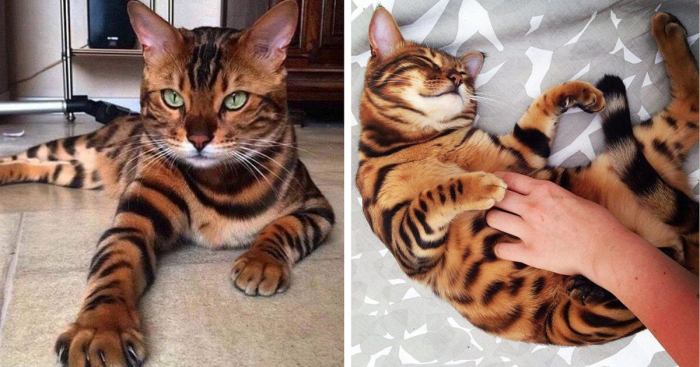
Several cat breeds are renowned for their striking tiger-striped coats, captivating cat lovers worldwide. These breeds often possess a combination of genetics and selective breeding that emphasizes the mackerel tabby pattern.The Bengal breed stands out as a prime example. Developed by crossing Asian Leopard Cats with domestic cats, Bengals inherit a strong tendency towards bold, well-defined tiger stripes. The intensity and clarity of these stripes are a key characteristic of the breed standard.
Bengals often display rosettes – larger, circular markings that resemble rose petals – within their stripes, further enhancing their wildcat appearance. The placement of these markings is also significant, with breeders aiming for a consistent pattern across the body.Savannah cats, a hybrid breed resulting from crosses between Servals (a wild African cat) and domestic cats, also frequently exhibit prominent tiger stripes.
The degree of striping depends on the generation of the Savannah (F1, F2, etc.), with earlier generations (closer to the Serval ancestor) typically displaying more distinct and wild-looking patterns. The stripes in Savannahs tend to be darker and more contrasted than those seen in Bengals, reflecting their Serval heritage.Egyptian Mau cats, an ancient breed from Egypt, are known for their unique and elegant striped patterns.
Their stripes are typically close-set and horizontal, with distinctive “thumbprint” markings on their flanks. These markings are a defining characteristic of the breed and are considered a sign of purity.Imagine a Bengal cat with exceptionally bold tiger stripes. Its fur is short and sleek, a luxurious, almost velvety texture. The stripes are a deep, rich brown against a background of shimmering silver, creating a dramatic contrast.
The face features prominent stripes that frame a strong, angular muzzle and piercing green eyes. The legs are adorned with vertical stripes that taper towards the paws, and the tail is ringed with dark bands. The overall body build is muscular and athletic, reflecting the breed’s energetic nature.
Stripe Patterns: Variations and Characteristics
The term “tiger stripes” generally refers to the mackerel tabby pattern, but the world of feline coat patterns is far more diverse. Understanding the differences between mackerel, classic, ticked, and spotted tabby patterns is crucial for appreciating the nuances of feline genetics.The mackerel tabby pattern, the one most often associated with tiger stripes, features narrow, vertical stripes that run along the body, resembling the markings of a mackerel fish.
Classic tabby patterns, on the other hand, display swirling, blotched patterns that resemble marble or leopard spots. Ticked tabby patterns, like those seen in Abyssinians, lack distinct stripes or spots; instead, each hair shaft is banded with different colors, creating a shimmering, salt-and-pepper effect. Spotted tabby patterns feature distinct spots rather than stripes or swirls.A “ghost” or faint stripe pattern refers to a tabby cat where the stripes are barely visible, often only appearing in certain lighting conditions.
This can be due to a dilution gene that reduces the intensity of the pigment, or a combination of factors that weaken the expression of the tabby pattern.Environmental factors, such as temperature and nutrition during development, may subtly influence stripe intensity and definition. While genetics are the primary determinant, these factors can potentially affect the expression of the genes responsible for coat coloration.Unusual stripe patterns, such as rosettes (circular markings within stripes) and broken stripes (stripes that are interrupted or fragmented), can arise from genetic mutations or variations.
Rosettes are often associated with Bengal cats and are thought to be a result of a modified Agouti gene. Broken stripes can be caused by a variety of factors, including piebald spotting genes that disrupt the pigment distribution.
A cat with exceptionally bold and contrasting tiger stripes commands attention. The sharp lines of the stripes create a dynamic visual effect, emphasizing the cat’s muscular build and agile movements. It’s a coat that speaks of wildness and power, a testament to the beauty of natural selection and genetic artistry.
Coat Color Combinations with Tiger Stripes
The appearance of tiger stripes isn’t solely determined by the pattern itself; it’s also heavily influenced by the underlying coat color. The interaction between stripe patterns and different coat colors creates a stunning array of visual possibilities.Brown (or seal) is a common color found in striped cats, resulting in a classic tiger-like appearance. Silver striped cats have a silvery-gray base coat with darker stripes, creating a shimmering effect.
Charcoal striped cats exhibit a dark gray or black base coat with well-defined stripes. Blue striped cats have a diluted gray base coat, resulting in softer, more muted stripes.Colorpoint patterns, such as those seen in Siamese and Himalayan cats, introduce an intriguing twist. In these cats, the stripes are typically darker on the points (face, ears, paws, and tail) while the body remains a lighter color.
This creates a striking contrast and adds another layer of complexity to the coat pattern.The presence of white markings, such as a bib or white paws (“socks”), can significantly affect the overall appearance of striped cats. These markings can break up the stripes, creating a more playful and dynamic look.Rare color combinations paired with tiger stripes are highly sought after by cat enthusiasts.
Examples include chocolate striped Bengals, lilac striped Savannahs, and cream striped Egyptian Maus.
| Coat Color | Stripe Pattern | Overall Appearance Description |
|---|---|---|
| Brown | Mackerel | Classic tiger-like appearance, bold and striking. |
| Silver | Mackerel | Shimmering and elegant, with a silvery-gray base. |
| Blue | Mackerel | Soft and muted, with a diluted gray base. |
| Colorpoint (Seal) | Mackerel | Striking contrast between dark points and lighter body, exotic and captivating. |
The Appearance and Behavior of Striped Cats
The visual impact of tiger stripes might subtly influence feline behavior, though the extent of this influence is still a subject of ongoing observation. The bold markings could potentially affect how other animals perceive the cat, and perhaps even how the cat perceives itself.While there’s no definitive scientific evidence to suggest that striped cats exhibit significantly different behaviors compared to cats with other tabby patterns, anecdotal observations suggest that some striped cats may be more confident and assertive.
This could be attributed to the perceived “wildness” conveyed by their markings.Breeds displaying tiger stripes, such as Bengals and Savannahs, are generally known for their energetic and playful personalities. They tend to be larger and more muscular than many other domestic cat breeds, with a sleek and athletic build. Their fur texture varies depending on the breed, ranging from short and silky to medium-length and plush.The eye colors found in striped domestic cats are diverse, ranging from green and gold to copper and blue.
Eye color often correlates with coat color, with green eyes being more common in brown and silver striped cats, and blue eyes being more prevalent in colorpoint striped cats.Imagine a striped cat gracefully navigating its surroundings. Its gait is fluid and purposeful, with a confident stride. The stripes accentuate its muscular form, creating a dynamic visual presence as it moves.
When at rest, its posture is relaxed yet alert, with a subtle tension in its muscles that hints at its underlying power and agility. The stripes seem to ripple with its movements, adding to its captivating allure.
Caring for Striped Domestic Cats
Caring for striped domestic cats, particularly those belonging to breeds known for their tiger-like markings (like Bengals and Savannahs), often involves addressing specific health considerations and grooming needs.Bengals, for example, are predisposed to certain conditions, such as hypertrophic cardiomyopathy (HCM), a heart condition. Regular veterinary checkups and screening tests are essential for early detection and management. Savannah cats, due to their Serval ancestry, may also be prone to certain genetic health issues.Grooming requirements vary depending on the fur length and stripe intensity.
Short-haired striped cats generally require minimal grooming, while longer-haired varieties may benefit from regular brushing to prevent mats and tangles. The intensity of the stripes doesn’t directly impact grooming needs, but a healthy coat is essential for maintaining the vibrancy of the markings.Providing appropriate enrichment is crucial for active breeds like Bengals and Savannahs. These cats thrive on mental and physical stimulation, requiring plenty of toys, climbing structures, and interactive playtime.Maintaining the vibrancy and health of a striped cat’s coat involves a balanced diet, regular grooming, and protection from harsh environmental factors.Here’s a list of recommended toys and activities for striped cats, categorized by energy level:
- Low Energy: Puzzle feeders, catnip mice, soft plush toys, gentle petting and brushing.
- Medium Energy: Feather wands, laser pointers (use with caution), interactive cat toys, short play sessions.
- High Energy: Cat trees, climbing walls, agility courses, fetch games, interactive toys that mimic prey.
Historical and Cultural Significance
Source: upliftingtoday.com
Striped cats have held a unique place in human history and culture, often associated with mystery, power, and the wild. Their striking appearance has captivated artists, writers, and cultures across the globe.Historically, striped cats were often viewed with a mixture of awe and suspicion. In some cultures, they were considered symbols of good luck and prosperity, while in others, they were associated with witchcraft or the supernatural.Tiger-striped cats have been depicted in art and literature for centuries, often symbolizing the untamed spirit of nature.
Ancient Egyptian art frequently featured tabby cats, reflecting their importance in Egyptian society. In modern literature, striped cats often serve as enigmatic and alluring characters.Anecdotes abound about notable striped cats throughout history. Bastet, the Egyptian goddess of cats, was often depicted as a tabby cat, highlighting the breed’s revered status in ancient Egypt.Here’s a timeline highlighting key moments in the history of striped domestic cats:
- Ancient Egypt (c. 4000 BCE): Tabby cats revered as sacred animals.
- 19th Century: Increased interest in tabby cats among European breeders.
- 1960s: Development of the Bengal breed through crosses with Asian Leopard Cats.
- 1980s: Recognition of the Savannah breed, resulting from crosses with Servals.
- Present: Continued popularity of striped cat breeds worldwide, with ongoing research into their genetics and behavior.
Distinguishing Tiger Stripes from Other Patterns
Differentiating tiger stripes (mackerel tabby) from other tabby patterns can be tricky, but understanding the key characteristics of each pattern makes it easier to identify.Tiger stripes, or mackerel tabby patterns, are characterized by narrow, vertical stripes that run along the body, resembling the markings of a mackerel fish. Classic tabby patterns, in contrast, feature swirling, blotched patterns that resemble marble or leopard spots.
Ticked tabby patterns lack distinct stripes or spots; instead, each hair shaft is banded with different colors. Spotted tabby patterns feature distinct spots rather than stripes or swirls.Rosettes, which are circular markings within stripes, are a distinguishing feature of Bengal cats and are not typically found in other tabby patterns.A “ticked” tabby pattern is easily identified by the absence of distinct stripes or spots.
Instead, the fur appears to be a solid color with subtle shading and banding.Here’s a visual guide comparing and contrasting mackerel, classic, ticked, and spotted tabby patterns:
- Mackerel Tabby: Narrow, vertical stripes.
- Classic Tabby: Swirling, blotched patterns.
- Ticked Tabby: No distinct stripes or spots, banded hair shafts.
- Spotted Tabby: Distinct spots.
Here’s a flowchart to help identify the tabby pattern of a domestic cat:
- Start: Does the cat have distinct stripes?
- Yes: Are the stripes narrow and vertical (like a mackerel)? If yes, it’s a Mackerel Tabby. If no, are the patterns swirling and blotched? If yes, it’s a Classic Tabby.
- No: Does the cat have distinct spots? If yes, it’s a Spotted Tabby. If no, it’s a Ticked Tabby.
End of Discussion
From their intriguing genetic origins to their cultural significance throughout history, domestic cats with tiger stripes offer a wealth of fascinating details. Whether you’re a seasoned cat enthusiast or simply appreciate the beauty of nature, these striped felines are a testament to the incredible diversity within the domestic cat world. Hopefully, this exploration has deepened your appreciation for these miniature tigers and the joy they bring to our lives.
Top FAQs
Why do some cats have tiger stripes and others don’t?
It all comes down to genetics! The tabby pattern, including tiger stripes (mackerel tabby), is inherited. The Agouti gene plays a crucial role, and different variations of this gene determine whether stripes, spots, or other patterns appear.
What’s the difference between a mackerel and a classic tabby?
Mackerel tabbies have narrow, parallel stripes running down their sides, resembling a fish skeleton. Classic tabbies have swirling, blotched patterns, often with a “bullseye” marking on their sides.
Are striped cats generally more active than other cats?
Breeds known for prominent tiger stripes, like Bengals and Savannahs, are often quite energetic and require plenty of enrichment and playtime. However, individual personalities vary, regardless of stripe pattern.
What are “ghost” stripes?
Ghost stripes are faint or barely visible stripes, often seen in cats that are dilute colors (like blue or lilac). The underlying tabby pattern is still present genetically, but the stripes aren’t as distinct visually.
Do striped cats have any specific health concerns?
Certain breeds known for tiger stripes, like Bengals and Savannahs, can be predisposed to specific health issues. It’s important to research the breed’s potential health concerns and choose a reputable breeder.
How can I best care for a striped cat’s coat?
Grooming needs depend on the cat’s fur length. Regular brushing helps remove loose hair and keeps the coat healthy and vibrant. A high-quality diet also contributes to a shiny, beautiful coat.

