It’s a topic that doesn’t get nearly enough attention: neurological variations in cats, sometimes mirroring aspects of conditions like Down syndrome in humans. While we can’t definitively say a cat
-has* Down syndrome (the genetic specifics are different), understanding these neurological differences is crucial for providing the best possible care and enriching their lives. This guide explores the spectrum of these variations, from recognizing subtle signs to adapting their environment and ensuring their ongoing well-being.
We’ll delve into the potential causes, diagnostic procedures, and common health concerns that can arise. More importantly, we’ll focus on practical strategies you can implement to create a safe, stimulating, and loving home for your feline friend, regardless of their neurological differences. It’s about celebrating their individuality and providing the support they need to thrive.

Understanding Feline Neurological Variations
It’s easy to think of cats as having predictable behaviors and physical traits. But just like humans, cats can have neurological variations that affect how they develop and function. These differences aren’t necessarily diseases, but rather a spectrum of neurological traits that can manifest in a variety of ways. This article explores these variations, how they arise, and what you can do to support a cat living with them.
Genetic factors play a significant role in feline neurological development. Mutations in specific genes can disrupt the normal formation of the brain and nervous system, leading to atypical behaviors or physical characteristics. These mutations can be inherited from parents, or they can occur spontaneously during development. Environmental factors, such as exposure to toxins during pregnancy or early kittenhood, can also contribute to neurological variations.
It’s often a complex interplay of genetics and environment that shapes a cat’s neurological profile.
Typical Feline Behaviors and Potential Variations
Cats are known for their grooming habits, vocalizations, and social interactions. However, neurological variations can alter these behaviors in noticeable ways. A cat with a neurological difference might groom excessively or not at all, vocalize more or less than usual, or exhibit unusual social behaviors, such as fearfulness or aggression. Recognizing these deviations from the norm is the first step in understanding and supporting a cat with neurological differences.
| Behavior | Typical Feline Behavior | Potential Variation |
|---|---|---|
| Grooming | Regular, thorough grooming to maintain cleanliness. | Excessive grooming leading to hair loss, or complete lack of grooming resulting in a matted coat. |
| Vocalization | Meows, purrs, and other vocalizations used for communication. | Constant, excessive meowing, or a complete lack of vocalization. |
| Social Interaction | Seeking affection, playing with humans and other animals. | Extreme fearfulness or aggression towards humans and other animals, or a complete lack of interest in social interaction. |
| Gait | Smooth, coordinated movements. | Unsteady gait, stumbling, or dragging limbs. |
Recognizing Potential Indicators
Early detection is key to providing the best possible care for a cat with neurological differences. Subtle physical characteristics and behavioral signs can be indicators of underlying neurological issues. Being observant and familiar with your cat’s baseline behavior will help you identify any changes that warrant further investigation.
Subtle physical characteristics in kittens might include an unusually shaped head, a slightly crossed eye, or tremors. Behavioral signs in kittens and adult cats can be more varied. Repetitive behaviors, such as pacing or circling, are common. Unusual gaits, like stumbling or dragging limbs, are also concerning. Sensory sensitivities, such as a heightened reaction to loud noises or bright lights, can also be a sign of neurological differences.
Early Warning Signs – Severity Levels
Recognizing the severity of the signs is important for determining the appropriate course of action. Here’s a breakdown of early warning signs, categorized by severity:
- Mild: Occasional tremors, slight changes in grooming habits, increased sensitivity to certain sounds. These signs may be subtle and could be due to other factors, but warrant observation.
- Moderate: Repetitive behaviors (pacing, circling), noticeable changes in gait (stumbling), increased anxiety or fearfulness, changes in appetite. These signs require veterinary attention.
- Severe: Seizures, paralysis, inability to coordinate movements, significant cognitive decline. Immediate veterinary care is essential.
Flowchart: What to Do If You Suspect Neurological Differences
If you suspect your cat has neurological differences, follow these steps:
- Observe: Carefully monitor your cat’s behavior and physical characteristics. Document any changes you notice.
- Consult: Schedule an appointment with your veterinarian. Be prepared to describe your observations in detail.
- Diagnostic Tests: Your veterinarian may recommend diagnostic tests, such as blood work, neurological exams, and imaging (MRI or CT scan).
- Specialist Referral: If necessary, your veterinarian may refer you to a veterinary neurologist for specialized care.
- Management Plan: Work with your veterinarian to develop a management plan that addresses your cat’s specific needs.
Diagnostic Procedures and Veterinary Assessment
When neurological concerns are raised, your veterinarian will perform a thorough examination to assess your cat’s neurological function. This typically involves observing your cat’s posture, gait, and reflexes, as well as testing their cranial nerves.
Neurological imaging, such as MRI (magnetic resonance imaging) and CT (computed tomography) scans, plays a crucial role in diagnosing feline neurological conditions. MRI provides detailed images of the brain and spinal cord, allowing veterinarians to identify structural abnormalities. CT scans are useful for detecting bone lesions and other abnormalities.
Blood tests and other diagnostic tools are used to rule out other medical causes of neurological signs, such as infections, toxins, and metabolic disorders. These tests can help narrow down the possible diagnoses and guide treatment decisions.
| Diagnostic Test | Purpose | Potential Findings |
|---|---|---|
| Neurological Exam | Assess reflexes, cranial nerve function, and coordination. | Abnormal reflexes, impaired cranial nerve function, incoordination. |
| MRI | Detailed imaging of the brain and spinal cord. | Tumors, lesions, inflammation, structural abnormalities. |
| CT Scan | Imaging of bone structures and detection of lesions. | Fractures, tumors, bone abnormalities. |
| Blood Work (CBC, Chemistry Panel) | Rule out infections, toxins, and metabolic disorders. | Elevated white blood cell count (infection), abnormal liver or kidney values (organ dysfunction), electrolyte imbalances. |
Common Associated Health Concerns
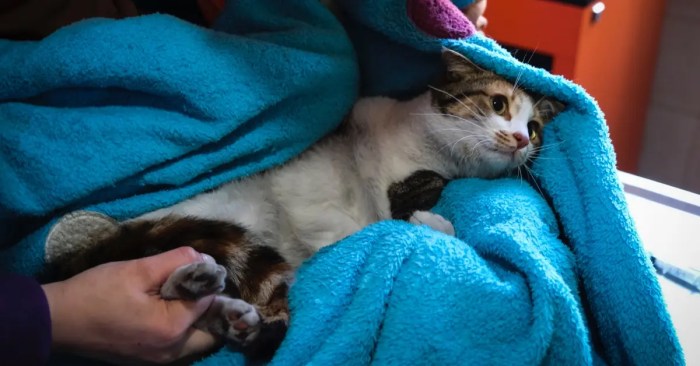
Source: greenmatters.com
Cats with neurological variations often experience co-occurring health issues. These conditions can significantly impact their overall well-being and quality of life. Understanding these associations is crucial for providing comprehensive care.
Potential co-occurring health issues include epilepsy, hydrocephalus (fluid buildup in the brain), and musculoskeletal problems. Epilepsy can cause seizures, while hydrocephalus can lead to increased intracranial pressure. Musculoskeletal problems can result from abnormal gait or posture.
These conditions can interact and influence each other. For example, epilepsy can worsen musculoskeletal problems due to uncontrolled movements during seizures. Hydrocephalus can exacerbate neurological deficits by increasing pressure on the brain.
Potential Complications – Impact Categories
- Mobility: Difficulty walking, stumbling, paralysis.
- Sensory Perception: Hearing loss, vision impairment, increased sensitivity to light or sound.
- Cognitive Function: Memory loss, confusion, disorientation.
Environmental Adaptations and Supportive Care
Creating a supportive environment is essential for cats with neurological differences. Modifications to their surroundings can help minimize sensory overload, improve mobility, and promote a sense of security.
Practical tips include providing soft bedding, minimizing loud noises and bright lights, and creating safe spaces where the cat can retreat when feeling overwhelmed. Ramps and steps can help cats with mobility limitations access elevated surfaces. Consistent routines and predictable schedules can also reduce anxiety and stress.
Sample Daily Routine for a Cat with Neurological Differences:
- 7:00 AM: Wake up, provide food and water in a quiet location.
- 7:30 AM – 9:00 AM: Gentle playtime with soft toys, avoiding sudden movements.
- 9:00 AM: Quiet time in a designated safe space.
- 12:00 PM: Provide a small meal.
- 1:00 PM – 3:00 PM: Rest and relaxation.
- 3:00 PM: Gentle grooming session.
- 6:00 PM: Provide dinner.
- 7:00 PM – 9:00 PM: Quiet playtime or interaction with humans.
- 9:00 PM onwards: Quiet time and sleep.
Note: This is a sample routine and should be adjusted to meet the individual needs of the cat.
Nutritional Considerations
Cats with neurological variations may have specific dietary needs. Some may experience digestive sensitivities or metabolic differences that require specialized diets. It’s important to consult with your veterinarian to determine the best nutritional plan for your cat.
Specialized diets formulated for sensitive stomachs or with added nutrients can be beneficial. These diets may be easier to digest and provide essential nutrients that support neurological function. Monitoring your cat’s weight and body condition is crucial to ensure they are receiving adequate nutrition.
| Cat Food Type | Suitability for Cats with Neurological Differences |
|---|---|
| Wet Food | Generally easier to digest and provides hydration. Good for cats with difficulty eating dry food. |
| Dry Food | Can be convenient, but may be harder to digest for some cats. Choose a high-quality formula with limited ingredients. |
| Raw Food | Requires careful preparation and handling to avoid bacterial contamination. Can be beneficial for cats with digestive sensitivities, but consult with your veterinarian first. |
Behavioral Management and Training
Managing behavioral challenges associated with neurological differences requires patience, understanding, and positive reinforcement techniques. Avoid punishment, as it can exacerbate anxiety and fear.
Strategies for addressing anxiety, fear, and frustration include providing safe spaces, minimizing stressors, and using calming pheromone diffusers. Positive reinforcement, such as rewarding desired behaviors with treats or praise, can help shape behavior.
Teaching a Cat with Mobility Limitations to Use a Ramp
- Introduce the Ramp: Place the ramp near the cat’s favorite spot. Let them explore it at their own pace.
- Lure with Treats: Place treats at the top of the ramp to encourage the cat to walk up.
- Positive Reinforcement: Reward the cat with praise and treats each time they use the ramp, even if it’s just a few steps.
- Gradual Progression: Gradually increase the distance the cat needs to walk up the ramp to reach the reward.
- Patience and Consistency: Be patient and consistent with training. It may take time for the cat to learn to use the ramp comfortably.
Genetic Counseling and Breeding Considerations
Breeding cats with known or suspected neurological differences raises ethical concerns. Responsible breeders should prioritize the health and well-being of their cats and avoid breeding individuals with these conditions.
Genetic counseling can help pet owners understand the risks of passing on neurological conditions to their offspring. Genetic testing can identify carriers of certain genes, allowing breeders to make informed decisions about breeding.
Resources for Genetic Counseling:
- Veterinary Genetics Laboratory: https://vgl.ucdavis.edu/
- Breed-specific health organizations
- Your veterinarian
Long-Term Care and Quality of Life
Cats with neurological differences require ongoing veterinary care and monitoring. Regular checkups can help detect and manage any new or worsening health concerns.
Strategies for managing pain and discomfort include medication, physical therapy, and environmental modifications. Assessing a cat’s quality of life is essential for making informed decisions about their care. If a cat’s quality of life declines significantly, euthanasia may be the most compassionate option.
Quality of Life Checklist
- Appetite: Eating regularly and with enjoyment.
- Mobility: Able to move around comfortably and access essential resources.
- Social Interaction: Engaging with humans and other animals.
- Pain Levels: Minimal signs of pain or discomfort.
- Mental Alertness: Responsive and aware of surroundings.
- Grooming: Able to groom themselves adequately.
Illustrative Case Studies
These case studies are hypothetical and intended to illustrate the challenges and management strategies associated with neurological differences in cats.
Case Study 1: Kitten with Neurological Differences
Luna, a 10-week-old kitten, was brought in by her owner due to tremors and an unsteady gait. Upon examination, Luna also had a slightly crossed eye and a tendency to circle when excited. Neurological examination revealed impaired proprioception (awareness of body position). MRI confirmed hydrocephalus. Luna was started on medication to manage the hydrocephalus and physical therapy to improve her gait.
Her owner was advised to provide a safe and stimulating environment with soft bedding and ramps to access elevated surfaces. Luna’s tremors gradually improved with medication, and she learned to navigate her environment with increasing confidence.
Case Study 2: Adult Cat Exhibiting Neurological Signs
Jasper, a 7-year-old domestic shorthair, presented with increased anxiety, repetitive pacing, and occasional seizures. His owner reported that Jasper had always been a bit skittish, but his behavior had worsened in recent months. Blood work ruled out metabolic causes. MRI revealed a small tumor in the brain. Jasper was referred to a veterinary oncologist for further evaluation and treatment.
While the tumor could not be completely removed, medication helped control the seizures and reduce Jasper’s anxiety. His owner implemented environmental modifications, such as providing a quiet safe room and using calming pheromone diffusers, to help Jasper cope with his neurological condition.
Case Study 3: Cat with Sensory Sensitivities
Oliver, a 5-year-old Persian, exhibited extreme sensitivity to loud noises and bright lights. He would hide under furniture whenever the vacuum cleaner was turned on or when sunlight streamed through the windows. His owner adapted the environment by installing blackout curtains, providing a quiet safe room, and using soft blankets to dampen sounds. She also avoided using harsh cleaning products and minimized sudden movements around Oliver.
These modifications significantly reduced Oliver’s anxiety and improved his overall well-being.
Final Thoughts
Navigating the world of feline neurological variations can feel overwhelming, but remember that knowledge is power. By understanding the potential challenges, proactively seeking veterinary guidance, and adapting your home and routines, you can significantly improve your cat’s quality of life. It’s a journey of patience, observation, and unwavering love, but the rewards – a happy, comfortable, and cherished companion – are immeasurable.
Let’s continue to learn and advocate for the unique needs of these special cats.
Questions Often Asked
What exactly are “neurological variations” in cats?
It refers to differences in how a cat’s brain functions, leading to variations in behavior, movement, or sensory perception. These differences can range from subtle quirks to more noticeable challenges.
Can neurological variations be inherited?
Yes, genetics play a significant role. While specific genes haven’t been identified for all variations, a family history of unusual behaviors or health concerns can increase the risk.
My cat is obsessed with grooming – could this be a sign of a neurological issue?
Excessive or repetitive grooming
-can* be a sign, but it can also be caused by stress, allergies, or pain. It’s best to discuss it with your vet to rule out other causes.
What’s the difference between a neurological exam and a regular checkup?
A neurological exam involves specific tests to assess reflexes, coordination, and sensory responses, going beyond the standard physical assessment.
Are MRI and CT scans always necessary?
Not always. Your vet will determine if imaging is needed based on the cat’s symptoms and the results of initial examinations.
What kind of diet is best for a cat with neurological differences?
Often, easily digestible foods are recommended, and your vet may suggest a specialized diet to address any associated health concerns like digestive sensitivities.
How can I tell if my cat is in pain?
Signs can include changes in behavior (hiding, aggression), decreased appetite, reluctance to move, and vocalization. Your vet can help assess and manage pain effectively.
Is it ethical to breed cats with known neurological differences?
Most experts agree it’s unethical to intentionally breed cats with known or suspected neurological conditions to avoid passing on those traits.

