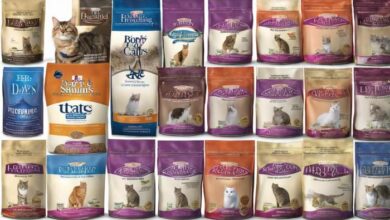
Dr. Marty’s cat food has exploded in popularity, promising a revolutionary approach to feline nutrition. You’ve probably seen the ads, heard the testimonials, and maybe even considered switching your kitty’s diet. But is it all it’s cracked up to be? We’re diving deep into Dr.
Marty’s cat food, examining the ingredients, safety concerns, nutritional adequacy, and customer experiences to help you make an informed decision for your furry friend. It’s a lot to unpack, but we’ll break it down so you can understand what you’re
-really* feeding your cat.
This isn’t just about listing ingredients; we’ll explore the science behind raw feeding, compare Dr. Marty’s to conventional options, and address common misconceptions about cat food in general. We’ll also look at the cost, Dr. Kalin’s background, and potential alternatives, giving you a comprehensive overview to navigate this increasingly complex world of feline nutrition.
Dr. Marty Cat Food Exposed: A Deep Dive into the Raw Feeding Phenomenon
Dr. Marty’s cat food has taken the online pet world by storm. Suddenly, raw feeding isn’t just for dedicated enthusiasts; it’s being marketed as a convenient and accessible option for everyday cat owners. The brand’s aggressive social media presence, influencer collaborations, and promises of a healthier, happier cat have fueled a rapid rise in popularity. But is it all it’s cracked up to be?
This article aims to cut through the marketing hype and provide a comprehensive, unbiased look at Dr. Marty’s cat food – its ingredients, nutritional value, safety concerns, and overall value proposition. We’ll explore the claims, the realities, and help you decide if it’s the right choice for your feline companion.
The Dr. Marty Cat Food Phenomenon
The surge in Dr. Marty’s popularity is undeniable. Their marketing strategy heavily relies on showcasing before-and-after transformations – cats with dull coats becoming glossy, lethargic cats gaining energy, and picky eaters finally enjoying their meals. They target cat owners who are increasingly concerned about the quality of commercial pet food and are seeking more “natural” alternatives. The convenience factor – pre-portioned, frozen meals delivered to your door – is a major draw for busy pet parents.
Anecdotally, many owners who’ve switched report initial excitement, often seeing a noticeable improvement in their cat’s coat and energy levels within a few weeks. However, some have also encountered challenges, such as picky eaters refusing the food or experiencing mild digestive upset during the transition.
| Marketing Claims | Initial Owner Reactions | Potential Red Flags (Early Observations) |
|---|---|---|
| “Miracle food” that transforms cats’ health. | Improved coat condition and increased energy. | Some cats refusing to eat the food. |
| Made with human-grade ingredients. | Apparent enjoyment of the food’s taste. | Digestive upset (loose stools) in some cats. |
| Mimics a cat’s natural diet. | Better digestion and smaller stools. | Concerns about the cost and subscription model. |
Ingredient Breakdown: What’s Actually Inside?
Dr. Marty’s cat food is marketed as a biologically appropriate raw food (BARF) diet, meaning it aims to replicate what a cat would eat in the wild. The core ingredients typically include raw meat (chicken, turkey, or rabbit), organ meats (liver, heart, kidney), fruits, and vegetables. While exact percentages can vary slightly between formulas, raw meat and organs generally constitute the largest portion.
Fruits and vegetables are present in smaller amounts, primarily as sources of fiber and vitamins.
Raw meat provides essential protein and amino acids crucial for muscle development and overall health. Organ meats are incredibly nutrient-dense, offering vitamins (A, B, D, E), minerals (iron, zinc), and taurine, a vital amino acid for feline heart and eye health. Fruits and vegetables contribute fiber for digestive health, antioxidants to combat free radicals, and additional vitamins and minerals. However, it’s important to note that cats are obligate carnivores and derive the majority of their nutritional needs from animal sources.
| Ingredient | Dr. Marty’s | Commercial Brand (Purina Pro Plan Chicken & Rice Formula) | Nutritional Value (relative) |
|---|---|---|---|
| Chicken | Primary ingredient, ~60-70% | Named ingredient, ~35% | High protein, essential amino acids |
| Liver | ~5-10% | Not listed | Rich in Vitamin A, Iron, B Vitamins |
| Carrots | ~5% | Listed, ~5% | Fiber, Beta-Carotene |
| Blueberries | ~2% | Not listed | Antioxidants |
| Rice | Not listed | Primary ingredient, ~30% | Carbohydrates (less ideal for obligate carnivores) |
Potential allergens or sensitivities to consider include chicken (a common allergen), liver (can cause digestive upset in some cats), and certain fruits and vegetables. Cats with pre-existing sensitivities should be introduced to new ingredients gradually and monitored closely.
Raw Feeding Concerns & Safety
Raw feeding for cats, when done correctly, can offer potential benefits like improved digestion, a healthier coat, and increased energy. However, it also carries inherent risks related to bacterial contamination. The primary concerns are Salmonella and E. coli, which can cause illness in both cats and humans. Proper handling and storage are absolutely critical to minimize these risks.
Here’s a step-by-step guide to safely preparing and storing Dr. Marty’s raw cat food:
- Thawing: Thaw frozen meals in the refrigerator for 24-48 hours. Never thaw at room temperature.
- Preparation: Wash your hands thoroughly with soap and water before and after handling the food.
- Serving: Serve the food immediately after thawing.
- Storage: Unused portions should be re-frozen within 2 hours of thawing.
- Cleaning: Thoroughly clean and disinfect all bowls, utensils, and surfaces that have come into contact with the raw food. Use a bleach solution (1 tablespoon bleach per gallon of water).
- Waste Disposal: Dispose of uneaten food and packaging promptly in a sealed bag.
Human handlers and other pets in the household are at risk of contracting bacterial infections from handling raw cat food. Strict hygiene practices are essential to protect everyone’s health. Consider wearing gloves when handling the food and avoid direct contact with your mouth.
Nutritional Adequacy & AAFCO Standards

Source: cats.com
The Association of American Feed Control Officials (AAFCO) plays a crucial role in regulating pet food, establishing guidelines for nutritional adequacy. AAFCO standards ensure that pet food is formulated to meet the nutritional needs of cats at different life stages (kitten, adult, senior). Dr. Marty’s cat food does not currently meet AAFCO standards for complete and balanced nutrition.
They state that their food is intended as a supplement to a complete and balanced diet, and recommend adding a taurine supplement. This is a significant point to consider.
| Nutrient | Dr. Marty’s (approximate) | AAFCO Guidelines (Adult Maintenance) |
|---|---|---|
| Protein | ~50-60% | 26% minimum |
| Fat | ~20-30% | 9% minimum |
| Taurine | Variable, requires supplementation | 0.4% minimum |
| Calcium | Variable | 0.7% minimum |
Without proper balancing and supplementation, particularly with taurine and calcium, cats fed Dr. Marty’s food exclusively may be at risk of nutritional deficiencies, potentially leading to serious health problems.
Customer Reviews & Reported Issues
Customer reviews for Dr. Marty’s cat food are mixed. We’ve categorized them into positive, negative, and neutral feedback based on observations from Amazon, Facebook groups, and the Dr. Marty’s website.
Positive Feedback Themes: Many owners report a noticeable improvement in their cat’s coat, increased energy levels, and better digestion. Some also mention that picky eaters have finally started enjoying their meals.
Negative Feedback Themes: Common complaints include picky eaters refusing the food, digestive upset (loose stools), the high cost, and issues with shipping delays or frozen food arriving thawed.
“My cat used to have a dull coat and was always tired. Since switching to Dr. Marty’s, her coat is shiny, and she’s got so much more energy! She absolutely loves it!”
“My cat wouldn’t touch it at first, and then when she did, she had terrible diarrhea for a few days. It’s very expensive, and the shipping is unreliable. I’m going back to my old food.”
Cost & Value Proposition
Dr. Marty’s cat food is priced significantly higher than most commercial cat food brands. They offer different sizes (6lb, 12lb, 18lb) and subscription options, with discounts for subscribing. The pricing structure is as follows (as of late 2023): 6lb bag – $79.99, 12lb bag – $149.99, 18lb bag – $199.99. Subscription discounts are available.
| Food Type | Price | Cost Per Serving (approximate, 4oz serving) |
|---|---|---|
| Dr. Marty’s (6lb bag) | $79.99 | $2.67 |
| Raw Feeding Alternative (Steve’s Real Food) | $69.99 (6lb bag) | $2.33 |
| Commercial Cat Food (Purina Pro Plan) | $35 (6lb bag) | $1.17 |
Customers are paying a premium for the convenience of pre-portioned, frozen raw meals and the perceived benefits of a biologically appropriate diet. However, the cost can be a significant barrier for many cat owners. Long-term costs to consider include the need for taurine supplementation and potential vet bills if nutritional imbalances arise.
Dr. Marty Kalin’s Background & Credentials
Dr. Marty Kalin holds a doctorate in veterinary medicine, but his primary background is in holistic and alternative therapies. He is not a board-certified veterinary nutritionist. His approach to feline nutrition emphasizes raw feeding and minimizing processed ingredients. He advocates for a diet that mimics what cats would eat in the wild, believing it promotes optimal health and longevity.
While his passion for feline health is evident, it’s important to acknowledge that his recommendations are based on his own philosophy and may not align with conventional veterinary nutritional guidelines. There’s a potential conflict of interest, as he is the founder and owner of Dr. Marty’s Pet Foods.
Alternatives to Dr. Marty’s Cat Food
Several alternatives exist for cat owners seeking raw or high-quality commercial food options. These include Steve’s Real Food, Primal Pet Foods (raw), and Orijen/Acana (commercial).
| Brand | Type (Raw/Commercial) | Price Range (6lb bag) | Key Features |
|---|---|---|---|
| Steve’s Real Food | Raw | $60 – $70 | Pre-made raw meals, convenient, AAFCO compliant options |
| Primal Pet Foods | Raw | $70 – $80 | Freeze-dried raw, high-protein, grain-free |
| Orijen/Acana | Commercial | $50 – $60 | High-protein, grain-free, biologically appropriate recipes |
Transitioning a cat from Dr. Marty’s food to an alternative requires a gradual approach:
- Start Slow: Begin by mixing a small amount (10-20%) of the new food with the Dr. Marty’s food.
- Gradual Increase: Over 7-10 days, gradually increase the proportion of the new food while decreasing the Dr. Marty’s food.
- Monitor Stool: Watch for any signs of digestive upset (loose stools, vomiting). If these occur, slow down the transition.
- Patience is Key: Some cats are more sensitive than others and may require a longer transition period.
Addressing Common Concerns & Misconceptions
The misconception that all commercial cat food is “bad” is a common one. While some commercial foods contain low-quality ingredients and fillers, many reputable brands offer nutritionally complete and balanced formulas that meet AAFCO standards. Commercial cat food offers convenience and affordability, making it accessible to a wider range of cat owners.
Concerns about the safety of raw feeding are valid, but can be mitigated through strict hygiene practices and careful handling. Evidence-based information regarding bacterial contamination and proper food storage is crucial for making informed decisions.
Determining if Dr. Marty’s cat food is appropriate for a specific cat requires careful consideration of the cat’s individual needs and health conditions. Cats with compromised immune systems or underlying health issues may be at higher risk from raw feeding.
Sourcing and Manufacturing Practices
Dr. Marty’s states that their ingredients are sourced from reputable suppliers, but specific details about the origin of their meats, organs, fruits, and vegetables are not always readily available. They claim to use human-grade ingredients, but the term “human-grade” is not strictly regulated. The food is manufactured in a facility that is reportedly inspected, but specific certifications (e.g., GMP, HACCP) are not prominently displayed.
The company’s sustainability practices and environmental impact are not extensively detailed on their website.
Final Summary
Ultimately, deciding whether or not to feed Dr. Marty’s cat food is a personal one. While many owners report positive changes in their cats’ health and energy levels, it’s crucial to weigh those benefits against the potential risks, costs, and the need for careful handling. Understanding AAFCO standards, ingredient sourcing, and Dr. Kalin’s philosophy is key to making the right choice.
Remember, every cat is different, and what works for one may not work for another. Do your research, consult with your vet, and prioritize your cat’s individual needs above all else.
We hope this deep dive into Dr. Marty’s cat food has provided you with the clarity and information you need to make a confident decision. Happy feeding!
FAQ Guide
Is Dr. Marty’s cat food truly “raw”?
While marketed as raw, it’s technically a “gourmet freeze-dried raw” food. It’s not the same as freshly prepared raw food, as it undergoes a freeze-drying process to preserve it. This changes the texture and potentially some of the nutrient profiles.
Does freeze-drying destroy nutrients?
Freeze-drying generally preserves most nutrients well, but some heat-sensitive vitamins (like Vitamin C) can be reduced. The process also alters the food’s structure, which can affect digestibility for some cats.
My cat is a picky eater – will they like Dr. Marty’s?
It’s a common concern! Many reviews mention picky eaters refusing the food initially. Slowly transitioning from their current food is crucial, and adding a little warm water or broth can sometimes entice them.
What if my cat gets sick after switching to Dr. Marty’s?
Digestive upset is possible, especially during the transition. Monitor your cat closely and consult your vet if symptoms are severe or persistent. A sudden change in diet can disrupt their gut flora.
Is it safe to have Dr. Marty’s in my house with kids or other pets?
Raw food carries a risk of bacterial contamination. Thorough handwashing after handling, proper storage, and keeping the food away from children and other pets are essential precautions.
Does Dr. Marty’s offer a money-back guarantee?
Yes, they offer a 30-day money-back guarantee. Check their website for specific terms and conditions.
What is the difference between the Original Recipe and the Indoor Recipe?
The Indoor Recipe is formulated with fewer calories and added fiber to support healthy weight management and digestion for indoor cats.