Ever wondered why some cats cost more than a used car? The world of feline companions is surprisingly diverse, and certain breeds command incredibly high prices. It’s not just about having a cute kitty; rarity, meticulous breeding practices, and a whole lot of history all contribute to the hefty price tags of these luxurious felines. We’ll dive into the factors that drive up costs, from breeder reputation to rigorous health testing, and share a little story about the dedication (and expense!) involved in showing these magnificent animals.
This journey will uncover the top five most expensive cat breeds, detailing their origins, unique characteristics, and the historical significance that elevates them. We’ll also explore some truly unique breeds like the controversial Ashera and the wild-spirited Savannah, alongside beloved classics like the Persian and the elegant Russian Blue. Get ready to be amazed by the world of high-priced felines!
The World of High-Priced Felines
Source: people.com
The feline world isn’t just about cuddly companions; it’s also home to some incredibly rare and valuable breeds. You might be surprised to learn that a cat can cost more than a used car! The allure of owning a unique and beautiful animal, combined with specific breeding practices, drives up the price tag considerably. It’s a fascinating intersection of genetics, rarity, and dedicated breeders.The cost of these breeds isn’t arbitrary.
It’s a reflection of the significant investment breeders make in ensuring healthy, well-socialized kittens. Rarity plays a huge role – the fewer cats of a particular breed, the higher the demand and, consequently, the price. Reputable breeders prioritize health testing, genetic screening, and meticulous record-keeping, all of which contribute to the overall cost. Then there’s the time and effort involved in raising kittens to be well-adjusted members of the family.
I once heard a story about a show Persian breeder who spent nearly $10,000 on a single breeding pair, factoring in vet bills, specialized food, and years of dedicated care. It’s a serious commitment, and the price reflects that.
Top 5 Most Expensive Cat Breeds – Overview
Choosing a cat isn’t just about picking a cute face; it’s about understanding the commitment involved. Certain breeds command a premium price due to their rarity, unique characteristics, and the dedication required to breed them responsibly. Here’s a table outlining five of the most expensive cat breeds, providing a snapshot of what makes them so desirable.
| Breed Name | Average Price Range | Origin | Distinctive Features | Temperament |
|---|---|---|---|---|
| Ashera | $15,000 – $125,000+ | United States (Designer Breed) | Large size, spotted coat resembling a leopard, hypoallergenic claims (disputed). | Affectionate, playful, energetic, social. |
| Savannah | $1,000 – $20,000+ (depending on generation) | United States (Serval Hybrid) | Tall, lean build, spotted coat, large ears, wild appearance. | Active, intelligent, curious, loyal. |
| Bengal | $1,500 – $10,000+ | United States (Asian Leopard Cat Hybrid) | Spotted or marbled coat, muscular build, striking eyes. | Energetic, playful, intelligent, confident. |
| Persian | $1,800 – $8,000+ | Iran (Historically Persia) | Long, flowing coat, round face, short nose, large eyes. | Calm, gentle, affectionate, docile. |
| Russian Blue | $500 – $3,000+ | Russia | Silver-blue coat, emerald green eyes, elegant build. | Quiet, gentle, intelligent, playful. |
These breeds are sought after for a variety of reasons. The Ashera’s exotic appearance and purported hypoallergenic qualities (though controversial) are major draws. Savannah cats offer a unique blend of domestic and wild characteristics, appealing to those seeking an adventurous companion. Bengals captivate with their leopard-like markings and boundless energy. Persians are cherished for their luxurious coats and sweet temperaments, while Russian Blues are admired for their elegance and quiet grace.
Historically, Persian cats were prized by royalty in ancient Persia, while Russian Blues were favored by Russian aristocracy.
The Ashera: A Designer Breed Controversy
The Ashera is perhaps the most infamous example of a high-priced cat breed. Created in the early 2000s by Lifestyle Pets, the breed was marketed as a hypoallergenic, leopard-like companion. The initial claim was that it was a hybrid of the African Serval, Asian Leopard Cat, and domestic housecat.However, the Ashera’s origins have been shrouded in controversy. Investigations by consumer protection agencies and animal welfare groups revealed that the Ashera was, in fact, a Savannah cat, specifically an F1 or F2 generation.
Lifestyle Pets was accused of misleading consumers about the breed’s genetic makeup and charging exorbitant prices based on false advertising. The company faced legal action and eventually ceased operations.The price of an Ashera initially ranged from $15,000 to $125,000, depending on the “generation” and markings. Following the controversy and the company’s downfall, the price plummeted, though some breeders still attempt to sell them at inflated prices.
The high cost was initially attributed to the perceived rarity and the marketing hype surrounding the “designer breed” status, but ultimately proved unsustainable given the revealed truth about its lineage.Imagine an Ashera: a large cat, typically weighing between 12 and 25 pounds. Its body is long and muscular, with a lean, athletic build. The coat is short and dense, displaying a variety of spotted patterns – rosettes, spots, and blotches – in shades of brown, black, and gold.
The tail is long and slender, with a black tip. The head is wedge-shaped, with large, expressive eyes that can range in color from gold to green.
Savannah Cats: The Wild Side of Luxury
Savannah cats are a fascinating hybrid breed resulting from a cross between a domestic cat and an African Serval, a medium-sized wild cat. The resulting offspring inherit a striking combination of domestic and wild traits, making them incredibly popular – and expensive.The “generation” of a Savannah cat is denoted by an “F” followed by a number (F1, F2, F3, etc.).
The “F” stands for filial generation, indicating how far removed the cat is from its Serval ancestor. F1 Savannahs, being the first generation offspring of a Serval and a domestic cat, are the most expensive, often costing between $10,000 and $20,000 or more. F2 Savannahs (offspring of an F1 and a domestic cat) are less expensive, ranging from $5,000 to $10,000.
As the generation number increases (F3, F4, etc.), the price decreases, with F4 and F5 Savannahs typically costing between $1,000 and $3,000.Legal considerations surrounding Savannah cat ownership vary significantly by region. Some states and countries have outright bans on owning Serval hybrids, while others have strict regulations regarding permits, enclosure requirements, and generation restrictions. It’s crucial to research and comply with local laws before acquiring a Savannah cat.Responsible Savannah cat ownership requires a significant commitment.
These cats are highly energetic and intelligent, needing ample space to roam and explore. A large, secure enclosure is essential to prevent escapes and ensure their safety. Enrichment activities, such as puzzle toys, climbing structures, and interactive play sessions, are vital to keep them mentally stimulated and prevent boredom.
Bengal Cats: A Leopard-Like Companion
The Bengal cat is a relatively new breed, developed in the 1960s by Jean Mill, who sought to create a domestic cat with the striking appearance of a leopard. She achieved this by crossing Asian Leopard Cats (ALCs) with domestic shorthair cats. The goal was to retain the ALC’s beautiful coat patterns while ensuring a docile and affectionate temperament.Bengals exhibit a wide range of coat patterns and colors.
The most common are spotted and marbled. Spotted Bengals have distinct spots that resemble those of a leopard, while marbled Bengals have swirling, abstract patterns. Colors can range from brown and black to silver and charcoal. Rare color variations, such as snow Bengals (with lighter coats and blue eyes), command even higher prices.Bengals are known for their energetic and playful personalities.
They are intelligent, curious, and often described as “dog-like” in their behavior, enjoying interactive games and even learning tricks. They require plenty of exercise and mental stimulation to thrive.
| Care Requirement | Bengal Cat | Domestic Shorthair |
|---|---|---|
| Grooming | Weekly brushing to remove loose hair | Weekly brushing, especially during shedding season |
| Exercise | Daily interactive play sessions, climbing structures | Daily play sessions, occasional outdoor exploration (supervised) |
| Diet | High-quality protein-rich food | High-quality cat food |
Persian Cats: A Timeless Classic
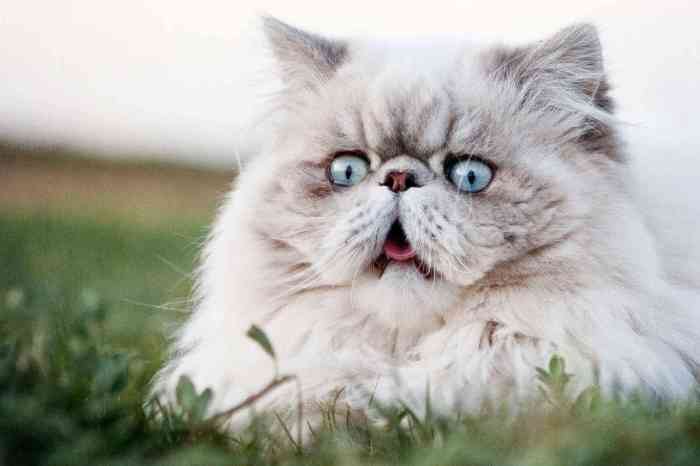
The Persian cat is a breed steeped in history and renowned for its luxurious appearance and gentle demeanor. Originating in Persia (modern-day Iran), these cats were first introduced to Europe in the 17th century and quickly gained popularity among royalty and nobility.There are several variations of Persian cats. Show Persians are bred to conform to a strict breed standard, emphasizing a round face, short nose, and long, flowing coat.
Himalayan Persians have blue eyes and colorpoint markings, similar to those of Siamese cats. Exotic Shorthairs are essentially Persians with a short, plush coat, making them easier to groom.Grooming is a significant commitment for Persian cat owners. Their long coats require daily brushing to prevent mats and tangles. Regular bathing is also necessary. Persians are also prone to certain health issues, including polycystic kidney disease (PKD) and progressive retinal atrophy (PRA), so choosing a breeder who performs health testing is crucial.Proper brushing technique involves using a stainless steel comb to gently work through the coat, starting at the head and moving towards the tail.
Pay close attention to areas prone to matting, such as behind the ears and under the legs.
Russian Blues: Elegance and Mystery
The Russian Blue is a breed characterized by its striking silver-blue coat, bright emerald green eyes, and elegant build. Their origins are somewhat shrouded in mystery, with legends suggesting they originated in the Archangel Isles of Russia. They were first exhibited in England in the 1870s and quickly gained recognition for their unique appearance and gentle nature.Russian Blues are known for their quiet and gentle temperaments.
They are affectionate with their families but often reserved around strangers. Despite their calm demeanor, they are highly intelligent and trainable, often enjoying interactive games and puzzle toys.Russian Blue kittens are incredibly playful and curious. They have a distinctive “bunny-like” appearance with large, expressive eyes and a soft, plush coat. Their playful behavior often involves chasing toys, exploring new environments, and engaging in gentle wrestling with their siblings.
Their silver-blue coat appears almost shimmering in the light, and their emerald eyes seem to glow with intelligence.
British Shorthair: The Teddy Bear Cat
The British Shorthair is a breed with a long and fascinating history, tracing back to the Roman Empire. Ancient Romans brought their domestic cats to Britain, and these cats interbred with the local feline population, eventually evolving into the breed we know today. The breed gained further refinement in the 19th century through selective breeding programs.The British Shorthair is instantly recognizable by its characteristic round face, plush coat, and sturdy build.
Their coat is typically dense and short, with a wide range of colors and patterns, including blue, cream, black, and tabby.British Shorthairs are known for their calm and affectionate personalities. They are generally laid-back and enjoy spending time with their families, often content to curl up on a lap or snooze in a sunny spot.
“My British Shorthair, Winston, is the most affectionate cat I’ve ever owned. He follows me everywhere and loves to cuddle. He’s also incredibly patient with my children.” – Sarah M.
“We adopted our British Shorthair, Penelope, as a kitten, and she’s been a constant source of comfort and joy. She’s so calm and gentle, and she always knows how to make us smile.” – John B.
Peterbald: The Hairless Wonder
The Peterbald is a relatively new breed, originating in Russia in the 1990s. It was created by crossing a Donskoy hairless cat with an Oriental Shorthair. The breed is known for its unique hairlessness and the variations in hair coverage that can occur.Peterbalds exhibit three main coat types: hairless (completely without hair), velour (with a downy, velvety coat), and brush (with short, wiry hairs).
The amount of hair a Peterbald possesses can change with the seasons, and some individuals may even experience periods of complete hairlessness.Caring for a Peterbald requires special attention to their skin. They are prone to sunburn and require protection from the elements. Maintaining proper temperature regulation is also important, as they can easily become cold.A Peterbald’s skin texture is remarkably soft and warm to the touch.
The hairless variety has a smooth, almost suede-like feel. Velour Peterbalds have a downy, velvety texture, while brush Peterbalds have a slightly rougher feel due to their wiry hairs. The skin is often adorned with wrinkles and folds, particularly around the face and neck, giving them a unique and expressive appearance.
Factors Influencing Price Beyond Breed
While breed is a primary factor in determining a cat’s price, several other elements can significantly impact the final cost. A breeder’s reputation and pedigree play a crucial role. Established breeders with a history of producing healthy, well-socialized kittens can command higher prices.Health testing and genetic screening are essential for responsible breeding practices and contribute to the overall cost. Reputable breeders invest in testing their cats for hereditary diseases, ensuring that their kittens are less likely to develop these conditions.Location and demand also affect pricing.
Cats from areas with high demand and limited supply tend to be more expensive.Here’s a list of potential hidden costs associated with owning an expensive breed:
- Specialized food: High-quality, breed-specific diets can be more expensive than standard cat food.
- Vet care: Regular checkups and preventative care are essential, and some breeds are prone to specific health issues that may require ongoing treatment.
- Grooming: Certain breeds, like Persians, require professional grooming to maintain their coat’s health and appearance.
- Enrichment: Providing adequate enrichment, such as toys, climbing structures, and interactive play sessions, can add to the overall cost.
- Insurance: Pet insurance can help cover unexpected veterinary expenses.
Conclusive Thoughts
From the designer controversy surrounding the Ashera to the captivating wildness of the Savannah and the timeless charm of the Persian, we’ve explored a fascinating spectrum of expensive cat breeds. Understanding the factors that influence their price – breeder expertise, health guarantees, and even geographic demand – provides a deeper appreciation for these exceptional animals. Owning one of these breeds is a significant investment, requiring dedication and specialized care, but the reward is a truly unique and extraordinary companion.
Ultimately, the cost reflects not just a cat, but a legacy of breeding, a commitment to health, and a touch of luxury. Whether you’re a seasoned cat enthusiast or simply curious about the world of high-end felines, we hope this exploration has been enlightening and perhaps even a little inspiring!
FAQ
Why are some cat breeds so expensive?
It’s a combination of factors! Rarity, the breeder’s reputation and breeding program, extensive health testing and genetic screening, and even the demand in a specific region all play a role in the price.
Do expensive cats have better personalities?
Not necessarily! While reputable breeders focus on temperament, personality is still largely individual. Expensive breeds often have specific traits, but a loving environment is key to a happy cat, regardless of price.
What kind of health guarantees should I expect when buying an expensive cat?
Look for breeders who offer health guarantees covering genetic conditions and congenital defects. A reputable breeder will be transparent about potential health concerns and provide documentation of health testing for the parents.
Are there any ethical concerns about breeding expensive cat breeds?
Yes, there can be. Some breeds, like the Ashera, have raised ethical questions about their origins and breeding practices. It’s crucial to research breeders thoroughly and ensure they prioritize the health and welfare of their cats.
What are the ongoing costs of owning an expensive breed?
Beyond the initial purchase price, expect higher costs for specialized food, regular vet checkups (including breed-specific screenings), and potentially professional grooming. Enrichment and specialized enclosures (especially for Savannahs) can also add to the expense.
Can I register my expensive cat with a pedigree?
Yes, most reputable breeders will provide registration papers from a recognized cat registry (like TICA or CFA). This verifies the cat’s lineage and pedigree.

