Finding the Perfect German Cat Names A Comprehensive Guide

Choosing a name for your feline friend is a big decision! It’s more than just a label; it’s a reflection of their personality and a connection you’ll share for years to come. In Germany, names hold a special significance, steeped in history and tradition. From ancient folklore to regional dialects, German naming conventions offer a wealth of unique and charming options for your cat.
This guide explores the fascinating world of German cat names, diving into popular choices, historical influences, and even some quirky inspirations you might not have considered.
We’ll journey through traditional names, explore the impact of German mythology and cuisine, and even learn how to craft your own unique names by combining German words. Whether you’re seeking a regal moniker or a playful nickname, we’ll equip you with the knowledge to find the purrfect fit for your beloved companion.
Introduction to German Cat Names
Choosing a name for a beloved pet is a deeply personal decision, and in Germany, it’s a tradition steeped in cultural significance. More than just a label, a cat’s name often reflects personality, history, or a connection to German heritage. Germans take great care in selecting names that are both meaningful and pleasing to the ear. This article explores the fascinating world of German cat names, from their historical roots to modern trends, offering a comprehensive guide for anyone seeking the perfect moniker for their feline companion.The practice of naming pets in Germany has evolved over centuries, influenced by a blend of Germanic tribal customs, folklore, and evolving linguistic trends.
Early Germanic tribes often named animals after qualities they admired – strength, agility, or beauty. These names frequently drew from nature, reflecting a close connection to the land. Later, folklore and mythology played a significant role, with names of legendary figures and creatures finding their way into common usage. Today, while traditional names remain popular, there’s also a growing trend towards modern, creative, and even humorous names, reflecting the diverse personalities of our feline friends.
Generally, German cat names tend to be straightforward, pronounceable, and often carry a sense of dignity or charm.
Popular Male German Cat Names
Selecting a name for a male cat involves considering its personality and desired image. Do you want a name that conveys strength, playfulness, or perhaps a touch of regal elegance? German offers a wealth of options, many with rich historical and cultural significance. Here’s a list of 20 commonly used male cat names, along with their meanings and origins.
Popularity rankings are approximate, based on anecdotal evidence and online forums.
| Name | Meaning | Origin |
|---|---|---|
| Bodo | “Battle” or “Warrior” | Old Germanic |
| Bruno | “Brown” | Germanic |
| Caspar | “Treasure” | Persian (via German) |
| Fritz | Short form of Friedrich, meaning “peaceful ruler” | Germanic |
| Gustav | “Staff of the Gods” | Germanic/Scandinavian |
| Hansi | Short form of Johannes, meaning “God is gracious” | Germanic |
| Klaus | “Victory of the People” | Germanic |
| Leo | “Lion” | Latin (widely used in German) |
| Loki | Norse God of Mischief | Norse Mythology |
| Max | “Greatest” | Latin (widely used in German) |
| Moritz | “Dark-Skinned” or “Moorish” | Germanic/Latin |
| Otto | “Wealth” or “Prosperity” | Germanic |
| Paul | “Small” or “Humble” | Latin (widely used in German) |
| Rudi | Short form of Rudolf, meaning “famous wolf” | Germanic |
| Theo | “God’s Gift” | Greek (widely used in German) |
| Timo | “Honoring God” | Aramaic (via German) |
| Walter | “Powerful Warrior” | Germanic |
| Wilhelm | “Resolute Protector” | Germanic |
| Wolf | “Wolf” | Germanic |
| Yannick | “Graceful” | Germanic/French |
These names often evoke a sense of strength and reliability. For instance, “Bodo” suggests a courageous and steadfast character, while “Fritz” carries a charming, traditional feel. Consider “Leo,” a popular choice, drawing parallels to the king of the jungle – a fitting name for a confident and commanding cat. Historically, names like “Wilhelm” were common among German nobility, lending a regal air to any feline bearing the name.
Popular Female German Cat Names
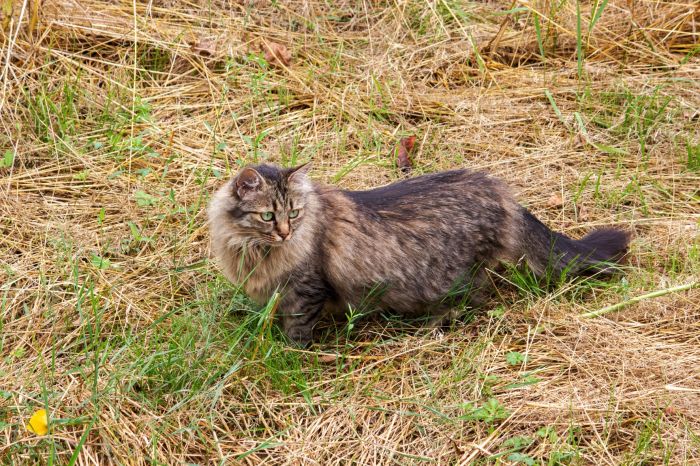
Source: animalofthings.com
Just as with male names, choosing a name for a female cat in Germany involves considering personality and desired connotations. German offers a beautiful array of options, often reflecting qualities like grace, beauty, and intelligence. Here’s a list of 20 commonly used female cat names, along with their meanings and origins.
| Name | Meaning | Origin |
|---|---|---|
| Adelheid | “Noble Kind” | Germanic |
| Alma | “Soul” | Germanic |
| Anneliese | “Graceful Graces” | Germanic |
| Berta | “Bright” or “Illustrious” | Germanic |
| Clara | “Bright” or “Clear” | Latin (widely used in German) |
| Ella | “All” or “Fairy” | Germanic |
| Greta | Short form of Margarete, meaning “pearl” | Germanic |
| Hildegard | “Battle-Guardian” | Germanic |
| Ida | “Industrious” or “Prosperous” | Germanic |
| Ingrid | “Beautiful Goddess” | Germanic/Norse |
| Klara | “Bright” or “Clear” | Latin (widely used in German) |
| Liesel | Short form of Elisabeth, meaning “pledged to God” | Germanic |
| Luise | “Famous Warrior” | Germanic/French |
| Mathilda | “Mighty in Battle” | Germanic |
| Mia | Short form of Maria, meaning “bitter” or “beloved” | Hebrew (widely used in German) |
| Rosa | “Rose” | Latin (widely used in German) |
| Sophie | “Wisdom” | Greek (widely used in German) |
| Theresa | “Harvester” | Greek (widely used in German) |
| Wilma | “Resolute Protector” | Germanic |
| Zoe | “Life” | Greek (widely used in German) |
These names often evoke a sense of beauty and elegance. “Rosa,” meaning “rose,” is a classic choice, symbolizing grace and charm. “Hildegard,” with its historical connection to a renowned German mystic, suggests intelligence and strength. Regional preferences can vary; for example, names like “Wilma” might be more common in northern Germany, while “Rosa” enjoys widespread popularity.
Names Inspired by German Folklore & Mythology
German folklore is rich with captivating figures and creatures, offering a unique source of inspiration for cat names. These names often carry symbolic weight and a touch of mystique.
- Lorelei: A siren-like figure who lured sailors to their doom with her enchanting song. A fitting name for a captivating and alluring cat.
- Gretel: From the fairy tale “Hansel and Gretel,” representing cleverness and resilience.
- Brunhilde: A Valkyrie from Norse mythology, symbolizing strength and courage.
- Fafnir: A dragon from Norse mythology, guarding a hoard of treasure. Suitable for a protective and territorial cat.
- Waldgeist: “Forest Spirit” in German, evoking a sense of mystery and connection to nature.
- Knud: A legendary king known for his wisdom and justice.
- Elfe: Meaning “elf,” representing magic and enchantment.
- Rübezahl: A mountain spirit from Silesia, known for his trickery and wisdom.
- Nix: A water spirit, often depicted as mischievous and alluring.
- Donner: Meaning “thunder,” representing power and energy.
Adapting these names for feline companions often involves shortening or modifying them. For example, “Brunhilde” could become “Bruni,” and “Waldgeist” could become “Waldi.”
Folklore is deeply ingrained in German culture, serving as a repository of traditions, beliefs, and values. Naming practices often reflect this connection, with names drawn from folklore carrying a sense of heritage and cultural identity. These names are not merely labels; they are echoes of stories passed down through generations.
Epilogue
From the strong resonance of names rooted in Germanic heritage to the delightful whimsy of food-inspired choices, the world of German cat names is rich and varied. We’ve uncovered a treasure trove of options, providing insights into their meanings, origins, and cultural significance. Ultimately, the best name is one that resonates with you and captures the essence of your cat’s unique personality.
So, embrace the German spirit and give your furry friend a name they’ll proudly wear!
With this guide, you’re well-equipped to navigate the nuances of German naming traditions and select a name that’s both meaningful and memorable. Happy naming!
FAQ Section
Why are German names for cats less common?
While not as widely used as English names, German names offer a unique charm and a connection to a rich cultural heritage. Their relative rarity can make your cat’s name even more special and distinctive.
Can I use a German name even if I don’t speak German?
Absolutely! Many German names are pronounceable and aesthetically pleasing even for non-German speakers. We’ve included pronunciation guides to help you get it right.
Are there any German names that are considered unlucky?
Like many cultures, Germany has some names associated with negative connotations. We’ve focused on positive and widely accepted names in this guide, but it’s always a good idea to research any name thoroughly before choosing it.
How do I adapt a German folklore name for a cat?
Often, shortening the name or using a more familiar variation works well. For example, “Brunhilde” could become “Bruni” or “Hilde.”
What’s the best way to combine German words to create a unique name?
Start with two words that evoke the qualities you want your cat to embody. Ensure the combination is pronounceable and sounds pleasing. A little experimentation can go a long way!
Do German names have different meanings in different regions?
Yes, regional dialects and variations can influence the meaning and perception of certain names. While we’ve provided general meanings, it’s worth noting that nuances can exist.
How important is pronunciation when choosing a German cat name?
Accurate pronunciation shows respect for the language and culture. It also helps your cat learn to respond to their name more effectively. Our pronunciation guides are here to help!
