The Himalayan cat, a stunning blend of Persian and Siamese heritage, is known for its luxurious long coat, striking blue eyes, and sweet, gentle personality. But owning one of these beauties isn’t just about the cuddles; it’s a significant investment. This guide dives deep into the world of Himalayan cat prices, exploring everything from initial purchase costs to ongoing expenses, so you can be fully prepared to welcome this magnificent breed into your home.
We’ll break down the factors that influence price, compare costs across different regions, and discuss the importance of choosing a reputable breeder or considering adoption. Plus, we’ll cover potential health concerns and the long-term financial commitment involved in providing a happy and healthy life for your Himalayan companion.
Understanding Himalayan Cat Prices: A Comprehensive Guide
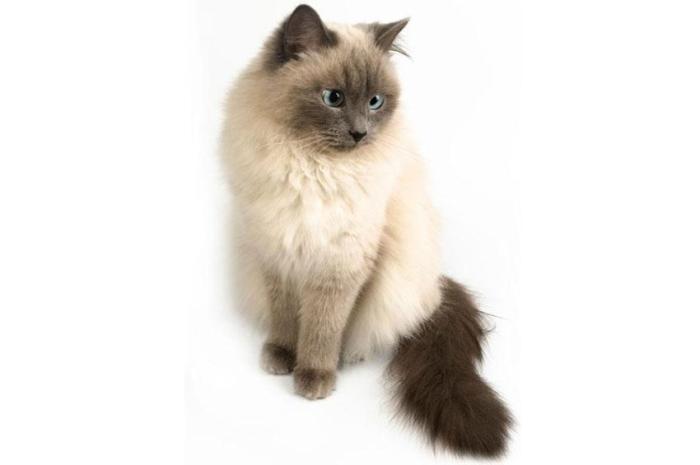
Source: catbreedselector.com
Bringing a Himalayan cat into your life is a wonderful decision! These fluffy, sweet-faced companions are undeniably charming. However, understanding the costs involved – both upfront and ongoing – is crucial. This guide breaks down everything you need to know about Himalayan cat prices, from kitten costs to long-term ownership expenses, helping you make an informed choice and prepare for a happy, healthy life with your new feline friend.
1. Introduction to Himalayan Cats
The Himalayan cat is a relatively recent breed, a beautiful blend of Persian and Siamese heritage. Developed in the 1950s in the United States, breeders aimed to combine the Persian’s luxurious coat with the Siamese’s striking color points. The breed’s name reflects its resemblance to the Himalayan snow leopards, known for their distinctive markings. Himalayans are recognized by most major cat registries, including the Cat Fanciers’ Association (CFA).Physically, Himalayan cats are known for their long, flowing coats, similar to Persians, but with the color-pointing characteristic of Siamese cats.
This means their bodies are typically lighter in color, with darker “points” on their face, ears, paws, and tail. Coat colors vary widely, including seal point (dark brown), blue point (slate gray), lilac point (pale gray-pink), chocolate point, and more. Their eyes are a captivating blue, a defining feature of the breed. They have a medium-sized, sturdy body with a round face and a short, snub nose.Himalayans are generally known for their gentle and affectionate personalities.
They are often described as being sweet, docile, and playful. While they enjoy cuddling and attention, they’re not overly demanding and can be content to entertain themselves. They tend to be quieter than some other breeds, making them good companions for apartment living.
| Feature | Himalayan | Persian |
|---|---|---|
| Coat Length | Long, flowing | Long, flowing |
| Coloration | Color-pointed (darker face, ears, paws, tail) | Solid colors, bi-colors, tabby patterns |
| Eye Color | Blue | Various colors, often copper or green |
| Temperament | Gentle, affectionate, playful | Gentle, affectionate, can be more reserved |
2. Factors Influencing Price
The price of a Himalayan kitten isn’t a fixed number. Several factors contribute to the overall cost, and understanding these can help you navigate the market.A breeder’s reputation and pedigree play a significant role. Established breeders with a history of producing healthy, well-socialized kittens often charge more. Kittens with champion bloodlines or those from award-winning cats will command a higher price.
Pedigree documentation is essential to verify lineage.Geographic location also impacts pricing. Areas with a higher demand for Himalayan cats and fewer breeders tend to have higher prices. For example, you might find higher prices on the East Coast compared to some areas of the Midwest. Transportation costs can also add to the final price if you’re purchasing a kitten from a breeder located far away.Coat color and pattern rarity are another key determinant.
Seal point and blue point Himalayans are generally more common and therefore less expensive. Rarer colors, such as chocolate point or flame point, can significantly increase the price. Kittens with unique markings or patterns may also be priced higher.Beyond the initial purchase price, it’s important to factor in ongoing costs. Owning a Himalayan cat is a commitment, and there are several expenses to consider.
- Food: High-quality cat food, especially formulated for long-haired breeds, can be expensive.
- Vet Care: Regular checkups, vaccinations, and potential treatments for breed-specific health issues.
- Grooming: Professional grooming or frequent at-home grooming to prevent mats and tangles.
- Litter: High-quality litter, often clumping, is necessary for hygiene.
- Toys & Enrichment: To keep your Himalayan entertained and stimulated.
- Pet Insurance: A worthwhile investment to help cover unexpected veterinary bills.
3. Price Ranges
Kitten Costs
Himalayan kitten prices vary considerably based on quality. “Pet quality” kittens are those suitable as loving companions but may have minor cosmetic imperfections that prevent them from being shown. “Show quality” kittens meet the breed standard and are eligible for competition. “Breeding quality” kittens have exceptional genetics and are suitable for breeding programs.Male and female Himalayan kittens often have slightly different price points.
Generally, male kittens tend to be a bit more expensive than females, although this can vary depending on the breeder and the specific lineage.Age also influences pricing. Younger kittens (8 weeks old) are typically less expensive than older kittens (12 weeks old). This is because older kittens have had more time for socialization and development, and breeders may have invested more in their care.
| Quality | Price Range | Description |
|---|---|---|
| Pet Quality | $800 – $2,000 | Suitable as a loving companion; may have minor cosmetic imperfections. |
| Show Quality | $2,000 – $4,000+ | Meets breed standard; eligible for cat shows. |
| Breeding Quality | $3,500 – $6,000+ | Exceptional genetics; suitable for breeding programs. |
4. Price Ranges
Adult Cat Costs
Adult Himalayan cats are often less expensive than kittens. This is primarily because breeders are eager to find homes for them and may be willing to lower the price to facilitate adoption. Adult cats also have established personalities, allowing potential owners to know what they’re getting.Adopting an adult Himalayan from a rescue organization or shelter is typically the most affordable option.
Adoption fees generally range from $100 to $300, and often include initial vaccinations and spaying/neutering.An adult cat’s health and history significantly influence its price. Cats that have been spayed/neutered, vaccinated, and are in good health will generally command a higher price than those with unknown medical histories.Here are some examples of situations where an adult Himalayan cat might fetch a higher price:
- Exceptional Lineage: A cat with a documented pedigree and champion ancestors.
- Rare Color: An adult cat with a less common coat color.
- Well-Socialized: A cat that is friendly, affectionate, and comfortable around people.
- Trained: A cat that is litter-box trained and has basic obedience skills.
5. Breeder Costs vs. Rescue/Shelter Adoption
Choosing between purchasing a kitten from a breeder and adopting an adult cat from a rescue or shelter is a personal decision. Each option has its own advantages and disadvantages.Purchasing from a breeder offers the advantage of knowing the kitten’s history and lineage. Reputable breeders prioritize health and socialization, providing kittens with a strong foundation. Adoption, on the other hand, provides a loving home for a cat in need and is often more affordable.Reputable Himalayan breeders typically offer health testing for genetic conditions like polycystic kidney disease (PKD) and progressive retinal atrophy (PRA).
They also provide vaccinations, deworming, and early socialization. They often offer a health guarantee, ensuring the kitten is free from certain genetic defects.The adoption process for Himalayan cats from rescue organizations and shelters varies. Typically, you’ll need to fill out an application, undergo a screening process, and pay an adoption fee. Shelters often provide some initial veterinary care.
| Cost | Health Guarantees | Socialization | Breeder/Rescue |
|---|---|---|---|
| $800 – $6,000+ | Often extensive health testing and guarantees | Early socialization and handling | Reputable breeder |
| $100 – $300 | May have some initial vet care, but limited guarantees | Varies; may require patience and adjustment | Rescue organization or shelter |
6. Geographic Price Variations
The cost of Himalayan cats varies significantly across different states in the US. States with a higher demand and fewer breeders, such as California and New York, tend to have higher prices. States with a larger number of breeders and a lower demand, such as some Midwestern states, may offer more affordable options.Regional price differences are influenced by factors such as breeder density, demand, and transportation costs.
The cost of living in a particular area can also play a role.Here are some examples of cities or states where Himalayan cats are generally more or less expensive:
- More Expensive: California, New York, Florida
- Less Expensive: Ohio, Indiana, Illinois
Imagine a map of the United States. The map uses a color-coded system to represent approximate price ranges. Dark blue indicates prices above $4,000, light blue represents $3,000 – $4,000, green signifies $2,000 – $3,000, yellow shows $1,500 – $2,000, and light yellow represents prices below $1,500. The West Coast and Northeast are predominantly dark and light blue, while the Midwest is largely green and yellow.
7. Health Considerations and Costs
Himalayan cats are predisposed to certain health issues, including polycystic kidney disease (PKD), a genetic condition that can lead to kidney failure, and progressive retinal atrophy (PRA), a degenerative eye disease that can cause blindness. Other potential health concerns include breathing difficulties due to their brachycephalic (short-nosed) facial structure and hypertrophic cardiomyopathy (HCM), a heart condition.Genetic testing and health screenings can impact the initial purchase price.
Reputable breeders will conduct these tests to minimize the risk of passing on genetic diseases to their kittens.Ongoing veterinary costs associated with owning a Himalayan cat include preventative care (annual checkups, vaccinations), parasite prevention, and potential treatments for breed-specific health issues. Grooming costs are also significant due to their long fur.
“We were so excited to bring our Himalayan, Luna, home, but we were hit with unexpected vet bills when she was diagnosed with PKD. It was a difficult experience, but we’re committed to providing her with the best possible care.”
Sarah M., Himalayan Cat Owner
8. Financing Options & Payment Plans
Some breeders offer payment plans for Himalayan kittens, allowing you to spread the cost over several months. This can make purchasing a kitten more manageable.Potential financing options for pet purchases include pet loans and credit cards. However, it’s important to compare interest rates and fees before committing to a loan or credit card.Carefully reading the breeder contract is crucial before committing to a purchase.
The contract should Artikel the breeder’s responsibilities, the buyer’s responsibilities, and any health guarantees.Here’s a checklist of essential contract terms to review:
- Health Guarantee: Details of the breeder’s health guarantee.
- Return Policy: What happens if you need to return the kitten.
- Vaccination Records: Confirmation of vaccinations received.
- Spay/Neuter Agreement: If applicable.
- Breeder Contact Information: Accurate contact details for the breeder.
9. What to Look for in a Reputable Breeder
Visiting a breeder’s cattery before purchasing a kitten is essential. This allows you to observe the living conditions of the cats and interact with the breeder.Red flags to watch out for include unsanitary conditions, reluctance to answer questions, a large number of cats in a small space, and kittens being sold at a very low price.Seeking referrals from veterinarians or Himalayan cat organizations can help you find a reputable breeder.
These professionals can provide valuable insights and recommendations.
| Positive Signs | Red Flags |
|---|---|
| Clean and spacious cattery | Unsanitary conditions |
| Willingness to answer questions | Reluctance to answer questions |
| Health testing records available | No health testing performed |
| Kittens are well-socialized | Kittens are shy or fearful |
10. Long-Term Cost of Ownership
Beyond the initial purchase price, owning a Himalayan cat involves ongoing expenses. These include food, litter, toys, grooming, and veterinary care.Specialized grooming is often necessary for Himalayan cats due to their long fur. Regular brushing is essential to prevent mats and tangles, and professional grooming may be required every few months.Pet insurance is a worthwhile investment to help cover unexpected veterinary bills.
It can provide peace of mind and protect you from significant financial burdens.Here’s a sample monthly budget for owning a Himalayan cat:
- Food: $50 – $100
- Litter: $30 – $50
- Grooming: $20 – $100 (depending on frequency of professional grooming)
- Toys & Enrichment: $10 – $30
- Vet Care (Preventative): $20 – $50 (averaged over the year)
- Pet Insurance: $30 – $60
Closing Notes
From the initial price tag of a kitten to the ongoing costs of grooming, vet care, and quality food, owning a Himalayan cat is a rewarding but financially responsible decision. Understanding these costs upfront allows you to budget effectively and ensure you can provide the best possible care for your furry friend. Whether you choose to purchase from a breeder or adopt from a rescue, the love and companionship a Himalayan brings are truly priceless.
Ultimately, researching breeders, understanding potential health issues, and planning for long-term expenses will ensure a fulfilling and financially sound journey with your Himalayan cat.
Answers to Common Questions
What’s the average price range for a Himalayan kitten?
Generally, you can expect to pay between $1,500 and $3,500 for a Himalayan kitten, though prices can vary significantly based on quality and breeder reputation.
Why are adult Himalayan cats often cheaper than kittens?
Adult cats are often less expensive because they’re past the “kitten” demand, and shelters/rescues often have adoption fees that are lower than breeder prices.
Do male or female Himalayan kittens cost more?
Typically, male Himalayan kittens are slightly more expensive than females, often due to higher demand for breeding purposes.
What are some hidden costs of Himalayan cat ownership?
Beyond the initial purchase, factor in costs like high-quality food, regular vet checkups, specialized grooming (their long fur requires it!), litter, toys, and potential pet insurance.
What does “pet quality” mean when buying a Himalayan kitten?
A “pet quality” kitten is suitable as a loving companion but doesn’t meet the breed standard for showing or breeding.
How can I find a reputable Himalayan cat breeder?
Look for breeders who health test their cats, offer health guarantees, allow you to visit their cattery, and are knowledgeable about the breed.
Is it possible to adopt an adult Himalayan cat?
Yes! Many rescue organizations and shelters have Himalayan cats or Himalayan mixes available for adoption. This is a wonderful way to give a deserving cat a loving home.
What are some common health problems in Himalayan cats?
Himalayans are prone to polycystic kidney disease (PKD), progressive retinal atrophy (PRA), and breathing difficulties due to their brachycephalic (flat-faced) features.

