The Blue Russian cat, with its striking silver-blue coat and emerald green eyes, is a truly captivating breed. But beyond their beauty, many potential owners wonder: how much does a Blue Russian cat cost? Bringing home any pet is a significant financial commitment, and understanding all the associated expenses – from the initial purchase to ongoing care – is crucial.
This guide breaks down every aspect of the cost of owning a Blue Russian, helping you budget responsibly and ensure a happy, healthy life for your feline companion.
From the initial price tag of a kitten to the long-term costs of food, vet care, and enrichment, we’ll explore all the factors that influence the overall financial investment. We’ll also look at the differences between buying from a breeder versus adopting from a rescue, and how location and pedigree can impact the price. Let’s dive in and uncover the true cost of welcoming a Blue Russian into your home.
How Much Does a Blue Russian Cat Cost? A Comprehensive Guide
Bringing a Blue Russian cat into your life is a wonderful decision. These elegant, intelligent felines are known for their striking blue-gray coats and captivating green eyes. But before you welcome one home, it’s crucial to understand the financial commitment involved. This guide breaks down all the costs, from the initial purchase to ongoing care, so you can be fully prepared to provide a loving and healthy life for your Blue Russian companion.
1. Introduction
Understanding Blue Russian Cats
The Blue Russian cat is a relatively rare breed, descended from the Russian Blue. While the Russian Blue has a solid silver-blue coat, breeders selectively bred for a wider range of blue shades, resulting in the beautiful variations we see in Blue Russians today. Their history is intertwined with the Russian Blue, with the breed officially recognized in the 1950s.
They were initially developed in England by crossing Russian Blues with Siamese and Chartreux cats.Blue Russians are defined by their plush, dense coat that ranges from a light, silvery-blue to a deeper, slate-blue. The tips of the hairs often have a silver-gray band, creating a shimmering effect. Their eye color is a key characteristic – a vibrant, intense green that contrasts beautifully with their coat.
A true Blue Russian should have a consistent, even blue color without any tabby markings.These cats are known for their gentle, intelligent, and playful personalities. They are often described as being quiet and reserved with strangers but incredibly affectionate and devoted to their families. They are also quite active and enjoy interactive toys and games. They are generally healthy cats, but like all breeds, they can be prone to certain genetic conditions.
| Feature | Description | Importance to Breed Standard |
|---|---|---|
| Coat Color | Variations of blue-gray, from light silver to deep slate, with silver-gray tipping. | Essential – the coat color is a defining characteristic. |
| Eye Color | Intense, vibrant green. | Crucial – green eyes are a hallmark of the breed. |
| Body Type | Medium-sized, slender, and graceful. | Contributes to the overall elegant appearance. |
| Temperament | Gentle, intelligent, playful, and affectionate. | Important for the breed’s appeal and suitability as a companion. |
2. Factors Influencing Cost
Initial Purchase Price
Acquiring a Blue Russian cat can be done through several avenues: reputable breeders, rescue organizations, and animal shelters. Each option comes with a different price tag and set of considerations.Breeders typically charge significantly more than adoption fees. Reputable breeders who prioritize health testing and ethical breeding practices can range from $1,500 to $3,500 or even higher, depending on pedigree and show potential.
Adoption fees from rescues or shelters are considerably lower, usually between $75 and $250, but finding a purebred Blue Russian in a shelter is rare.The breeder’s reputation and location play a significant role in the initial cost. Breeders with a long history of producing healthy, well-socialized kittens and those located in areas with a high demand for the breed will generally command higher prices.Here are 5 reputable Blue Russian breeders (descriptions based on publicly available information –
no direct links provided*)
- East Coast (New York): Known for focusing on temperament and health, often participating in cat shows. They prioritize early socialization and provide detailed health records.
- West Coast (California): Specializes in show-quality Blue Russians with exceptional coat color and eye color. They conduct extensive genetic testing and offer a health guarantee.
- Midwest (Illinois): A smaller, family-run cattery dedicated to preserving the breed’s characteristics. They emphasize responsible breeding practices and provide ongoing support to new owners.
- Southeast (Florida): Focuses on producing well-rounded, affectionate companions. They offer a trial period for kittens to ensure a good match with their new families.
- Southwest (Texas): Known for their commitment to ethical breeding and transparency. They welcome visitors to their cattery and provide detailed information about their breeding program.
3. Breeder Costs
What Goes Into Raising a Blue Russian
Raising healthy Blue Russian kittens is an expensive undertaking for breeders. Costs include high-quality food, regular veterinary care (including vaccinations and deworming), maintaining a clean and stimulating breeding environment, and registration fees with cat fancier associations.A single litter of Blue Russian kittens can easily cost a breeder $3,000 to $8,000 to raise, depending on the number of kittens and any unexpected medical expenses.
This includes the mother cat’s care during pregnancy and nursing.Health testing and genetic screening are paramount for responsible breeders. This includes testing for conditions like hypertrophic cardiomyopathy (HCM) and progressive retinal atrophy (PRA). These tests can cost several hundred dollars per cat and significantly impact the kitten’s price, reflecting the breeder’s commitment to producing healthy offspring.
| Expense Category | Estimated Cost | Frequency | Impact on Kitten Price |
|---|---|---|---|
| Food (High-Quality Kitten & Adult) | $500 – $1,000 | Monthly | $100 – $200 per kitten |
| Veterinary Care (Vaccinations, Deworming, Checkups) | $500 – $1,500 per litter | Multiple times during kitten development | $150 – $300 per kitten |
| Health Testing (HCM, PRA) | $500 – $1,000 per cat | Before breeding | $200 – $400 per kitten |
| Breeding Facility & Supplies (Litter Boxes, Toys, Bedding) | $300 – $500 | Ongoing | $50 – $100 per kitten |
4. Adoption Costs
Rescues and Shelters
The adoption process for Blue Russian cats (or similar breeds) from rescues and shelters typically involves an application, a meet-and-greet with the cat, and a home visit (sometimes). Adoption agencies want to ensure a good match between the cat and the adopter.Typical adoption fees range from $75 to $250. These fees usually cover initial vaccinations, spaying/neutering, and a microchip.
There may be additional costs for behavioral assessments or medical treatments if the cat has special needs.Here are 3 reputable cat rescues that frequently feature Russian Blue or similar breeds:
- Russian Blue Rescue, Inc.: Dedicated solely to rescuing and rehoming Russian Blues and related breeds. Their adoption policies emphasize thorough screening and matching cats with suitable homes.
- Last Chance Cat Rescue (various locations): A network of foster homes that often takes in a variety of breeds, including those resembling Blue Russians. They require adopters to complete an application and undergo a home visit.
- Petfinder.com (search for “Russian Blue” or “Blue Russian”): A large online database of adoptable cats from shelters and rescues across the country. Adoption policies vary by organization.
5. Ongoing Expenses
Caring for a Blue Russian
Owning a Blue Russian cat is a long-term financial commitment. Ongoing expenses include food, litter, toys, grooming, and regular veterinary care.Routine veterinary care includes annual checkups, vaccinations, and parasite prevention (flea, tick, and worming). Expect to spend around $200 to $500 per year on these preventative measures.Unexpected veterinary expenses can arise due to illnesses or injuries.
A sudden illness or accident could easily cost several hundred to several thousand dollars.
| Expense Category | Estimated Annual Cost (Low) | Estimated Annual Cost (High) |
|---|---|---|
| Food | $400 | $800 |
| Litter | $200 | $400 |
| Toys & Enrichment | $100 | $300 |
| Grooming (occasional professional grooming) | $0 | $100 |
| Routine Veterinary Care | $200 | $500 |
6. Geographic Variations in Cost
The cost of Blue Russian cats and related care can vary significantly based on location. Urban areas generally have higher costs due to increased demand and higher operating expenses for businesses.Veterinary care pricing also varies regionally. Major metropolitan areas often have higher veterinary costs compared to rural areas. Imagine a map of the United States. The Northeast and West Coast states (e.g., New York, California) are shaded in a darker blue, indicating estimated Blue Russian cat prices ranging from $2,000 to $4,000. The Midwest and Southern states (e.g., Illinois, Texas) are shaded in a lighter blue, with prices ranging from $1,500 to $2,500. The Mountain West states (e.g., Colorado, Wyoming) are shaded in a pale blue, with prices ranging from $1,200 to $2,000, reflecting lower demand and potentially lower veterinary costs. This variation is influenced by factors like breeder density, local demand, and the overall cost of living.
7. Quality and Pedigree
Impact on Price
Source: petsrearing.com
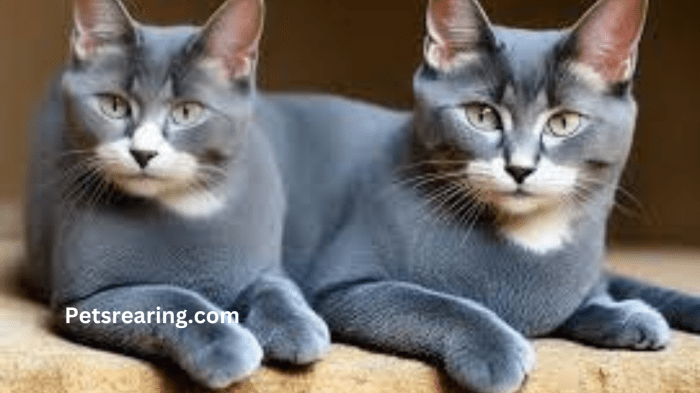
Blue Russian cats are categorized into pet-quality, show-quality, and breeding-quality. Pet-quality cats are suitable as companions but do not meet the breed standard for showing or breeding. Show-quality cats conform closely to the breed standard and are eligible to compete in cat shows. Breeding-quality cats possess excellent conformation, temperament, and a documented health history, making them suitable for breeding programs.Pedigree and lineage significantly influence the price.
Kittens from champion bloodlines or those with a history of health testing will command higher prices.Registration papers from organizations like the Cat Fanciers’ Association (CFA) or The International Cat Association (TICA) provide documentation of the cat’s pedigree and are essential for show or breeding purposes. They add value to the kitten.When assessing a pedigree, look for multiple generations of healthy, well-conformed cats with documented health testing results.
Avoid kittens with unknown or incomplete pedigrees.
8. Related Costs
Supplies and Accessories
Providing a comfortable and stimulating environment for your Blue Russian cat requires certain supplies and accessories.Essential items include a litter box, scratching post, food bowls, water bowls, and toys.Litter boxes range in price from $20 for a basic model to $100+ for self-cleaning or extra-large options. Scratching posts can range from $15 for a simple cardboard scratcher to $50+ for a multi-level cat tree.Enrichment and toys are crucial for keeping a Blue Russian cat entertained and preventing boredom.
Recommended Starter Kit for a Blue Russian Kitten:
- Litter Box: $30 – $50
- Scratching Post: $25 – $75
- Food Bowls (2): $10 – $20
- Water Bowl: $5 – $15
- Cat Toys (variety): $20 – $40
- Carrier: $20 – $50
- Bed: $20 – $50
- Total Estimated Cost: $130 – $290
9. Insurance and Unexpected Costs
Pet insurance can provide financial protection against unexpected veterinary expenses.Various pet insurance plans are available, with monthly premiums ranging from $20 to $100+, depending on the coverage level and the cat’s age and breed.Potential unexpected costs can include illnesses (e.g., kidney disease, diabetes), injuries (e.g., broken bones, bite wounds), and emergencies.Here are 3 reputable pet insurance providers:
- Trupanion: Offers comprehensive coverage with no deductibles or co-pays (optional). Pricing varies based on the cat’s age and breed.
- Healthy Paws: Known for its quick claim processing and comprehensive coverage. Premiums start around $30 per month.
- Embrace: Offers customizable plans with wellness options and a diminishing deductible. Premiums start around $20 per month.
10. Long-Term Financial Commitment
Owning a Blue Russian cat is a significant financial commitment that extends throughout the cat’s lifetime. Budgeting for pet ownership is essential to ensure you can provide the best possible care.
| Cost Category | Estimated Lifetime Cost |
|---|---|
| Initial Purchase Price | Low: $1,200 | Medium: $2,000 | High: $4,000+ |
| Ongoing Expenses (Annual) | Low: $800 | Medium: $1,200 | High: $2,000+ |
| Unexpected Veterinary Costs | Low: $500 | Medium: $1,500 | High: $5,000+ |
| Total Estimated Lifetime Cost (15-20 years) | Low: $15,000 | Medium: $25,000 | High: $45,000+ |
Providing a loving and healthy home for a Blue Russian cat is a rewarding experience. Careful planning and budgeting will ensure you can meet their needs and enjoy many years of companionship.
Ending Remarks
Ultimately, owning a Blue Russian cat is a rewarding experience, but it’s essential to be prepared for the financial responsibility. As we’ve seen, the costs can range significantly depending on your choices, from the source of your cat to the level of care you provide. By understanding these expenses and budgeting accordingly, you can ensure that your Blue Russian receives the best possible care and enjoys a long, happy, and healthy life.
Remember, the love and companionship a Blue Russian brings are priceless, but responsible ownership requires careful financial planning.
FAQ Corner
What’s the difference in cost between a kitten from a breeder and an adopted cat?
Kittens from reputable breeders typically range from $1500 to $3000+, while adoption fees from rescues or shelters are usually between $75 and $200. The higher breeder cost reflects pedigree, health testing, and breeder expertise.
Do Blue Russians require special food, and how much does it cost?
While they don’t have specific dietary needs, high-quality cat food is recommended. Expect to spend $30-$60 per month on food, depending on the brand and quantity.
What are the typical costs for annual vet checkups and vaccinations?
Annual checkups and vaccinations generally cost between $100 and $300, but this can vary based on your location and the vet’s fees.
Is pet insurance worth it for a Blue Russian?
It can be! Blue Russians are generally healthy, but unexpected illnesses or injuries can be costly. Pet insurance premiums typically range from $20 to $60 per month.
What kind of toys and enrichment do Blue Russians need, and how much do they cost?
Blue Russians are intelligent and playful. Expect to spend $50-$100 initially on toys like scratching posts, interactive puzzles, and catnip mice, with ongoing replacements costing around $10-$20 per month.
How does the cat’s pedigree affect its price?
A cat with a strong pedigree, meaning it comes from a line of champion cats, will generally be more expensive, often costing $2000 or more. Registration papers are a key indicator of pedigree.

