Seeing your cat in discomfort is never easy, and an ingrown nail can be a surprisingly common source of pain and frustration for feline friends and their owners. Unlike human nails that grow straight out, a cat’s claws have a unique anatomy and growth cycle, making them susceptible to this condition. This guide will walk you through everything you need to know about ingrown cat nails – from recognizing the signs and symptoms to understanding treatment options and, most importantly, how to prevent them in the first place.
We’ll delve into the causes, explore the different stages of severity, and discuss both home care and when a vet visit is essential. Plus, we’ll cover the best tools and techniques for safe and stress-free nail trimming, ensuring your cat stays happy and healthy with well-maintained paws.
Understanding Ingrown Cat Nails
Ingrown nails are a surprisingly common problem in cats, and while they might seem minor, they can quickly become painful and lead to serious infections if left untreated. Unlike human nails that grow straight out, a cat’s claws have a unique structure and growth pattern. Understanding this difference, along with the common causes, is the first step in preventing and addressing ingrown nails.
Anatomy of a Cat’s Claw vs. Human Nails
A cat’s claw isn’t like our fingernails. It’s a more complex structure, part of a specialized sheath of bone and muscle. The claw itself is made of keratin, just like our nails, but it’s housed within a protective covering. When a cat extends its claw, the muscles pull the claw forward. Crucially, the base of the claw, where it connects to the tissue, is more sensitive than our nails, containing a rich supply of nerves and blood vessels – this is the “quick.” Human nails grow from a single root, while a cat’s claw grows from a matrix within the paw, and is partially retractable.
This retraction mechanism, while beneficial for hunting and climbing, can sometimes contribute to ingrown nails if the claw isn’t properly maintained.
Common Causes of Ingrown Nails
Several factors can contribute to a cat developing an ingrown nail. Genetics play a role; some breeds are simply predisposed. Environmental factors, like rough surfaces that can damage the claw, and grooming habits (or lack thereof) are also significant. Improper nail trimming is the most frequent culprit. Cutting the nail too short, especially the quick, can cause the nail to grow back into the paw pad.
Trauma to the paw, such as a scratch or injury, can also disrupt the nail’s growth and lead to ingrown nails. Finally, certain medical conditions affecting nail growth can increase the risk.
Mild Irritation vs. Severe Infection
It’s important to differentiate between a mildly irritated nail and a severely infected one. A mildly irritated nail might show slight redness around the base of the claw, perhaps a little swelling, but the cat likely isn’t showing significant signs of pain. A severely infected ingrown nail, however, will exhibit more pronounced redness, significant swelling, pus discharge, and a foul odor.
The cat will likely be in obvious discomfort, limping, and may avoid putting weight on the affected paw. Prompt veterinary attention is crucial in cases of suspected infection.
Cat Breeds Predisposed to Ingrown Nails
Certain breeds are more prone to ingrown nails due to their paw conformation or claw shape. Persian cats, with their long, thick fur that can obscure the paws and make nail trimming difficult, are frequently affected. Maine Coons, known for their large paws and sometimes oddly shaped claws, can also be susceptible. Siamese cats, while generally healthy, can sometimes have claw growth issues.
Ragdolls, with their docile nature, may not groom themselves as effectively, leading to overgrown nails. The key factor is often the shape and curvature of the claw, making it more likely to curl back into the paw pad.
Recognizing the Signs and Symptoms
Early detection is key to managing ingrown cat nails effectively. The sooner you notice a problem, the easier it will be to treat and prevent complications. Being observant of your cat’s behavior and regularly checking their paws can make a big difference.
Visible Signs of an Ingrown Nail
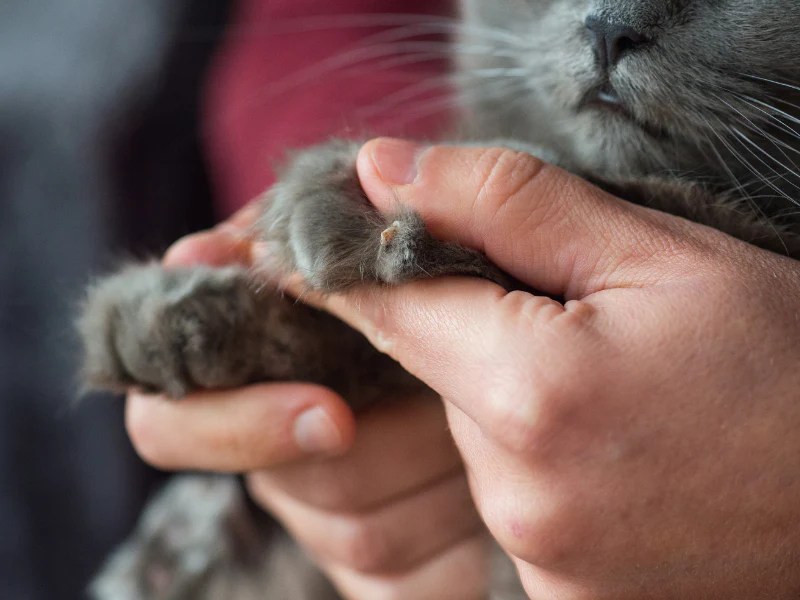
The most obvious signs of an ingrown nail are visible changes around the base of the claw. Look for redness, swelling, and inflammation. The area may be warm to the touch. You might also notice a small amount of discharge, which could be clear or pus-filled if an infection is present. In more advanced cases, the nail itself may be visibly embedded in the paw pad.
Lameness, or a reluctance to put weight on the affected paw, is another important indicator.
Behavioral Changes
Cats are masters of disguise when it comes to pain, but an ingrown nail can often trigger noticeable behavioral changes. A cat experiencing discomfort may hide more than usual, become less playful, and show a decreased appetite. They might lick or chew at the affected paw excessively, which can exacerbate the problem. Increased irritability or aggression, especially when the paw is touched, can also be a sign of pain.
Safely Examining Your Cat’s Paws
To check for ingrown nails, gently handle your cat and examine each paw carefully. Start by gently massaging the paw to relax your cat. Look closely at the base of each claw, noting any redness, swelling, or discharge. Gently press around the claw to check for tenderness. If your cat resists or shows signs of pain, stop and try again later.
Having a second person to help restrain your cat can be beneficial.
Early vs. Late-Stage Symptoms
| Stage | Symptoms ||—|—|| Early Stage | Slight redness around the base of the claw, mild swelling, possible tenderness when touched, cat may lick paw occasionally. || Late Stage | Significant redness and swelling, pus discharge, foul odor, pronounced lameness, cat avoids putting weight on the paw, hiding, decreased appetite, potential fever. |
Initial Home Care & Monitoring
If you suspect your cat has an ingrown nail, initial home care can help manage the discomfort and prevent the condition from worseningwhile you await a veterinary appointment*. However, it’s crucial to understand that home care is not a substitute for professional veterinary treatment, especially if an infection is present.
Cleaning the Affected Paw
Gently clean the affected paw with a mild antiseptic solution, such as diluted povidone-iodine (Betadine) or chlorhexidine. Dilute the solution according to the product instructions – typically, a 1:10 dilution with water is appropriate. Soak a clean gauze pad in the solution and gently wipe the area around the ingrown nail, being careful not to irritate the paw further. Rinse the paw with clean, lukewarm water.
Preventing Licking and Biting
Cats instinctively try to soothe discomfort by licking or biting at the affected area. This can introduce bacteria and worsen the infection. An Elizabethan collar (cone of shame) is often necessary to prevent the cat from accessing the paw. Ensure the collar fits properly and doesn’t cause further discomfort.
Creating a Protective Bandage
To protect the nail and prevent further irritation, create a loose, breathable bandage. Start by cleaning and drying the paw thoroughly. Apply a thin layer of antibiotic ointment (consult your vet first) to the affected area. Wrap the paw with a non-stick gauze pad, followed by a layer of conforming gauze. Secure the bandage with medical tape, ensuring it’s not too tight.
Change the bandage daily, or more frequently if it becomes wet or soiled.
Monitoring and Seeking Professional Help
Monitor the paw closely for any signs of worsening infection, such as increased redness, swelling, pus discharge, or foul odor. If the cat’s condition doesn’t improve within 24-48 hours, or if you notice any signs of infection, schedule a veterinary appointment immediately. Don’t hesitate to seek professional help – early intervention can prevent serious complications.
Veterinary Treatment Options
A veterinarian can provide definitive treatment for ingrown cat nails, addressing the underlying cause and preventing recurrence. The approach will depend on the severity of the condition.
Veterinary Examination and Diagnostics
During the examination, the veterinarian will assess the extent of the ingrown nail and look for signs of infection. They may palpate the paw to check for tenderness and swelling. Diagnostic tests, such as a bacterial culture, may be performed if an infection is suspected. Radiographs (X-rays) are rarely needed but may be considered in cases of chronic or recurrent ingrown nails to rule out underlying bone abnormalities.
Veterinary Nail Trimming
The veterinarian will carefully trim the ingrown nail, using specialized clippers to ensure a clean and precise cut. They will identify the quick and avoid cutting into it. Local anesthesia may be administered to minimize discomfort. The veterinarian will also clean the area thoroughly and may apply a topical antibiotic ointment.
Surgical Options (Onytectomy)
For severe or recurrent cases, surgical removal of part or all of the nail (onytectomy) may be necessary. This procedure is typically performed under anesthesia. Partial nail removal is often preferred, as it preserves some claw function while preventing the nail from growing back into the paw.
Treatment Recovery Comparison
Source: shopify.com
| Treatment | Recovery ||—|—|| Nail Trimming | Typically, a few days to a week. Monitor for signs of infection. Bandaging may be required for a short period. || Onytectomy (Partial Nail Removal) | Several weeks to months. Requires bandage changes and pain management.
Potential for scarring. More extensive monitoring for infection. |
Preventing Ingrown Nails
Prevention is always better than cure. Regular nail care and attention to your cat’s environment can significantly reduce the risk of ingrown nails.
Proper Cat Nail Trimming Techniques
Regular nail trimming is the cornerstone of ingrown nail prevention. Use sharp, high-quality cat nail clippers (see section 9). Trim the nails every 2-3 weeks, or more frequently if your cat is very active. Only trim the tip of the nail, avoiding the quick. If you’re unsure, trim less rather than more.
Observe your cat’s reaction and stop if they show signs of discomfort.
Creating a Positive Nail Trimming Experience
Make nail trimming a positive experience for your cat. Start by handling their paws frequently, even when you’re not trimming their nails. Pair paw handling with treats and praise. Gradually introduce the clippers, letting your cat sniff and investigate them. Trim only a few nails at a time, and stop if your cat becomes stressed.
Environmental Enrichment and Scratching
Provide your cat with plenty of scratching posts and other forms of environmental enrichment. Scratching helps to naturally wear down the nails and can reduce the likelihood of ingrown nails. Ensure the scratching posts are sturdy and placed in areas where your cat likes to spend time.
Regular Paw Inspections
Regularly inspect your cat’s paws for any signs of abnormalities, such as redness, swelling, or discharge. Early detection allows for prompt treatment and prevents the condition from worsening.
Closing Summary
Dealing with an ingrown cat nail can feel overwhelming, but with knowledge and proactive care, you can significantly improve your cat’s comfort and prevent future occurrences. Remember, early detection and prompt veterinary attention are key to avoiding serious complications. By understanding the anatomy of your cat’s claws, mastering proper trimming techniques, and paying close attention to their paws, you’ll be well-equipped to keep those precious paws healthy and pain-free.
Don’t hesitate to reach out to your veterinarian with any concerns – they are your best resource for personalized advice and treatment plans for your feline companion.
FAQ Section
Why are some cat breeds more prone to ingrown nails?
Certain breeds like Persians, Maine Coons, and Himalayans often have thicker fur around their paws, making it harder to spot early signs and potentially trapping moisture, which can contribute to ingrown nails. Their nail shape and growth patterns can also play a role.
Can I use human nail clippers on my cat?
No! Human nail clippers are often too large and blunt, which can cause splitting and discomfort. Always use clippers specifically designed for cats, with sharp blades.
What does it mean if my cat is hiding and not eating when they have an ingrown nail?
These are signs of significant pain and discomfort. It’s crucial to schedule a vet appointment as soon as possible, as the condition may be more advanced and require professional treatment.
Is it okay to soak my cat’s paw in Epsom salts?
While warm water soaks can be helpful, Epsom salts aren’t generally recommended. They can sometimes irritate the skin further. Always consult your vet before using any home remedies.
How often should I trim my cat’s nails?
Most indoor cats need their nails trimmed every 2-3 weeks. However, this can vary depending on their activity level and nail growth rate. Regular paw inspections will help you determine the best schedule.
What should I do if I accidentally cut the quick?
If you cut the quick, apply direct pressure to the nail with a styptic pencil or cornstarch to stop the bleeding. Contact your vet if the bleeding doesn’t stop or if you notice signs of infection.
Can an ingrown nail spread to my other cats?
Ingrown nails themselves aren’t contagious. However, secondary bacterial or fungal infections
-can* be spread through close contact. Good hygiene practices, like cleaning litter boxes and bedding regularly, are important.

