Is Frontline Safe for Cats? A Comprehensive Guide

Keeping our feline friends safe from fleas and ticks is a top priority, and Frontline has long been a popular choice for many cat owners. But lately, there’s been a growing buzz of concern: is Frontline truly safe for cats? This article dives deep into the topic, exploring the science behind Frontline, the potential risks, and what you can do to protect your beloved kitty.
We’ll break down different formulations, discuss adverse reactions, and look at alternative options, all to help you make an informed decision about your cat’s health.
Frontline, primarily containing the active ingredient fipronil, is designed to eliminate fleas and ticks, common pests that can cause discomfort and transmit diseases. However, reports of adverse reactions in cats have sparked debate and left many owners questioning its safety. This guide aims to clarify these concerns, providing a balanced perspective and practical advice for responsible pet ownership.
Is Frontline Safe for Cats? Addressing Your Concerns
As a cat owner, you want nothing more than to protect your furry friend from pesky fleas and ticks. Frontline has been a popular choice for years, promising relief from these irritating parasites. However, you’ve likely stumbled upon online discussions and heard whispers of potential adverse reactions. It’s completely understandable to be concerned! This article aims to cut through the noise, providing a clear and comprehensive look at Frontline’s safety for cats, exploring potential risks, and offering informed choices for parasite control.
We’ll delve into the different formulations, discuss why some cats might be more sensitive, and Artikel what to do if your cat experiences a reaction. Let’s get started.
Frontline Formulations and Their Differences
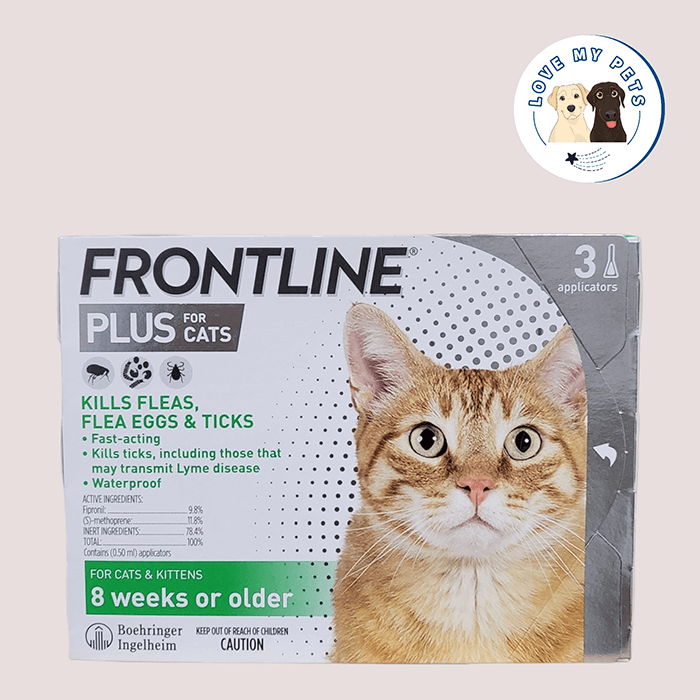
Frontline isn’t a one-size-fits-all product. Several formulations exist, each with slightly different ingredients and intended uses. Understanding these differences is crucial for choosing the right option for your cat and minimizing potential risks. The most common formulations you’ll encounter are Frontline Original, Frontline Plus, and Frontline Combo. Frontline Original primarily contains fipronil, while Frontline Plus adds (S)-methoprene, an insect growth regulator.
Frontline Combo combines fipronil with (S)-methoprene and imidacloprid, a broader-spectrum insecticide.
| Formulation | Ingredients | Target Pests | Recommended Age/Weight |
|---|---|---|---|
| Frontline Original | Fipronil | Fleas, Ticks | 8 weeks and over, 1.5 lbs or more |
| Frontline Plus | Fipronil, (S)-methoprene | Fleas, Flea Eggs, Ticks, Flea Larvae | 8 weeks and over, 1.5 lbs or more |
| Frontline Combo | Fipronil, (S)-methoprene, Imidacloprid | Fleas, Flea Eggs, Ticks, Flea Larvae, Chewing Lice | 8 weeks and over, 1.5 lbs or more |
Potential Adverse Reactions in Cats
While Frontline is generally considered safe, adverse reactions can occur. These reactions vary in severity, ranging from mild skin irritation to more serious neurological symptoms. It’s important to be aware of these potential issues so you can recognize them and seek appropriate veterinary care. Mild reactions often manifest as temporary skin irritation at the application site, such as redness, itching, or localized hair loss.
Moderate reactions might include more widespread skin irritation, lethargy, or a decrease in appetite. Severe reactions are less common but require immediate veterinary attention. These can include tremors, seizures, difficulty breathing, or vomiting.
Many cat owners have shared anecdotal experiences online, describing symptoms like excessive drooling, muscle twitching, and disorientation following Frontline application. One owner reported their cat becoming unusually withdrawn and refusing to eat for several days after treatment. Another described a sudden onset of tremors and a glazed-over look in their cat’s eyes. While these accounts are concerning, it’s crucial to remember that they represent individual experiences and don’t necessarily reflect a widespread problem.
However, they highlight the importance of careful observation and prompt veterinary intervention if any unusual symptoms arise.
Why Some Cats Are More Sensitive
Not all cats react to Frontline in the same way. Individual sensitivity plays a significant role, and several factors can increase a cat’s risk of experiencing adverse reactions. Age is a factor; younger kittens and senior cats may be more vulnerable due to their developing or declining immune systems. Breed can also be a consideration, as certain breeds appear to be predisposed to sensitivities.
Pre-existing health conditions, particularly liver or kidney problems, can impair a cat’s ability to metabolize and eliminate fipronil, increasing the risk of toxicity. Finally, some cats may simply have individual sensitivities to fipronil or other ingredients in Frontline, regardless of other factors.
- Siamese: Known for a higher incidence of sensitivities to various medications and chemicals.
- Persian: May have compromised liver function, potentially affecting fipronil metabolism.
- Bengal: Genetic predispositions to certain health issues could influence sensitivity.
- Russian Blue: Anecdotal reports suggest a potential for increased sensitivity in some individuals.
- Burmese: Similar to Siamese, they can be more sensitive to certain medications.
Safe Application Procedures and Precautions
Proper application is paramount to minimizing the risk of adverse reactions. Always read and follow the product label instructions precisely. Dosage is crucial; using too much Frontline can increase the risk of toxicity. The product should be applied directly to the cat’s skin, typically along the back of the neck where the cat cannot lick it. Avoid applying to areas with broken skin or irritated patches.
- Read the Label: Thoroughly review the product label before application.
- Measure Correctly: Use the applicator tube to dispense the correct amount of product for your cat’s weight.
- Apply to Skin: Part the fur at the back of the neck and apply the product directly to the skin.
- Avoid Licking: Prevent your cat from licking the treated area for 24 hours.
- Monitor for Reactions: Observe your cat closely for any signs of adverse reactions after application.
- Warning: Never apply Frontline intended for dogs to cats, as the dosage is different and can be toxic.
Alternatives to Frontline for Flea and Tick Control
Fortunately, numerous alternatives to Frontline are available for flea and tick control in cats. These include topical treatments containing different active ingredients, oral medications, and flea and tick collars. Topical alternatives often utilize ingredients like selamectin, imidacloprid (in different formulations), or dinotefuran. Oral medications, such as nitenpyram or spinosad, offer a systemic approach to flea control. Flea and tick collars release insecticides over an extended period, providing continuous protection.
| Product | Effectiveness | Safety | Cost | Ease of Use |
|---|---|---|---|---|
| Frontline | Good (fleas, ticks) | Potential for adverse reactions | Moderate | Easy |
| Revolution (Selamectin) | Excellent (fleas, ticks, ear mites, heartworm prevention) | Generally safe, but some cats may experience temporary skin irritation | Moderate to High | Easy |
| Bravecto (Fluralaner) | Excellent (fleas, ticks) | Generally safe, but rare neurological side effects have been reported | High | Easy (oral tablet) |
| Seresto Collar | Good (fleas, ticks) | Potential for skin irritation at the collar site | Moderate | Requires proper fitting and monitoring |
What to Do If Your Cat Has a Reaction
If you suspect your cat is having an adverse reaction to Frontline, act quickly. The first step is to thoroughly wash the application site with mild soap and water to remove any residual product. Keep your cat indoors and away from other pets. Contact your veterinarian immediately, even if the symptoms seem mild. Early intervention can significantly improve the outcome.
- Severe Tremors: Indicate a potentially serious neurological reaction.
- Difficulty Breathing: Requires immediate veterinary attention.
- Seizures: A medical emergency.
- Prolonged Vomiting or Diarrhea: Could indicate gastrointestinal distress.
- Unresponsiveness: A sign of severe toxicity.
Veterinary Perspectives on Frontline Safety
The general consensus among veterinarians is that Frontline is generally safe and effective when used as directed. However, they acknowledge the potential for adverse reactions and emphasize the importance of careful observation and prompt veterinary care if any concerns arise. Veterinarians often recommend starting with a lower dose or alternative product for cats with known sensitivities or pre-existing health conditions.
“While Frontline has been a reliable option for many years, it’s crucial to remember that every cat is different. If you notice any unusual behavior or symptoms after application, don’t hesitate to contact your veterinarian. We’re here to help you navigate these concerns and find the best parasite control solution for your feline companion.”
Long-Term Effects and Research
Research on the long-term effects of Frontline use in cats is limited. While fipronil is generally considered to have a relatively short half-life in the body, concerns remain about potential cumulative exposure over time. Some studies have investigated the impact of insecticide exposure on feline health, but definitive conclusions regarding the long-term effects of Frontline are still lacking. Further research is needed to fully understand the potential risks and benefits of prolonged Frontline use.
Environmental Considerations
The environmental impact of Frontline is a growing concern. Fipronil is toxic to beneficial insects, such as bees, and can persist in the environment, potentially affecting aquatic life. Responsible disposal of Frontline applicators and unused product is essential to minimize environmental contamination. Check with your local waste management authority for proper disposal guidelines.
Last Point
Source: com.sg
Navigating the world of flea and tick prevention can feel overwhelming, but understanding the potential risks and benefits of products like Frontline is crucial. While Frontline can be effective, it’s not without potential downsides, and individual cat sensitivities vary. By carefully considering the information presented, discussing concerns with your veterinarian, and exploring alternative options, you can create a safe and effective flea and tick control plan tailored to your cat’s specific needs.
Ultimately, prioritizing your cat’s well-being means staying informed and proactive about their health.
Remember, early detection and prompt veterinary care are essential if you suspect your cat is experiencing an adverse reaction. Your vet is your best resource for personalized advice and treatment options.
Essential FAQs
Can kittens use Frontline?
Generally, Frontline is not recommended for kittens under 8 weeks old. Always check the product label and consult your vet for guidance.
How long does it take for Frontline to work?
Frontline typically starts killing fleas within 24 hours and ticks within 48 hours. However, it doesn’t provide immediate protection.
Is Frontline waterproof?
While Frontline is water-resistant, excessive bathing or swimming can reduce its effectiveness. Reapplication may be necessary.
Can I use Frontline on both my cat and dog?
No! Frontline formulations are specifically designed for either cats or dogs. Using the wrong product can be toxic.
What if my cat licks the Frontline application site?
While the product is designed to be minimally absorbed, discourage licking. If your cat licks excessively, contact your vet.
How often should I apply Frontline?
Most Frontline products are applied monthly. Always follow the instructions on the product label.
Can Frontline be used preventatively, even if I don’t see fleas?
Yes, preventative use is common and recommended, especially in areas with high flea and tick populations.
