Those charming, sometimes droopy, folds of skin around your cat’s face – we’re talking about jowls! They’re a defining characteristic for certain breeds, a sign of age for others, and a source of endless fascination for cat lovers. This guide dives deep into the world of feline jowls, exploring everything from their anatomy and breed-specific variations to potential health concerns and the best grooming practices to keep your furry friend happy and healthy.
We’ll unravel the mysteries behind those adorable wiggles and folds, giving you the knowledge to appreciate and care for your jowls cat to the fullest.
From the Persian’s famously fluffy face to the more subtle jowls of a British Shorthair, we’ll examine how genetics, age, and even diet contribute to their appearance. We’ll also address common concerns like skin infections and difficulty eating, providing practical tips and advice to ensure your cat’s comfort and well-being. Get ready to learn everything you ever wanted to know about those endearing jowls!
Understanding Cat Jowls: A Comprehensive Guide
The charming, sometimes comical, folds of skin around a cat’s face – often referred to as “jowls” – are a distinctive feature in certain breeds. While they might seem purely aesthetic, jowls are a fascinating combination of anatomy, genetics, and age-related changes. This guide will delve into the world of feline jowls, exploring their origins, variations, potential health implications, and even their cultural significance.
We’ll cover everything from the underlying structures to grooming tips and how they contribute to a cat’s unique personality.
Jowls aren’t just a random quirk; they’re a result of specific anatomical features and influenced by a complex interplay of factors. Understanding these elements is key to appreciating the beauty and potential challenges associated with this characteristic.
Defining “Jowls” in Feline Anatomy
The appearance of jowls in cats isn’t due to a single structure, but rather a combination of anatomical elements. Primarily, it’s the looseness of the skin and underlying connective tissue around the face and neck. The masseter muscles, responsible for chewing, contribute to the overall shape, and the fat pads in this region play a significant role in the jowl’s prominence.
The degree of skin elasticity, which naturally decreases with age, is also a crucial factor.
Several factors influence how noticeable jowls are. Age is a primary driver – as cats mature, skin loses elasticity, leading to more pronounced folds. Breed is another significant determinant, with some breeds selectively bred for exaggerated jowl development. Finally, body fat percentage directly impacts the fullness and visibility of the jowls; more fat generally means more prominent jowls.
Different cat breeds exhibit vastly different jowl characteristics. Persians are renowned for their substantial jowls, while Scottish Folds and British Shorthairs also display noticeable folds, albeit to varying degrees. Even within a breed, individual cats can have significantly different jowl appearances.
| Breed | Typical Jowl Appearance | Contributing Factors | Common Health Considerations |
|---|---|---|---|
| Persian | Large, heavy jowls that significantly droop and frame the face. | Selective breeding for extreme facial features, loose skin, and fat deposits. | Difficulty eating, skin infections in folds, potential breathing difficulties due to restricted airways. |
| Scottish Fold | Moderate jowls, often appearing more pronounced due to the folded ears. | Genetic predisposition, loose skin. | Joint problems (due to the folded ear gene), potential skin issues. |
| British Shorthair | Moderate, rounded jowls that add to their “teddy bear” appearance. | Breed standard emphasizing a round face and full cheeks. | Generally healthy, but potential for obesity which can exacerbate jowl-related issues. |
| Exotic Shorthair | Similar to Persians, but with shorter fur, resulting in slightly less prominent jowls. | Derived from Persian breeding, retaining many of the same facial features. | Similar to Persians: difficulty eating, skin infections, breathing issues. |
Breed-Specific Jowl Characteristics
The development of prominent jowls in breeds like Persians and Exotic Shorthairs is a direct result of historical breeding practices. Early Persian breeders prioritized a “pancake face” – a flat, round face with large, expressive eyes and, of course, substantial jowls. This aesthetic was considered desirable and was consistently selected for over generations.
Selective breeding has intentionally emphasized jowl development in these breeds. Breeders would choose cats with the most exaggerated facial features, including the largest jowls, to produce the next generation. This process, repeated over many years, has resulted in the characteristic appearance we see today.
Imagine a Persian cat: the jowls are a defining feature. They are heavy, pendulous folds of skin that hang below the lower jaw, creating a distinctive “double chin” effect. The texture is soft and slightly loose, often with a subtle sheen. Color variations mirror the cat’s coat – typically cream, white, or a shade of gray. These jowls don’t obscure the eyes but rather frame them, contributing to the breed’s overall sweet and somewhat melancholic expression.
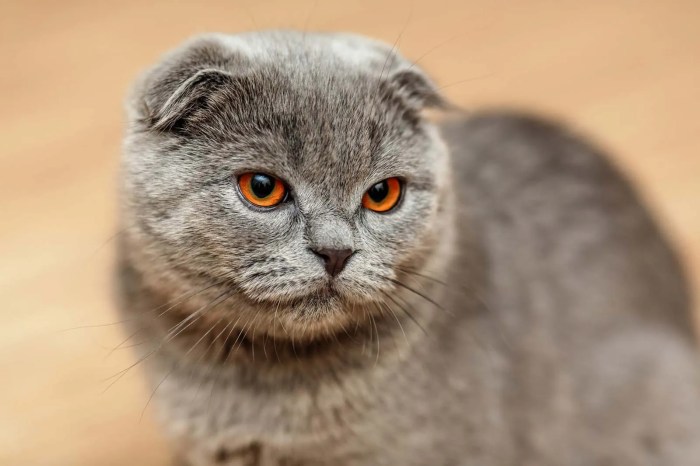
While both Scottish Folds and British Shorthairs possess jowls, they differ significantly. Scottish Folds have a more moderate jowl appearance, often less pronounced than Persians. Their folded ears tend to draw attention upwards, minimizing the visual impact of the jowls. British Shorthairs, on the other hand, have rounded, well-defined jowls that contribute to their charming “teddy bear” look. Their jowls are less droopy than those of Persians and blend more seamlessly with the rest of their face.
The Role of Age and Weight in Jowl Development
As cats age, the elasticity of their skin naturally diminishes. Collagen and elastin, the proteins responsible for skin’s firmness and flexibility, break down over time. This loss of elasticity leads to sagging skin and, consequently, more noticeable jowls. The skin becomes less able to “bounce back” after being stretched, resulting in a more relaxed and folded appearance.
Excess body fat significantly impacts facial structure. Fat deposits accumulate in the face and neck, pushing the skin outwards and exaggerating the appearance of jowls. The more fat present, the more prominent the jowls will be. This is a straightforward relationship – increased fat equals increased jowl visibility.
A kitten typically has minimal jowls, with smooth, taut skin. An adult cat may exhibit slight jowls, depending on breed and body condition. A senior cat, however, often displays more pronounced jowls due to age-related skin changes and potential weight gain. The skin around their face appears looser, and the jowls hang more noticeably.
| Age Group | Typical Jowl Characteristics | Associated Health Implications |
|---|---|---|
| Kitten | Minimal to no jowls; smooth, taut skin. | Generally no health implications related to jowls. |
| Adult Cat | Slight jowls, depending on breed and body condition. | Potential for weight gain leading to more prominent jowls. |
| Senior Cat | Pronounced jowls; loose, sagging skin. | Increased risk of skin infections, difficulty eating, potential breathing issues. |
Health Concerns Associated with Prominent Jowls
Source: britannica.com
While jowls are often considered a charming feature, they can also contribute to certain health problems. The folds of skin can trap moisture and debris, creating a breeding ground for bacteria and fungi, leading to skin infections. Difficulty eating is another common concern, as the jowls can obstruct the mouth and make it challenging for cats to grasp food.
In some cases, prominent jowls can obstruct a cat’s vision, particularly if they are very large and hang low over the eyes. This can impact their ability to navigate their environment and interact with their surroundings, ultimately affecting their quality of life.
Grooming cats with significant jowls presents unique challenges. The folds of skin are difficult to reach and clean, increasing the risk of skin infections. Regular cleaning and drying are essential to maintain hygiene and prevent problems.
Here’s a step-by-step guide to safely cleaning and maintaining the skin folds of a cat with jowls:
- Gently lift the jowls to expose the skin underneath.
- Use a soft, damp cloth to wipe away any dirt or debris.
- If necessary, use a mild, cat-safe antiseptic wipe to clean the folds.
- Thoroughly dry the area with a soft towel.
- Inspect the skin regularly for any signs of redness, irritation, or infection.
Grooming and Care for Cats with Jowls
Specific grooming tools and techniques are best suited for cats with jowls. Soft cloths, gentle wipes, and cotton swabs are helpful for reaching into the folds. Avoid harsh scrubbing, which can irritate the skin. A gentle, cat-safe shampoo can be used occasionally, but be sure to rinse thoroughly.
Preventing skin infections in the folds of jowls is paramount. Regular cleaning and drying are the most effective preventative measures. Ensuring good ventilation around the face can also help reduce moisture buildup.
A routine for daily and weekly grooming should include:
- Daily: Gently wipe the jowls with a damp cloth to remove any debris.
- Weekly: Thoroughly clean the jowls with a mild antiseptic wipe and dry completely. Inspect the skin for any signs of infection.
“Maintaining the hygiene of jowls in cats requires consistent effort. Regular cleaning and drying are crucial to prevent skin infections. If you notice any redness, swelling, or discharge, consult your veterinarian promptly.”Dr. Emily Carter, Veterinary Dermatologist
Visual Descriptions of Jowl Variations
A cat with minimal jowls presents a youthful appearance. The skin is taut and smooth, with no noticeable folds around the face. The jawline is well-defined, and the overall impression is one of vitality and energy. Their face appears alert and expressive, with a clear and unobstructed view of the world.
A cat with moderate jowls exudes charm and character. The folds of skin add a touch of gravitas to their expression, suggesting wisdom and experience. Their face is full and rounded, with a gentle, endearing quality. They possess a certain dignity and presence that is both captivating and comforting.
A cat with very prominent jowls possesses a unique aesthetic. The large, pendulous folds of skin create a distinctive and memorable appearance. While some may find it comical, others appreciate the breed’s unique charm and individuality. Their face is undeniably expressive, conveying a sense of gentle amusement and contentment.
Generally, male cats of the same breed tend to have slightly more prominent jowls than female cats, likely due to differences in muscle mass and body fat distribution.
The Aesthetic Appeal of Jowls in Cats
Cultural perceptions of cats with jowls vary. In some cultures, they are considered cute and endearing, while in others, they are seen as dignified and regal. The perception often depends on the breed and the overall context.
Jowls contribute significantly to a cat’s overall facial expression and personality. They can soften a cat’s features, making them appear more approachable and friendly. They can also add a touch of gravitas, suggesting wisdom and experience.
I once knew a Persian named Winston who was famous in our neighborhood for his magnificent jowls. People would stop and admire him, commenting on his “old-world charm.” He seemed to revel in the attention, often posing for photos with a dignified air.
| Perception of Jowls | Justification/Reasoning |
|---|---|
| Cute and Endearing | Softens facial features, creates a youthful appearance. |
| Dignified and Regal | Adds gravitas and a sense of wisdom. |
| Unique and Memorable | Creates a distinctive and recognizable appearance. |
Nutritional Considerations and Jowl Appearance
Diet plays a crucial role in body fat percentage, which directly impacts jowl prominence. A diet high in calories and processed foods can lead to weight gain and more noticeable jowls. Conversely, a balanced diet with controlled portions can help maintain a healthy weight and minimize jowl development.
Specific nutrients, such as omega-3 fatty acids and antioxidants, contribute to maintaining skin health and elasticity. These nutrients help protect the skin from damage and promote collagen production, keeping it firm and supple.
Weight management programs can be highly beneficial for cats with excessive jowls. These programs typically involve a combination of dietary changes, increased exercise, and regular monitoring by a veterinarian.
Foods to avoid include those high in calories, fat, and processed ingredients. Foods to encourage include lean protein sources, vegetables, and foods rich in omega-3 fatty acids.
Historical Representations of Cats with Jowls in Art and Media
Historical paintings and sculptures often depict cats with jowls, particularly those belonging to breeds like Persians. These representations reflect the historical appreciation for the breed’s distinctive features.
The portrayal of cats with jowls in popular culture has evolved over time. In earlier depictions, they were often associated with luxury and royalty. More recently, they have been embraced for their quirky charm and endearing appearance.
In some cultures, cats with jowls are seen as symbols of good luck and prosperity. Their distinctive appearance is often associated with abundance and contentment.
[Timeline showcasing the changing representation of cats with jowls in media would be included here, detailing key moments and shifts in perception.]
Comparing Jowls to Similar Facial Features in Other Animals
Jowls in cats share similarities with features found in dogs, such as bulldogs and basset hounds. However, the anatomical structures and underlying functions differ. In dogs, jowls often serve a practical purpose, such as aiding in scent detection. In cats, they are primarily a breed-specific characteristic with limited functional significance.
The anatomical differences between feline jowls and similar structures in other mammals lie in the degree of skin looseness, the underlying muscle structure, and the presence of fat pads. While all these features contribute to a similar visual appearance, the underlying mechanisms vary.
The development of jowls in different animal species is likely driven by a combination of factors, including selective breeding, genetic mutations, and evolutionary adaptations. In some cases, jowls may provide a survival advantage, such as aiding in scent detection or protecting the face from injury.
| Animal | Facial Feature | Function |
|---|---|---|
| Bulldog | Jowls | Aid in scent detection, protect face. |
| Basset Hound | Jowls | Aid in scent detection. |
| Cat (Persian) | Jowls | Breed-specific aesthetic feature. |
Final Summary
Ultimately, understanding your cat’s jowls is about appreciating their unique beauty and ensuring their overall health and happiness. Whether your feline friend boasts a subtle fold or a dramatic droop, those jowls are a part of what makes them special. By being informed about potential health concerns, adopting proper grooming routines, and recognizing the cultural significance of these features, you can provide the best possible care and celebrate the charm of your jowls cat for years to come.
So, embrace the wiggles, the folds, and the undeniable cuteness – your cat certainly does!
FAQs
Why do some cats have jowls and others don’t?
Jowls are largely determined by genetics and breed. Certain breeds, like Persians and British Shorthairs, have been selectively bred for this trait. Age and body fat also play a role, as skin loses elasticity with age and excess fat can contribute to a more prominent jowl appearance.
Can jowls cause my cat pain or discomfort?
In some cases, yes. Prominent jowls can obstruct vision, make it difficult to eat, or create folds where bacteria can accumulate, leading to skin infections. Regular grooming and monitoring are key.
What’s the best way to clean the folds of my cat’s jowls?
Use a damp, soft cloth or pet wipes specifically designed for sensitive skin. Gently clean the folds, paying attention to any areas that appear red or irritated. Dry thoroughly afterward to prevent moisture buildup.
Should I be concerned if my cat’s jowls suddenly change in appearance?
Yes, a sudden change in jowl appearance (e.g., increased swelling, redness, discharge) could indicate a health problem. Consult your veterinarian promptly.
Do male cats have different jowls than female cats?
Generally, males of the same breed tend to have slightly more prominent jowls than females, often due to differences in muscle mass and overall body size.
Is there a connection between diet and jowl appearance?
Absolutely! A diet high in processed foods and low in essential nutrients can contribute to weight gain and decreased skin elasticity, which can exacerbate jowl prominence. A balanced, high-quality diet is crucial for overall health and appearance.

