That adorable little “achoo!” from your kitten might seem endearing, but frequent sneezing can signal underlying issues. This guide dives deep into the world of kitten sneezing, exploring everything from common irritants to potential medical concerns. We’ll break down what’s normal, what’s cause for worry, and how to create a healthier environment for your furry friend, ensuring you’re equipped to address those tiny sneezes with confidence and care.
From environmental triggers like dust and pollen to potential viral infections and allergies, we’ll cover a wide range of possibilities. We’ll also look at what to observe, when to seek veterinary help, and safe home remedies you can consider – always with a strong emphasis on consulting your vet first. Ultimately, our goal is to empower you with the knowledge to keep your kitten happy, healthy, and sneeze-free (or at least, minimize those little bursts of air!).
The Curious Case of the Sneezing Kitten
Bringing a new kitten home is a joyous occasion, filled with playful antics and adorable moments. But sometimes, that joy is punctuated by a tiny, unexpected sound: a sneeze. While an occasional sneeze isn’t usually cause for alarm, persistent sneezing can be concerning. This article delves into the reasons why kittens sneeze, what to look for, how to create a healthier environment, and when a vet visit is necessary.
We’ll cover everything from common irritants to potential medical conditions, empowering you to be the best possible caretaker for your furry friend.
1. The Phenomenon
Kitten Sneezing – Causes & Commonality
Sneezing in kittens is surprisingly common, and often stems from relatively minor issues. However, understanding the potential causes is key to addressing the problem effectively. A kitten’s respiratory system is still developing, making them more susceptible to irritation and infection. The reasons can range from simple environmental factors to more serious underlying health conditions.
Here’s a breakdown of potential irritants and their severity:
| Irritant | Severity | Description |
|---|---|---|
| Dust Mites | Medium | Microscopic organisms that thrive in bedding, carpets, and upholstery. A major allergen for many cats. |
| Pollen | Medium | Seasonal allergen released by plants. Can cause sneezing, watery eyes, and itchy skin. |
| Cleaning Products | High | Strong scents and chemicals in cleaning products can irritate a kitten’s sensitive nasal passages. |
| Smoke (Cigarette, Fireplace) | High | Irritates the respiratory tract and can exacerbate existing conditions. |
| Perfumes & Air Fresheners | Low to Medium | Artificial fragrances can trigger allergic reactions or irritation. |
| Mold Spores | Medium to High | Found in damp environments, mold can cause respiratory problems and allergic reactions. |
Occasional sneezes, perhaps one or two a day, are usually nothing to worry about. They might be a reaction to a bit of dust or a stray piece of litter. However, persistent sneezing – frequent sneezes throughout the day, or sneezing that lasts for more than a few days – warrants closer attention. It could indicate an allergy, an infection, or another underlying issue.
Allergies play a significant role in kitten respiratory issues. Just like humans, kittens can be allergic to various substances in their environment. Common allergens include dust mites, pollen, mold, and certain food ingredients. Identifying and eliminating the allergen is crucial for managing allergy-related sneezing.
Several feline viruses can also cause sneezing. Feline Herpesvirus (FHV-1) and Feline Calicivirus (FCV) are two of the most common culprits. These viruses often cause upper respiratory infections, characterized by sneezing, nasal discharge, and conjunctivitis (inflammation of the eyes).
2. Observing the Sneeze
What to Look For
Source: hepper.com
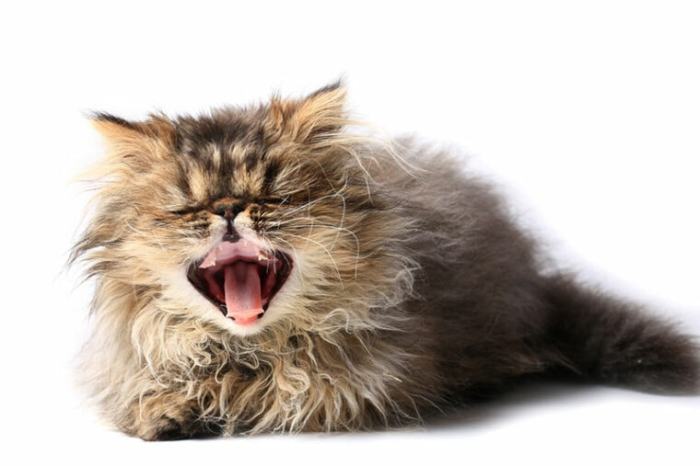
Careful observation is your first line of defense when your kitten starts sneezing. The nature of the sneeze itself, along with any accompanying symptoms, can provide valuable clues about the underlying cause.
Consider these factors when assessing the sneeze:
- Type of Sneeze: Is it a wet sneeze (with nasal discharge), a dry sneeze (without discharge), or a forceful sneeze? Wet sneezes are more likely to indicate an infection.
- Sound: Does the sneeze sound congested or raspy?
- Frequency: How often is the kitten sneezing?
Here’s a checklist of accompanying symptoms that should prompt a visit to the veterinarian:
- Nasal discharge (especially if it’s thick, colored, or bloody)
- Eye discharge (watery, pus-like, or crusty)
- Coughing
- Difficulty breathing
- Loss of appetite
- Lethargy (lack of energy)
- Fever
- Open-mouth breathing
Accurate record-keeping is helpful. Note the time of day the sneezing occurs, what the kitten was doing beforehand, and any other relevant observations. For example, does the sneezing worsen after cleaning or when playing with a specific toy?
Always consider the kitten’s overall behavior. A kitten that’s sneezing but otherwise playful and energetic is less concerning than a kitten that’s sneezing and also showing signs of lethargy or discomfort. Signs of discomfort might include hiding, reluctance to eat, or a hunched posture.
3. Environmental Factors & Mitigation
The environment plays a huge role in a kitten’s respiratory health. Identifying and minimizing potential irritants can significantly reduce sneezing episodes.
Here’s a list of household items that could be triggering sneezes:
- Scented candles and air fresheners
- Strong cleaning products (especially those containing ammonia or bleach)
- Dusty carpets and upholstery
- Moldy areas (bathrooms, basements)
- Certain types of litter (especially clay litters that produce a lot of dust)
Creating a hypoallergenic environment involves several steps. Regularly vacuuming (using a HEPA filter vacuum), washing bedding in hot water, and using fragrance-free cleaning products are all good starting points. Consider using hypoallergenic cat litter.
Proper ventilation is crucial. Open windows regularly (when weather permits) to circulate fresh air. Air purifiers with HEPA filters can also help remove dust, pollen, and other allergens from the air.
Dust, pollen, and mold are common respiratory irritants. Keep windows closed during peak pollen season. Address any mold issues promptly. Regularly clean surfaces to remove dust accumulation.
Effective cleaning and sanitizing are essential. Use a pet-safe disinfectant to clean surfaces regularly. Wash your kitten’s food and water bowls daily. Launder bedding frequently.
4. Medical Considerations & Veterinary Care
If environmental changes don’t alleviate the sneezing, a veterinary examination is necessary. The veterinarian will perform diagnostic procedures to determine the underlying cause.
Common diagnostic procedures include:
- Physical Examination: Assessing the kitten’s overall health and looking for signs of respiratory distress.
- Rhinoscopy: Examining the nasal passages with a small scope.
- Blood Tests: To check for infections or other underlying health problems.
- Viral Testing: To identify specific viruses, such as FHV-1 and FCV.
Common medications used to treat kitten respiratory ailments include:
- Antibiotics: To treat bacterial infections.
- Antihistamines: To relieve allergy symptoms.
- Decongestants: To help clear nasal passages (use only as directed by a veterinarian).
- Antiviral Medications: In some cases, for viral infections.
Vaccinations are vital in preventing viral infections. Ensure your kitten is up-to-date on their feline vaccines, including those that protect against FHV-1 and FCV.
Treatment options vary depending on the diagnosis. Antibiotics are effective against bacterial infections but won’t work against viruses. Allergy management may involve identifying and eliminating allergens, as well as medication to relieve symptoms. Supportive care, such as ensuring adequate hydration and rest, is crucial for a kitten’s recovery.
5. Illustrative Scenarios
Kitten Sneezing in Different Contexts
Understanding how sneezing manifests in different situations can help you better assess your kitten’s health.
Our little Leo started sneezing uncontrollably after I used a new lavender-scented cleaner on his favorite napping spot. He was rubbing his face and seemed very uncomfortable. We immediately ventilated the room and moved him to a different area. The sneezing subsided within a few hours, and he seemed much better. We now stick to fragrance-free cleaners around him.
During pollen season, many kittens experience increased sneezing and watery eyes. This is a common allergic reaction to airborne pollen. Keeping windows closed and using an air purifier can help minimize exposure.
Contact with another animal, especially one that’s sick, can transmit respiratory viruses. If your kitten has recently been around other cats and starts sneezing, it’s important to isolate them and consult a veterinarian.
A minor upper respiratory infection can cause mild sneezing and nasal discharge. With proper care and rest, most kittens recover fully within a week or two.
In some cases, sneezing can be a symptom of a more serious underlying condition, such as asthma or a foreign object lodged in the nasal passages. If the sneezing is severe or accompanied by other concerning symptoms, seek veterinary attention immediately.
6. Home Remedies & Supportive Measures (with Cautionary Notes)
While home remedies can sometimes provide temporary relief, it’s crucial to consult a veterinarian before attempting any treatment.
| Remedy | Description | Potential Benefits | Cautions |
|---|---|---|---|
| Humidifier | Adds moisture to the air. | Can help soothe irritated nasal passages. | Clean the humidifier regularly to prevent mold growth. |
| Warm Compress | Applying a warm, damp cloth to the face. | May help loosen nasal congestion. | Ensure the cloth is not too hot. |
| Increased Hydration | Encouraging the kitten to drink more water. | Helps thin nasal secretions. | Offer fresh water frequently. |
Important: Never give human medications to kittens without consulting a veterinarian. Many human medications are toxic to cats.
Monitor your kitten’s response to any home remedies carefully. If their condition worsens, discontinue the remedy and seek veterinary advice.
7. Breed Predispositions & Genetic Factors
Certain feline breeds are more prone to respiratory issues. Persian, Himalayan, and Burmese cats are known to be more susceptible.
Genetic factors can play a role in a kitten’s susceptibility to sneezing. Kittens with a family history of respiratory problems are at higher risk.
Responsible breeding practices are essential for minimizing the risk of inherited conditions. Reputable breeders screen their cats for genetic diseases and avoid breeding cats with known respiratory problems.
Genetic testing options for respiratory health are becoming increasingly available. Discuss these options with your veterinarian.
8. Visualizing the Kitten
Descriptive Imagery
Imagine a tiny ball of fluff, a calico kitten named Pip, suddenly pausing mid-pounce on a toy mouse. Her little nose twitches, and a quick, forceful sneeze erupts, sending a puff of air and a few tiny droplets into the air. Her eyes widen momentarily, and she tilts her head slightly, as if surprised by the sudden expulsion.
She then shakes her head, resuming her playful pursuit of the mouse with renewed vigor.
Picture a sleepy ginger kitten, curled up in a cozy bed of blankets. A gentle, wet sneeze escapes her as she dreams, barely disturbing her peaceful slumber. Her whiskers twitch, and she lets out a soft purr before drifting back to sleep.
Envision a curious black kitten exploring a new environment – a sun-drenched garden. She sniffs at a vibrant flower, and a sneeze follows, accompanied by a slight tilt of her head, as if she’s momentarily confused by the sudden sensation.
Last Word
Navigating a sneezing kitten can feel overwhelming, but understanding the potential causes and knowing what to look for is the first step towards providing the best care. Whether it’s a simple allergy or something more serious, proactive observation and timely veterinary attention are key. By creating a clean, comfortable environment and staying informed, you can help your kitten breathe easier and enjoy a long, healthy life filled with playful pounces and contented purrs – with fewer sneezes along the way!
Remember, this guide is a starting point. Always consult with your veterinarian for personalized advice and treatment plans tailored to your kitten’s specific needs. Your vet is your best resource for ensuring your little one thrives.
Query Resolution
Why is my kitten sneezing so much?
Sneezing in kittens can be caused by various factors, including dust, pollen, cleaning products, allergies, or even viral infections. Occasional sneezes are usually normal, but persistent sneezing warrants a vet visit.
What’s the difference between a wet and a dry sneeze?
A dry sneeze is often caused by irritation, like dust. A wet sneeze can indicate a more significant issue, such as a respiratory infection. Note any discharge along with the sneeze.
Should I be worried if my kitten sneezes after being around another cat?
Yes, it’s possible your kitten contracted a respiratory infection. Isolate the kitten and consult your vet immediately, as some feline viruses are highly contagious.
Can I give my kitten human cold medicine?
Absolutely not! Human medications are toxic to cats and can be fatal. Never administer any medication without your veterinarian’s explicit instructions.
How can I make my home more hypoallergenic for my kitten?
Regularly vacuum and dust, use HEPA filters, avoid strong cleaning products, and wash your kitten’s bedding frequently. Consider hypoallergenic cat litter.
What are some signs that my kitten’s sneezing is serious?
Difficulty breathing, lethargy, loss of appetite, fever, coughing, or discharge from the eyes or nose are all signs that require immediate veterinary attention.
Are certain cat breeds more prone to sneezing?
Yes, breeds like Persians, Himalayans, and Exotic Shorthairs are often predisposed to respiratory issues due to their facial structure.

