The sleek, silver-blue beauty of a Korat cat is undeniably captivating. But beyond their stunning appearance, potential owners often wonder: what’s the real korat cat cost? Bringing any pet into your life is a significant commitment, and understanding the financial implications upfront is crucial. This guide breaks down every aspect of Korat ownership, from the initial purchase to ongoing care, so you can make an informed decision and ensure a happy, healthy life for your feline friend.
We’ll delve into breeder costs, adoption fees, veterinary expenses, grooming needs, and even unexpected emergencies. Plus, we’ll compare Korat costs to other popular breeds, helping you determine if this unique cat is the right fit for your budget and lifestyle. Get ready for a comprehensive look at what it takes to welcome a Korat into your home!
The True Cost of a Silver Shadow: Owning a Korat Cat
Bringing a Korat cat into your life is a wonderful decision. These elegant, silver-blue felines are known for their gentle personalities and striking appearance. However, like any pet, owning a Korat comes with financial responsibilities. This guide breaks down the costs associated with Korat ownership, from the initial purchase to ongoing care, so you can be fully prepared to provide a happy and healthy life for your new companion.
We’ll cover everything from breeder fees to vet bills, and even the fun stuff like toys and enrichment.
Initial Purchase Price of a Korat Cat
The price of a Korat cat can vary significantly depending on several factors. Understanding these factors is crucial to making an informed decision and avoiding potentially unethical breeders. Generally, you’ll be looking at a range of costs depending on where you acquire your cat.Kittens from reputable breeders typically command a higher price, often ranging from $1,500 to $3,000 or even higher.
This price reflects the breeder’s investment in quality breeding practices, health testing, and socialization. Pedigree plays a significant role; cats with champion bloodlines or show potential will naturally be more expensive. The breeder’s reputation also matters – established breeders with a history of producing healthy, well-tempered Korats can justify higher prices. Location also influences cost; prices tend to be higher in urban areas with a greater demand.Adult Korat cats from shelters or rescues are considerably less expensive, often with adoption fees ranging from $75 to $200.
This difference stems from the fact that shelters and rescues don’t incur the same breeding expenses as breeders. These cats often come with some initial vet care already completed, making adoption a financially responsible and emotionally rewarding choice.Here’s a table summarizing the cost variations:
| Age | Source (Breeder/Rescue) | Price Range | Location |
|---|---|---|---|
| Kitten | Reputable Breeder | $1,500 – $3,000+ | Varies; higher in urban areas |
| Kitten | Rescue/Shelter | $75 – $200 | Varies by shelter |
| Adult | Reputable Breeder (Rare) | $1,000 – $2,500+ | Varies |
| Adult | Rescue/Shelter | $50 – $150 | Varies by shelter |
Cats with exceptional lineage or show potential can easily exceed the upper end of the breeder price range, sometimes reaching $4,000 or more. This reflects the investment breeders have made in their breeding program and the potential for the cat to win awards.
Breeder Costs & Considerations
Responsible Korat breeders aren’t just selling kittens; they’re investing years in their breeding program. Their costs extend far beyond the kitten’s birth. Stud fees can be substantial, often ranging from $500 to $1,500. Regular veterinary care, including vaccinations, deworming, and preventative treatments, is essential. Specialized, high-quality food is crucial for healthy growth and development.
Showing fees, if the breeder participates in cat shows, add to the overall expense. These costs are factored into the kitten’s price, so it’s important to understand that you’re paying for more than just a cute kitten.Here are some reputable Korat breeder organizations and registries:
- Cat Fanciers’ Association (CFA): The CFA is a well-respected registry that sets standards for cat breeds and breeders.
- The International Cat Association (TICA): Another major registry, TICA also promotes responsible breeding practices.
- Korat Cat Fanciers Association (KCFA): A breed-specific organization dedicated to the preservation and improvement of the Korat breed.
Verifying breeder credentials and health testing is paramount. Responsible breeders will provide proof of genetic screening for Hypertrophic Cardiomyopathy (HCM) and Progressive Retinal Atrophy (PRA), two common health concerns in Korats. Ask to see health certificates for the kitten’s parents.Finding a responsible breeder involves asking detailed questions. Inquire about their breeding practices, socialization methods, and health guarantees.
Red flags include breeders who are unwilling to answer questions, don’t allow you to visit their cattery, or sell kittens too young (before 12 weeks).
Adoption Fees & Rescue Costs
Adoption fees from shelters and rescue organizations specializing in cats typically range from $50 to $200. These fees are often lower than breeder prices, making adoption a more affordable option. The benefits of adopting a Korat (or a Korat mix) are numerous. You’re giving a deserving cat a second chance at a loving home, and you’re often saving a life.
Furthermore, adopted cats are often already litter-trained and may have some basic obedience skills.Adoption fees generally cover initial vaccinations, spay/neuter surgery, and microchipping. Some shelters may also provide a small supply of food and litter.
Adopting a rescue cat isn’t just about giving a home; it’s about gaining a loyal companion and experiencing the profound joy of knowing you’ve made a difference in a life. The gratitude and love you receive from a rescue cat are truly immeasurable.
Ongoing Expenses: Food & Nutrition
Korat cats, like all cats, have specific nutritional needs that vary based on age, activity level, and any underlying health conditions. Kittens require food formulated for growth, while adult cats need a balanced diet to maintain their health and energy levels. Active Korats may need more calories than less active ones.Here’s a list of recommended high-quality cat food brands:
- Dry Food: Royal Canin, Hill’s Science Diet, Purina Pro Plan
- Wet Food: Wellness Complete Health, Blue Buffalo Wilderness, Tiki Cat
- Raw Food: Primal Pet Foods, Instinct Raw, Steve’s Real Food (requires careful preparation and handling)
Here’s a table illustrating the cost of different food types:
| Food Type | Brand Example | Estimated Monthly Cost |
|---|---|---|
| Dry Food | Royal Canin | $30 – $60 |
| Wet Food | Wellness Complete Health | $50 – $100 |
| Raw Food | Primal Pet Foods | $80 – $150+ |
Allergies or sensitivities can significantly increase food costs, as you may need to purchase specialized, limited-ingredient diets.
Veterinary Care Costs
Routine veterinary care is essential for maintaining a Korat’s health and well-being. This includes annual checkups, vaccinations, and parasite prevention (fleas, ticks, and worms). The annual cost of routine veterinary care typically ranges from $200 to $500, broken down as follows:
- Annual Exam: $50 – $100
- Vaccinations: $75 – $150
- Dental Cleaning (every 1-3 years): $200 – $500
Korats are predisposed to certain health concerns, including HCM and PRA. Diagnosis and treatment of these conditions can be expensive, potentially costing thousands of dollars. Early detection through regular screening is crucial.Pet insurance is highly recommended to help offset the cost of unexpected veterinary bills. Coverage options vary, with premiums ranging from $20 to $60 per month, depending on the level of coverage and the cat’s age and health.
Supplies & Enrichment
Source: storyblok.com
Providing a stimulating and comfortable environment for your Korat is essential. Here’s a list of essential supplies:
- Litter box
- Litter (clay, clumping, or alternative)
- Food and water bowls
- Scratching post
- Toys (various types to keep them entertained)
- Carrier
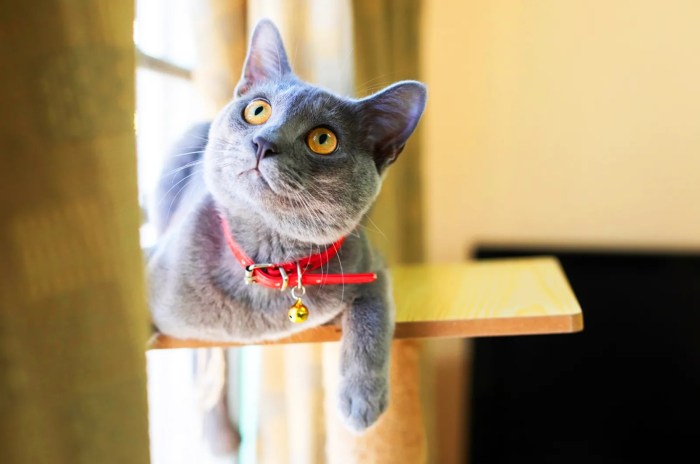
Environmental enrichment is particularly important for Korats, who are intelligent and active cats. Interactive toys, climbing structures, and window perches can help prevent boredom and destructive behaviors.
| Item | Estimated Cost |
|---|---|
| Litter Box | $20 – $50 |
| Litter (monthly) | $20 – $40 |
| Scratching Post | $30 – $100 |
| Toys (initial) | $20 – $50 |
| Carrier | $30 – $60 |
Specialized or premium cat furniture, such as multi-level cat trees, can significantly increase the initial cost.
Grooming Costs
Korat cats have short, silky coats that require minimal grooming. Brushing once or twice a week is sufficient to remove loose hair and prevent matting. Nail trimming should be done every 2-3 weeks, and ear cleaning as needed.Professional grooming services are generally not necessary for Korats, but if desired, can cost $40 to $80 per session.To groom your Korat at home, you’ll need:
- Soft-bristled brush
- Nail clippers
- Ear cleaning solution
- Cotton balls
Unexpected Expenses & Emergency Funds
Unexpected veterinary bills are an unfortunate reality of pet ownership. Illnesses, injuries, and emergencies can arise without warning, resulting in significant expenses. Having an emergency fund specifically for pet care is crucial.
| Emergency Scenario | Estimated Cost Range |
|---|---|
| Emergency Vet Visit | $100 – $500+ |
| Surgery (e.g., foreign body removal) | $500 – $3,000+ |
| Hospitalization | $500 – $5,000+ |
Geographic Cost Variations
The cost of owning a Korat cat can vary significantly depending on your location. Urban areas generally have higher costs of living, including pet care. Rural areas may have lower costs but potentially limited access to specialized veterinary care.Veterinary costs can differ significantly between regions. For example, veterinary care in major metropolitan areas like New York City or San Francisco is typically more expensive than in smaller towns or rural areas.Resources for finding affordable veterinary care include:
- ASPCA: Offers financial assistance programs for pet owners in need.
- The Pet Fund: Provides financial aid for non-urgent veterinary care.
- Local animal shelters and rescues: Often offer low-cost vaccination clinics and spay/neuter services.
Comparing Korat Costs to Other Breeds
Owning a Korat cat is an investment, but is it worth the cost compared to other popular breeds? Here’s a comparison:
| Breed | Initial Cost | Annual Cost |
|---|---|---|
| Korat | $1,500 – $3,000+ | $1,000 – $2,000 |
| Maine Coon | $1,000 – $2,500 | $1,200 – $2,500 |
| Persian | $800 – $2,000 | $1,500 – $3,000+ |
| Siamese | $600 – $1,500 | $800 – $1,800 |
The higher initial cost of a Korat is often justified by its generally good health and temperament. While they can be prone to HCM and PRA, responsible breeders screen for these conditions, reducing the risk. Their affectionate and playful nature makes them a rewarding companion.
Final Summary
As we’ve seen, owning a Korat cat involves a range of expenses, from the initial investment to ongoing care. While the upfront cost might be higher than some other breeds, the rewards – a devoted, intelligent, and strikingly beautiful companion – are often well worth it. Careful planning, budgeting, and a commitment to responsible pet ownership will ensure you can provide the best possible life for your Korat, enjoying years of companionship and feline charm.
Remember, unexpected costs can arise, so building an emergency fund is essential. By understanding the full spectrum of korat cat cost, you can confidently embrace the joy of owning one of these remarkable cats.
Helpful Answers
What’s the difference in cost between buying from a breeder and adopting?
Breeders typically charge significantly more (often $1000 – $3000+) due to pedigree, health testing, and breeding expenses. Adoption fees from shelters or rescues are much lower ($50 – $200) and often include initial vaccinations and spay/neuter.
Do Korats have any specific health problems that increase vet costs?
Yes, they are predisposed to Hypertrophic Cardiomyopathy (HCM) and Progressive Retinal Atrophy (PRA), both of which require ongoing monitoring and potentially expensive treatment.
How much does it cost to feed a Korat cat each month?
This varies greatly depending on the food type. Expect to spend $30-$80+ per month on high-quality dry or wet food, and potentially more for raw feeding.
Is pet insurance worth it for a Korat?
Given their potential for breed-specific health issues, pet insurance is highly recommended. Premiums can range from $30-$100+ per month, depending on coverage and the cat’s age.
What are some signs of a responsible Korat breeder?
A responsible breeder will be transparent about health testing (HCM and PRA), allow you to visit their cattery, and be knowledgeable about Korat genetics and care.
Can I groom a Korat cat myself, or do I need a professional?
You can definitely groom a Korat at home! They require weekly brushing, regular nail trims, and ear cleaning. Professional grooming is optional but can cost $50-$100+ per session.
How much should I set aside for a Korat cat emergency fund?
Aim for at least $1,000 – $5,000 in an emergency fund to cover unexpected vet bills, surgeries, or hospitalizations.

