There’s something undeniably captivating about giving your feline friend a name that echoes history and sophistication. Lately, Latin names for cats have been gaining serious traction, moving beyond the usual “Fluffy” and “Whiskers.” It’s a trend fueled by a desire for something unique, a nod to classical literature and Roman history, and a touch of prestige that just
-feels* right for a regal cat.
The appeal lies in the connotations of Latin itself – formality, a connection to ancient civilizations, and a sense of timelessness. We’re seeing a real shift towards more uncommon and personalized names for our beloved pets, and Latin offers a treasure trove of options. This article is for you, the cat lover with a penchant for history, the individual seeking a truly distinctive name, or anyone who simply wants to give their cat a moniker that reflects their personality and grace.
The Allure of Latin Names for Cats
There’s something undeniably captivating about bestowing a Latin name upon a beloved feline. It’s a trend that’s been quietly gaining momentum, moving beyond the realm of academia and finding its way into the hearts of cat owners worldwide. The practice isn’t entirely new; historically, Latin was the language of scholars and the elite, lending an air of sophistication and intellectualism to anything associated with it.
Today, that association translates to a sense of prestige and uniqueness for our furry companions. The rise of personalized pet names, reflecting our desire to express individuality and connection with our animals, has further fueled this trend. People are seeking names that are more than just cute; they want names with meaning, history, and a touch of elegance. This article is for you – the cat lover with a penchant for history, the individual seeking a truly unique name for their feline friend, or simply anyone intrigued by the beauty and depth of the Latin language.
Popular Latin Names & Their Meanings
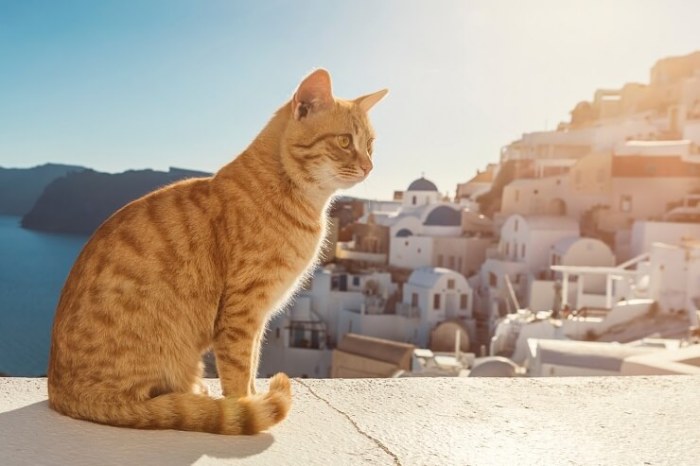
Source: lolcats.com
Choosing a name is a big decision! It’s more than just a label; it’s a reflection of your cat’s personality and a connection you’ll share for years to come. Latin names offer a wealth of options, steeped in history and meaning. Below, we’ve compiled a table of popular choices, along with their roots and English translations, to help you find the perfect fit.
We’ll also delve deeper into the origins of a few favorites, exploring their historical context and how they might resonate with your cat’s character.
| Name | Latin Root | English Meaning |
|---|---|---|
| Luna | lūna | Moon |
| Sol | sōl | Sun |
| Felix | felīx | Lucky, Successful |
| Flora | flōra | Flower |
| Silvius/Silvius | silva | Of the forest |
| Leo | leo | Lion |
| Stella | stella | Star |
| Aurora | aurōra | Dawn |
| Caelus | caelus | Sky, Heaven |
| Pomona | pōmōna | Fruitful |
Let’s explore the origins of a few of these names in more detail. Luna, derived from the Latin word for “moon,” has been a popular name across cultures for centuries. The moon itself has long been associated with femininity, mystery, and intuition – qualities that might perfectly suit a graceful and enigmatic cat. Historically, Luna was the Roman goddess of the moon, often depicted riding a chariot across the night sky.
Sol, meaning “sun,” is the counterpart to Luna, representing warmth, energy, and vitality. In Roman mythology, Sol was the god of the sun, a powerful and radiant figure. A cat with a bright personality and a love for basking in the sun would be a fitting bearer of this name. Finally, Felix, meaning “lucky” or “successful,” is a name that exudes positivity and charm.
The name has roots in Roman culture, often used to describe individuals who were blessed with good fortune. A playful and mischievous cat who always seems to land on their feet could certainly embody the spirit of Felix.
Names Based on Roman Gods & Goddesses
Roman mythology is a treasure trove of inspiration for unique and meaningful cat names. The gods and goddesses of ancient Rome were powerful figures, each associated with specific attributes and domains. Adapting their names for our feline companions allows us to imbue them with a sense of strength, grace, or mystery. Consider the characteristics you admire in your cat – are they fierce and protective like Mars, or gentle and nurturing like Ceres?
The possibilities are endless.
| Deity Name | Cat Name Adaptation | Description |
|---|---|---|
| Mars | Marso | God of War – Suitable for a bold and protective cat. |
| Venus | Vena | Goddess of Love and Beauty – Perfect for a graceful and charming cat. |
| Jupiter | Jupi | King of the Gods – Ideal for a regal and commanding cat. |
| Minerva | Mina | Goddess of Wisdom – A good choice for an intelligent and observant cat. |
| Diana | Dianna | Goddess of the Hunt – Suitable for an agile and adventurous cat. |
| Ceres | Cera | Goddess of Agriculture – A fitting name for a nurturing and comforting cat. |
| Neptune | Nepi | God of the Sea – A unique name for a cat with a calm and mysterious demeanor. |
| Bacchus | Bacchi | God of Wine and Revelry – A playful name for a fun-loving and energetic cat. |
These names aren’t just about sounding impressive; they’re about connecting with a rich cultural heritage. Choosing a name like Jupiter can evoke a sense of grandeur and authority, while a name like Venus can suggest elegance and beauty. Consider your cat’s personality and choose a deity whose attributes best reflect their unique qualities.
Latin Names Inspired by Nature
Latin is a language deeply intertwined with the natural world. Many Latin words describe elements of flora, fauna, and celestial bodies, offering a beautiful and evocative source of inspiration for cat names. From the shimmering light of the moon to the vibrant colors of flowers, Latin provides a poetic vocabulary for capturing the essence of nature. Below is a list of Latin words related to nature, along with their meanings, to spark your imagination.
- Flora: (Latin) Flower; (English) The plant life of a particular region or period.
- Fauna: (Latin) Wild animals; (English) The animal life of a particular region or period.
- Luna: (Latin) Moon; (English) Moon.
- Sol: (Latin) Sun; (English) Sun.
- Aqua: (Latin) Water; (English) Water.
- Terra: (Latin) Earth; (English) Earth.
- Arbor: (Latin) Tree; (English) Tree.
- Avis: (Latin) Bird; (English) Bird.
- Caelum: (Latin) Sky; (English) Sky.
- Viridis: (Latin) Green; (English) Green.
“The names of nature, whispered in Latin, carry a resonance that speaks to the ancient connection between humans and the world around us. They evoke a sense of tranquility, wonder, and belonging.”
Combining these Latin words can create truly unique and personalized names. For example, “Viridiflora” (green flower) could be a charming name for a cat with green eyes and a gentle nature. Adding suffixes like “-us” or “-a” can further adapt these words to be more cat-friendly. “Lunaris” or “Solara” are just a few examples of how you can transform Latin words into beautiful and memorable names for your feline companion.
Uncommon & Elegant Latin Names
Beyond the more familiar Latin names, there exists a wealth of lesser-known options that possess an air of sophistication and intrigue. These names are often steeped in history and carry a subtle elegance that sets them apart. Choosing one of these names can be a way to express your appreciation for the beauty and complexity of the Latin language.
Consider names like Aurelia (golden), Cassius (vain), Lucius (light), Octavia (eighth), and Valerius (strong, healthy). These names aren’t commonly heard, which adds to their allure and makes them a truly unique choice for your cat.
| Name | Meaning | Suitable Personality | Pronunciation Guide |
|---|---|---|---|
| Aurelia | Golden | Elegant, radiant, confident | ow-REH-lee-ah |
| Cassius | Vain | Dramatic, charming, attention-seeking | KAS-see-us |
| Lucius | Light | Bright, playful, energetic | LOO-kee-us |
| Octavia | Eighth | Unique, independent, strong-willed | ok-TAY-vee-ah |
| Valerius | Strong, healthy | Brave, loyal, protective | vah-LEH-ree-us |
Pronunciation is key when selecting a Latin name. While the language is no longer widely spoken, there are established rules and conventions that can guide you. Taking the time to learn the correct pronunciation will not only honor the name’s origins but also make it more enjoyable to say.
Gender-Specific Latin Names
While many Latin names can be used for both male and female cats, there are subtle differences in connotation that can influence your choice. Masculine names often convey strength, power, and leadership, while feminine names tend to evoke grace, beauty, and nurturing qualities. Understanding these nuances can help you select a name that truly reflects your cat’s gender and personality.
| Male Names | Female Names |
|---|---|
| Leo | Luna |
| Felix | Flora |
| Silvius | Stella |
| Caelus | Aurora |
| Valerius | Octavia |
For example, the root word “sol” (sun) can be adapted into the masculine name “Solus” and the feminine name “Sola.” Similarly, “Silvius” (of the forest) is typically used for male cats, while “Silva” is the feminine equivalent. Consider these subtle distinctions when making your final decision.
Combining Latin Elements for Unique Names
For the truly creative cat owner, combining Latin prefixes, suffixes, and root words offers a limitless opportunity to create original and personalized names. This process involves understanding the basic building blocks of the Latin language and experimenting with different combinations to achieve the desired meaning and sound. For instance, adding the suffix “-us” to a root word often creates a masculine name, while adding “-a” creates a feminine name.
Combining “Luna” (moon) with “Stella” (star) could result in “Lunastella,” evoking a sense of celestial beauty. The key is to ensure the resulting name is pronounceable and aesthetically pleasing.
Here’s a flowchart illustrating the steps involved in creating a custom Latin name:
- Identify a desired quality or characteristic: (e.g., strength, beauty, intelligence)
- Find a Latin root word related to that quality: (e.g., “fortis” for strength, “pulcher” for beauty, “sapiens” for intelligence)
- Choose a prefix or suffix to modify the meaning or gender: (e.g., “-us” for masculine, “-a” for feminine, “pre-” for before, “post-” for after)
- Combine the elements to create a new name: (e.g., “Prefortis,” “Pulchera”)
- Verify the pronunciation and meaning using online resources: (e.g., online Latin dictionaries)
Online Latin dictionaries and resources, such as Perseus Digital Library and Wiktionary, can be invaluable tools in this process. They provide definitions, etymologies, and pronunciation guides, allowing you to ensure your custom name is both accurate and meaningful.
Final Thoughts
From the powerful names of Roman gods and goddesses to the serene beauty of nature-inspired words, exploring Latin names for cats opens up a world of possibilities. Whether you’re drawn to the strength of “Fortis” or the elegance of “Luna,” choosing a Latin name is more than just picking a sound; it’s about connecting with a rich history and imbuing your cat with a sense of timeless character.
So, embrace the classics, get creative, and find the perfect Latin name to celebrate your furry companion!
FAQ Section
Why choose a Latin name for my cat?
Latin names offer a unique and sophisticated alternative to common pet names. They evoke a sense of history, prestige, and timelessness, making your cat stand out.
Are Latin names difficult to pronounce?
While some Latin names can be tricky, many are relatively easy to pronounce. We’ve included pronunciation guides and resources to help you master the sounds.
Can I combine Latin words to create a custom name?
Absolutely! Combining prefixes, suffixes, and root words is a fantastic way to create a truly personalized name for your cat. Just make sure it’s pronounceable and sounds pleasing.
Do Latin names have different connotations for male and female cats?
Yes, subtle differences exist. Masculine names often convey strength and power, while feminine names tend to evoke grace and elegance. Consider your cat’s personality when choosing.
Where can I find more information about Latin pronunciation?
Several online resources offer pronunciation guides and phonetic transcriptions. We’ve listed some helpful links in the article.
Is it okay to adapt Latin names to make them more cat-friendly?
Definitely! Adding suffixes or slightly altering the spelling can make a Latin name more approachable and easier to say.

