There’s something truly captivating about the Lavender Point Siamese – a breed that blends the classic elegance of the Siamese with a soft, ethereal coloration. These kittens aren’t just beautiful; they’re intelligent, vocal, and deeply affectionate companions. We’ll explore everything you need to know about these unique felines, from their fascinating genetics and history to their care requirements and the joys of sharing your life with one.
The lavender point coloration, a result of a specific gene interacting with temperature, creates a stunning contrast against their creamy body. Understanding this genetic basis, along with the breed’s development and how it differs from other Siamese variations like Flame Points and Blue Points, is key to appreciating the unique charm of a Lavender Point Siamese kitten. We’ll also cover essential care tips, potential health concerns, and how to find a reputable breeder who prioritizes the well-being of these special cats.
Understanding Lavender Point Siamese
The Lavender Point Siamese is a captivating breed, instantly recognizable by its unique, soft lilac-grey points contrasting with a creamy body. But beyond the striking appearance lies a fascinating story of genetics and selective breeding. Understanding the science behind this coloration, its history, and how it differs from other Siamese variations is key to appreciating and caring for these beautiful cats.The coloration isn’t a simple matter of pigment; it’s a complex interplay of genes.
The Himalayan gene (H) is the primary driver. This gene is responsible for temperature-sensitive albinism, meaning it inhibits pigment production except in cooler areas of the body – the points: ears, face, paws, and tail. The “Siamese” part comes from the Siamese gene (cs), which restricts pigment to these points. The lavender point coloration specifically arises from a recessive allele of the “b” gene (brown gene).
A cat needs two copies of this recessive “b” allele (bb) to express the lavender point. Without it (B_), the cat will display a different point color like seal, blue, or flame. The Himalayan gene’s temperature sensitivity is crucial; warmer body temperatures prevent pigment production, while cooler extremities allow it. This is why kittens’ points develop gradually as they grow.The Lavender Point Siamese isn’t an ancient breed.
It’s a relatively recent development, emerging in the 1950s and 1960s in the United States. Breeders began experimenting with crossing Siamese cats with shaded breeds like Persians and Burmese to introduce the recessive “b” gene. Early attempts were often inconsistent, and the resulting cats weren’t always reliably lavender. There’s been some debate regarding its recognition as a distinct variety by major cat registries.
While accepted by some, others consider it a variation of the Himalayan or Colorpoint Persian. This lack of universal recognition has sometimes led to confusion and inconsistent breeding practices.
Comparing Point Colors: Lavender, Flame, Seal, and Blue
Distinguishing between the various Siamese point colors can be tricky, especially for the uninitiated. Each color arises from a different gene interaction, resulting in unique appearances. Here’s a comparison table to help clarify the differences:
| Color | Eye Color | Personality | Origin |
|---|---|---|---|
| Lavender Point | Blue | Affectionate, Vocal, Intelligent, Often Calm | Developed in the US, derived from Siamese and shaded breeds |
| Flame Point | Blue | Playful, Energetic, Social, Can be Demanding | Developed in the US, derived from Siamese and Red Tabby |
| Seal Point | Blue | Classic Siamese traits: Intelligent, Curious, Vocal, Loyal | Traditional Siamese, originating in Thailand (formerly Siam) |
| Blue Point | Blue | Gentle, Sweet, Affectionate, Less Vocal than Seal Points | Traditional Siamese, originating in Thailand (formerly Siam) |
Kitten Characteristics & Development
The journey from a tiny, pink-nosed newborn to a graceful, vocal adolescent is a fascinating one for any kitten, and Lavender Point Siamese are no exception. Observing their physical changes and developmental milestones provides valuable insight into their needs and behavior.Newborn Lavender Point Siamese kittens resemble any other newborn cat: blind, deaf, and completely dependent on their mother. Their points are barely discernible, appearing as a faint shadow against their pale pink skin.
At four weeks, significant changes begin to emerge. The points start to darken, typically a very light lavender hue. Eye color is still blue, but it’s a hazy, milky blue. They are becoming increasingly mobile, exploring their surroundings with clumsy enthusiasm. By eight weeks, the point coloration is more defined, though still lighter than it will be in adulthood.
The blue eyes are becoming clearer and more intense. At twelve weeks, the points are approaching their adult color, and the eyes are a striking, deep blue. The kitten is now much more coordinated and independent.The typical developmental milestones for Lavender Point Siamese kittens mirror those of other kittens. Socialization is paramount during the first few weeks. Exposure to different people, sounds, and environments helps them develop into well-adjusted adults.
Play behavior intensifies around four to six weeks, with kittens engaging in mock hunting and wrestling with their siblings. Weaning typically begins around six to eight weeks, gradually introducing wet food alongside their mother’s milk. Early training, such as litter box training and basic commands, can be started as early as eight weeks.
Essential Kitten Care Guide
Providing proper care for a Lavender Point Siamese kitten is crucial for their health and well-being. Here’s a guide to essential practices:
- Feeding: Feed high-quality kitten food formulated for growth. Follow the feeding guidelines on the packaging, adjusting as needed based on your kitten’s activity level and body condition.
- Grooming: Their short coat requires minimal grooming, but regular brushing (once or twice a week) helps remove loose hair and prevent mats.
- Veterinary Checkups: Schedule regular checkups with a veterinarian, including vaccinations and parasite prevention.
- Litter Box: Provide a clean litter box and scoop it daily.
- Enrichment: Offer plenty of toys and opportunities for play to keep your kitten entertained and stimulated.
- Safe Environment: Kitten-proof your home to remove any potential hazards.
Finding a Reputable Breeder
Acquiring a Lavender Point Siamese kitten from a responsible breeder is paramount. A reputable breeder prioritizes the health and temperament of their cats, ensuring that kittens are well-socialized and free from genetic defects. Choosing wisely can significantly impact your kitten’s quality of life.Red flags to watch out for include breeders who are unwilling to show you their cattery, who don’t ask you questions about your lifestyle and experience with cats, who sell kittens at very low prices, or who don’t provide health guarantees.
Breeders who allow kittens to leave their care before eight weeks of age are also a cause for concern.
Questions to Ask a Breeder
Before committing to a kitten, ask the breeder these important questions:
- Health Testing: “What health testing do you perform on your breeding cats (e.g., PRA, amyloidosis)?”
- Socialization Practices: “How do you socialize your kittens?”
- Breeding Philosophy: “What are your goals as a breeder?”
- Kitten History: “Can you tell me about the kitten’s parents and their personalities?”
- Vaccination & Deworming: “What vaccinations and deworming treatments has the kitten received?”
Cattery Evaluation Checklist
Evaluating a breeder’s cattery is essential. Consider these aspects:
- Cleanliness: Is the cattery clean and well-maintained?
- Kitten Health: Do the kittens appear healthy, active, and well-fed?
- Breeder Knowledge: Is the breeder knowledgeable about the breed and willing to answer your questions?
- Cat Interaction: Do the cats seem friendly and well-socialized?
- Space & Enrichment: Do the cats have adequate space and enrichment opportunities?
Health Concerns & Lifespan
Like all breeds, Lavender Point Siamese are predisposed to certain health issues. Being aware of these potential problems and taking preventative measures can help ensure a long and healthy life for your feline companion.Common health concerns include Progressive Retinal Atrophy (PRA), a degenerative eye disease that can lead to blindness, and Amyloidosis, a condition where abnormal protein deposits accumulate in organs, potentially affecting kidney function.
Responsible breeders screen their breeding cats for PRA, reducing the risk of passing it on to their kittens. Maintaining a healthy weight and providing a balanced diet can help minimize the risk of amyloidosis.The typical lifespan of a Lavender Point Siamese is 12-15 years, but with proper care and a bit of luck, they can live even longer.
Factors influencing longevity include genetics, diet, exercise, and preventative veterinary care.
Importance of Regular Veterinary Care
Regular veterinary care is crucial for maintaining the health of a Lavender Point Siamese. Recommended vaccinations include feline distemper, calicivirus, rhinotracheitis (FVRCP), and rabies. Parasite prevention, including flea, tick, and heartworm prevention, is also essential. Annual checkups allow your veterinarian to detect and address any health concerns early on. Dental care, including regular teeth cleaning, is also important for preventing dental disease.
Temperament & Personality
Lavender Point Siamese are renowned for their distinctive personalities. They are intelligent, affectionate, and vocal cats who thrive on human interaction. Their playful nature and curious minds make them engaging companions.They are known to be incredibly affectionate, often seeking out attention and cuddling with their owners. Their vocal nature means they aren’t shy about expressing their opinions, and they may “talk” to you throughout the day.
Their intelligence makes them highly trainable, and they enjoy interactive games and puzzles.I once knew a Lavender Point Siamese named Luna who was obsessed with chasing laser pointers and would “help” me type on my computer by walking across the keyboard. Another, Jasper, would greet me at the door every evening with a series of meows and head-butts, demanding attention.
These quirks, while sometimes demanding, are part of what makes them so endearing.Compared to other Siamese color points, Lavender Points are often perceived as slightly calmer and more laid-back. They share the intelligence and sociability of other breeds known for these traits, such as Abyssinian and Burmese cats.
Grooming & Care Requirements
Maintaining a Lavender Point Siamese’s appearance and health is relatively straightforward, thanks to their short coat. However, consistent grooming and attention to detail are still necessary.Their short, fine coat requires minimal brushing, but a weekly brushing with a soft brush helps remove loose hair and distribute skin oils, keeping their coat shiny and healthy. Regularly cleaning their eyes with a damp cloth helps prevent tear staining.
Ear cleaning should be performed as needed, typically once or twice a month, using a veterinarian-approved ear cleaning solution.
Nail Trimming Guide
Trimming a Lavender Point Siamese’s nails is an essential part of their care. Use cat nail clippers and carefully trim only the tips of the nails, avoiding the “quick” (the pink part containing blood vessels and nerves). If you accidentally cut the quick, apply styptic powder to stop the bleeding.
Routine Grooming Schedule
Here’s a suggested schedule for routine grooming tasks:
- Brushing: Once or twice a week
- Eye Cleaning: Daily or as needed
- Ear Cleaning: Once or twice a month
- Nail Trimming: Every 2-3 weeks
- Bathing: Only when necessary (typically every few months)
- Dental Care: Daily brushing with cat-specific toothpaste is ideal.
Living Environment & Enrichment
Lavender Point Siamese are active and intelligent cats who thrive in stimulating environments. Providing a suitable living space and plenty of enrichment opportunities is essential for their well-being.They need a spacious living area where they can explore and play. Vertical space is particularly important, as they enjoy climbing and perching. A safe and secure indoor environment is crucial, as they are vulnerable to dangers such as traffic, predators, and toxins.
Enrichment Activities
Source: a-z-animals.com
To keep a Lavender Point Siamese entertained, consider these enrichment activities:
- Interactive Toys: Puzzle toys, feather wands, and laser pointers provide mental and physical stimulation.
- Climbing Structures: Cat trees and shelves allow them to climb and survey their surroundings.
- Scratching Posts: Provide multiple scratching posts to satisfy their natural scratching instincts.
- Window Perches: Allow them to observe the outside world.
- Play Sessions: Dedicate time each day for interactive play.
Training & Socialization
Lavender Point Siamese are intelligent and eager to please, making them relatively easy to train. Positive reinforcement techniques are the most effective approach.Using rewards such as treats, praise, and petting can motivate them to learn new behaviors. Start with basic commands like “sit” and “stay,” and gradually introduce more complex tricks. Clicker training can be particularly effective.
Socialization Guide
Socializing a Lavender Point Siamese kitten early on is crucial for preventing behavioral problems. Expose them to different people, pets, and environments in a positive and controlled manner.
- Introduce them to other pets gradually.
- Invite friends and family over to interact with the kitten.
- Take them on short trips in a carrier to expose them to new sights and sounds.
- Handle them gently and frequently to get them used to being touched.
Early socialization helps them develop into well-adjusted and confident adults.
Visual Descriptions & Imagery
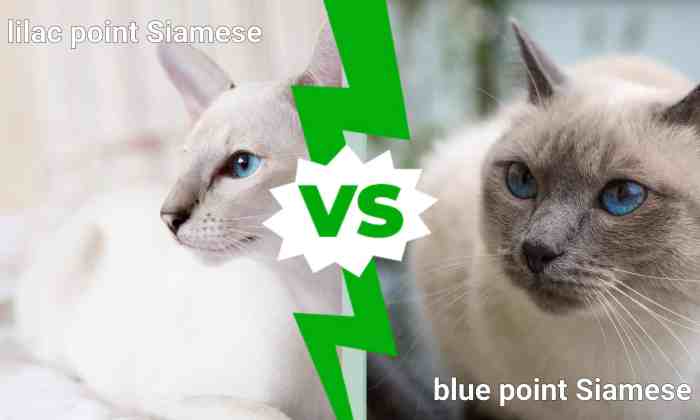
The eyes of a Lavender Point Siamese kitten are truly captivating. They are a brilliant, intense blue, often described as sapphire or cornflower blue. The intensity can vary slightly, with some kittens having a deeper, more saturated blue than others. The pupils are round and alert, reflecting light with a mesmerizing sparkle.Their short, fine coat has a distinctive sheen, appearing almost silky to the touch.
The body color is a creamy white or pale beige, providing a striking contrast to the lavender points. The points themselves are a soft, muted lilac-grey, with a subtle shading that intensifies towards the tips of the ears, face, paws, and tail.A Lavender Point Siamese kitten moves with a remarkable grace and agility. Their lithe bodies and long legs allow them to leap and bound with ease.
They often adopt a poised and elegant posture, with their tail held high and their head held proudly. Their movements are fluid and coordinated, reflecting their intelligence and athleticism.
Feeding & Nutrition
Providing a balanced and nutritious diet is essential for the health and development of a Lavender Point Siamese kitten. Choosing the right food can significantly impact their growth, energy levels, and overall well-being.Select a high-quality kitten food specifically formulated for growth. Look for a food that is rich in protein and essential nutrients, such as taurine and omega-3 fatty acids.
The ingredient list should list a named meat source (e.g., chicken, turkey) as the primary ingredient.
Wet vs. Dry Food
Both wet and dry food have their benefits. Wet food provides additional hydration, which is particularly important for cats. Dry food can help promote dental health by scraping plaque and tartar from the teeth. A combination of both wet and dry food can provide a balanced diet.Always provide fresh, clean water at all times. Avoid feeding your kitten toxic foods such as chocolate, onions, garlic, grapes, and raisins.
Consult with your veterinarian for personalized dietary recommendations.
Final Review
Bringing a Lavender Point Siamese kitten into your home is a commitment, but one filled with endless rewards. Their playful antics, affectionate nature, and striking appearance will undoubtedly enrich your life. By understanding their specific needs – from proper nutrition and grooming to mental stimulation and socialization – you can ensure your Lavender Point Siamese thrives, living a long, happy, and healthy life as a cherished member of your family.
It’s a journey of companionship, understanding, and a whole lot of purrs!
Essential Questionnaire
Why are Lavender Point Siamese kittens so rare?
The lavender point coloration is a recessive trait, meaning both parents must carry the gene for it to be expressed in the kittens. This makes breeding them intentionally a bit more challenging and contributes to their relative rarity.
What is the difference between a Lavender Point and a Flame Point Siamese?
Both are colorpoint variations, but the Lavender Point has a soft, lilac-grey coloration on the points (ears, face, paws, tail), while the Flame Point has a rich, red-orange coloration. Their personalities are generally similar, both being affectionate and vocal.
What eye color should I expect in a Lavender Point Siamese kitten?
Kittens are born with blue eyes, which gradually change to a deeper, more intense blue as they mature. The intensity can vary, with some having a lighter, almost silvery blue, while others have a richer, sapphire blue.
How can I tell if a breeder is reputable?
A reputable breeder will be happy to answer your questions, provide health records for the parents, allow you to visit their cattery, and prioritize the socialization and well-being of their kittens. Be wary of breeders who are secretive, don’t offer health guarantees, or have kittens living in unsanitary conditions.
What are some common health concerns in Lavender Point Siamese?
Like all Siamese, they can be prone to progressive retinal atrophy (PRA) and amyloidosis. Regular veterinary checkups and a healthy diet can help mitigate these risks.
Do Lavender Point Siamese cats need a lot of attention?
Yes! They are very social and thrive on interaction. They don’t do well when left alone for long periods and benefit from having a companion, whether it’s another cat or a human who can dedicate time to playing and cuddling.

