Lip smacking cats have long been an enigma for cat owners, their peculiar behavior sparking confusion and curiosity. This behavior can be a sign of contentment, but it can also be a cause for concern when it seems excessive or paired with other unusual behaviors.
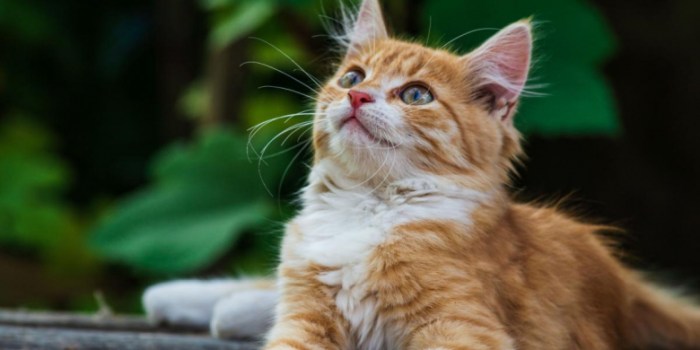
Source: cats.com
This article delves into the fascinating world of lip smacking, offering a comprehensive guide to understanding the various forms, meanings, and contexts of this intriguing behavior in cats.
The Secret Lives of Lip Smacking Cats: A Sneak Peek into Feline Cuisine
I’ll never forget the first time I witnessed a cat indulging in a culinary masterpiece. My best friend, Sarah, had just adopted a mischievous cat named Whiskers, who had a taste for the finer things in life. One evening, while Sarah was busy with work, Whiskers slipped into the kitchen, sniffed out the cat treats, and proceeded to devour them in record time. I walked into the kitchen just as the treats had vanished, and all I saw was a smudge of kibble on the countertop and a triumphant glint in Whiskers’ eye.
That moment sparked a fascination within me. How do cats become so discerning about their food? And what drives their love for certain flavors and textures? As it turns out, feline cuisine is more complex and nuanced than you might think.
### The Evolution of Feline Palate
Cats are highly sensitive animals with a unique taste system that’s designed to detect even the slightest variations in flavor and texture. It’s estimated that a cat’s sense of taste is 14 times stronger than a human’s, thanks to a special type of sensory cell called papillae, which lines the roof of their mouth.
But why are some cats more discerning than others? Research suggests that feline palates are shaped by a combination of genetic and environmental factors. For instance, cats that grow up in households with a diverse range of human food options may become more accustomed to the flavors and textures of these foods.
### The Rise of Lip Smacking Cats
So, what exactly constitutes a “lip smacking cat”? For me, this refers to a cat that’s not just enthusiastic about food, but also sophisticated in their culinary preferences. Lip smacking cats often exhibit certain behaviors, such as:
– Sniffing and exploring food before consumption (akin to a fine-dining experience)
– Displaying a fondness for high-quality, protein-rich foods (e.g., salmon, chicken)
– Adapting to new flavors and textures with ease
– Showing a discerning palate in terms of texture (e.g., crispy, chewy, soft)
### Feline Cuisine 101: A Guide to Whisker-Centric Cuisine
As it turns out, cats require a balanced and varied diet that meets their unique nutritional needs. Here are some basic principles of feline cuisine that every lip smacking cat enthusiast should know:
#### Protein Powerhouses
– Salmon: Rich in omega-3 fatty acids and a staple of feline cuisine
– Chicken: A classic protein source with a delicate flavor profile
– Turkey: A lean, protein-rich meat that’s perfect for a lip smacking cat’s palate
#### Texture Matters
– Wet food: Offers a tender, juicy texture that most cats adore
– Dry food: A crunchy, satisfying option for those with discerning palates
#### Flavors of the World
– Poultry: Chicken, turkey, and other fowl flavors are crowd-pleasers
– Fishy Delights: Shrimp, salmon, and other seafood options are always a hit
– Meats and More: Beef, lamb, and other meats are perfect for a lip smacking cat’s palate
### The Feline Gourmet Experience
Lip smacking cats don’t just eat food – they’re connoisseurs of the culinary arts. They deserve an experience that’s tailored to their unique preferences and tastes. Here are some ways to create a feline gourmet experience at home:
#### Whisker-Centric Dining
– Use a variety of flavors and textures to tantalize your cat’s taste buds
– Serve food on high-quality plates or mats to enhance the dining experience
– Offer interactive feeding options, such as puzzle toys and food-dispensing toys
#### Feline Cuisine Trends
– Plant-based options are gaining traction in the feline world, catering to cats with sensitive stomachs or allergies
– Functional foods with added health benefits, such as omega-3 rich oils and fiber, are becoming increasingly popular
– Exotic flavors and textures, inspired by global cuisine, are tantalizing felines worldwide
In conclusion, lip smacking cats have refined palates and discerning tastes that deserve to be catered to. By understanding their unique needs and providing a tailored culinary experience, you can unlock a world of flavor and enjoyment for your feline friend. And who knows? You might just find yourself enjoying the culinary world from a feline perspective.
We’ve explored the world of lip smacking cats, debunking myths and misconceptions while shedding light on the fascinating emotional and behavioral complexities at play. With these newfound insights and practical strategies, cat owners can foster a deeper understanding and connection with their feline companions, helping to build stronger, happier relationships.
User Queries
Q: What causes lip smacking in cats?
Lip smacking in cats can be caused by a variety of factors, including contentment, excitement, or even anxiety. It’s essential to consider the context and other behaviors your cat displays to fully understand the underlying reason.
Q: Can lip smacking be a sign of a deeper health issue?
Yes, excessive or persistent lip smacking can be a sign of an underlying health issue, such as oral or gastrointestinal problems. If you’re concerned about your cat’s behavior, it’s essential to consult with a veterinarian.
Q: How can I encourage my cat’s positive emotional behavior?
Cats thrive on routine and attention. By providing a stable environment, engaging in play, and offering plenty of affection, you can encourage your cat’s positive emotional behavior and reduce stress and anxiety triggers.
Q: Can lip smacking be contagious in multi-cat households?
While lip smacking can be a common behavior in cats, it’s not typically contagious. However, if you notice a pattern of lip smacking followed by other concerning behaviors, consult with a veterinarian or animal behaviorist to rule out any underlying issues.

