For centuries, cat treats have been a cornerstone of feline affection and training, evolving from simple scraps to elaborate crunchy delights. But the treat landscape is shifting! Enter liquid cat treats – a relatively new innovation promising a different approach to rewarding and supplementing your cat’s diet. These aren’t your typical dry kibble snacks; they’re smooth, flavorful concoctions designed to appeal to even the pickiest eaters, and offer some surprising benefits we’ll explore today.
Liquid cat treats are essentially concentrated flavor and nutrition delivered in a pourable form. Common ingredients include fish oil for a boost of omega-3s, taurine (essential for feline heart health), hydrolyzed proteins for easier digestion, and a blend of vitamins and minerals. The texture can range from a thin, watery consistency to a slightly thicker, syrupy liquid, all designed to be easily lapped up by your cat.
Compared to traditional treats, they offer potential advantages like increased hydration and a more concentrated dose of nutrients, all while being easier for cats with dental issues to enjoy.
Liquid Cat Treats: A Modern Twist on Feline Indulgence
For generations, cat treats have been a cornerstone of the human-feline bond, offering a tasty reward for good behavior, a comforting snack, or simply a way to show our furry friends some love. Initially, treats were primarily dry biscuits or semi-moist cubes. However, the pet food industry has evolved significantly, driven by a deeper understanding of feline nutrition and a desire to cater to cats with specific needs.
This evolution has led to the rise of liquid cat treats – a relatively new but increasingly popular option that’s changing how we spoil our cats.
This article will delve into the world of liquid cat treats, exploring their history, ingredients, benefits, and potential drawbacks. We’ll also look at how they compare to traditional treats and what the future might hold for this innovative product.
A Brief History: From Dry Bites to Liquid Delights
The history of cat treats mirrors the broader evolution of pet food. Early cat food was often table scraps or basic meat-based diets. Commercially produced dry cat food emerged in the early 20th century, followed by semi-moist treats in the mid-20th century. These early treats were largely focused on palatability and providing a crunchy texture. The shift towards liquid formulations is a more recent development, spurred by advancements in food science and a growing awareness of the unique nutritional needs of cats, particularly those with health concerns.
Manufacturers began experimenting with liquid formats to address issues like hydration and ease of administration, ultimately leading to the specialized treats we see today.
What are Liquid Cat Treats?
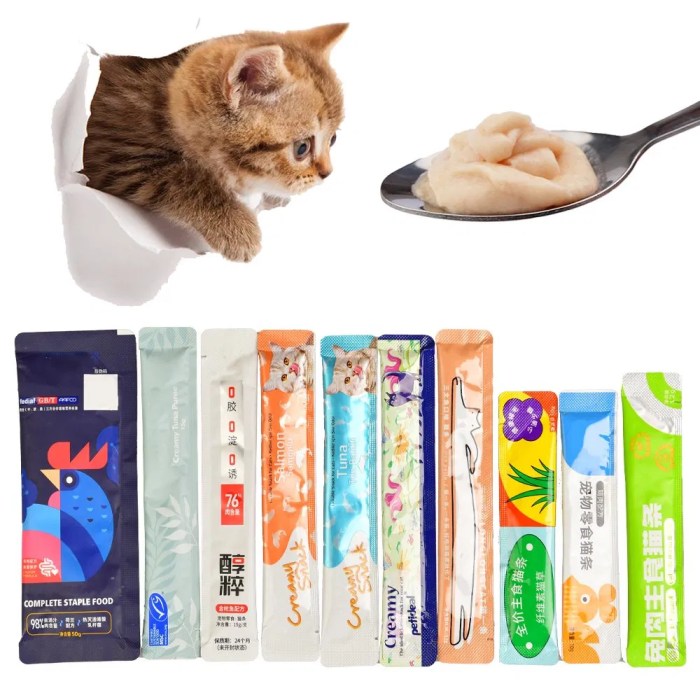
Liquid cat treats are precisely what the name suggests: palatable, liquid formulations designed to be given to cats as a supplement to their regular diet. They typically come in a variety of flavors and are packaged in squeeze bottles or pouches. Common ingredients include fish oil, taurine, hydrolyzed proteins, vitamins, and minerals. The texture can range from thin and watery to slightly thicker, almost like a gravy.
They are not intended to be a complete meal replacement but rather a supplemental treat offering targeted nutritional benefits or simply a delicious reward.
The Benefits of Liquid Treats
Compared to traditional dry or semi-moist treats, liquid cat treats offer several potential advantages. They are often more palatable, especially for cats who are finicky eaters or have lost their sense of smell. The liquid form is also easier to consume, making them ideal for cats with dental problems or difficulty chewing. Furthermore, liquid treats can contribute to a cat’s daily hydration, which is crucial for kidney health.
Finally, the liquid format allows for a higher concentration of certain nutrients, like omega-3 fatty acids, in a smaller serving size.
| Category | Liquid Treats | Dry Treats | Wet Treats |
|---|---|---|---|
| Palatability | Generally high, often preferred by picky eaters | Variable, can be less appealing to some cats | Typically high, due to moisture content |
| Hydration | Contributes to daily water intake | Minimal contribution | High moisture content, aids hydration |
| Ingredient Concentration | Higher concentration of certain nutrients possible | Moderate | Moderate |
| Storage | Varies (refrigeration may be required) | Long shelf life at room temperature | Requires refrigeration after opening |
Ingredient Breakdown & Nutritional Value
Decoding the Ingredients
Liquid cat treats, like any pet food product, contain a variety of ingredients. Common components include fish oil (a source of omega-3 fatty acids), taurine (an essential amino acid for feline heart health), hydrolyzed proteins (easier to digest and less likely to cause allergic reactions), vitamins (like A, D, and E), and minerals (like calcium and phosphorus). The specific ingredients and their proportions will vary depending on the brand and intended benefits of the treat.
Potential Allergens and Alternatives
While generally well-tolerated, liquid cat treats can contain allergens for some cats. Common culprits include fish (especially salmon and tuna), chicken, and beef. If your cat has known allergies, carefully review the ingredient list. Alternatives include treats formulated with limited ingredients, such as duck, rabbit, or venison. Grain-free options are also available for cats with grain sensitivities.
The Importance of Taurine and Omega-3s
Taurine is an essential amino acid that cats cannot produce on their own. A deficiency can lead to serious health problems, including heart disease and blindness. Omega-3 fatty acids, particularly EPA and DHA, are crucial for brain health, joint health, and a healthy coat. Liquid treats often incorporate these ingredients to provide targeted nutritional support.
Nutritional Profile Chart
The nutritional profile of liquid cat treats can vary, but a standard serving (typically 1-2 teaspoons) generally contains the following:
| Nutrient | Typical Value (per serving) |
|---|---|
| Protein | 2-5 grams |
| Fat | 1-3 grams |
| Carbohydrates | 0-1 gram |
| Taurine | 50-200 mg |
| Omega-3 Fatty Acids (EPA/DHA) | 50-150 mg |
| Vitamin A | 100-500 IU |
| Vitamin E | 5-20 IU |
Benefits for Specific Cat Types
Dental Issues and Chewing Difficulties
Liquid cat treats are an excellent option for cats with dental problems, such as gingivitis, periodontitis, or missing teeth. The liquid form requires minimal chewing, reducing discomfort and preventing further irritation. They can also be a good choice for older cats who may have lost some of their chewing ability.
Medication and Supplement Administration
One of the most significant advantages of liquid treats is their ability to mask the taste of medication or supplements. Simply mix the medication or supplement into the treat, and most cats will happily consume it without realizing they’re taking something they don’t like. This is particularly helpful for cats who are resistant to pills or liquid medications.
Senior Cats and Reduced Appetites
Senior cats often experience a decline in appetite due to age-related changes in their sense of smell and taste. Liquid treats, with their strong aroma and palatable flavor, can be more appealing to these cats, encouraging them to eat and maintain a healthy weight. The easy-to-consume texture is also beneficial for cats with weakened muscles.
Hydration for Urinary Health
Cats are prone to urinary problems, such as urinary tract infections and crystal formation. Increasing their water intake is crucial for preventing and managing these conditions. Liquid treats can contribute to hydration, especially when incorporated into their daily routine.
- Senior Cats: Easier to consume, encourages eating, supports hydration.
- Dental Issues: Minimizes chewing, reduces discomfort, prevents further irritation.
- Picky Eaters: Highly palatable, appealing aroma, encourages consumption.
- Medication/Supplement Administration: Masks taste, facilitates easy administration.
- Cats Prone to Urinary Problems: Contributes to increased water intake.
Flavors and Palatability
A World of Flavors
Liquid cat treats are available in a wide range of flavors to cater to different feline preferences. Common options include salmon, tuna, chicken, beef, and even more exotic flavors like shrimp or whitefish. The variety allows owners to find a flavor that their cat truly enjoys.
The Science of Feline Taste
Cats have a limited sense of taste compared to humans. They cannot taste sweetness, but they are highly sensitive to umami (savory) flavors, which are often found in meat and fish. They also rely heavily on their sense of smell to assess food. Therefore, the aroma of a treat is just as important as its taste.
Enhancing Palatability
Manufacturers employ various techniques to enhance the palatability of liquid cat treats. These include using fish broth as a base, incorporating natural flavor enhancers like hydrolyzed proteins, and carefully balancing the ingredients to create a flavor profile that cats find irresistible. The texture also plays a role; a smooth, creamy texture is generally more appealing than a watery one.
Describing the Flavor Profile
Describing the flavor profile of liquid cat treats can be a sensory experience. For example, a salmon-flavored treat might have a “rich salmon aroma with a subtle, savory undertone.” A tuna-flavored treat could be described as having a “delicate tuna scent and a slightly salty taste.” Chicken-flavored treats often have a “warm, comforting aroma reminiscent of cooked poultry.”
Administration and Usage
Methods of Administration
Liquid cat treats can be administered in several ways. They can be given directly into the mouth using a syringe (without the needle, of course!), offered on a spoon, or mixed with their regular food. Mixing with food is a good way to introduce the treats gradually and ensure that your cat accepts them.
Serving Sizes
Appropriate serving sizes depend on your cat’s weight, activity level, and overall health. A general guideline is 1-2 teaspoons per day, but it’s always best to consult with your veterinarian for personalized recommendations. Remember that treats should only make up a small portion of your cat’s daily calorie intake.
Gradual Introduction
To avoid digestive upset, introduce liquid treats gradually. Start with a small amount (e.g., 1/4 teaspoon) and gradually increase the portion size over several days. Monitor your cat’s stool for any signs of diarrhea or vomiting.
Administering to Reluctant Cats: A Step-by-Step Guide
- Step 1: Offer a small amount on a spoon. (Illustration: A cat gently lapping liquid treat from a spoon, held at a slight angle.)
- Step 2: If your cat sniffs but doesn’t lick, gently rub a tiny bit on their gums.
- Step 3: If your cat still resists, try mixing the treat with a small amount of their favorite wet food.
- Step 4: Patience is key! Don’t force the treat on your cat. Try again later.
Storage and Shelf Life
Proper Storage Techniques
To maintain freshness and prevent spoilage, store liquid cat treats according to the manufacturer’s instructions. Unopened treats should be stored in a cool, dry place away from direct sunlight. Once opened, most liquid treats require refrigeration to prevent bacterial growth.
Shelf Life
The shelf life of unopened liquid cat treats typically ranges from 6 to 12 months, depending on the formulation and packaging. Once opened, refrigerated treats should be used within 7-10 days.
Signs of Spoilage
Be vigilant for signs of spoilage, such as an unusual odor, discoloration, or separation of ingredients. If you notice any of these signs, discard the treat immediately.
| Type of Treat | Storage Recommendations |
|---|---|
| Shelf-Stable (Unopened) | Cool, dry place, away from direct sunlight |
| Refrigerated (Opened) | Refrigerate in an airtight container |
Manufacturing Processes & Quality Control
The Manufacturing Process
The manufacturing process for liquid cat treats typically involves several steps. First, ingredients are carefully sourced and tested for quality. Then, they are blended together in precise proportions. The mixture is then pasteurized to eliminate harmful bacteria. Finally, the treat is packaged into squeeze bottles or pouches and labeled for sale.
Quality Control Measures
Quality control is paramount in pet food manufacturing. Manufacturers implement rigorous testing procedures throughout the process to ensure product safety and consistency. This includes testing for contaminants, verifying nutrient levels, and assessing palatability.
Certifications and Standards
Reputable manufacturers often adhere to industry standards and certifications, such as AAFCO (Association of American Feed Control Officials) guidelines. AAFCO sets standards for ingredient definitions, nutrient profiles, and labeling requirements.
Hydrolyzed Proteins: Enhanced Digestibility
Hydrolyzed proteins are proteins that have been broken down into smaller peptides. This process makes them easier to digest and less likely to trigger allergic reactions in sensitive cats. Many liquid cat treats incorporate hydrolyzed proteins to improve digestibility and reduce the risk of food sensitivities.
Comparison of Brands & Products
Several brands offer liquid cat treats, each with its own strengths and weaknesses. Some popular options include [Brand A], [Brand B], and [Brand C]. [Brand A] is known for its high-quality ingredients and wide variety of flavors, but it tends to be more expensive. [Brand B] offers a more budget-friendly option with a focus on essential nutrients. [Brand C] specializes in limited-ingredient formulas for cats with allergies.
Formulations vary, with options including grain-free, limited ingredient, and those with added supplements like glucosamine and chondroitin for joint health. Pricing ranges from $[Price Range] per bottle, with value for money depending on the ingredients and quantity.
” [Brand A]’s Salmon Delight liquid treat stands out for its exceptional palatability and high concentration of omega-3 fatty acids, making it an ideal choice for senior cats or those needing extra support for their coat and joints. While pricier than some alternatives, the quality ingredients and noticeable benefits make it a worthwhile investment.”
Potential Concerns & Safety Considerations
Potential Risks
While generally safe, liquid cat treats can pose some potential risks. Excessive calorie intake can lead to weight gain and obesity. Artificial additives, such as colors and preservatives, may be undesirable for some owners. It’s crucial to read ingredient labels carefully and choose treats with minimal artificial ingredients.
Reading Ingredient Labels
Always scrutinize the ingredient list before purchasing liquid cat treats. Look for recognizable ingredients and avoid products with excessive fillers, artificial colors, or preservatives. Pay attention to the guaranteed analysis to understand the nutrient content.
Addressing Digestive Upset and Allergies
If your cat experiences digestive upset (e.g., diarrhea, vomiting) after consuming liquid treats, discontinue use and consult with your veterinarian. Signs of an allergic reaction may include itching, skin rashes, or facial swelling. If you suspect an allergy, switch to a limited-ingredient formula and monitor your cat closely.
Choosing Safe and High-Quality Treats
Prioritize treats from reputable brands that adhere to quality control standards. Look for products with clear ingredient lists, a reasonable nutrient profile, and positive reviews from other cat owners. Consult with your veterinarian for personalized recommendations.
Future Trends in Liquid Cat Treats
Emerging Trends
Source: made-in-china.com
The liquid cat treat market is constantly evolving. Emerging trends include novel flavors (e.g., duck, venison), functional ingredients (e.g., probiotics, prebiotics), and sustainable packaging options. There’s also a growing demand for treats that address specific health concerns, such as anxiety or urinary health.
Personalized Formulations
The future may see personalized liquid treat formulations tailored to individual cat needs. This could involve analyzing a cat’s DNA or health history to create a treat with the optimal blend of nutrients and ingredients.
Technology and Distribution
Technology will likely play an increasingly important role in the development and distribution of liquid cat treats. Smart packaging could provide real-time information about product freshness and nutrient content. Online subscription services could offer convenient delivery of customized treat formulations.
The “Smart” Liquid Treat Dispenser
Imagine a “smart” liquid treat dispenser that monitors your cat’s consumption and automatically adjusts serving sizes. This dispenser could be equipped with a built-in scale to accurately measure each serving. It would connect to a smartphone app, allowing you to track your cat’s treat intake, set feeding schedules, and receive alerts if your cat is not eating enough or is consuming too much.
The dispenser could also be programmed to dispense treats at specific times of the day or in response to certain behaviors, such as when your cat is exhibiting signs of boredom or anxiety. It would feature a secure, airtight container to maintain treat freshness and a user-friendly interface for easy programming and cleaning.
Closing Notes
From catering to cats with specific needs like dental problems or picky eating habits, to providing a convenient way to administer medication or supplements, liquid cat treats are proving to be a versatile and appealing option. As the market continues to innovate with new flavors, functional ingredients, and even “smart” dispensers, it’s clear that these liquid delights are here to stay, offering a fresh and exciting way to show your feline friend some love and keep them happy and healthy.
FAQs
Are liquid cat treats safe for all cats?
While generally safe, it’s crucial to read the ingredient list carefully, especially if your cat has known allergies. Introduce them gradually to avoid digestive upset.
How do I store opened liquid cat treats?
Most liquid treats need to be refrigerated after opening to maintain freshness and prevent spoilage. Always check the product label for specific instructions.
Can I mix liquid cat treats with my cat’s wet food?
Yes! Many owners find it’s a great way to boost the flavor and nutritional value of their cat’s regular meals. Just be mindful of the overall calorie count.
What if my cat refuses to drink the liquid treat?
Try offering it on a spoon, or mixing it with a small amount of water. You can also try warming it slightly (never microwave!) to enhance the aroma.
Do liquid cat treats replace the need for regular vet checkups?
Absolutely not! Liquid treats are a supplement, not a substitute for professional veterinary care. Regular checkups are essential for maintaining your cat’s overall health.
Are all liquid cat treats grain-free?
Not necessarily. While many brands offer grain-free options, some may contain grains. Always check the ingredient list if your cat has grain sensitivities.