So, you’ve got a clowder – a delightful bunch of feline friends! Owning multiple cats is incredibly rewarding, but it also comes with unique challenges, especially when it comes to litter box management. Many multi-cat households struggle with odor, territorial disputes, and even litter box avoidance. This guide dives deep into everything you need to know to create a harmonious and clean litter box environment for your furry family, ensuring everyone stays happy and healthy.
We’ll explore the ideal number of litter boxes, the best types of litter for multiple cats, how to strategically place them to minimize conflict, and even tackle common issues like spraying and territorial marking. Plus, we’ll cover special considerations for kittens and senior cats, ensuring every member of your household is comfortable and content.

Introduction to Multi-Cat Households
Bringing multiple cats into your home can be incredibly rewarding, filled with playful antics and cozy cuddles. However, it also presents unique challenges compared to single-cat ownership. Successfully managing a multi-cat household requires understanding feline social dynamics, anticipating potential conflicts, and providing for their individual needs, especially when it comes to litter box management. This guide will walk you through everything you need to know to create a harmonious and hygienic environment for your feline family.
The prevalence of multi-cat homes is surprisingly common. Studies suggest that around 25-30% of cat owners have two or more cats. This number is likely even higher considering the popularity of adopting pairs or rescuing bonded cats. The reasons for having multiple cats vary – from companionship for an existing cat to providing a stimulating environment for playful felines. Regardless of the reason, understanding the complexities of multi-cat dynamics is crucial for their well-being.
Cats, despite their reputation for independence, are social creatures. Within a multi-cat household, a complex social structure often develops, involving hierarchies, alliances, and individual relationships. These dynamics can influence everything from feeding habits to litter box usage. Some cats may form close bonds, while others maintain a more distant, neutral relationship. Recognizing and respecting these individual interactions is key to preventing conflict and ensuring a peaceful home.
| Cat Count | Recommended Litter Boxes | Notes |
|---|---|---|
| Single Cat | 1 | Basic requirement; ensure regular cleaning. |
| 2 Cats | 3 | Provides options and reduces competition. |
| 3 Cats | 4 | Allows for more individual preferences and reduces stress. |
| 4+ Cats | N+1 (Number of cats + 1) | Essential for minimizing territorial disputes and ensuring all cats feel comfortable. |
Litter Box Quantity & Placement
Determining the right number of litter boxes is paramount in a multi-cat household. The widely accepted rule of thumb is the “N+1” rule – meaning you should have one more litter box than the number of cats you have. This ensures that each cat always has a clean and accessible option, minimizing the risk of accidents and territorial disputes. While this is a good starting point, individual cat personalities and preferences can influence the ideal number.
Optimal litter box placement is just as important as quantity. Avoid placing litter boxes in high-traffic areas where cats might feel exposed or vulnerable. Quiet, accessible locations are best. Consider spreading litter boxes throughout the house, especially on different levels, to provide options for cats who prefer privacy or have mobility issues. Ideally, each litter box should be in a separate area, preventing one cat from guarding a box and restricting access for others.
Imagine a typical two-story home. On the ground floor, place one litter box near the living room, away from the main walkway. Another could be located in a quiet corner of the kitchen. Upstairs, place a litter box in a bedroom and another near the home office. This distribution ensures cats have options regardless of where they are in the house.
Avoid placing litter boxes near noisy appliances like washing machines or dryers, as these can startle cats and deter them from using the box.
Separating litter boxes for cats with different preferences is crucial. Some cats prefer covered boxes for privacy, while others prefer the openness of uncovered boxes. Providing both options allows each cat to choose what makes them feel most comfortable. Similarly, some cats might prefer larger boxes, while others are content with smaller ones. Observing your cats’ behavior can help you determine their individual preferences.
Litter Types & Preferences
The market offers a wide array of cat litter types, each with its own advantages and disadvantages. Common options include clay litter (both non-clumping and clumping), crystal litter (silica gel), wood litter, and paper litter. Understanding the characteristics of each type is essential for choosing the best option for your multi-cat household.
Identifying a cat’s litter preference often requires careful observation. Pay attention to where your cats choose to eliminate. Do they consistently avoid a particular type of litter? Do they seem uncomfortable digging in certain textures? Experimenting with different types, one at a time, can help you determine their preferences.
Introducing a new litter alongside their existing litter allows them to explore and choose what they like best.
| Litter Type | Pros | Cons | Suitability for Multi-Cat Homes |
|---|---|---|---|
| Clay (Non-Clumping) | Inexpensive, readily available. | Requires frequent complete changes, poor odor control. | Not ideal due to odor and maintenance. |
| Clay (Clumping) | Good odor control, easy to scoop. | Can be dusty, some cats dislike the texture. | Generally suitable, but monitor for dust issues. |
| Crystal (Silica Gel) | Excellent odor control, low dust. | Can be expensive, some cats dislike the texture. | Good choice for odor control, but ensure cats accept the texture. |
| Wood | Natural, biodegradable, good odor control. | Can be dusty, some cats dislike the texture. | A good eco-friendly option, but test for acceptance. |
| Paper | Low dust, gentle on paws. | Poor odor control, can be expensive. | Suitable for cats with allergies or sensitive paws. |
Gradually transitioning cats to a new litter type is crucial to avoid rejection. Start by mixing a small amount of the new litter with their existing litter, gradually increasing the proportion of the new litter over a week or two. This allows them to adjust to the new texture and scent without feeling overwhelmed. If a cat consistently avoids the new litter, revert to the original type.
Litter Box Styles & Features
Litter boxes come in a variety of styles, including covered, uncovered, self-cleaning, and top-entry. Each style has its own impact on cat behavior and acceptance. Understanding these differences can help you choose the best options for your multi-cat household.
Covered litter boxes offer privacy and can help contain odor and litter scatter. However, some cats feel trapped or claustrophobic in covered boxes. Uncovered boxes provide more ventilation and allow cats to easily monitor their surroundings. Self-cleaning litter boxes automate the scooping process, reducing odor and maintenance. Top-entry litter boxes can help minimize litter tracking but may not be suitable for all cats, especially those with mobility issues.
Self-cleaning litter boxes can be a convenient option in a multi-cat environment, but they also have potential drawbacks. The noise and movement of the cleaning mechanism can startle some cats, deterring them from using the box. It’s essential to introduce the self-cleaning box gradually and ensure that all cats feel comfortable with its operation. Some cats may also be hesitant to use a box that automatically scoops their waste.
| Litter Box Style | Features | Pros | Cons | Suitability for Multi-Cat Homes |
|---|---|---|---|---|
| Covered | Enclosed space, often with a filter. | Privacy, odor control, reduced scatter. | Can feel claustrophobic, may trap odors. | Good for cats who prefer privacy, but offer alternatives. |
| Uncovered | Open design. | Ventilation, easy access, good visibility. | Less odor control, more scatter. | Suitable for cats who dislike enclosed spaces. |
| Self-Cleaning | Automated scooping mechanism. | Reduced odor, less maintenance. | Noise, potential for startling cats, can be expensive. | Requires careful introduction and monitoring. |
| Top-Entry | Cats enter from the top. | Minimizes litter tracking, can be entertaining. | May be difficult for older or arthritic cats, can be small. | Best for cats with good mobility and a playful nature. |
Managing Litter Box Odor
Controlling litter box odor is a significant concern in multi-cat households. Effective strategies involve regular cleaning, proper ventilation, and the use of odor-absorbing products. A proactive approach is essential for maintaining a pleasant-smelling home.
A step-by-step guide to regular litter box cleaning involves scooping at least once daily, preferably twice. Completely empty and clean the litter box every 1-2 weeks, depending on the number of cats and the type of litter used. Use a mild, unscented soap and warm water to clean the box. Avoid harsh chemicals that can irritate cats.
Ventilation plays a crucial role in odor control. Ensure that the litter box area is well-ventilated by opening windows or using an air purifier. Avoid placing litter boxes in enclosed spaces with poor airflow.
Odor-absorbing products, such as baking soda or activated charcoal, can help neutralize odors. Sprinkle a thin layer of baking soda at the bottom of the litter box before adding fresh litter. Place odor-absorbing gels or sprays near the litter box area to further control odors. Ensure these products are cat-safe and do not contain harmful chemicals.
Addressing Litter Box Issues
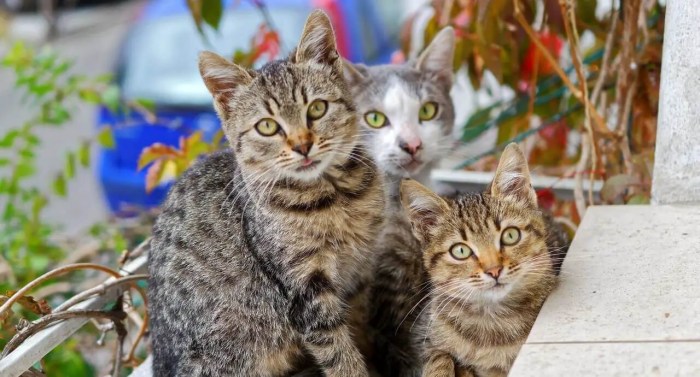
Source: thehalopets.com
Litter box problems, such as spraying, avoiding the box, or territorial marking, are common in multi-cat households. These issues can stem from various causes, including stress, medical conditions, and litter box aversion. Identifying the underlying cause is crucial for effective resolution.
Potential causes of litter box problems include stress related to changes in the household, competition with other cats, underlying medical conditions like urinary tract infections, and aversion to the litter box itself (due to unpleasant experiences). A veterinary checkup is essential to rule out any medical causes.
A troubleshooting guide for resolving litter box problems involves several steps. First, rule out medical causes with a vet visit. Then, assess the litter box setup – is there enough quantity and are they appropriately placed? Consider the litter type – does your cat prefer it? Address any signs of stress or conflict between cats.
Behavioral modification techniques, such as positive reinforcement for using the box and redirection for inappropriate elimination, can also be helpful.
- Cat starts avoiding the litter box: Observe the behavior and location of elimination.
- Veterinary Checkup: Rule out medical causes.
- Litter Box Assessment: Evaluate quantity, placement, and type.
- Stress Assessment: Identify potential stressors in the environment.
- Behavioral Modification: Redirect inappropriate elimination and reward box usage.
- Consult a Behaviorist: If problems persist, seek professional help.
Litter Box Territories & Hierarchy
Cats establish territories around litter boxes, often marking them with scent. This behavior is a natural way for cats to communicate and assert their dominance. Understanding these territorial dynamics is essential for minimizing conflict in multi-cat households.
Scent marking, through urine spraying or scratching, is a key component of litter box behavior. Cats deposit pheromones in their urine and on surfaces, signaling their presence and ownership. This can lead to territorial disputes if cats feel their access to the litter box is threatened.
Minimizing territorial disputes involves providing ample litter boxes, strategically placed throughout the house. Ensure that all cats have equal access to each box, and avoid allowing one cat to guard a box and restrict access for others. Regular cleaning helps remove scent markings and reduce territorial tension.
Introducing new litter boxes to existing cats without causing conflict requires a gradual approach. Place the new box in a neutral area, away from existing boxes. Allow cats to explore the new box at their own pace. Avoid forcing cats to use the new box. You can try placing a small amount of used litter from an existing box in the new box to make it more familiar.
Special Considerations for Senior Cats & Kittens
Senior cats and kittens have unique litter box needs that require special attention. Senior cats may experience mobility issues and require easier access to the box, while kittens need smaller boxes and softer litter.
Accommodating kittens involves providing smaller litter boxes that are easy for them to enter and exit. Soft, dust-free litter is gentler on their paws. Monitor their litter box habits closely, as kittens are still learning appropriate elimination behavior.
Age-related health problems, such as arthritis or kidney disease, can impact litter box habits. Senior cats may have difficulty getting in and out of the box, or they may experience increased urination due to kidney problems. Providing low-sided litter boxes and ensuring easy access can help alleviate these issues.
| Cat Age | Litter Box Size | Litter Type | Accessibility |
|---|---|---|---|
| Kittens | Small | Soft, dust-free | Easy to enter and exit |
| Adult Cats | Medium to Large | Variety of options based on preference | Accessible in multiple locations |
| Senior Cats | Low-sided | Soft, unscented | Easy access, potentially ramp |
Maintaining a Clean Litter Box Environment
Maintaining a clean litter box environment extends beyond just scooping. Regular sanitation is essential for preventing the buildup of bacteria and parasites, and for ensuring a healthy and hygienic space for your cats.
Deep cleaning litter boxes involves completely emptying the box, washing it with a mild, unscented soap and warm water, and allowing it to dry thoroughly before refilling with fresh litter. Avoid using harsh chemicals like bleach, as these can be harmful to cats. A solution of diluted white vinegar can be used to disinfect the box.
Using liners can simplify the cleaning process. Liners make it easier to remove the entire contents of the box at once, reducing the amount of scrubbing required. However, ensure that the liners are securely fastened to prevent cats from getting tangled.
Preventing the spread of bacteria and parasites involves regular cleaning, proper ventilation, and avoiding cross-contamination. Wash your hands thoroughly after handling litter, and disinfect any tools used for cleaning.
Behavioral Enrichment & Litter Box Usage
Environmental enrichment can positively influence litter box habits. Providing cats with a stimulating and engaging environment can reduce stress and anxiety, which can contribute to litter box problems.
Providing cats with safe spaces and opportunities for play is crucial for their well-being. Cats need places to retreat and relax, as well as opportunities to express their natural behaviors, such as hunting and scratching. Reducing stress can significantly improve litter box usage.
- Interactive Play: Daily play sessions with toys like feather wands or laser pointers.
- Scratching Posts: Provide multiple scratching posts in different locations.
- Climbing Structures: Cat trees or shelves allow cats to explore vertical space.
- Puzzle Feeders: Engage cats’ minds and provide mental stimulation.
- Safe Havens: Create quiet, secluded areas where cats can retreat.
Summary
Navigating the world of multiple cat litter can feel overwhelming, but with a little planning and understanding of your cats’ individual needs, you can create a peaceful and hygienic space for everyone. From choosing the right litter box styles and litter types to addressing behavioral issues and maintaining a spotless environment, this guide provides the tools and knowledge you need to thrive in a multi-cat home.
Remember, a happy cat is a clean cat, and a clean litter box is the foundation for a happy, harmonious household!
User Queries
How many litter boxes do I
-really* need?
The general rule is the “N+1” rule – meaning one more litter box than the number of cats you have. So, with two cats, you need three litter boxes, and so on. This helps prevent territorial disputes and ensures everyone has a clean option.
My cats are fighting over the litter box – what can I do?
Strategic placement is key! Separate litter boxes in different areas of the house, and consider offering different types of litter or box styles to cater to individual preferences. Ensure each cat has easy, unobstructed access to at least one box.
What’s the best type of litter for multiple cats?
Clumping clay litter is popular for its odor control and ease of scooping, but crystal litter can be a good option for dust reduction. Wood or paper litter are eco-friendly choices. Observe your cats’ preferences – some prefer fine-grained litter, while others prefer coarser textures.
How often should I clean the litter boxes?
Scoop at least once a day, ideally twice. A deep clean (emptying and disinfecting the entire box) should be done every 1-2 weeks, depending on the litter type and number of cats.
My cat is suddenly avoiding the litter box – what does that mean?
This could be due to stress, a medical condition, or a dislike of the litter box itself. Rule out medical issues with a vet visit, then assess the litter box environment – is it clean, accessible, and in a safe location?
Can I use scented litter?
Generally, it’s best to avoid scented litter. Many cats are sensitive to strong smells and may avoid the box as a result. Focus on good ventilation and regular cleaning instead.
How do I introduce a new litter box to my existing cats?
Place the new box near an existing one, allowing cats to investigate it at their own pace. Don’t force them to use it. You can try placing some used litter from the old box in the new one to make it more familiar.

