Let’s be honest, finding litter tracked all over your house is a universal pet owner frustration. Tiny clay particles clinging to fur and paws, then migrating across carpets and floors – it’s a constant battle! Thankfully, there’s a solution gaining popularity: no tracking litter. This isn’t just a clever name; it’s a whole new approach to cat hygiene that promises cleaner floors and happier homes.
We’ll dive deep into what makes these litters different, explore the various types available, and help you navigate the transition to a tracking-free life with your feline friend.
The core idea behind no tracking litter is simple: minimize the amount of litter that sticks to your cat and gets carried around. Traditional clay litters, with their fine, dusty particles and static cling, are notorious for tracking. No tracking litters combat this by using larger particle sizes, different materials, and sometimes even innovative technologies to keep litter where it belongs – in the box.
Understanding “No Tracking” Litter
The little trails of litter that follow your cat around the house? We’ve all been there. It’s a common frustration for cat owners, leading to extra vacuuming and a general feeling of… well, mess. “No tracking” litter aims to solve that problem, offering a cleaner home and potentially a happier cat. But what exactlyis* it, and how does it work?
This guide will break down everything you need to know about this increasingly popular litter option.Traditional clay litters are notorious for tracking. The small, often irregularly shaped clay particles easily cling to your cat’s fur and paws. As they move around the house, these particles shake off, creating a trail of litter dust and granules. Particle size plays a huge role – smaller particles track more easily.
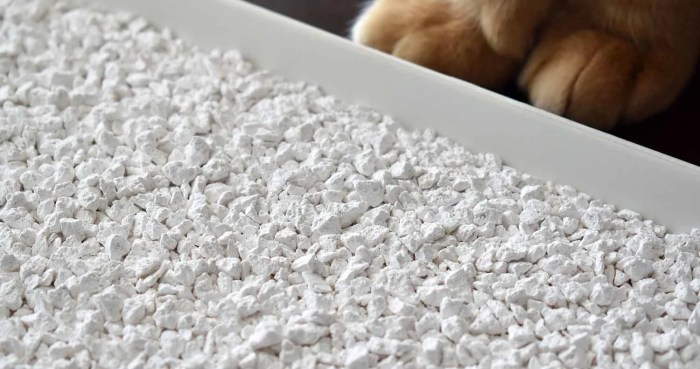
Static cling also contributes significantly; dry air, especially during winter months, exacerbates the problem, causing litter to stick to fur like magnets. Even larger clay granules can break down into smaller pieces as they’re used, increasing the tracking potential.”No tracking” litters utilize different materials and designs to minimize this issue. Common options include large pellets (often wood or paper-based), compressed wood, and silica gel crystals.
The larger size and unique properties of these materials significantly reduce the likelihood of particles sticking to fur and paws.The environmental impact of different litter types is a crucial consideration. Traditional clay litters are often strip-mined, a process with significant environmental consequences. They’re also non-biodegradable, ending up in landfills. “No tracking” alternatives, particularly those made from wood, paper, wheat, or corn, often offer more sustainable options.
However, it’s important to research the sourcing and manufacturing processes of each material to fully understand its environmental footprint. For example, sustainably harvested wood pellets are a much better choice than those from old-growth forests.
Types of No Tracking Litter: A Comparative Overview
Choosing the right “no tracking” litter can feel overwhelming with so many options available. Here’s a breakdown to help you navigate the choices:
| Material | Tracking Level (1-5 scale, 1=Minimal, 5=High) | Odor Control | Dust Level | Cost |
|---|---|---|---|---|
| Wood Pellets | 1-2 | Good (especially pine) | Low | Moderate |
| Paper Pellets | 1-3 | Fair (often requires baking soda) | Very Low | Moderate |
| Wheat Litter | 2-3 | Good (natural enzymes) | Low | Higher |
| Corn Litter | 2-4 | Fair (can be prone to mold) | Low-Moderate | Moderate |
| Silica Gel Crystals | 1 | Excellent (absorbs odors) | Very Low | Higher |
Wood pellets, often made from pine or fir, are a popular choice due to their excellent odor control and low tracking. However, some cats initially resist the texture, finding it too hard or unfamiliar. Gradual mixing with their old litter is often the key to successful transition. The larger size significantly reduces tracking, but the texture can be a barrier for some felines.Paper-based litters are incredibly low-dust, making them a good option for cats and owners with respiratory sensitivities.
While they offer minimal clumping, their absorbency is decent, especially when combined with baking soda. The lack of clumping can mean more frequent full litter box changes.Wheat and corn litters are derived from natural sources and often contain enzymes that help control odors. However, cats with allergies to grains may react negatively. It’s crucial to monitor your cat for any signs of allergic reaction, such as skin irritation or digestive upset.Silica gel crystals are known for their exceptional moisture absorption and odor control.
They don’t clump but instead absorb liquid, requiring less frequent full litter box changes. However, they can be more expensive than other options and some cats dislike the feel of the crystals under their paws. Ingestion of silica gel crystals is also a potential concern, though rare.
Feline Preferences and Litter Box Habits
A cat’s litter box preferences aren’t random; they’re influenced by a variety of factors. Age, breed, and personality all play a role. Kittens are often more adaptable, while older cats can be more set in their ways. Certain breeds, like Persians, may be more sensitive to dust and texture. A shy or anxious cat might prefer a secluded litter box location.Litter box size and placement are also critical.
The box should be large enough for the cat to comfortably turn around and dig. Placement should be in a quiet, accessible location, away from high-traffic areas and noisy appliances. For “no tracking” litters, a mat placed outside the litter box can further contain any stray particles.Transitioning a cat to a new litter type requires patience and a gradual approach.
Start by mixing a small amount of the “no tracking” litter with their existing litter, gradually increasing the proportion over several days or weeks. Observe your cat’s behavior closely for any signs of aversion.Behavioral issues related to litter box usage can stem from various causes, including medical problems, stress, and litter box dissatisfaction. A sudden aversion to a new litter type could indicate a medical issue, so a vet visit is always a good first step.Here’s a flowchart to guide you through troubleshooting litter box problems when switching to a “no tracking” litter:
1. Problem
Cat avoiding the litter box.
2. Step 1
Rule out medical issues (vet visit).
3. Step 2
Is the litter box clean enough? (Increase cleaning frequency).
4. Step 3
Is the litter type acceptable? (Gradual transition, offer multiple litter box options).
5. Step 4
Is the litter box location suitable? (Relocate to a quieter, more accessible spot).
6. Step 5
If problems persist, consult a veterinary behaviorist.
Performance Metrics: Evaluating “No Tracking” Litter
Objectively assessing the performance of “no tracking” litters is essential for making informed choices. Several factors contribute to overall effectiveness, including odor control, absorbency, and dust generation.Measuring absorbency involves weighing a sample of litter, adding a specific amount of liquid (simulating urine), and then weighing the litter again. The difference in weight indicates the amount of liquid absorbed. Comparing absorbency rates between different litter types provides a valuable benchmark.Dust levels are a significant concern for both cats and owners.
Excessive dust can irritate respiratory systems and exacerbate allergies. A simple test involves pouring a small amount of litter into a clear container and shaking it vigorously. The amount of dust that settles indicates the litter’s dustiness.Assessing odor control requires subjective evaluation, but can be supplemented by measuring ammonia levels in the litter box. Ammonia is a primary contributor to the unpleasant odor associated with cat urine.Here’s a scoring system to help evaluate “no tracking” litter performance:
| Category | Score (1-5, 1=Poor, 5=Excellent) | Description |
|---|---|---|
| Absorbency | How well the litter absorbs liquid. | |
| Odor Control | Effectiveness in neutralizing odors. | |
| Dust | Amount of dust generated. | |
| Tracking | Level of litter tracking. |
Maintenance and Cleaning with “No Tracking” Litter
Proper maintenance is key to maximizing the effectiveness of any litter, including “no tracking” options. Cleaning procedures vary depending on the litter type. Wood and paper pellets typically require scooping solids daily and replacing the entire box every 2-4 weeks. Silica gel crystals are scooped daily to remove solids, and the crystals are stirred to redistribute them. Full litter box changes are needed less frequently, typically every 1-2 months.Clump removal isn’t applicable to all “no tracking” litters (e.g., silica gel crystals).
However, some wood pellet litters may form small clumps, which can be easily broken up and removed.Disposing of used “no tracking” litter responsibly is important. Wood and paper pellets can often be composted, provided they haven’t been contaminated with feces. Check local regulations regarding composting pet waste. Silica gel crystals are generally not compostable and should be disposed of in the trash.To minimize odor and bacterial growth, regularly disinfect the litter box with a pet-safe cleaner.
Avoid harsh chemicals that could irritate your cat.Here’s a weekly litter box cleaning schedule:
- Daily: Scoop out solid waste.
- Weekly: Empty and wash the litter box with a pet-safe cleaner.
- Monthly: Replace all litter and thoroughly disinfect the litter box.
Cost Considerations and Value Assessment
Source: welovecatsandkittens.com
The initial cost of “no tracking” litter can be higher than traditional clay litters. However, long-term costs depend on factors like litter consumption rate and box cleaning frequency. Some “no tracking” litters, like silica gel crystals, require less frequent full box changes, potentially offsetting the higher upfront cost.Factors impacting overall cost include the amount of litter used per week, the frequency of litter box changes, and the cost of disposal.
Consider the value proposition beyond just the price per bag. Reduced cleaning time, improved air quality, and potential health benefits for your cat all contribute to the overall value.Here’s a cost-benefit analysis table comparing two “no tracking” litter types over a 6-month period:
| Litter Type | Cost per Bag (20 lbs) | Bags Needed (6 Months) | Total Litter Cost |
|---|---|---|---|
| Wood Pellets | $15 | 6 | $90 |
| Silica Gel Crystals | $25 | 3 | $75 |
To calculate the monthly cost, divide the total litter cost by 6 (months). Factor in disposal costs (if applicable) and any additional expenses, such as litter box liners.
Addressing Common Concerns and Misconceptions
Some cats initially resist “no tracking” litter due to the unfamiliar texture or scent. Encouraging acceptance involves gradual mixing with their old litter and providing multiple litter box options. Sprinkling catnip in the new litter can also help entice them.The perception that “no tracking” litters are always more expensive isn’t always accurate. While some options are pricier, others, like wood pellets, can be surprisingly affordable.
Buying in bulk and comparing prices from different retailers can help save money.Concerns about the environmental impact of certain “no tracking” litter materials are valid. Opting for sustainably sourced wood pellets, paper pellets, or compostable options can mitigate these concerns.Common myths surrounding “no tracking” litter include the belief that they’re ineffective at odor control or that all cats will reject them.
Factual information and careful product selection can dispel these misconceptions.
“No tracking litter offers a win-win solution for both cats and their owners, providing a cleaner home, reduced cleaning time, and potentially improved respiratory health for your feline friend.”
Innovative Developments in “No Tracking” Litter Technology
The “no tracking” litter market is constantly evolving, with new technologies and materials emerging. Researchers are exploring biodegradable and compostable options made from agricultural byproducts, such as hemp and flax.Natural ingredients and essential oils are being incorporated into “no tracking” litters to enhance odor control and appeal to cats. Lavender, chamomile, and valerian are popular choices for their calming and pleasant scents.Self-cleaning litter boxes are becoming increasingly sophisticated, designed to work optimally with “no tracking” litter.
These automated systems can significantly reduce the time and effort required for litter box maintenance.Imagine a future “no tracking” litter product made from mycelium (mushroom roots), a rapidly renewable and biodegradable material. This litter would incorporate activated charcoal for superior odor control and be infused with calming pheromones to reduce feline stress. The product would be packaged in a compostable bag, further minimizing its environmental impact.
Final Wrap-Up
From wood pellets to silica gel crystals, the world of no tracking litter offers a surprising range of options. Choosing the right one for your cat involves considering their preferences, your budget, and your environmental concerns. While the initial cost might be slightly higher for some types, the long-term benefits – reduced cleaning time, improved air quality, and a happier cat – often outweigh the investment.
Making the switch to no tracking litter is a small change that can make a big difference in your home and your life with your furry companion.
Ultimately, a little research and a willingness to experiment can lead you to the perfect no tracking solution, leaving you with more time to enjoy those precious moments with your cat, instead of battling litter trails!
FAQ Guide
Why is my cat suddenly avoiding the no tracking litter?
Cats can be picky! The texture and smell are different. Try adding a little of their old litter to the new one gradually, increasing the no tracking litter over a week or two. Also, ensure the box is in a quiet, accessible location.
Are all no tracking litters dust-free?
While they produce significantly less dust than clay, some still have a small amount. Silica gel crystals are generally the least dusty, while wood pellets can sometimes create a bit of fine dust when scooped.
Can I compost used no tracking litter?
It depends on the material. Wood, paper, wheat, and corn litters are generally compostable, but always check the manufacturer’s instructions. Silica gel crystals are
-not* compostable.
Is no tracking litter really more expensive?
Initially, yes, some types can be pricier. However, because they often absorb more and require less frequent changes, the long-term cost can be comparable or even lower than clay litter.
What size litter box do I need for no tracking litter?
Larger litter boxes are generally better, especially with pellet-style litters. Aim for at least 1.5 times the length of your cat.

