The majestic Norwegian Forest Cat, with its thick, water-resistant coat and gentle personality, has captivated cat lovers worldwide. Bringing one of these beautiful kittens into your home is a big decision, and understanding the associated costs is a crucial first step. This guide dives deep into the world of Norwegian Forest Cat kitten pricing, exploring everything from breeder reputation and health testing to potential hidden expenses and financing options, so you can be fully prepared for the joys (and responsibilities!) of welcoming a “Wegie” into your family.
We’ll break down the factors that influence the price you’ll pay, compare purchasing from breeders versus rescues, and provide a realistic look at the ongoing costs of caring for this unique breed. Whether you’re dreaming of a show-quality champion or a loving companion, this information will help you navigate the process with confidence and make an informed decision.
Understanding the Cost of Norwegian Forest Cat Kittens
Bringing a Norwegian Forest Cat kitten into your home is a big decision, and it’s not just about the initial cuteness overload. These magnificent cats, with their thick, water-resistant coats and gentle personalities, are a joy to own, but understanding the financial commitment is crucial. Many potential owners find themselves researching pricing information, and for good reason. The cost of a Norwegian Forest Cat kitten can vary significantly, and it’s important to be prepared for both the upfront and ongoing expenses.
This guide will break down everything you need to know about the price of a Norwegian Forest Cat kitten, from breeder reputation to potential hidden costs.
Factors Influencing Price – Breeder Reputation & Location
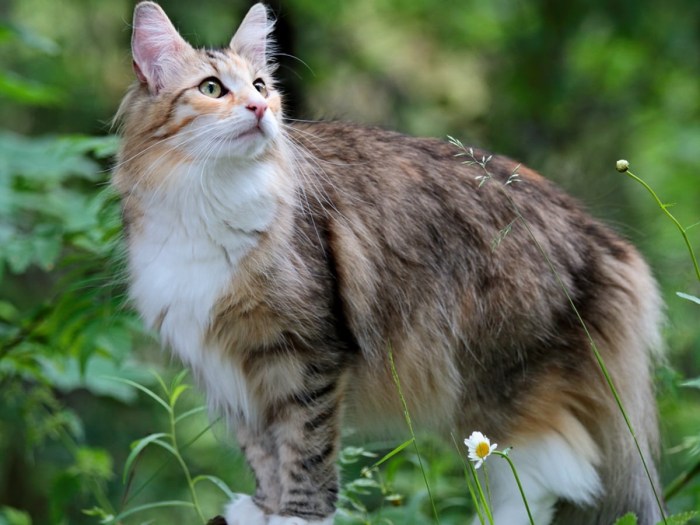
Source: ctfassets.net
The price of a Norwegian Forest Cat kitten isn’t a fixed number. Several factors play a significant role, with breeder reputation being a primary driver. Reputable breeders invest heavily in their cats’ health and well-being. They typically conduct genetic testing for conditions like Hypertrophic Cardiomyopathy (HCM) and hip dysplasia, ensuring their kittens are as healthy as possible. They also prioritize socialization, exposing kittens to various stimuli and people from a young age, which contributes to a well-adjusted temperament.
Experience also matters; breeders with a long history of producing healthy, well-socialized kittens often command higher prices. Show-quality kittens, bred specifically to meet breed standards for competition, are generally the most expensive.Examples of reputable breeders often participate in cat shows, are members of recognized cat associations (like CFA or TICA), and are transparent about their breeding practices. They’ll happily answer your questions about their cats’ lineage, health history, and socialization methods.
They often have waiting lists, a testament to their quality and demand.Geographic location also impacts pricing. Kittens in major metropolitan areas or regions with high demand tend to be more expensive due to higher operating costs for breeders and increased competition. Regional variations exist as well; for instance, areas with fewer breeders might see higher prices due to limited supply.
| Region | Average Price Range | Typical Breeder Characteristics |
|---|---|---|
| Northeast (Maine, Vermont) | $1800 – $3500 | Often experienced breeders, may specialize in show-quality cats, strong emphasis on lineage. |
| Midwest (Michigan, Ohio) | $1500 – $2800 | Good balance of quality and affordability, many breeders focus on health and temperament. |
| South (Texas, Florida) | $1400 – $2600 | Price can vary significantly based on breeder reputation and demand. |
| West (California, Washington) | $2000 – $4000+ | Higher prices due to high demand and operating costs, many show breeders. |
Price Breakdown: Initial Costs & Ongoing Expenses
The initial purchase price of a Norwegian Forest Cat kitten is just the beginning. Prices can range from $1,000 to $4,000 or more, depending on the kitten’s quality and the breeder. Rescues and shelters occasionally have Norwegian Forest Cats or mixes, and adoption fees are typically much lower, ranging from $75 to $300.Here’s a breakdown of potential initial costs:
- Registration Fees: $20 – $100 (if purchasing from a breeder with registered lines)
- Health Certificates: $75 – $200 (required by most breeders to prove health)
- Vaccinations: $75 – $150 (typically includes initial kitten vaccinations)
- Spaying/Neutering: $100 – $300 (often done by the breeder, but may be your responsibility)
Ongoing expenses are equally important to consider. These include:
- Food: $50 – $100 per month (high-quality cat food is essential)
- Litter: $30 – $50 per month
- Vet Care: $100 – $300 per year (annual checkups, vaccinations)
- Toys: $20 – $50 per month
- Grooming: $50 – $150 per year (occasional professional grooming to manage their thick coat)
Here’s a sample monthly budget for a Norwegian Forest Cat:
- Food: $75
- Litter: $40
- Treats: $20
- Toys: $30
- Vet Savings: $50 (for unexpected expenses)
- Total: $215
Kitten Quality & Price Correlation
Norwegian Forest Cat kittens are categorized based on their quality, which significantly impacts their price. The three main categories are pet-quality, show-quality, and breeding-quality.Pet-quality kittens are healthy and well-socialized but may have minor cosmetic flaws that prevent them from being shown. These are typically the most affordable, ranging from $1,000 to $2,000. Show-quality kittens meet the breed standard perfectly and are intended for cat shows.
They command higher prices, often $2,500 to $4,000 or more. Breeding-quality kittens possess exceptional genetics and conformation, making them suitable for breeding programs. These are the most expensive, potentially exceeding $4,000.Health testing is paramount, regardless of the kitten’s intended purpose. Reputable breeders screen for HCM and hip dysplasia, and provide documentation of these tests. A kitten with documented health testing is inherently more valuable.Identifying a healthy kitten involves observing their behavior, coat condition, and physical appearance.
Look for bright, clear eyes, a clean and shiny coat, a healthy appetite, and playful energy. A kitten should be alert and responsive, and free from any signs of illness, such as sneezing, coughing, or diarrhea.
Purchasing Options: Breeders vs. Rescues
Choosing between purchasing from a reputable breeder and adopting from a rescue organization is a personal decision. Both options have their benefits and drawbacks.Breeders offer the advantage of knowing the kitten’s lineage and health history. They often provide guarantees against genetic diseases and offer ongoing support. However, kittens from breeders are generally more expensive.Rescues and shelters provide loving homes for cats in need.
Adoption fees are significantly lower, and you’re giving a deserving cat a second chance. However, you may not know the kitten’s full history or genetic background.
| Source | Typical Price | Pros | Cons |
|---|---|---|---|
| Reputable Breeder | $1,000 – $4,000+ | Known lineage, health guarantees, socialization, breeder support. | Higher cost, potential waiting lists. |
| Rescue Organization | $75 – $300 | Lower cost, giving a cat a home, often vaccinated and spayed/neutered. | Unknown history, potential behavioral issues, limited genetic information. |
Health Guarantees & Contracts
Health guarantees are a crucial aspect of purchasing a kitten from a reputable breeder. A typical health guarantee should cover genetic diseases like HCM and congenital defects for a specific period, often one to two years. It’s essential to read the guarantee carefully and understand its limitations.A purchase contract Artikels the terms of the sale, including the kitten’s price, health guarantee, and breeder responsibilities.
Key clauses to look for include a return policy if the kitten develops a serious health condition, and a spay/neuter agreement. Sample Contract Clause (Health Guarantee): “Seller guarantees that the kitten is free from any genetic defects or congenital diseases for a period of one year from the date of purchase. Should the kitten be diagnosed with a covered condition by a licensed veterinarian, Seller will [specify remedy, e.g., replace the kitten with a similar quality kitten, refund a portion of the purchase price].”
Regional Price Variations: A Detailed Look
Average kitten prices vary across the United States. The Northeast and West Coast generally have higher prices due to higher demand and operating costs. The Midwest and South tend to be more affordable.
- Northeast: $1,800 – $3,500
- Midwest: $1,500 – $2,800
- South: $1,400 – $2,600
- West: $2,000 – $4,000+
Breeders in California, known for their high demand, often charge premium prices. Maine breeders, with a long history of the breed, also tend to be on the higher end. Texas breeders may offer more competitive pricing.
Outcome Summary
From initial purchase price to ongoing care, owning a Norwegian Forest Cat kitten is an investment – one that brings immense joy and companionship. We’ve explored the various factors impacting the price, highlighting the importance of responsible breeders, health testing, and budgeting for unexpected expenses. Ultimately, the cost is secondary to finding a healthy, well-socialized kitten that will thrive in your home, and with the knowledge gained here, you’re well-equipped to embark on this rewarding journey.
Remember to prioritize ethical breeders and consider adoption as a wonderful alternative. With careful planning and a loving heart, you can welcome a magnificent Norwegian Forest Cat kitten into your life and enjoy years of unforgettable moments.
Query Resolution
What’s the difference between a pet-quality and a show-quality Norwegian Forest Cat kitten?
Pet-quality kittens are healthy and have good temperaments but may have minor cosmetic flaws that don’t meet show standards. Show-quality kittens have exceptional conformation to the breed standard and are intended for showing. This difference significantly impacts the price.
Do Norwegian Forest Cats require a lot of grooming?
While their thick coat is beautiful, it does require regular grooming – ideally 2-3 times a week – to prevent mats and tangles. Professional grooming can add to the ongoing expenses.
What is HCM and why is it important to screen for it?
HCM (Hypertrophic Cardiomyopathy) is a heart condition common in some breeds, including Norwegian Forest Cats. Reputable breeders will screen their cats for HCM, and kittens from screened lines are generally more expensive but offer peace of mind.
Can I find Norwegian Forest Cat kittens at a local animal shelter?
While rare, it’s possible! Shelters and rescues sometimes receive Norwegian Forest Cats or mixes. Adoption fees are typically much lower than purchasing from a breeder.
What should I look for in a reputable Norwegian Forest Cat breeder?
A reputable breeder will be knowledgeable about the breed, health test their cats, provide a health guarantee, allow you to visit their cattery, and be open to answering your questions.
What kind of food is best for a Norwegian Forest Cat kitten?
High-quality kitten food formulated for growth is essential. Look for a food with a high protein content and avoid fillers. Your vet can provide specific recommendations.
Are there any specific health concerns I should be aware of with Norwegian Forest Cats?
Besides HCM, they can be prone to hip dysplasia and pyruvate kinase deficiency. Discuss these potential concerns with your veterinarian and ensure the breeder has screened for them.

