Norwegian Forest Kitten Price A Complete Guide & Breakdown

Thinking about welcoming a fluffy Norwegian Forest kitten into your home? These majestic cats, known for their Viking heritage and stunning coats, are truly special. But before you fall head over heels, it’s important to understand the costs involved. This guide breaks down everything you need to know about Norwegian Forest kitten prices, from initial purchase to ongoing care, helping you budget responsibly and find your perfect feline companion.
Norwegian Forest cats, or “Wegies” as they’re affectionately called, boast a rich history rooted in the forests of Norway. Their thick, water-resistant coats and robust builds are a testament to their origins, while their playful yet affectionate personalities make them wonderful family pets. Understanding these characteristics, and the factors that influence their price, is key to making an informed decision.
Understanding Norwegian Forest Kittens
The Norwegian Forest cat, or “Wegie” as they’re affectionately known, is a breed steeped in Scandinavian folklore and history. Originally hailing from the forests of Norway, these cats were prized for their hardiness and ability to withstand harsh weather conditions. They were often depicted in Norse sagas and tapestries, suggesting a long and intertwined relationship with humans. Their development as a recognized breed is relatively recent, with formal recognition occurring in the 1970s, though their existence has been documented for centuries.
Today, they’re beloved worldwide for their striking appearance and charming personalities.
Physical Characteristics of Norwegian Forest Kittens
Norwegian Forest kittens share many of the traits that define the breed, though they develop fully as they mature. Expect a kitten to be noticeably larger than your average domestic shorthair. Males typically weigh between 13-22 pounds, while females range from 8-16 pounds. Their bodies are long and muscular, built for agility and climbing. A defining feature is their double coat – a dense, water-repellent outer layer and a soft, woolly undercoat.
This coat provides excellent insulation against cold temperatures. Kitten coats are often shorter and less dense than those of adults, but the characteristic texture is still apparent. Eye color varies, but common shades include green, gold, copper, and blue. Their ears are large and tufted, and they possess a distinctive “lynx tip” – long, pointed fur on the backs of their ears.
Their paws are large and round, with tufts of fur between the toes, acting like natural snowshoes.
Personality Traits of Norwegian Forest Kittens
While known for their rugged appearance, Norwegian Forest kittens are surprisingly gentle and affectionate. They’re often described as “dog-like” in their loyalty and willingness to bond closely with their families. They’re playful and enjoy interactive games, but also appreciate quiet time and cuddling. They aren’t typically overly demanding of attention, exhibiting a pleasant level of independence. Early socialization is key to ensuring a well-adjusted adult cat; kittens who are exposed to various people, sounds, and experiences from a young age tend to be more confident and adaptable.
They are intelligent and can be trained to do simple tricks, and they often enjoy exploring their surroundings with a curious and cautious nature.
Factors Influencing Price: A Breakdown
Determining the price of a Norwegian Forest kitten isn’t a simple matter. Several factors contribute to the overall cost, and understanding these elements can help you make an informed decision. It’s important to remember that you’re not just buying a kitten; you’re investing in a healthy, well-socialized animal from a responsible breeder.
Breeder Reputation and Experience
The reputation and experience of the breeder are significant price drivers. Breeders who have been involved in the breed for many years, consistently produce healthy kittens, and are active in breed clubs often command higher prices. This reflects their expertise in genetics, health testing, and kitten rearing. Established breeders are more likely to have a deep understanding of the breed’s nuances and are committed to upholding breed standards.
Geographic Location
Where you live can impact the price. Kittens in urban areas or regions with high demand for Norwegian Forest cats tend to be more expensive than those in rural areas where breeders may be less common. The cost of living in a particular area also plays a role, as breeders must factor in their own expenses.
Lineage and Pedigree
A kitten’s lineage and pedigree significantly influence its value. Kittens from champion bloodlines or those with a documented history of health testing are generally more expensive. A pedigree provides valuable information about the kitten’s ancestry and potential genetic traits. It’s a record of the kitten’s ancestors, often including information about their show titles, health clearances, and other accomplishments.
Show Quality vs. Pet Quality
Breeders typically classify kittens as either “show quality” or “pet quality.” Show quality kittens closely adhere to the breed standard and possess exceptional physical characteristics, making them suitable for competition. These kittens are considerably more expensive, often costing several thousand dollars. Pet quality kittens are healthy and well-socialized but may have minor imperfections that prevent them from being shown. They are typically priced lower, making them a more accessible option for most families.
Price Ranges: What to Expect
The price of a Norwegian Forest kitten can vary widely depending on the factors discussed above. Here’s a general overview of what you can expect, broken down by different sources. Please note that these are estimates and actual prices may differ.
Price Range Table
| Breeder Type | Price Range (USD) | Description | Notes |
|---|---|---|---|
| Backyard Breeders | $500 – $1,500 | Often lack proper health testing and socialization. | Proceed with extreme caution; prioritize health and temperament. |
| Reputable Breeders | $1,500 – $4,000+ | Health tested, well-socialized, often with pedigree documentation. | Expect to be on a waiting list; thorough research is essential. |
| Rescue Organizations | $100 – $300 | Adoption fees cover basic care and often include initial vaccinations. | May not have pedigree information; health history may be limited. |
Specific Markings
Kittens with specific markings, such as bi-color (white and another color) or tabby patterns, may command slightly higher prices, particularly if the markings are exceptionally striking or rare within the breed. Expect an additional $100-$300 on top of the standard price range.
Male vs. Female
Historically, male Norwegian Forest kittens have sometimes been slightly more expensive than females, particularly for show prospects. However, this difference is becoming less pronounced, and price is more often determined by overall quality and lineage.
Age
Kittens typically go to their new homes between 8 and 12 weeks of age. An 8-week-old kitten might be slightly less expensive than a 12-week-old kitten, as the breeder has incurred fewer expenses in terms of food and care. However, a 12-week-old kitten is often better socialized and more prepared for life in a new home.
Breeder Costs & Justification
It’s easy to look at the price of a Norwegian Forest kitten and wonder why it’s so high. Responsible breeders incur significant expenses in raising healthy, well-adjusted kittens. Understanding these costs can help you appreciate the value of purchasing from a reputable source.
Expenses Incurred by Breeders
Breeding Norwegian Forest cats is not a get-rich-quick scheme. Breeders face ongoing expenses including high-quality food, regular veterinary care (including vaccinations and deworming), litter, toys, and enrichment items. They also invest time and effort in socializing the kittens, exposing them to various stimuli and ensuring they develop into confident and well-behaved adults.
Health Testing
Responsible breeders prioritize the health of their cats and conduct extensive health testing on their breeding stock. Common tests include screening for Hypertrophic Cardiomyopathy (HCM), a heart condition prevalent in cats, and patellar luxation, a knee joint problem. These tests can be costly, but they are essential for minimizing the risk of passing on genetic diseases to future generations. The cost of these tests is often factored into the price of the kittens.
Socialization and Temperament
Early socialization is crucial for developing a well-adjusted Norwegian Forest kitten. Breeders who invest time in handling, playing with, and exposing kittens to different people and environments are more likely to produce kittens with excellent temperaments. This investment in socialization contributes to the kitten’s overall value.
Adherence to Breed Standards and Ethical Practices
Breeders who adhere to breed standards and ethical practices, such as limiting the number of litters a female cat has and providing a stimulating and enriching environment for their cats, may charge more. This reflects their commitment to preserving the breed and ensuring the welfare of their animals.
Final Thoughts
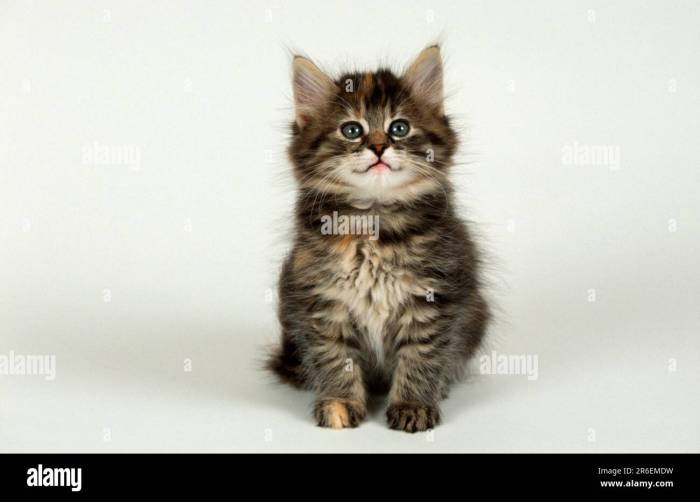
Source: alamy.com
Ultimately, bringing a Norwegian Forest kitten home is an investment – not just financially, but in years of companionship and joy. By understanding the various price points, breeder considerations, and potential hidden costs, you can ensure you’re prepared for the commitment and ready to provide a loving and enriching environment for your new furry friend. Remember to prioritize ethical breeders and consider adoption as a wonderful alternative, opening your heart and home to a deserving cat.
With careful planning and research, you can find the perfect Norwegian Forest kitten to complete your family and enjoy all the wonderful qualities this remarkable breed has to offer.
Answers to Common Questions
What’s the average price range for a Norwegian Forest kitten from a reputable breeder?
Generally, you can expect to pay between $1500 and $3000 from a reputable breeder. Prices can fluctuate based on lineage, markings, and breeder location.
Why are Norwegian Forest kittens so expensive?
The price reflects the breeder’s investment in health testing, quality breeding stock, socialization, and proper care for the kittens. Ethical breeders prioritize the health and well-being of their cats, which contributes to the higher cost.
Can I find a cheaper Norwegian Forest kitten from a backyard breeder?
While you might find kittens for less, it’s strongly discouraged. Backyard breeders often skip health testing and proper socialization, potentially leading to costly health and behavioral issues down the line.
Are there any adoption fees for Norwegian Forest mixes?
Adoption fees typically range from $75 to $250, depending on the rescue organization and the cat’s age and medical history. This is significantly less than purchasing from a breeder.
What health tests should breeders be performing on their breeding cats?
Responsible breeders should be testing for Hypertrophic Cardiomyopathy (HCM) and patellar luxation, among other potential health concerns. Ask for documentation of these tests.
Do male or female Norwegian Forest kittens cost more?
Generally, male kittens tend to be slightly more expensive than females, although this can vary depending on the breeder and the kitten’s characteristics.
What are some hidden costs I should factor in besides the initial purchase price?
Don’t forget about food, litter, toys, grooming supplies, vet care (including annual checkups and potential emergencies), and pet insurance.
How can I spot a disreputable breeder?
Red flags include unwillingness to show their facilities, lack of health testing documentation, kittens being sold at a very young age, and a general lack of concern for the cats’ well-being.
