Let’s face it, even the most beloved feline companions can leave behind some…aromas. Dealing with cat odors, especially from the litter box, is a common challenge for cat owners. But don’t despair! This guide dives deep into the science of cat smells, explores various litter types and odor-fighting ingredients, and provides practical tips and tricks to keep your home smelling fresh and your kitty happy.
We’ll cover everything from understanding the chemical compounds causing those smells to advanced odor control strategies and even DIY solutions.

We’ll break down the best practices for litter box maintenance, discuss the impact of ventilation and location, and explore how to tackle stubborn urine stains. Whether you’re struggling with a single cat or a multi-cat household, you’ll find actionable advice to conquer litter box odors and create a more pleasant living environment for everyone.
Understanding Cat Odors & Litter Box Issues
Dealing with cat odors is a common challenge for many cat owners. It’s not just about a “stinky litter box”; it’s a complex interplay of chemistry, behavior, and environment. Understanding the root causes of those smells is the first step to effectively controlling them. This section will break down the science behind cat odors, explore why cats sometimes eliminate inappropriately, and identify the different types of smells you might encounter.
Detail the Chemical Compounds Responsible for Common Cat Urine and Feces Odors
Cat urine is notoriously pungent, and the culprit is primarily urea, creatinine, and ammonia. Urea is a waste product from protein metabolism, while creatinine is a byproduct of muscle metabolism. When urine sits, bacteria break down urea into ammonia, which is responsible for that sharp, distinctive smell. The concentration of these compounds varies depending on the cat’s diet, hydration level, and overall health.
Feces odors are primarily due to volatile organic compounds (VOCs) produced by bacteria breaking down undigested food and waste products. Sulfur-containing compounds are particularly strong contributors to the smell. The specific VOCs present depend on the cat’s diet and gut microbiome.
Explain How Litter Box Environment (Humidity, Temperature) Impacts Odor Intensity
The environment surrounding the litter box significantly influences odor intensity. Higher humidity levels accelerate the bacterial breakdown of urine, leading to faster ammonia production and a stronger smell. Warm temperatures also speed up this process. Conversely, drier, cooler environments slow down bacterial activity, reducing odor. Think of it like this: a damp, warm bathroom will smell more strongly of urine than a dry, cool one.
Even slight changes in temperature can make a noticeable difference.
Discuss the Behavioral Reasons Behind Inappropriate Elimination and Its Link to Odor
Sometimes, a cat eliminates outside the litter box not because of a medical issue, but due to behavioral reasons. Stress, anxiety, territorial marking, or a dislike of the litter box itself (too small, wrong litter type, location) can all lead to inappropriate elimination. When a cat marks territory, they often spray small amounts of urine, which are highly concentrated and therefore smell particularly strong.
Repeated inappropriate elimination creates lingering odors that can further stress the cat and perpetuate the behavior.
Provide a Breakdown of Different Types of Cat Waste and Their Associated Smells
Different types of cat waste produce distinct odors. Urine, as mentioned, is characterized by ammonia. Feces typically have a more earthy, sulfurous smell. Vomit, depending on what the cat ate, can range from a mildly unpleasant odor to a very strong, acidic smell. The consistency of the waste also plays a role; diarrhea, for example, tends to have a stronger and more unpleasant odor than formed stool.
Understanding these differences can help you pinpoint the source of the odor and address it effectively.
Types of Kitty Litter & Their Odor Control Properties
Choosing the right kitty litter is crucial for odor control. Different litter types absorb or neutralize odors in different ways, and each has its own pros and cons. This section will compare and contrast common litter types, highlighting their odor control capabilities and other important factors.
Compare and Contrast Clay, Clumping Clay, Crystal/Silica Gel, Wood, Paper, and Plant-Based Litters
Clay litter is the traditional choice, known for its affordability. However, it doesn’t clump well and can be dusty. Clumping clay litters are more absorbent and form solid clumps, making scooping easier and containing odors better. Crystal/silica gel litter is highly absorbent and traps odors effectively. Wood litter, often made from pine or cedar, has a natural scent that can mask odors.
Paper litter is lightweight and dust-free but doesn’t control odors as well as other options. Plant-based litters, made from materials like corn, wheat, or walnut shells, are biodegradable and often have good odor control, though some cats may not like the texture.
Elaborate on How Each Litter Type Absorbs or Neutralizes Odors Differently
Clay litter primarily absorbs urine, but doesn’t neutralize odors. Clumping clay traps urine within the clumps, preventing it from spreading. Silica gel litter absorbs moisture and traps odors within its porous structure. Wood litter’s natural oils can mask odors, while also absorbing some moisture. Paper litter absorbs urine but doesn’t offer significant odor neutralization.
Plant-based litters often contain natural enzymes that break down odor-causing compounds.
Design a Table Comparing Litter Types Based on Odor Control, Dust Levels, Tracking, Cost, and Environmental Impact
| Litter Type | Odor Control | Dust Levels | Tracking | Cost | Environmental Impact |
|---|---|---|---|---|---|
| Clay | Low | High | High | Low | High (Non-biodegradable) |
| Clumping Clay | Moderate | Moderate | Moderate | Moderate | High (Non-biodegradable) |
| Silica Gel (Crystal) | High | Low | Low | High | Moderate (Manufacturing process) |
| Wood | Moderate | Low | Low | Moderate | Low (Renewable resource) |
| Paper | Low | Low | Low | Low | Low (Biodegradable) |
| Plant-Based | Moderate to High | Low to Moderate | Moderate | Moderate | Low (Biodegradable) |
Share the Science Behind How Silica Gel Absorbs Moisture and Controls Odor
Silica gel litter’s effectiveness stems from its unique molecular structure. It’s composed of amorphous silicon dioxide (SiO2), creating a highly porous material with countless tiny pores. These pores act like sponges, absorbing up to 40 times their weight in moisture. As the silica gel absorbs urine, it traps the odor-causing ammonia and other volatile compounds within its structure, preventing them from escaping into the air.
The large surface area also allows for efficient moisture absorption, keeping the litter dry and further inhibiting bacterial growth.
Active Ingredients in Odor-Controlling Litters
Many litters go beyond simple absorption and incorporate active ingredients to combat odors. Understanding how these ingredients work can help you choose the most effective litter for your cat.
Identify Common Odor-Absorbing Ingredients (Baking Soda, Activated Charcoal, Zeolites)
Baking soda (sodium bicarbonate) is a widely used odor absorber. Activated charcoal is another popular choice, known for its porous structure and ability to trap odors. Zeolites are naturally occurring minerals with a crystalline structure that can absorb ammonia and other odor-causing compounds.
Explain the Mechanism of Action for Each Ingredient – How They Work to Reduce Smells
Baking soda neutralizes acidic odors, like those from ammonia, through a chemical reaction. Activated charcoal adsorbs odor molecules onto its surface, essentially trapping them. Zeolites work by trapping ammonia molecules within their crystalline structure, preventing them from being released into the air.
Discuss the Effectiveness of Fragrance Masking Versus Odor Neutralization
Fragrance masking simply covers up odors with a stronger scent. While it might temporarily make the litter box smell better, it doesn’t address the underlying odor source. Odor neutralization, on the other hand, chemically alters or traps the odor molecules, eliminating them. Neutralization is a more effective and long-lasting solution.
Detail the Potential Drawbacks of Heavily Scented Litters for Sensitive Cats
Many cats are sensitive to strong fragrances. Heavily scented litters can irritate their respiratory systems, cause allergic reactions, or even deter them from using the litter box. It’s always best to choose a litter with minimal or no added fragrance, opting for odor neutralization instead.
Litter Box Maintenance for Optimal Odor Control
Regular and thorough litter box maintenance is essential for keeping odors under control. This section provides a step-by-step guide to cleaning and maintaining your cat’s litter box.
Organize a Step-by-Step Guide for Daily, Weekly, and Monthly Litter Box Cleaning Routines
* Daily: Scoop the litter box at least once a day, removing solid waste and clumps.
Weekly
Empty the entire litter box, wash it with mild soap and water, and refill with fresh litter.
Monthly
Deep clean the litter box with a pet-safe disinfectant. Consider using a litter box deodorizer during this process.
Demonstrate the Proper Scooping Technique to Maximize Odor Removal
When scooping, aim to remove all clumps and solid waste. Use a sturdy scoop and avoid breaking up clumps. Dispose of waste properly in a sealed bag.
Provide s on How to Thoroughly Clean and Disinfect the Litter Box Itself
After emptying the litter box, scrub it with warm water and mild soap. Rinse thoroughly and then disinfect with a pet-safe disinfectant. Allow the litter box to dry completely before refilling with fresh litter.
Share Tips for Managing Litter Box Placement to Minimize Odor Spread Throughout the Home
Place the litter box in a well-ventilated area, away from living spaces. Avoid placing it near air vents or heating/cooling units, as this can circulate odors throughout the house.
Advanced Odor Control Strategies
Beyond basic litter and cleaning, several advanced strategies can further minimize litter box odors.
Discuss the Use of Litter Box Liners and Their Impact on Odor Containment
Litter box liners can help contain odors and make cleaning easier. However, some liners can be noisy or slippery, which may deter cats from using the box. Choose liners specifically designed for litter boxes and ensure they are securely in place.
Elaborate on the Benefits of Self-Cleaning Litter Boxes and Their Odor Control Features
Self-cleaning litter boxes automatically scoop waste, reducing odor and minimizing maintenance. Many models also incorporate odor-absorbing filters or sealed waste containers.
Detail How Air Purifiers with HEPA and Activated Carbon Filters Can Reduce Litter Box Odors
Air purifiers with HEPA filters remove dust and allergens, while activated carbon filters absorb odor molecules. Placing an air purifier near the litter box can significantly reduce airborne odors.
Compare Different Types of Litter Box Enclosures and Their Effectiveness in Trapping Smells
Litter box enclosures can help contain odors and create a more aesthetically pleasing environment. However, enclosed boxes can also trap odors if not properly ventilated. Choose an enclosure with good ventilation or consider one with an activated carbon filter.
Addressing Specific Odor Problems
Persistent cat odors can be frustrating. This section addresses common odor problems and provides solutions.
Explain How to Identify and Address Persistent Urine Odors on Carpets and Furniture
Source: walmartimages.com
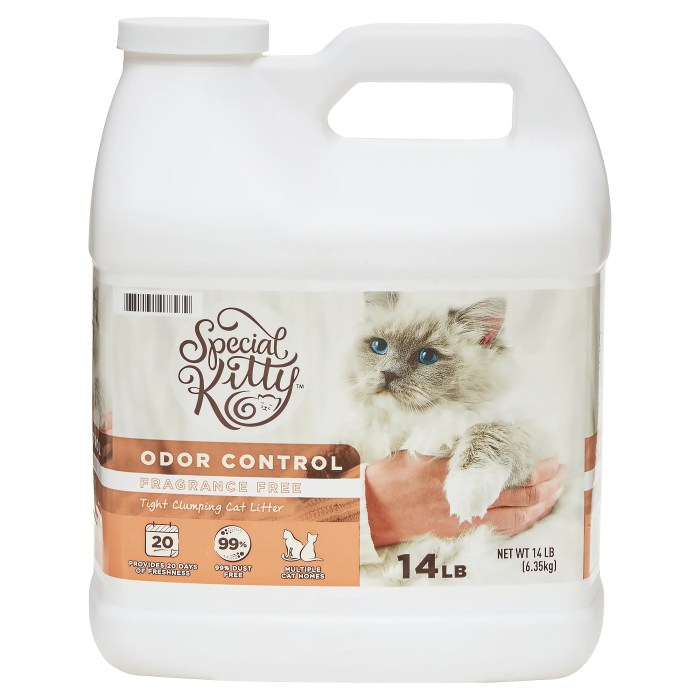
Urine odors on carpets and furniture are often caused by uric acid crystals, which are difficult to remove with regular cleaning. Use an enzymatic cleaner specifically designed for pet urine to break down these crystals.
Provide a Guide for Safely Removing Cat Urine Stains and Smells from Various Surfaces
For carpets, blot up as much urine as possible, then saturate the area with enzymatic cleaner. For furniture, use a damp cloth to apply the cleaner and blot dry. Always test the cleaner in an inconspicuous area first.
Discuss the Importance of Veterinary Checkups to Rule Out Underlying Medical Conditions Causing Odor
Certain medical conditions, such as urinary tract infections or kidney disease, can cause changes in urine odor. If you notice a sudden or unusual change in your cat’s urine smell, consult a veterinarian.
Detail How to Manage Litter Box Odor When Multiple Cats Share a Single Box
Multiple cats require more frequent litter box cleaning. Provide one litter box per cat plus one extra. Consider using a larger litter box or multiple boxes to accommodate the increased waste volume.
Natural & DIY Odor Control Solutions
For those seeking natural alternatives, several DIY odor control solutions can be effective.
Share Recipes for Homemade Litter Deodorizers Using Natural Ingredients (e.g., Essential Oils, Vinegar)
* Baking Soda Deodorizer: Sprinkle baking soda on the bottom of the litter box before adding litter.
Vinegar Rinse
Rinse the litter box with a diluted vinegar solution (1 part vinegar to 10 parts water) after cleaning.
Essential Oil Spray
Mix a few drops of cat-safe essential oil (lavender, chamomile) with water in a spray bottle and lightly mist the litter box (avoid spraying directly on the litter).
Discuss the Safety Considerations When Using Essential Oils Around Cats
Many essential oils are toxic to cats. Always research the safety of an essential oil before using it around your cat. Avoid using oils like tea tree, peppermint, and citrus.
Elaborate on the Effectiveness of Baking Soda as a Natural Odor Absorber
Baking soda is a highly effective natural odor absorber. Its alkaline properties neutralize acidic odors, making it ideal for combating ammonia smells.
Provide s for Creating a Simple Litter Box Deodorizing Sachet
Fill a small cloth bag with baking soda and a few drops of cat-safe essential oil. Place the sachet near the litter box to absorb odors.
Litter Box Location & Ventilation
Proper ventilation and strategic placement are key to minimizing litter box odors.
Explain How Proper Ventilation Can Significantly Reduce Litter Box Odors
Ventilation helps remove odor molecules from the air, preventing them from accumulating.
Discuss the Ideal Placement of Litter Boxes Within a Home, Considering Cat Preferences and Airflow
Place litter boxes in quiet, accessible locations away from high-traffic areas. Ensure there is adequate airflow around the litter box.
Detail How to Improve Ventilation Around the Litter Box Area (e.g., Using Fans, Opening Windows)
Use a fan to circulate air around the litter box. Open windows or use an exhaust fan to remove odors from the room.
Poor ventilation allows odor molecules to linger and concentrate, creating a persistent and unpleasant smell throughout the home. Regular airflow is crucial for maintaining a fresh and odor-free environment.
Choosing the Right Litter Box Size & Type
The size and type of litter box can impact both odor control and your cat’s comfort.
Discuss How Litter Box Size Impacts Odor Control and Cat Comfort
A larger litter box provides more space for waste absorption and reduces the likelihood of odors escaping.
Compare Different Litter Box Designs (Covered, Uncovered, Top-Entry) and Their Odor Control Properties
Covered litter boxes can trap odors, but they can also become smelly if not cleaned frequently. Uncovered litter boxes allow for better ventilation but offer less odor containment. Top-entry litter boxes can help reduce litter tracking but may not be suitable for all cats.
Elaborate on the Importance of Providing Enough Litter for Proper Absorption
A sufficient amount of litter (typically 3-4 inches) is necessary for proper absorption and odor control.
| Cat Size | Number of Cats | Recommended Litter Box Size (Length x Width) |
|---|---|---|
| Kitten/Small Cat | 1 | 12″ x 16″ |
| Adult Cat | 1 | 18″ x 24″ |
| Large Cat | 1 | 20″ x 28″ |
| Kitten/Small Cat | 2+ | 18″ x 24″ per cat |
| Adult Cat | 2+ | 20″ x 28″ per cat |
Dealing with Litter Dust & Its Contribution to Odor
Litter dust isn’t just an annoyance; it can also exacerbate odor problems.
Explain How Litter Dust Can Exacerbate Odor Problems
Dust particles can cling to odor molecules, keeping them suspended in the air and prolonging the smell.
Discuss the Health Risks Associated with Litter Dust for Both Cats and Humans
Litter dust can irritate the respiratory systems of both cats and humans, potentially triggering allergies or asthma.
Detail Strategies for Minimizing Litter Dust (e.g., Choosing Low-Dust Litters, Using a Dust Mask)
Choose low-dust litters, such as those made from paper or wood. Use a dust mask when cleaning the litter box.
Compare Different Types of Low-Dust Litters and Their Effectiveness
Paper litters are generally the lowest-dust option. Wood litters can also be relatively low-dust, depending on the manufacturing process.
Summary
From understanding the science behind cat odors to implementing proactive cleaning routines and exploring natural solutions, this guide equips you with the knowledge and tools to effectively manage litter box smells. By choosing the right litter, maintaining a clean environment, and employing smart strategies, you can significantly reduce odors and enjoy a fresher, more comfortable home. Remember, a happy cat and a fresh-smelling home are achievable goals with a little effort and the right approach!
Don’t hesitate to experiment with different litters and techniques to find what works best for your cat and your household. And always consult with your veterinarian if you suspect any underlying medical issues contributing to odor problems.
FAQ Explained
Why does cat urine smell so strong?
Cat urine contains uric acid crystals, which don’t readily break down like those in dog urine. This leads to a persistent, pungent odor. The concentration of the urine also plays a role – the more concentrated, the stronger the smell.
What’s the difference between odor absorption and odor neutralization?
Absorption means trapping the odor molecules, while neutralization chemically alters them to eliminate the smell. Neutralization is generally more effective in permanently removing odors.
Are heavily scented litters safe for my cat?
While they mask odors, heavily scented litters can irritate a cat’s sensitive respiratory system. Look for unscented or lightly scented options, and monitor your cat for any signs of discomfort like sneezing or excessive grooming.
How often should I completely empty and clean the litter box?
A full litter box cleaning should be done at least once a month, even with regular scooping. Use a mild, unscented soap and warm water to thoroughly disinfect the box.
Can I use vinegar to clean cat urine stains?
Yes, diluted white vinegar is a great natural cleaner for cat urine. It helps neutralize the odor and break down the uric acid crystals. Always test on an inconspicuous area first.
What if I have multiple cats, how do I manage the litter box odor?
Provide enough litter boxes – a general rule is one per cat plus one extra. Scoop frequently (at least once daily), and consider using larger litter boxes to accommodate multiple cats.
Is baking soda really effective for odor control?
Yes! Baking soda is a natural odor absorber. You can sprinkle it in the litter box or use it to deodorize carpets and furniture.

