Orange female tabby cats – they’re a delightful mix of fiery color, captivating patterns, and often, a wonderfully affectionate personality. These gorgeous felines have captured hearts for centuries, and there’s a lot more to them than just their striking appearance. We’ll dive into the genetics behind their unique coats, explore their behaviors, discuss their health needs, and uncover the fascinating history and cultural significance of these beloved companions.
Get ready to learn everything you ever wanted to know about these purrfectly charming kitties!
From the science of their orange hues and tabby markings to the nuances of their temperament and the best ways to care for them, this guide will provide a comprehensive look at what makes orange female tabby cats so special. We’ll also touch on their role in popular culture and offer practical advice for finding your own furry friend.
Orange Female Tabby Cats: A Comprehensive Guide
The allure of a warm, ginger-hued cat with striking stripes is undeniable. Orange female tabby cats are particularly special, a delightful combination of color and pattern that often comes with a charming personality. While orange tabbies are relatively common, the female variety is less frequent, making them even more sought after. This guide will delve into everything you need to know about these captivating felines, from their genetics to their care and cultural significance.
Defining Orange Female Tabby Cats
Source: kittenfoodworld.com
Understanding what makes an orange female tabby unique starts with genetics. The orange coloration isn’t controlled by a single gene, but by a sex-linked gene located on the X chromosome. This gene produces a pigment called pheomelanin, which results in the orange or red hues we see. The tabby pattern itself is a separate, autosomal gene, meaning it’s not linked to the sex chromosomes.The terms “orange” and “ginger” are often used interchangeably when describing these cats, and generally, they refer to the same color.
However, “ginger” sometimes implies a more reddish-brown shade, while “orange” can encompass a wider range of hues, from pale cream to deep apricot.The X chromosome plays a crucial role in coat color inheritance. Female cats have two X chromosomes (XX), while males have one X and one Y chromosome (XY). A female cat needs two copies of the orange gene (one on each X chromosome) to display orange coloration.
A male cat only needs one copy of the orange gene on his single X chromosome to be orange. This explains why orange cats are overwhelmingly male – it’s statistically less likely for a female to inherit two orange genes.The tabby pattern isn’t just one thing; it comes in several variations. The four main types are:* Classic Tabby: Characterized by swirling, marbled patterns.
Mackerel Tabby
Features narrow, parallel stripes resembling a fish skeleton.
Ticked Tabby
Displays a “agouti” effect, where each hair has bands of different colors, creating a salt-and-pepper appearance. Stripes are faint or absent.
Spotted Tabby
Shows distinct spots rather than stripes.Here’s a table summarizing the inheritance patterns:
| Trait | Male Inheritance | Female Inheritance | Notes |
|---|---|---|---|
| Orange Color | One orange gene (XOY) | Two orange genes (XOXO) | Sex-linked; males need only one copy, females need two. |
| Tabby Pattern | Dominant (Ta) | Dominant (Ta) | Autosomal; present if the gene is present. |
Physical Characteristics & Appearance
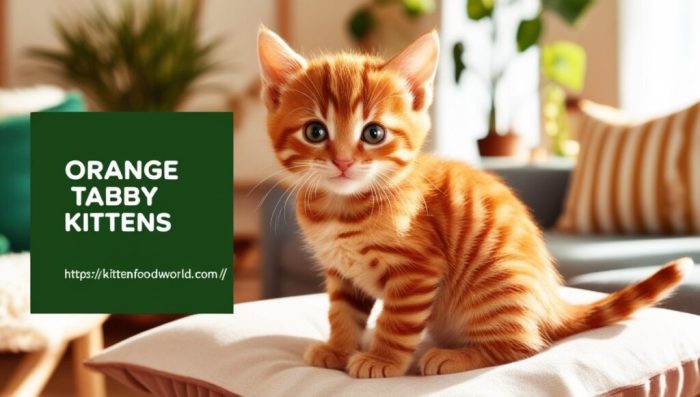
Orange female tabby cats typically have a medium build, ranging in weight from 8 to 12 pounds, though this can vary depending on their individual genetics and lifestyle. They are generally well-proportioned with a muscular frame.Eye color in these cats is diverse, with green, gold, and copper being the most common. Variations within these colors exist, from a vibrant emerald green to a warm, honey-colored gold.
The intensity of the eye color can also be influenced by the cat’s coat color and overall health.Tabby markings are the defining feature. Classic tabbies display bold, swirling patterns on their sides, often resembling a bullseye. Mackerel tabbies have distinct, parallel stripes running down their sides. Ticked tabbies have a more subtle, blended appearance, with faint markings on their face and legs.
Spotted tabbies, as the name suggests, have spots of varying sizes and shapes.Imagine a “perfect” orange female tabby: her fur is a rich, apricot color, soft and plush to the touch. The classic tabby pattern is clearly defined, with swirling markings that flow gracefully across her body. Her eyes are a striking emerald green, bright and alert. The clarity of the pattern is enhanced by a healthy, well-groomed coat.As orange female tabby cats age, their coat can undergo subtle changes.
The color may fade slightly, becoming a paler orange or cream. The tabby markings might become less distinct, and the fur may become coarser. Some cats may develop a silvery sheen, particularly around the face and paws.
Temperament and Behavior
Orange tabby cats, in general, are known for their affectionate and outgoing personalities. They are often described as “Velcro cats” because they love to be near their humans, seeking out cuddles and attention. They are typically playful and energetic, enjoying interactive games and exploring their surroundings.While both orange male and female tabbies share many of these traits, there are subtle differences.
Orange female tabbies are often perceived as being slightly more independent and reserved than their male counterparts. They may still be affectionate, but they might not be as overtly demanding of attention. They can be equally playful, but their play style might be more focused and less boisterous.Early socialization is crucial for shaping the temperament of any cat, including orange female tabbies.
Exposing kittens to a variety of people, animals, and environments during their critical socialization period (2-7 weeks of age) can help them develop into well-adjusted, confident adults.Common playful behaviors observed in orange female tabby cats include chasing toys, pouncing on unsuspecting objects, batting at dangling strings, and engaging in mock hunting games. They often enjoy interactive toys that mimic the movements of prey, such as feather wands and laser pointers.Here’s a list of activities to stimulate and entertain orange female tabby cats:
- Interactive play sessions with feather wands or laser pointers.
- Puzzle toys that dispense treats.
- Scratching posts to satisfy their natural scratching instincts.
- Catnip toys to provide a burst of playful energy.
- Window perches to allow them to observe the outside world.
- Climbing structures to satisfy their desire to climb and explore.
- A designated “hunting” area with hidden toys.
Health Considerations
Like all breeds, orange female tabby cats are predisposed to certain health problems. While not exclusively linked to their coat color, orange tabbies, as a group, may be slightly more prone to hypertrophic cardiomyopathy (HCM), a heart condition that causes thickening of the heart muscle. They can also be susceptible to kidney disease and urinary tract infections.Regular veterinary checkups are essential for maintaining the health of an orange female tabby.
Annual exams allow your veterinarian to monitor their overall health, detect any early signs of illness, and provide preventative care.Preventative care measures include vaccinations, parasite control (fleas, ticks, and worms), and a balanced diet. Maintaining a healthy weight is also crucial, as obesity can exacerbate many health problems.Recognizing signs of illness in orange female tabby cats is vital for prompt treatment.
These signs may include:* Changes in appetite or water consumption
- Lethargy or decreased activity
- Vomiting or diarrhea
- Difficulty breathing or coughing
- Changes in litter box habits
- Weight loss or gain
- Excessive grooming or hair loss
Here’s a table outlining common health issues, symptoms, and potential treatments:
| Issue | Symptoms | Treatment | Prevention |
|---|---|---|---|
| Hypertrophic Cardiomyopathy (HCM) | Difficulty breathing, coughing, lethargy, sudden death | Medication to manage symptoms, surgery in some cases | Regular cardiac screenings, genetic testing (if available) |
| Kidney Disease | Increased thirst and urination, weight loss, lethargy | Special diet, fluid therapy, medication | Regular blood and urine tests, maintaining a healthy weight |
| Urinary Tract Infections (UTIs) | Frequent urination, straining to urinate, blood in urine | Antibiotics, increased water intake | Encouraging water consumption, providing clean litter boxes |
Caring for an Orange Female Tabby
The ideal diet for an orange female tabby cat varies depending on her life stage. Kittens require a diet high in protein and calories to support their rapid growth. Adult cats need a balanced diet to maintain their health and energy levels. Senior cats may benefit from a diet formulated for older cats, which is often lower in calories and higher in fiber.Grooming is essential for maintaining a healthy coat.
Regular brushing (at least once a week) helps remove loose hair, prevent mats, and distribute natural oils. Bathing is generally not necessary unless the cat is particularly dirty or has a skin condition.The ideal living environment for an orange female tabby is one that provides both comfort and stimulation. A safe and secure indoor space is essential, with plenty of opportunities for play, exploration, and rest.
Enrichment needs include scratching posts, climbing structures, interactive toys, and window perches.Litter box management is crucial for maintaining a clean and hygienic environment. Provide multiple litter boxes (at least one per cat, plus one extra), and scoop them daily. Clean the litter boxes thoroughly at least once a month.A daily routine for an orange female tabby might look like this:
- Morning: Feeding, playtime, grooming
- Midday: Nap, independent exploration
- Afternoon: Interactive play session, enrichment activities
- Evening: Feeding, cuddle time, quiet relaxation
History and Origins
Tabby cats have a long and fascinating history, dating back to ancient Egypt. Tabby markings are believed to be one of the oldest domestic cat patterns, and they were revered by the Egyptians as symbols of protection and good luck. The word “tabby” itself is derived from the French word “tabis,” referring to a type of silk fabric with striped patterns, which resembled the markings of tabby cats.The tabby pattern is a remnant of their wild ancestors.
Wild cats, such as the African wildcat, exhibit similar striped or spotted patterns that provide camouflage in their natural habitats. These patterns are genetically ingrained and have been passed down through generations of domestic cats.Selective breeding has played a significant role in developing specific tabby variations. Breeders have focused on enhancing certain patterns, such as the swirling markings of the classic tabby or the distinct spots of the spotted tabby.Anecdotes about famous orange tabby cats throughout history are plentiful.
Garfield, the lasagna-loving comic strip cat, is perhaps the most well-known example. Numerous other orange tabbies have captured the hearts of people worldwide, appearing in literature, art, and popular culture.Here’s a timeline illustrating the development of tabby cat breeds:
| Year | Event | Significance |
|---|---|---|
| Ancient Egypt (c. 4000 BC) | Tabby cats revered as sacred animals | Early recognition of the tabby pattern and its cultural significance |
| 18th Century | Introduction of tabby cats to Europe | Spread of the tabby pattern across different continents |
| 19th Century | Development of specific tabby breeds, such as the American Shorthair | Selective breeding to enhance certain tabby patterns |
| 20th Century | Popularization of tabby cats in popular culture (e.g., Garfield) | Increased awareness and appreciation of tabby cats worldwide |
Orange Female Tabby Cats in Popular Culture
Orange tabby cats have made numerous appearances in movies, books, and television shows. Think of Crookshanks from theHarry Potter* series, a distinctive orange tabby with a complex personality. They often represent a blend of warmth, mischief, and loyalty.The portrayal of these cats often reinforces their reputation as affectionate and playful companions. However, they are sometimes depicted as being somewhat clumsy or mischievous, adding to their charm.Orange tabby cats are often associated with positive symbolism, representing warmth, happiness, and good luck.
Their vibrant color and playful nature evoke feelings of joy and contentment.Internet memes and viral videos featuring orange tabby cats are abundant. Their quirky behaviors and expressive faces make them perfect subjects for online entertainment.
“The orange tabby cat, with its distinctive markings and endearing personality, has become a beloved symbol of feline companionship and a source of endless amusement for people around the world.”
Finding an Orange Female Tabby
Adopting an orange female tabby from a shelter or rescue organization is a rewarding experience. Shelters and rescues are often filled with loving cats who are waiting for their forever homes. The adoption process typically involves an application, an interview, and a home visit.Purchasing an orange female tabby from a breeder is another option, but it’s important to choose a reputable breeder who prioritizes the health and well-being of their cats.What to look for in a reputable breeder:* Health guarantees
- Knowledgeable about the breed
- Allows you to visit their cattery
- Provides veterinary records for their cats
- Socializes their kittens from a young age
Here’s a checklist for evaluating the health and temperament of a kitten:
- Alert and active
- Clean and well-groomed
- Clear eyes and nose
- Healthy appetite
- Friendly and curious
- No signs of illness (coughing, sneezing, diarrhea)
Resources for finding orange female tabby cats in need of homes include:* Petfinder: [https://www.petfinder.com/](https://www.petfinder.com/)
Adopt-a-Pet
[https://www.adoptapet.com/](https://www.adoptapet.com/)
Local animal shelters and rescue organizations
Illustrative Descriptions
Imagine an orange female tabby basking in a sunbeam. Her fur, a warm apricot hue, radiates with the light. Each strand is soft and plush, creating a luxurious texture. The swirling classic tabby markings are subtly highlighted by the sun, creating a mesmerizing pattern. She stretches languidly, her paws extended, completely absorbed in the warmth.Picture a portrait of an orange female tabby with striking green eyes.
Her expression is one of quiet intelligence and gentle curiosity. The nuances of her face are captivating – the slight tilt of her head, the subtle twitch of her whiskers, the unwavering gaze of her emerald eyes. The tabby markings frame her face, adding depth and character.Observe a playful interaction between an orange female tabby and a toy mouse. She stalks her prey with focused intensity, her body low to the ground.
With a sudden burst of energy, she pounces, batting the mouse with her paws. She chases it across the floor, her movements fluid and graceful, a perfect display of feline agility.Envision an orange female tabby curled up asleep. Her fur is incredibly soft, a warm and inviting blanket. She is nestled in a cozy spot, completely relaxed and at peace.
Her paws are tucked beneath her chin, and her tail wraps gently around her body. The scene exudes tranquility and contentment.Narrate a story of an orange female tabby exploring a garden. She weaves through the fragrant blooms, her nose twitching as she inhales the sweet scents. She stalks butterflies, chases bumblebees, and investigates every nook and cranny. The sights, smells, and sounds of the garden captivate her senses, creating a world of endless discovery.
Final Summary
Ultimately, orange female tabby cats are more than just beautiful faces; they’re complex, individual creatures with unique personalities and needs. Understanding their genetics, behaviors, and health considerations allows us to provide them with the best possible care and truly appreciate the joy they bring to our lives. Whether you’re a seasoned cat owner or considering welcoming one into your home, this exploration of orange female tabby cats hopefully deepened your appreciation for these captivating felines and their enduring appeal.
So, next time you see an orange female tabby basking in a sunbeam, remember the fascinating story behind her coat and the loving companion she represents. They truly are a special breed, and their charm continues to captivate us all.
FAQ Insights
Why are orange tabby cats often male?
The orange color is linked to the X chromosome. Females need two copies of the orange gene (XX) to be orange, while males only need one (XY). This makes orange males more common.
What’s the difference between a ginger tabby and an orange tabby?
They’re essentially the same thing! “Ginger” is a more colloquial term for the orange color, while “orange” is the more formal, descriptive term.
Are orange tabby cats known for being particularly affectionate?
While personality varies, orange tabbies are often described as friendly, outgoing, and affectionate. However, it’s important to remember that individual personalities differ greatly.
What are some common health issues to watch out for in orange female tabby cats?
Like all cats, they can be prone to issues like urinary tract infections, kidney disease, and hyperthyroidism. Regular vet checkups are crucial for early detection and prevention.
What kind of toys do orange female tabby cats enjoy?
They generally love interactive toys like feather wands, laser pointers, and puzzle toys that challenge their hunting instincts. Anything that encourages play and movement is a good bet!
How can I tell if my orange female tabby is in pain?
Signs of pain can include hiding, decreased appetite, changes in litter box habits, excessive grooming, and vocalization. If you notice any of these, consult a veterinarian immediately.

