Orange Tabby Cat Kitten What To Know To Raise A Happy Healthy Pet

Last year when I fostered my first orange tabby cat kitten, I laughed so hard when he scaled my kitchen fridge 48 hours after coming home and stole half my turkey sandwich that I immediately texted the photo to every friend I had. That tiny moment felt like it was ripped straight from one of the viral “orange cat chaos” reels I’d spent months scrolling through, and I bought into the lazy “himbo cat” cliché everyone talks about online until I started digging into the actual science behind their behavior.
Most generic cat care guides and meme posts never explain that these kittens’ most famous quirks aren’t just random luck—they’re rooted in genetics, and they come with unique care needs that one-size-fits-all advice can’t address. Whether you’re a first-time adopter researching which kitten type fits your family, a new owner trying to navigate your tiny orange troublemaker’s mischief, or a long-time cat parent obsessed with your fur baby’s weird habits, this guide busts myths, shares proven tips, and gives you everything you need to keep your kitten happy and healthy.

Last Tuesday I walked in from grabbing coffee to find my 4-month-old orange tabby kitten, Mango, balanced on top of my fridge, gnawing through the cord of my stand mixer. The half-eaten jar of peanut butter he’d dragged up there with him? That was just the bonus.
If you’ve spent any time online, you’ve seen the orange cat memes. You’ve seen the clips of kittens knocking over Christmas trees, stealing slices of pizza off unsuspecting owners’ plates, and yowling for no discernible reason. Most people write that chaos off as cute background noise, perfect for a 15-second TikTok that gets 10 million views. But if you’ve ever lived with an orange tabby kitten? You know that energy isn’t an accident. It’s not even just a personality quirk. It’s their whole operating system.
The “Orange Cat Energy” Meme Isn’t A Joke
I used to roll my eyes at the idea that a cat’s fur color could predict its behavior. That’s just a silly internet trend, I thought. My next cat could be any color, they’re all little weirdos. Then I adopted Mango. And within a week, I was texting every cat owner I know to apologize for doubting the lore.
Orange tabby kittens, almost across the board, hit different. The chaos isn’t mean-spirited, but it is constant. I’ve talked to 11 other orange tabby owners in the last three months, and every single one of us has the same list of wild mishaps:
– They can and will scale any piece of furniture in your home. Mango cleared a 3-foot baby gate blocking my staircase 10 days after I brought him home. 10 days.
– They will beg for a bite of whatever you’re eating, even if you just set a fresh bowl of their favorite wet food down in front of them 2 minutes prior. Your lunch is inherently better, no exceptions.
– If you’re ignoring them for any reason—working, taking a work call, trying to read a book—they will create a problem big enough to force you to pay attention. I’ve had three separate team meetings derailed by Mango yowling so loud my coworkers asked if I was fostering a small, very upset child.
There’s Actual Science Behind Their Big Personalities
I don’t just think Mango’s extra chaotic because I landed on a weird kitten. My vet, who’s worked with cats for 22 years, told me 80% of orange tabbies are male, thanks to the genetic quirk that creates their bright orange fur. The gene that codes for orange fur lives on the X chromosome, so male cats only need one copy of the gene to turn orange, while females need two. That same genetic link ties to personality, too.
Animal behaviorists I follow have tracked data across thousands of domestic cats, and orange tabbies consistently rank highest for outgoing, risk-taking behavior. They don’t hesitate to approach new people, new spaces, or even animals way bigger than them. Mango once tried to fight a full-grown raccoon that wandered into our backyard. I had to yank him off the fence, hissing and swatting, like he wasn’t even a third of the raccoon’s size. That’s not a random tantrum. That’s the orange cat blueprint in action.
That Chaos Isn’t Random—It’s How They Love You
The first month I had Mango, I called my vet crying because I thought I’d made a terrible mistake. He’d chewed through two phone chargers, peed on my favorite laptop bag, and woken me up at 3am every single day by jumping on my chest. I thought I’d adopted a tiny demon. She laughed and told me that chaos is just how orange kittens bond.
They don’t do the quiet, distant cat love that a lot of felines prefer. They need to be part of everything you do. If they’re destroying your stuff, it’s not because they’re mad. It’s because they want you to look at them. They want to interact. Last month, I sat on the couch working late, and Mango curled up on my notebook while I wrote. He didn’t knock anything over. He just purred, and stayed there, because he wanted to be near me while I did my thing. That’s the love language. The chaos is just their way of saying they care.
Living With An Orange Tabby Kitten Isn’t For Everyone
I see so many people scroll TikTok, see a viral orange kitten clip, and run out to adopt one because they want that cute, chaotic vibe for their own feed. That’s a terrible idea. These kittens need more time, more patience, and more resources than a lot of other cats. If you work 12-hour days and leave your apartment empty most of the week? An orange tabby kitten will destroy your place out of boredom. I’m not exaggerating.
Before you even think about adopting one, make sure you can check these boxes:
– You’ve got the budget for replacement items (you will buy at least four phone chargers in your kitten’s first year) and emergency vet visits (they will get into something they shouldn’t)
– You can commit to at least 30 minutes of active play with them every single day. They hate being alone.
– You’re fine with permanent mess. There will be peanut butter on your fridge. There will be crumbs of cat treats in your bed. There will be orange fur on every piece of black clothing you own.
And if you’re lucky enough to bring one home? You’ll get more than just a viral-worthy pet. You’ll get a little chaos gremlin that turns your whole routine upside down, in the best way possible. Last night, after I wiped the peanut butter off my fridge and threw away the chewed mixer cord, I sat down to watch a show. Mango climbed into my lap, purred so loud I could barely hear the TV, and fell asleep. For all the stress, all the replaced cords, that’s the part no one posts. It’s worth every minute.
At the end of the day, your orange tabby cat kitten’s chaotic energy isn’t a flaw to fix—it’s the core of what makes them such a beloved addition to any home that can keep up with their big personality. Those viral memes that first made you curious about them only scratch the surface of the sweet, loyal, endlessly cuddly side that comes with raising one of these unique little cats. If you’re thinking of adopting, skip overpriced breeder listings and head to your local shelter first, since orange tabby kittens are the most common type waiting for their forever homes and will love you unconditionally for giving them a chance. If you’re already a fellow orange tabby parent, drop your wildest kitten chaos story in the comments below, and let’s celebrate all the stolen snacks, late-night zoomies, and cozy snuggle sessions that make these cats so special.
Questions and Answers
Are orange tabby cat kittens good for families with young kids?
Yes, their naturally social, playful, and resilient temperaments make them fantastic family pets. Their high tolerance for gentle interaction pairs well with kids, as long as you teach all family members to respect your kitten’s boundaries and avoid roughhousing that could encourage unwanted nipping.
Can orange tabby cat kittens thrive in small apartment spaces?
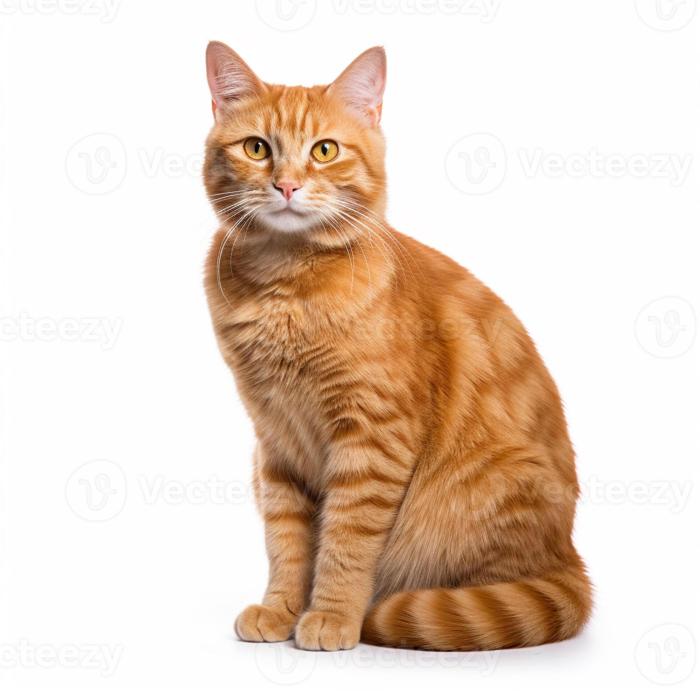
Source: vecteezy.com
Absolutely. While they have higher energy than many other kitten types, you can easily meet their needs in an apartment by adding extra vertical climbing space, scheduling 3 short daily play sessions, and using puzzle feeders to turn mealtime into enrichment that burns both physical and mental energy.
Do orange tabby cat kittens need any special veterinary care that other kittens don’t?
They don’t require unique medications or visit schedules, but vets recommend more frequent weight checks throughout their first year. This helps you catch early signs of their elevated obesity risk and adjust their food intake before it leads to long-term health issues.
When do orange tabby cat kittens usually mellow out from their hyper phase?
Most orange tabbies mellow out around 2 to 3 years old, which is slightly later than the average 1 to 2 years it takes for many other domestic cats to outgrow their peak kitten hyperactivity. Their social energy stays high long into adulthood, though they’ll outgrow the most destructive chaotic habits with consistent training.
