Orange tabby cat males – they’re a familiar sight, often portrayed as the quintessential friendly feline. But there’s so much more to these gorgeous cats than just their sunny coats and reputations! This guide dives deep into everything you need to know about orange tabby males, from their unique genetics and behaviors to their health needs and how to provide them with a happy, fulfilling life.
We’ll explore the science behind their vibrant colors, debunk some common myths, and offer practical advice for every stage of their lives, whether you’re welcoming a playful kitten or caring for a seasoned gentleman.
We’ll cover everything from the fascinating genetic basis of their orange and tabby markings – it’s all linked to the X chromosome! – to the specific health concerns that male cats, and orange tabbies in particular, can face. Plus, we’ll share tips on enrichment, play, and creating a cat-friendly environment that caters to their natural instincts. Get ready to become an expert on these charming and often misunderstood companions.
The Allure of the Orange Tabby Male: A Comprehensive Guide
Orange tabby male cats hold a special place in many hearts. Their vibrant coats, often coupled with a reputation for being particularly affectionate, make them incredibly popular companions. But there’s more to these feline friends than just their striking appearance and perceived personality. This guide delves into the fascinating world of orange tabby males, exploring their genetics, behavior, health, and how to best care for them, whether you’re a seasoned cat owner or considering welcoming one into your home.
Physical Characteristics of Orange Tabby Male Cats
The distinctive orange tabby pattern isn’t just a color; it’s a complex interplay of genetics and coat structure. Understanding these factors can help you appreciate the unique beauty of each individual cat. Let’s break down the common coat patterns, the science behind the color, and what to expect in terms of size and eye color.
- Classic Tabby: Characterized by swirling, marbled patterns, often resembling a bullseye or oyster shell. The lines are broad and relaxed, creating a visually striking effect.
- Mackerel Tabby: This is the most common tabby pattern, featuring narrow, parallel stripes running down the sides of the cat, resembling a fish skeleton.
- Ticked Tabby (Agouti): Unlike the other patterns, ticked tabbies don’t have distinct stripes. Instead, each hair shaft has bands of different colors, creating a salt-and-pepper or sandy appearance. The tabby markings are subtle, often appearing only on the face and legs.
- Spotted Tabby: As the name suggests, this pattern features spots of varying sizes and shapes scattered across the body. The spots can be large and bold or small and subtle.
The orange color itself is linked to the X chromosome. The “O” gene controls orange pigment production. Females (XX) need two copies of the “O” gene to be orange, while males (XY) only need one. This is why orange cats are overwhelmingly male – roughly 80% are male. The tabby pattern is controlled by a separate gene, the “Agouti” gene, which determines whether the cat will display stripes, spots, or a ticked pattern.
Adult male orange tabby cats typically weigh between 8 and 15 pounds, although this can vary significantly depending on the breed. Maine Coons, for example, are considerably larger than American Shorthairs. A healthy weight is crucial for their overall well-being.
Eye color in orange tabby males is often green or gold, but you can also find them with copper, hazel, or even blue eyes. While there’s no strict correlation between eye color and coat pattern, green eyes are frequently seen in cats with mackerel tabby markings, while gold or copper eyes are common in classic tabbies.
| Pattern | Description | Genetic Basis | Common Eye Color |
|---|---|---|---|
| Classic | Swirling, marbled patterns. | “O” gene on X chromosome, Agouti gene. | Green, Gold |
| Mackerel | Narrow, parallel stripes. | “O” gene on X chromosome, Agouti gene. | Green |
| Ticked | Banded hairs, no distinct stripes. | “O” gene on X chromosome, Agouti gene. | Gold, Copper |
| Spotted | Spots of varying sizes. | “O” gene on X chromosome, Agouti gene. | Hazel, Green |
Temperament and Behavior of Orange Tabby Male Cats
The stereotype of the “friendly” or “outgoing” orange tabby male is surprisingly persistent. While not every orange tabby male fits this mold, there’s a general tendency for them to be more affectionate and playful than some other color variations. However, attributing personality solely to coat color is an oversimplification.
While anecdotal evidence suggests orange tabby males are often more demonstrative in their affection, it’s important to remember that individual personalities vary greatly. Some males of any color can be aloof, while some females can be incredibly cuddly. The key is to appreciate each cat as an individual.
Beyond genetics, a cat’s temperament is heavily influenced by early socialization, environment, and individual experiences. Kittens who are handled frequently and exposed to a variety of people and situations are more likely to develop into well-adjusted adults. A stimulating environment with plenty of toys and opportunities for play also contributes to a happy and confident cat.
Recognizing signs of stress or anxiety in an orange tabby male is crucial for ensuring their well-being. These signs can include hiding, excessive grooming, changes in appetite, aggression, and vocalization. If you notice any of these behaviors, it’s important to identify the source of stress and take steps to alleviate it.
A typical daily routine for a healthy, well-adjusted orange tabby male might look like this:
- Morning (6-8 AM): Wake up, stretch, groom, demand breakfast.
- Playtime (8-9 AM): Engage in interactive play with toys like feather wands or laser pointers.
- Relaxation (9 AM – 12 PM): Nap in a sunny spot, observe the world from a window perch.
- Midday (12-2 PM): Light meal, grooming, short play session.
- Afternoon (2-6 PM): Nap, explore the house, interact with humans.
- Evening (6-8 PM): Dinner, playtime, cuddle time.
- Night (8 PM onwards): Relaxation, grooming, sleep.
Health Concerns Specific to Male Cats (and potentially exacerbated in Orange Tabbies)
Male cats, in general, face certain health challenges, and these can sometimes be amplified in orange tabbies due to genetic predispositions or lifestyle factors. Understanding these concerns and taking preventative measures is essential for ensuring a long and healthy life for your feline companion.
Feline Lower Urinary Tract Disease (FLUTD) is a common condition in male cats, characterized by inflammation and/or infection of the bladder and urethra. Male cats are more prone to FLUTD due to their narrower urethra, which can lead to blockages. Stress, diet, and obesity can all contribute to the development of FLUTD.
Feline Immunodeficiency Virus (FIV) and Feline Leukemia Virus (FeLV) are viral infections that can severely compromise a cat’s immune system. Male cats are at a higher risk of contracting these viruses due to their tendency to roam and fight, particularly if they are not neutered.
Dental problems are prevalent in cats of all colors and genders, but early intervention can prevent serious complications. Regular dental checkups and at-home dental care, such as brushing, are crucial for maintaining oral health.
Neutering male cats offers numerous health benefits, including reducing the risk of certain cancers, eliminating the urge to roam and fight, and decreasing the likelihood of urinary tract problems. It’s generally recommended to neuter male cats around 6 months of age.
| Health Concern | Symptoms | Preventative Measures |
|---|---|---|
| FLUTD | Straining to urinate, blood in urine, frequent urination, pain when urinating. | Provide fresh water, high-quality diet, manage stress, regular vet checkups. |
| FIV/FeLV | Weight loss, fever, lethargy, enlarged lymph nodes. | Keep cat indoors, test for viruses, vaccinate against FeLV. |
| Dental Problems | Bad breath, excessive drooling, difficulty eating, red or swollen gums. | Regular dental checkups, brushing teeth, dental diets. |
Breed-Specific Considerations for Orange Tabby Males
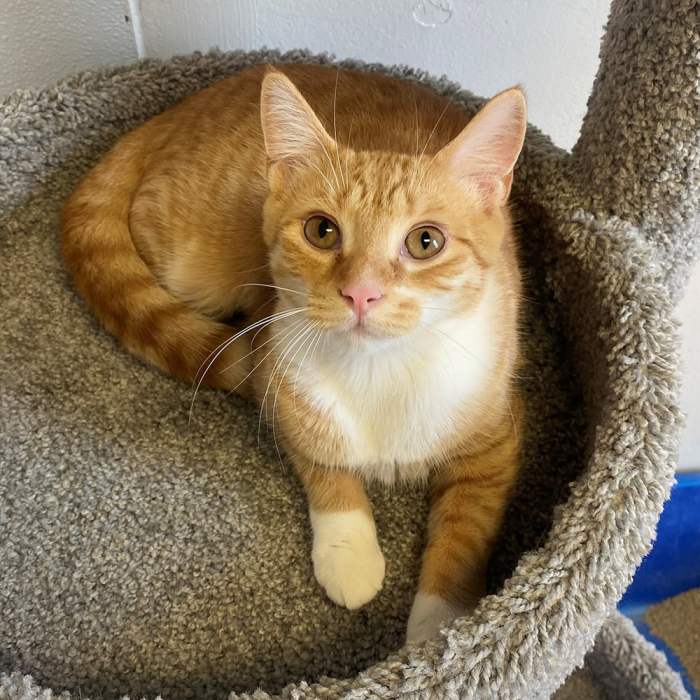
Source: animalleague.org
The characteristics of orange tabby males can vary significantly depending on their breed. Let’s compare and contrast some popular breeds to understand these differences.
- Maine Coon: Large and gentle giants, Maine Coon orange tabbies are known for their long, flowing fur and friendly personalities. They are prone to hypertrophic cardiomyopathy (HCM) and hip dysplasia.
- American Shorthair: A classic American breed, American Shorthair orange tabbies are robust and adaptable. They are generally healthy but can be susceptible to HCM.
- Persian: Persian orange tabbies are known for their luxurious long coats and sweet temperaments. They require extensive grooming to prevent matting and are prone to polycystic kidney disease (PKD).
Grooming requirements vary greatly depending on the breed’s coat type. Maine Coons need regular brushing to prevent mats, while American Shorthairs require less frequent grooming. Persians need daily brushing and occasional baths.
Lifespan for orange tabby males within each breed typically ranges from 10 to 15 years, although some cats can live much longer with proper care.
- Maine Coon
- American Shorthair
- Persian
- Ragdoll
- British Shorthair
Caring for an Orange Tabby Male Kitten
Raising an orange tabby male kitten requires a commitment to socialization, nutrition, and preventative care. Early intervention in these areas will set the stage for a happy and healthy adult cat.
Early socialization is crucial for orange tabby male kittens. Exposing them to a variety of people, animals, and environments during their critical socialization period (2-7 weeks of age) will help them develop into well-adjusted adults.
Proper nutrition is essential for a growing kitten. Feed them a high-quality kitten food that is specifically formulated to meet their nutritional needs. Consult with your veterinarian for specific food recommendations.
Regular veterinary checkups and vaccinations are vital for preventing disease and ensuring your kitten’s health. Follow your veterinarian’s recommended vaccination schedule.
Litter box training an orange tabby male kitten is usually straightforward. Place the litter box in an accessible location, and consistently clean it to encourage use. Reward them with praise when they use the litter box successfully.
- Litter box
- Kitten food
- Food and water bowls
- Scratching post
- Toys (feather wands, balls, etc.)
- Carrier
Enrichment and Play for Orange Tabby Male Cats
Orange tabby males are often energetic and playful, so providing ample mental and physical stimulation is essential for their well-being. A bored cat can become destructive or develop behavioral problems.
Interactive toys and games that cater to their hunting instincts are particularly effective. Feather wands, laser pointers, and puzzle toys can provide hours of entertainment.
Cat trees and scratching posts are essential for providing vertical space and satisfying their natural scratching instincts. Place them in areas where your cat spends a lot of time.
Creating a cat-friendly environment that encourages exploration and play involves providing a variety of textures, heights, and hiding places. Window perches, tunnels, and cardboard boxes can all add to the enrichment.
A schedule for daily playtime and enrichment activities might look like this:
- Morning: 15-20 minutes of interactive play.
- Afternoon: Rotate toys to keep things interesting.
- Evening: Another 15-20 minutes of play, followed by cuddle time.
Common Misconceptions About Orange Tabby Male Cats
The stereotype of orange tabby males being “always friendly” is a pervasive one, but it’s important to understand its origins and validity. While many orange tabbies are affectionate, it’s not a guarantee, and attributing personality solely to color is inaccurate.
Media portrayals often reinforce this stereotype, depicting orange tabby males as lovable and goofy characters. While these portrayals can be entertaining, they can also create unrealistic expectations and lead to disappointment when a cat doesn’t conform to the stereotype.
It’s crucial to judge individual cats based on their personality, not their color or gender. Each cat is unique, and their behavior is influenced by a complex interplay of genetics, environment, and experiences.
“While orange tabby males may exhibit a tendency towards friendliness, it’s essential to remember that every cat is an individual with their own unique personality and quirks. Judging a cat based solely on its color or gender is a disservice to its true character.”
Finding an Orange Tabby Male Cat (Adoption vs. Breeder)
Deciding whether to adopt an orange tabby male from a shelter or rescue organization or purchase a kitten from a breeder is a personal choice. Both options have their advantages and disadvantages.
Adopting from a shelter or rescue organization is a rewarding experience that gives a deserving cat a second chance. Shelters often have a variety of orange tabby males of different ages and personalities.
If you choose to purchase a kitten from a breeder, it’s important to find a reputable breeder who prioritizes the health and well-being of their cats. Ask questions about the breeder’s breeding practices, health testing, and socialization methods.
| Adoption | Breeder |
|---|---|
| Pros: Saves a life, often less expensive, variety of ages and personalities. | Pros: Predictable breed characteristics, potential for health testing, opportunity to meet the kitten’s parents. |
| Cons: May not know the cat’s history, potential for behavioral issues. | Cons: More expensive, potential for unethical breeding practices, may have to wait for a kitten. |
Closing Summary
From their distinctive coat patterns to their often-outgoing personalities, orange tabby males are truly special cats. Understanding their genetics, behaviors, and potential health concerns is key to providing them with the best possible care. Whether you’re a seasoned cat owner or a first-time pet parent, this guide provides a comprehensive overview to help you nurture a strong bond with your orange tabby male and ensure he lives a long, happy, and healthy life.
So, embrace the orange glow and enjoy the unique joys of sharing your home with one of these captivating felines!
Remember, each cat is an individual, and while generalizations can be helpful, it’s crucial to appreciate your cat’s unique personality and needs. With a little knowledge and a lot of love, you can create a purrfectly wonderful life together.
Commonly Asked Questions
Why are most orange tabby cats male?
The orange color is linked to the X chromosome. Females need two copies of the orange gene (one on each X chromosome) to be orange, while males only need one (as they have one X and one Y chromosome).
Are orange tabby males
-always* friendly?
No! It’s a common stereotype, but personality varies greatly. While many are affectionate, it’s based on individual temperament and socialization, not just their color.
What is FLUTD and why is it a concern for male cats?
FLUTD (Feline Lower Urinary Tract Disease) is a group of conditions affecting the bladder and urethra. Male cats are more prone due to their narrower urethra, making them susceptible to blockages.
What’s the best way to prevent dental problems in orange tabby males?
Regular teeth brushing (if possible!), dental chews, and professional cleanings by a veterinarian are essential for maintaining good oral health.
Should I get my orange tabby male neutered?
Absolutely! Neutering offers numerous health benefits, including reducing the risk of certain cancers and behavioral issues like spraying.
What are some good interactive toys for an orange tabby male?
Wand toys, laser pointers (use responsibly!), puzzle feeders, and anything that encourages chasing and pouncing are great choices.
How can I tell if my orange tabby male is stressed?
Look for signs like hiding, decreased appetite, excessive grooming, changes in litter box habits, or aggression.

