There’s just something captivating about an orange tiger tabby cat, isn’t there? Their vibrant coats, often resembling miniature tigers, combined with the classic tabby markings, make them instantly recognizable and endlessly charming. This guide dives deep into everything you need to know about these gorgeous felines, from their fascinating genetics to their playful personalities and potential health considerations. We’ll explore what makes them so special and how to best care for these wonderful companions.
Understanding the science behind their striking appearance is the first step. The interplay of the orange gene and the tabby pattern creates a unique visual signature, and it’s not just about looks! Their behavior, health, and even potential differences between male and female cats all contribute to the rich tapestry of what it means to share your life with an orange tiger tabby.
The Alluring Orange Tiger Tabby Cat: A Comprehensive Guide
Orange tiger tabby cats are a beloved breed, instantly recognizable by their striking orange fur and bold, tiger-like stripes. They’re often described as having a particularly charming and affectionate personality, making them popular companions. But what exactly makes an orange tiger tabby unique? This guide dives deep into the genetics, characteristics, care, and history of these captivating felines, offering a comprehensive look for anyone curious about this beautiful breed.
Defining the Orange Tiger Tabby Cat
The orange tiger tabby isn’t a breed in itself, but rather a color and pattern combination found within various breeds. Understanding this requires a look at the underlying genetics. The orange coloration is linked to the ‘O’ gene, which exists in two forms: ‘O’ (non-orange) and ‘o’ (orange). Female cats have two X chromosomes (XX), allowing them to be either orange (oo) or non-orange (Oo or OO).
Male cats, with one X and one Y chromosome (XY), only need one ‘o’ gene to be orange (oX). This is why orange cats are more commonly male – roughly 80% are male.
The tabby pattern itself is an ancestral marking found in all domestic cats, stemming from their wild ancestors. It’s controlled by the Agouti gene. There are several variations of the tabby pattern:
- Classic Tabby: Characterized by swirling, marbled patterns.
- Mackerel Tabby: Displays narrow, parallel stripes resembling a fish skeleton. This is the most common tabby pattern.
- Ticked Tabby: Also known as Abyssinian tabby, this pattern features individual hairs with bands of color, creating a salt-and-pepper appearance. Stripes are faint or absent.
- Spotted Tabby: Features spots instead of stripes, which can vary in size and distribution.
The “orange tiger tabby” appearance arises from the interaction of the orange gene (‘o’) and the tabby gene (Agouti). The orange pigment is expressed within the tabby pattern, resulting in the distinctive orange stripes, swirls, or spots. Coat length varies considerably, with orange tiger tabbies found in short-haired (like the American Shorthair), medium-haired (like the Maine Coon), and long-haired (like the Persian) varieties.
Physical Characteristics & Appearance
Orange tiger tabbies typically have a medium to large build, with males generally weighing between 10-15 pounds and females between 8-12 pounds. Their musculature is well-defined, reflecting their active nature. While size can vary depending on the underlying breed, they generally possess a sturdy and athletic frame. Eye color is another defining feature. Green, gold, and copper eyes are all commonly seen, often complementing the vibrant orange fur.
The intensity of the stripes is a key element in defining a “tiger” tabby. Strong, bold stripes create a more dramatic tiger-like appearance, while fainter stripes result in a more subtle pattern.
An ideal orange tiger tabby exhibits balanced proportions. The body should be rectangular and well-muscled, with a head that is proportionate to the body. The ears should be medium-sized and set wide apart. The tail should be long and tapering, mirroring the body’s overall symmetry. The overall impression should be one of strength, grace, and captivating beauty.
Temperament and Behavior
Orange tabby cats, in general, are known for their affectionate and outgoing personalities. They are often described as “Velcro cats” due to their tendency to stick close to their humans. Orange tiger tabbies often inherit this affectionate nature, but their activity levels can be particularly high. They are playful, energetic, and enjoy interactive games and exploring their surroundings.
While generalizations should be approached with caution, there are observed differences in temperament based on gender. Male orange tiger tabbies are often more boisterous and playful, while females tend to be slightly more reserved and independent. However, individual personalities vary greatly. Environmental factors play a significant role in shaping behavior. A cat raised in a stimulating environment with plenty of interaction and enrichment will likely be more well-adjusted and confident than one kept in isolation.
Health Considerations
Like all cats, orange tiger tabbies are susceptible to common feline health issues. Tabby cats, in general, can be prone to dental disease due to their diet and grooming habits. Orange cats, regardless of their tabby pattern, may have a slightly higher risk of certain conditions, although research is ongoing. Preventative care is crucial for maintaining the health of an orange tiger tabby.
This includes regular vaccinations, a high-quality diet, and consistent grooming.
| Problem | Symptoms | Action |
|---|---|---|
| Hypertrophic Cardiomyopathy | Difficulty breathing, lethargy, sudden death | Veterinary exam, possible medication, dietary changes |
| Dental Disease | Bad breath, excessive drooling, difficulty eating | Regular dental cleanings, proper diet, dental chews |
| Obesity | Weight gain, decreased activity, lethargy | Controlled diet, increased exercise, veterinary consultation |
| Feline Lower Urinary Tract Disease (FLUTD) | Straining to urinate, frequent urination, blood in urine | Veterinary exam, dietary changes, increased water intake |
Caring for an Orange Tiger Tabby
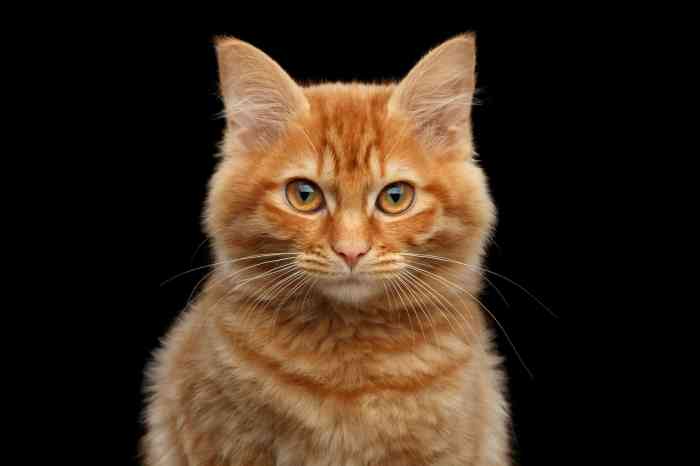
Source: a-z-animals.com
The ideal diet for an orange tiger tabby should be high in protein and low in carbohydrates, catering to their active lifestyle. Kittens require more frequent meals and a diet specifically formulated for growth. Adult cats benefit from a balanced diet that supports muscle mass and overall health. Regular grooming is essential, especially for medium and long-haired varieties. Brushing several times a week helps prevent mats and tangles, and reduces shedding.
Short-haired varieties still benefit from weekly brushing to remove loose fur.
Mental stimulation is just as important as physical exercise. Orange tiger tabbies are intelligent and curious cats who thrive on interaction and enrichment. Provide a variety of toys and interactive games to keep them entertained and prevent boredom.
- Feather wands
- Laser pointers (use responsibly, avoiding direct eye contact)
- Puzzle feeders
- Catnip toys
- Scratching posts
- Window perches
History and Origins
The tabby pattern is believed to have originated in ancient Egypt, where cats were revered and often depicted with tabby markings in artwork. These markings likely provided camouflage for wild cats hunting in tall grasses. The domestication of cats and subsequent breeding practices have led to the diverse range of tabby patterns we see today. The historical role of orange tabby cats varies across cultures.
In some cultures, they are considered lucky, while in others, they are associated with specific traits like independence or playfulness. Selective breeding has undoubtedly influenced the appearance and temperament of orange tiger tabbies, with breeders focusing on specific coat patterns, colors, and personality traits.
Orange Tiger Tabby vs. Other Tabby Variations
Distinguishing an orange tiger tabby from other tabby variations requires careful observation. Mackerel tabbies have distinct, parallel stripes, while classic tabbies exhibit swirling patterns. Ticked tabbies lack prominent stripes and have a more blended appearance. Spotted tabbies, as the name suggests, have spots instead of stripes. The key difference between an orange tabby and an orange tiger tabby lies in the boldness and intensity of the stripes.
Tiger tabbies have more defined and pronounced stripes, creating a more striking resemblance to a tiger’s markings.
Genetically, all tabby patterns share the Agouti gene, but variations in its expression and interaction with other genes (like the orange gene) result in the different patterns. A flowchart illustrating this could show the Agouti gene as the primary determinant, with sub-branches representing the different patterns based on specific gene variations.
Finding an Orange Tiger Tabby
Orange tiger tabbies can be found in various places, including animal shelters, rescue organizations, and reputable breeders. Shelters and rescues offer the opportunity to provide a loving home to a cat in need, while breeders can provide kittens with known health histories and pedigrees. When selecting a kitten or adult cat, observe their behavior and interaction with people. A healthy cat should be alert, active, and friendly.
| Question | Importance |
|---|---|
| Vaccination Records? | Ensures health protection and prevents contagious diseases |
| Known Health Issues? | Identifies potential problems and allows for proactive care |
| Temperament Assessment? | Predicts behavior and ensures a good fit for your lifestyle |
| Diet and Feeding Schedule? | Provides insight into the cat’s nutritional needs and habits |
Illustrative Descriptions
Imagine an orange tiger tabby, muscles coiled beneath its vibrant fur, playfully stalking a toy mouse. Its tail twitches with anticipation, and its amber eyes fixate on the target. With a sudden burst of speed, it pounces, batting the mouse with a playful paw. The cat pauses, head tilted, observing its prize with a look of mock seriousness before resuming the game.
In sunlight, the orange tiger tabby’s fur shimmers with a warm, golden glow. The stripes appear more pronounced, creating a mesmerizing pattern of light and shadow. The texture is soft and plush, inviting a gentle touch.
The sound of an orange tiger tabby purring contentedly is a low, rumbling vibration that fills the air. It’s a comforting and reassuring sound, a sign of contentment and affection.
Picture an orange tiger tabby curled up asleep on a soft blanket, its paws tucked beneath its chest. The stripes blend together in a warm, orange haze, creating a picture of peaceful serenity.
Orange Tiger Tabby in Popular Culture
Orange tabby cats have long been a fixture in popular culture, appearing in countless movies, books, and television shows. Garfield, the famously lazy and sarcastic comic strip cat, is perhaps the most iconic example. Other notable orange tabbies include Crookshanks from the Harry Potter series and Hobbes from Calvin and Hobbes.
The symbolism often linked to orange tabby cats includes friendliness, playfulness, and good luck. Their affectionate nature and charming personalities make them ideal candidates for portraying lovable and relatable characters.
“Orange tabby cats are frequently depicted as charming, playful, and affectionate companions, often serving as comedic relief or beloved family members in various forms of entertainment.”
Last Word
From their historical roles in different cultures to the best toys to keep them entertained, we’ve covered a lot of ground in exploring the world of the orange tiger tabby cat. Ultimately, these cats are more than just beautiful; they’re affectionate, playful, and often quite the characters. Whether you’re a seasoned cat owner or considering welcoming one into your home, hopefully, this guide has provided you with valuable insights into the joys and responsibilities of caring for this truly special breed combination.
So, next time you see an orange tiger tabby strutting their stuff, you’ll appreciate the complex genetics and unique personality that make them so utterly irresistible!
Query Resolution
Why are orange tabby cats often male?
The orange color is linked to the X chromosome. Females need two copies of the orange gene (one on each X chromosome) to be orange, while males only need one (as they have one X and one Y chromosome).
Do orange tiger tabbies have specific personality traits?
While individual personalities vary, orange tabbies are often described as friendly, outgoing, and affectionate. They tend to be quite playful and enjoy interacting with their humans.
What’s the difference between a classic tabby and a tiger tabby?
Classic tabbies have swirling patterns, while tiger tabbies (also called mackerel tabbies) have narrow, parallel stripes resembling a tiger’s markings. The intensity and boldness of the stripes are key differentiators.
How can I tell if my orange tabby is overweight?
You should be able to feel their ribs without excessive fat covering them. If you can’t, or if they have a rounded belly, they may be overweight and need a diet adjustment.
What are some good enrichment activities for an orange tiger tabby?
Puzzle feeders, interactive toys like feather wands and laser pointers (used responsibly!), and climbing structures are all great ways to keep them mentally and physically stimulated.
Are orange tiger tabbies prone to any specific health problems?
Like all cats, they can be susceptible to common feline illnesses. Orange cats, in general, have a slightly higher risk of Hypertrophic Cardiomyopathy (HCM), so regular vet checkups are crucial.

