Seeing worms in your cat’s poop or, worse, them being regurgitated, is a pretty unsettling experience. But it’s also a common one! Intestinal worms are a frequent issue for our feline friends, and understanding what you’re looking at – and how to document it – is crucial for getting your kitty the right care. This guide dives deep into the world of worms in cats, from identifying different types to understanding how to photograph them for your vet, and ultimately, how to keep your cat worm-free.
We’ll explore the common culprits like roundworms, tapeworms, hookworms, and whipworms, detailing their life cycles, how cats get infected, and the signs to watch out for. Beyond just seeing the worms themselves, we’ll cover behavioral changes, physical symptoms, and the importance of proper photographic documentation for accurate diagnosis. Plus, we’ll discuss preventative measures and why relying on home remedies can be risky.
Understanding Worms in Cats: A Comprehensive Guide
Seeing worms in your cat’s poop or suspecting an infestation can be unsettling. It’s a common problem, but thankfully, often manageable with proper diagnosis and treatment. This guide aims to provide you with a clear understanding of intestinal worms in cats, from identification to prevention, empowering you to keep your feline friend healthy and happy. We’ll delve into the different types of worms, how cats get infected, what to look for, and how to protect your cat from these parasites.
Common Types of Intestinal Worms in Cats
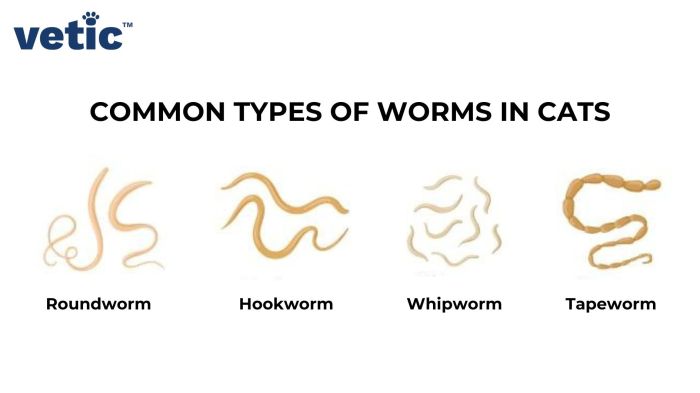
Several types of intestinal worms can affect domestic cats. Knowing the differences is crucial for accurate diagnosis and effective treatment. Here’s a breakdown of the most common culprits: roundworms, tapeworms, hookworms, and whipworms.
| Worm Type | Appearance | Transmission Method | Symptoms |
|---|---|---|---|
| Roundworm (Toxocara cati) | Long, thin, white or cream-colored worms, typically 4-14 inches long. | Ingestion of eggs from contaminated soil, feces, or prey; transplacental transmission from mother to kittens; through milk. | Pot belly (especially in kittens), vomiting, diarrhea, weight loss, poor growth, coughing (if larvae migrate to the lungs). |
| Tapeworm (Dipylidium caninum, Echinococcus multilocularis) | Flat, segmented worms (proglottids) that resemble grains of rice. Segments are often seen in feces. | Ingestion of fleas (Dipylidium caninum); ingestion of eggs from contaminated prey or environment (Echinococcus multilocularis). | Often asymptomatic; scooting, increased appetite, weight loss (rarely). |
| Hookworm (Ancylostoma tubaeforme, Uncinaria stenocephala) | Small, reddish-brown worms with curved ends. | Ingestion of larvae from contaminated soil; larvae can penetrate the skin. | Anemia (pale gums), weakness, weight loss, diarrhea, dark, tarry stools. |
| Whipworm (Trichuris vulpis) | Thin, whip-shaped worms, typically 1-2 inches long. | Ingestion of eggs from contaminated soil or feces. | Diarrhea, weight loss, dehydration, poor growth (especially in kittens). |
Understanding the life cycles of these worms is key to preventing infection. Roundworms have a direct life cycle, meaning they don’t require an intermediate host. Eggs are ingested, larvae hatch, migrate through the body, and mature in the intestines. Tapeworms require fleas as an intermediate host. Cats ingest infected fleas, and the tapeworm develops.
Hookworms can have a direct or indirect life cycle. Larvae can be ingested or penetrate the skin. Whipworms have a direct life cycle, with eggs hatching and larvae developing in the soil before being ingested.Cats become infected through various routes. Ingestion of contaminated soil or feces is a common pathway. Eating infected prey, like rodents or birds, can also transmit worms.
Fleas are crucial for tapeworm transmission. Finally, contaminated environments, such as litter boxes or areas where cats roam, can harbor worm eggs. Geographic prevalence varies; hookworms are more common in warmer, humid climates, while whipworms are less frequently reported but can occur in certain regions.
Visual Identification: What to Look For
Identifying worms or their signs can be challenging, but knowing what to look for is essential.Worms in cat feces can appear as whole worms, segments (proglottids), or eggs. Whole roundworms are long and white. Tapeworm segments resemble grains of rice and may be moving due to their contractile ability. Hookworms are small and reddish-brown. Whipworms are thin and whip-shaped.
Eggs are microscopic and require fecal examination for identification.Regurgitated worms are less common but can occur, especially with heavy infestations. They will appear similar to their appearance in feces.Cat vomit might contain worm segments, particularly tapeworm segments. These segments often look like small, white, rice-like particles. The presence of these segments is a strong indicator of a tapeworm infestation.To differentiate between roundworm and tapeworm segments, consider their shape and appearance.
Roundworm segments are generally larger and more irregular, while tapeworm segments are smaller, more uniform, and often arranged in a chain-like pattern.
Behavioral and Physical Signs
Beyond visible worms, several behavioral and physical signs can indicate a worm infestation.Behavioral changes might include increased appetite despite weight loss, restlessness, and scooting (dragging the rear end along the ground to relieve itching).Physical signs can include a dull coat, pot belly (especially in kittens), dehydration, and anemia (pale gums).
| Symptom | Roundworm | Tapeworm |
|---|---|---|
| Weight Loss | Common | Less Common |
| Pot Belly | Common in Kittens | Rare |
| Scooting | Possible | Common |
| Anemia | Possible (with heavy infestation) | Rare |
Worm infestations can significantly impact a cat’s growth and development, particularly in kittens. Kittens are more vulnerable due to their smaller size and developing immune systems. Worms can compete for nutrients, leading to stunted growth and delayed development.
Photographic Documentation: Best Practices
Photographing worm presence in feces can be helpful for veterinary diagnosis.Proper lighting is crucial. Natural light is ideal, but if unavailable, use a bright, diffused light source. Focus carefully on the worms or segments to ensure they are clear and in focus. A plain, light-colored background will help the worms stand out.Ideal camera settings include a small aperture (e.g., f/8) for greater depth of field, a low ISO (e.g., 100-400) to minimize noise, and a shutter speed fast enough to prevent blur.To preserve fecal samples, refrigerate them immediately.
Place a small portion of the sample in a clean, airtight container.Including a scale (e.g., a ruler or coin) in the photograph is essential to accurately represent worm size.
Diagnostic Procedures & Veterinary Involvement
Source: vetic.in
Several diagnostic tests are used to detect worms in cats. Fecal flotation is the most common, separating worm eggs from the feces based on density. Fecal sedimentation relies on density differences as well, but uses a different technique. Direct smear involves examining a sample of feces under a microscope for worms or larvae.Veterinarians interpret fecal examination results based on the presence and quantity of worm eggs or larvae.
Regular deworming schedules are crucial for preventing and controlling worm infestations.Preventative medications, such as pyrantel, fenbendazole, and praziquantel, are effective against different worm types. Your veterinarian can recommend the most appropriate medication for your cat’s needs.
Environmental Control & Prevention
Cleaning and disinfecting a cat’s living environment is vital to minimize worm transmission. Regularly wash bedding, food and water bowls, and litter boxes.Flea control is essential, particularly for preventing tapeworm infestations. Use veterinarian-approved flea prevention products consistently.Proper disposal of cat feces is crucial. Double-bag feces and dispose of it in a secure trash receptacle.
| Task | Frequency |
|---|---|
| Wash Bedding | Weekly |
| Clean Litter Box | Daily |
| Flea Prevention | Monthly |
| Dispose of Feces | Immediately |
Specific Worm Types: In-Depth Look
Roundworm infestations can cause severe symptoms, especially in kittens, including pot belly, vomiting, and diarrhea. Complications can include intestinal blockage.Tapeworm infestations are often asymptomatic but can cause scooting and increased appetite. The role of fleas as intermediate hosts highlights the importance of flea control.Hookworm infestations can lead to anemia due to blood loss. Severe anemia can be life-threatening.Whipworm infestations are less common but can cause diarrhea, weight loss, and dehydration.
Diagnosis can be challenging due to the low egg output.
Illustrative Descriptions
A roundworm is typically 4-14 inches long, thin, and white or cream-colored. Its texture is smooth and cylindrical.Tapeworm segments (proglottids) are flat, segmented, and resemble grains of rice. They are typically white or yellowish-brown and may be moist.Roundworm eggs are oval or round, with a thick, rough shell. They are typically 40-60 micrometers in diameter.Hookworm larvae are slender and elongated, with a pointed tail.
They can penetrate the skin and cause localized irritation.
Home Remedies & Misconceptions
Many home remedies are suggested for worm infestations, but most are ineffective or potentially harmful. Garlic, pumpkin seeds, and other natural remedies have not been scientifically proven to treat worms.Self-treating a cat for worms without veterinary guidance is dangerous. Incorrect dosages or inappropriate medications can be harmful.Veterinarian-approved deworming medications are the safest and most effective treatment option.
“Attempting to treat a cat for worms with unproven home remedies can delay proper diagnosis and treatment, potentially leading to serious health complications. Always consult with a veterinarian for accurate diagnosis and appropriate medication.”Dr. Emily Carter, DVM
Worms and Kittens: Special Considerations
Kittens are particularly vulnerable to worm infestations due to their developing immune systems and increased exposure to contaminated environments.Early deworming in kittens is crucial for preventing and controlling infestations. Kittens should be dewormed starting at 2 weeks of age, with repeated treatments every 2 weeks until they are 8 weeks old.Pregnant cats can transmit worms to their kittens through transplacental transmission and through milk.
Deworming pregnant cats is essential for protecting their kittens.Specific deworming protocols for kittens vary depending on their age and the type of worm suspected. Your veterinarian can recommend the most appropriate protocol.
Conclusive Thoughts
Navigating the world of worms in cats can feel overwhelming, but armed with knowledge and a good camera, you can be a proactive partner in your cat’s health. Recognizing the signs, documenting findings effectively, and working closely with your veterinarian are the keys to successful diagnosis and treatment. Remember, regular deworming and a clean environment are your best defenses against these pesky parasites, ensuring your cat stays happy, healthy, and worm-free!
Ultimately, understanding the visual cues – from the appearance of worms in feces to subtle behavioral changes – empowers you to advocate for your cat’s well-being and seek timely veterinary care when needed. Don’t hesitate to reach out to your vet with any concerns; they’re your best resource for keeping your feline companion thriving.
Top FAQs
Why is it important to photograph worms in my cat’s feces?
Photos help your vet accurately identify the type of worm, which is crucial for choosing the right deworming medication. It also provides a visual record for comparison if treatment isn’t immediately effective.
Can I tell the difference between roundworm and tapeworm segments just by looking?
Yes, generally. Roundworm segments are typically thicker and more cylindrical, while tapeworm segments (proglottids) are flatter, wider, and often resemble grains of rice. However, a vet’s confirmation is always best.
Are worms contagious to humans?
Some worms, like roundworms, can be transmitted to humans, though it’s relatively rare. Good hygiene practices, like washing your hands after handling your cat or their litter box, are essential.
How often should I deworm my cat?
This depends on your cat’s lifestyle and risk factors. Kittens typically need more frequent deworming, while indoor cats may need less. Your vet can recommend a suitable schedule.
What’s the best way to clean my cat’s litter box to prevent worms?
Scoop daily and thoroughly disinfect the litter box weekly with a bleach solution (diluted properly, of course!). Proper disposal of used litter is also important.
My cat is scooting their bottom across the floor – does this mean they have worms?
It could be! Scooting is often a sign of irritation around the anus, which can be caused by worms. However, it can also be due to other issues, so a vet visit is recommended.
Can a pregnant cat pass worms to her kittens?
Yes, unfortunately. Pregnant cats should be dewormed under veterinary guidance to minimize the risk of transmission to their kittens.

