Pot bellied cats, with their distinctive round bodies and endearing personalities, have captured hearts worldwide. Originating in Asia, these unique felines boast a fascinating history, a charming appearance, and a delightful temperament. This guide dives deep into everything you need to know about pot bellied cats, from their origins and care to potential health concerns and finding your perfect furry companion.
We’ll explore their historical journey, detailing their rise in popularity and subsequent shifts in regional appeal. Beyond their looks, we’ll uncover the nuances of their personalities, covering everything from playful antics to the importance of proper socialization. Whether you’re a seasoned cat lover or considering welcoming a pot bellied cat into your home, this resource will provide valuable insights.
Origins and History of Pot Bellied Cats
The pot bellied cat, with its distinctive rounded physique, has a fascinating history rooted in Asia. While often mistaken for a specific breed developed recently, their lineage stretches back centuries, intertwined with cultural practices and evolving perceptions of feline companions. Understanding their origins helps appreciate the unique characteristics we see today.The breed’s development isn’t a straightforward linear progression. It’s a story of regional variations, periods of popularity, and eventual decline in some areas before experiencing a resurgence in the West.
Early pot bellied cats weren’t bred to a strict standard; they were simply cats with a naturally rounder body shape, often valued for their docile nature and ability to control rodent populations. The modern breed we recognize today is a result of selective breeding efforts that amplified these traits.The differences between the original Asian pot bellied cats and the modern breed are significant.
Early cats were more variable in appearance, with a wider range of coat colors and patterns. Modern breeding has focused on a more consistent look, emphasizing the round body, short legs, and specific facial features.Here’s a timeline illustrating key moments in the breed’s history:
| Year | Event | Significance |
|---|---|---|
| 17th-19th Centuries | Widespread presence in China and Japan | These cats were commonly kept as household pets and rodent control agents, often depicted in art and literature. |
| 19th Century | Introduction to Europe (primarily England) | Initially brought as curiosities by sailors and traders, they gained some popularity among the aristocracy. |
| Early 20th Century | Decline in popularity in Europe and Asia | Changing attitudes towards cats and the rise of other breeds contributed to a decrease in their numbers. |
| 1970s | Reintroduction to the United States | A small number of pot bellied cats were imported, sparking renewed interest in the breed. |
| 1980s-Present | Breed standardization and growing popularity worldwide | Breed clubs were formed, and breeding programs focused on establishing a consistent breed standard. |
Physical Characteristics & Appearance
The most striking feature of a pot bellied cat is, of course, its round body. This isn’t due to obesity (though that can be a problem if they’re overfed!), but rather a naturally stocky build. Coupled with their short legs, this gives them a low-to-the-ground appearance and a waddling gait. Their faces are also distinctive, with large, round eyes and a slightly flattened nose.
The overall impression is one of a charming, almost cartoonish, feline.Coat colors and patterns are quite varied in pot bellied cats. Acceptable colors include solid colors like black, white, blue, cream, and red, as well as tabby patterns (classic, mackerel, ticked), tortoiseshell, and calico. Bicolor patterns (e.g., black and white, red and white) are also common. The coat itself is typically short and dense, requiring relatively little grooming.Differentiating a pot bellied cat from other breeds with similar appearances, such as the British Shorthair or Exotic Shorthair, requires careful observation.
While those breeds can also have round faces and bodies, pot bellied cats generally have shorter legs and a more pronounced roundness to their abdomen. The overall build is more compact and less muscular than the British Shorthair.Here’s a visual guide describing the ideal proportions of a pot bellied cat:
- Body Length to Height Ratio: Ideally, the body length should be approximately 2 to 2.5 times the height at the shoulder.
- Leg Length: Legs should be noticeably short in proportion to the body.
- Head Shape: Round and broad, with a slightly flattened nose.
- Eye Size: Large and round, occupying a significant portion of the face.
- Chest: Wide and deep, contributing to the overall roundness.
Temperament and Personality
Pot bellied cats are renowned for their affectionate and playful nature. They are often described as being “dog-like” in their loyalty and willingness to interact with their human companions. They enjoy being petted, cuddled, and participating in family activities. While they retain a feline independence, they are generally more outgoing and sociable than some other breeds.Their temperament can vary somewhat based on age and socialization.
Kittens are typically very playful and energetic, while adult cats tend to be more relaxed and affectionate. Early socialization is crucial for ensuring a well-adjusted and confident cat. Exposure to different people, animals, and environments during kittenhood helps them develop into well-rounded companions.Anecdotally, pot bellied cats are known for their quirky behaviors. Many owners report their cats enjoying playing fetch, following them around the house, and even “helping” with chores.
Their playful nature often extends to interacting with toys, and they can be quite entertaining to watch.Here’s a table outlining common behaviors, potential causes, management strategies, and potential outcomes:
| Behavior | Possible Cause | Management Strategy | Potential Outcome |
|---|---|---|---|
| Excessive Vocalization | Boredom, hunger, attention-seeking | Provide more interactive toys, scheduled feeding times, increased playtime | Reduced vocalization, increased engagement |
| Scratching Furniture | Natural instinct to sharpen claws, marking territory | Provide scratching posts, trim claws regularly, redirect scratching behavior | Reduced furniture damage, satisfied scratching needs |
| Hiding | Fear, anxiety, illness | Create safe spaces, provide reassurance, consult a veterinarian | Increased confidence, reduced anxiety |
| Aggression towards other pets | Territoriality, competition for resources | Gradual introduction, separate feeding areas, supervised interactions | Improved inter-pet relationships |
Care and Grooming Requirements
Pot bellied cats generally have low grooming needs due to their short, dense coat. However, regular brushing is still important to remove loose hair and prevent matting, especially during shedding season. A soft-bristled brush or grooming glove works well.Bathing is typically only necessary a few times a year, unless your cat gets particularly dirty. Use a cat-specific shampoo and rinse thoroughly.
Nail trimming should be done every 2-3 weeks to prevent overgrowth and discomfort. A good pair of cat nail clippers is essential.Regular veterinary checkups are crucial for maintaining a pot bellied cat’s health. Annual vaccinations and parasite prevention are essential. Early detection of any health problems can significantly improve the outcome.Here’s a step-by-step guide for administering medication to a pot bellied cat:
- Gather Supplies: Have the medication, a pill pocket or treat, and a towel ready.
- Stay Calm: Your cat will sense your anxiety.
- Wrap (Optional): If your cat is resistant, gently wrap them in a towel, leaving only their head exposed.
- Administer Medication: Hide the pill in a pill pocket or treat, or gently place it in their mouth.
- Encourage Swallowing: Gently stroke their throat to encourage swallowing.
- Reward: Give them a treat and praise.
Diet and Nutrition
The nutritional requirements of pot bellied cats vary depending on their life stage. Kittens need a diet high in protein and calories to support their rapid growth. Adult cats require a balanced diet to maintain their health and energy levels. Senior cats may benefit from a diet with fewer calories and added nutrients to support joint health.We recommend high-quality cat food, whether dry or wet.
Look for foods that list meat as the primary ingredient and are free from artificial colors, flavors, and preservatives. Portion sizes should be adjusted based on the cat’s age, activity level, and body condition.Overfeeding is a significant concern in pot bellied cats due to their tendency to gain weight easily. Obesity can lead to a variety of health problems, including diabetes, arthritis, and heart disease.
Monitor their weight regularly and adjust their food intake accordingly.Here’s a table comparing different food types:
| Food Type | Pros | Cons |
|---|---|---|
| Dry | Convenient, affordable, helps clean teeth | Can be less palatable, may not provide as much moisture |
| Wet | Highly palatable, provides moisture, good for cats with dental issues | More expensive, can spoil quickly |
| Raw | Nutrient-rich, highly digestible, can improve coat health | Requires careful preparation to avoid bacterial contamination, potential for nutritional imbalances |
Common Health Concerns
Source: pixabay.com
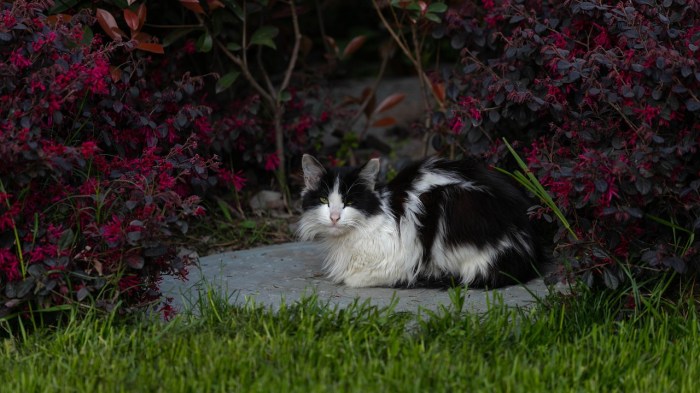
Pot bellied cats are generally healthy, but they are predisposed to certain health problems. These include polycystic kidney disease (PKD), hypertrophic cardiomyopathy (HCM), and obesity. PKD is a genetic condition that can lead to kidney failure. HCM is a heart condition that can cause sudden death.Symptoms of PKD can include increased thirst and urination, weight loss, and lethargy. Symptoms of HCM can include difficulty breathing, coughing, and fainting.
Obesity can manifest as weight gain, lethargy, and difficulty grooming.Preventative measures include regular veterinary checkups, genetic testing (for PKD and HCM), and a healthy diet and exercise regimen. Maintaining a healthy weight is crucial for preventing obesity-related health problems.A flowchart illustrating the diagnostic process for a suspected health problem in a pot bellied cat might look like this (imagine a visual flowchart here, with arrows connecting the steps):
1. Owner Observes Symptoms
(e.g., lethargy, loss of appetite)
2. Veterinary Examination
(Physical exam, history taking)
3. Initial Diagnostic Tests
(Blood work, urinalysis)
4. Further Testing (if needed)
(X-rays, ultrasound, genetic testing)
Diagnosis and Treatment Plan
Breeding and Genetics
Ethical considerations are paramount in pot bellied cat breeding. Responsible breeders prioritize the health and well-being of their cats above all else. This includes screening for genetic diseases, providing proper care and socialization, and ensuring that kittens are placed in suitable homes.The breed’s unique characteristics are influenced by a combination of genetic factors. Genes control body shape, coat color, and temperament.
Understanding these genetic factors is essential for responsible breeding.Responsible breeding involves health testing (for PKD and HCM), genetic screening, and careful selection of breeding pairs. The goal is to produce healthy, well-tempered kittens that conform to the breed standard.
Genetic diversity is crucial for maintaining a healthy breed population. Inbreeding can lead to an increased risk of genetic diseases and reduced overall fitness. Responsible breeders strive to maintain a diverse gene pool by carefully selecting breeding pairs and avoiding close relatives.
Pot Bellied Cats as Pets: Considerations
Pot bellied cats can be wonderful companions for a variety of lifestyles, but they are not the right fit for everyone. They thrive in homes where they receive plenty of attention and interaction. Their playful nature makes them well-suited for families with children, but supervision is always necessary.Early socialization and training are essential for ensuring a well-adjusted and confident cat.
Expose them to different people, animals, and environments from a young age. Positive reinforcement training can help teach them basic commands and good behavior.Introducing a pot bellied cat to other pets requires patience and careful planning. Start with supervised short interactions and gradually increase the time they spend together. Provide separate food and water bowls to avoid competition.Here’s a list of essential supplies needed for a pot bellied cat:
- Food and water bowls
- High-quality cat food
- Litter box and litter
- Scratching post
- Cat bed
- Toys
- Carrier
- Grooming supplies (brush, nail clippers)
Illustrative Descriptions
Imagine a pot bellied cat playfully batting at a dangling toy. Its short legs propel its round body forward with surprising agility. Its large, round eyes are fixed on the toy, and its whiskers twitch with excitement. Each paw strike is deliberate and precise, showcasing a playful energy despite its compact build. A soft “mrrp” escapes its mouth as it pounces, a clear indication of its enjoyment.Picture a pot bellied cat curled up asleep in a sunbeam.
Its round body is nestled comfortably, its short legs tucked beneath it. Its face is relaxed, and its breathing is slow and even. The sunlight warms its fur, creating a peaceful and serene scene. It exudes an aura of contentment and tranquility.Envision a pot bellied cat interacting with a child. The cat gently rubs against the child’s leg, purring softly.
The child strokes the cat’s fur with a gentle hand, and the cat responds with a slow blink, a sign of trust and affection. The interaction is filled with warmth and tenderness, demonstrating the cat’s gentle and affectionate nature.Observe a pot bellied cat exploring a new environment. It cautiously approaches unfamiliar objects, sniffing them with curiosity. Its large eyes scan the surroundings, taking in every detail.
It moves with a deliberate pace, assessing the potential risks and rewards of each new discovery. Its cautious movements reveal a blend of curiosity and caution.
Finding a Pot Bellied Cat
Reputable breeders specializing in pot bellied cats prioritize the health and temperament of their cats. They conduct genetic testing and provide proper socialization. Rescue organizations also often have pot bellied cats available for adoption.Adopting a pot bellied cat from a shelter or rescue is a rewarding experience. Shelters and rescues often have a variety of cats available, and the staff can help you find a cat that is a good fit for your lifestyle.When selecting a pot bellied cat kitten or adult, look for signs of good health and temperament.
The cat should be alert, active, and friendly. Avoid cats that appear sick or withdrawn.Here’s a checklist for evaluating a potential pot bellied cat:
- Appearance: Clean, well-groomed coat; clear eyes; healthy ears
- Behavior: Alert, active, friendly; not overly fearful or aggressive
- Health History: Vaccinations and deworming records; genetic testing results (if available)
- Living Conditions: Clean and spacious environment; access to food, water, and shelter
- Breeder/Rescue Reputation: Positive reviews and recommendations
Ultimate Conclusion
From understanding their specific dietary needs and grooming routines to recognizing potential health issues and ensuring responsible breeding practices, this guide aims to equip you with the knowledge to provide the best possible care for your pot bellied cat. Ultimately, these affectionate and playful companions offer a unique and rewarding experience for the right owner, bringing joy and endless cuddles to any household.
So, if you’re ready to learn more about these adorable, round-bellied felines, let’s delve into the wonderful world of the pot bellied cat!
Key Questions Answered
How long do pot bellied cats typically live?
With proper care, pot bellied cats can live for 12-15 years, and sometimes even longer!
Are pot bellied cats prone to weight gain?
Yes, they are! Their round bodies make it easy to spot extra weight, so careful monitoring of their diet and regular exercise are crucial.
Do pot bellied cats get along with dogs?
Generally, yes! Early socialization is key. Introducing them slowly and positively can lead to a harmonious relationship.
What kind of toys do pot bellied cats enjoy?
They love interactive toys like feather wands, puzzle feeders, and anything they can bat around with their short legs. Simple things like cardboard boxes are also a hit!
What vaccinations do pot bellied cats need?
Core vaccinations include FVRCP (feline viral rhinotracheitis, calicivirus, and panleukopenia) and rabies. Your vet can advise on additional vaccinations based on your cat’s lifestyle.
How often should I brush my pot bellied cat?
Most pot bellied cats have short, smooth coats that require brushing once or twice a week to remove loose hair and prevent mats.

