Have you ever encountered someone who consistently seems to steer conversations back to themselves, thrives on drama, or relentlessly seeks validation? The internet has a name for this behavior: “pram cat.” This term, relatively new to the online lexicon, describes a specific pattern of attention-seeking that’s become increasingly visible on social media and in everyday interactions. But where did this term come from, what does it really mean, and how can we navigate these dynamics?
This exploration dives deep into the phenomenon of the “pram cat,” examining its origins, psychological underpinnings, social media presence, and impact on relationships. We’ll unpack the nuances of identifying this behavior, discuss healthy responses, and consider the broader cultural context that shapes our understanding of attention-seeking.
Decoding the “Pram Cat”: A Deep Dive into Attention-Seeking Dynamics
The internet is a breeding ground for new terminology, and “pram cat” is one of the more recent additions. It’s a term that’s sparked considerable debate and, let’s be honest, a fair amount of online amusement. But beyond the memes and viral videos, there’s a complex psychological and social phenomenon at play. This article aims to unpack the meaning of “pram cat,” explore its origins, analyze the behaviors associated with it, and consider its impact on relationships and online culture.
We’ll move beyond simple labels and delve into the motivations and consequences of this increasingly recognized dynamic.
1. Defining “Pram Cat”
Origins and Meaning
Origins and Meaning
The term “pram cat” is relatively new, emerging primarily within online communities, particularly on platforms like TikTok and Twitter. Pinpointing the absolute first instance is tricky, as internet history isn’t always meticulously documented. However, early mentions consistently appear around late 2021 and early 2022. Initial usage seems to have stemmed from observations of individuals who consistently manufacture drama or seek attention, often in a performative and exaggerated way, particularly within group settings or online spaces.
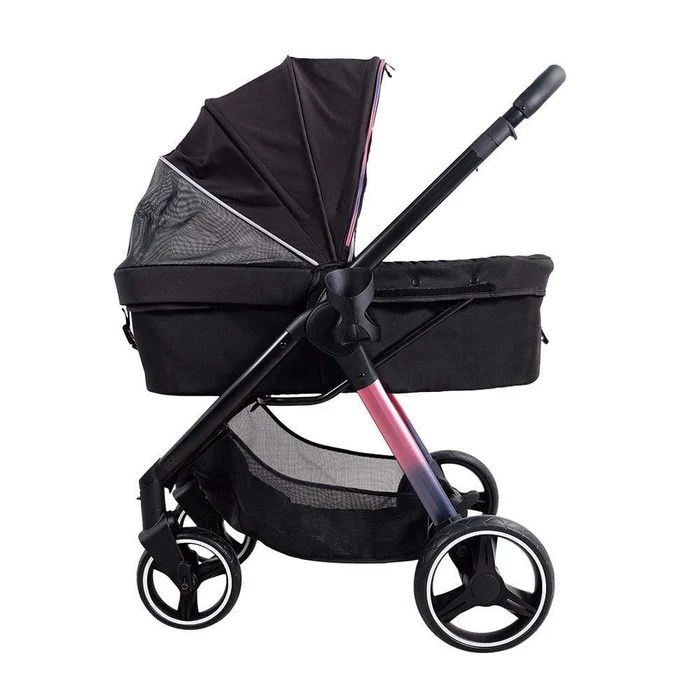
The “pram” part of the term is thought to be a playful reference to a baby stroller, symbolizing a need for constant care and attention, while “cat” adds a layer of mischievousness and unpredictability.
Interpretations of “pram cat” vary. Some view it as a lighthearted descriptor for someone who thrives on drama and enjoys being the center of attention. Others see it as a more critical label, suggesting manipulative behavior and a lack of genuine emotional depth. Within certain online communities, it’s used almost affectionately, as a way to identify and playfully tease individuals exhibiting these traits.
However, it’s crucial to acknowledge that the term can be perceived as derogatory and potentially harmful, especially when used to dismiss or invalidate someone’s feelings.
The usage of “pram cat” has evolved from a niche online term to a more widely recognized descriptor. Initially confined to specific online circles, it’s now frequently used in mainstream discussions about social dynamics and online behavior. The term’s popularity has likely been fueled by the rise of social media and the increased visibility of performative behavior online.
| Time Period | Common Meaning | Geographic Region |
|---|---|---|
| 2021-2022 (Early Usage) | Someone who creates drama and seeks attention, often online. | Primarily UK and US online communities |
| 2022-2023 (Growing Popularity) | A person who consistently seeks validation and thrives on being the center of attention. | Global, with significant usage in English-speaking countries |
| 2023-Present (Wider Recognition) | A label for individuals exhibiting manipulative attention-seeking behavior, often with performative elements. | Increasingly recognized across various online platforms and social circles |
| 2022 (TikTok Influence) | Associated with dramatic reactions and over-the-top displays of emotion for online engagement. | Globally, driven by TikTok trends |
| 2023 (Reddit Discussions) | Used to analyze and discuss complex relationship dynamics and patterns of behavior. | Primarily within Reddit communities focused on relationships and psychology |
2. The Psychology of Pram Cat Behavior
Source: com.au
The actions described as “pram cat” behavior are rarely random. There are often underlying psychological motivations at play. A core driver is often a deep-seated need for validation and reassurance. Individuals exhibiting these tendencies may have experienced a lack of consistent attention or validation in their childhood, leading them to seek it out in adulthood. This isn’t necessarily indicative of a clinical disorder, but rather a learned coping mechanism.
Attention-seeking behavior is a complex phenomenon. While some attention-seeking is normal and healthy (e.g., wanting recognition for achievements), “pram cat” behavior often crosses the line into manipulation and performativity. The goal isn’t simply to be noticed, but to elicit a specific reaction – often drama, sympathy, or reassurance – from others. This can be a way to control the emotional environment and maintain a sense of power.
Certain personality traits are often associated with individuals exhibiting “pram cat” tendencies. These can include a strong need for external validation, a tendency towards emotional reactivity, a desire for control, and a lack of self-awareness. However, it’s important to remember that these are just tendencies, and not all individuals with these traits will engage in “pram cat” behavior. Narcissistic traits, while not necessarily present, can sometimes overlap with these behaviors.
Consider this scenario: A person consistently brings up past grievances in conversations, even when they are irrelevant to the current topic. They might exaggerate their feelings or portray themselves as a victim to gain sympathy. The reaction they’re seeking is reassurance and validation of their feelings, even if those feelings are disproportionate to the situation. Another example: An employee constantly seeks praise from their boss, even for minor tasks, and becomes visibly upset if they don’t receive the desired attention.
3. Pram Cat in Social Media and Online Culture
Social media platforms have become fertile ground for “pram cat” behavior. TikTok, with its emphasis on short-form video and performative authenticity, is particularly conducive to this dynamic. Twitter allows for rapid dissemination of dramatic narratives, while Reddit provides spaces for analyzing and discussing these behaviors in detail. The algorithms on these platforms often reward engagement, inadvertently incentivizing attention-seeking actions.
- #PramCat: The primary hashtag, used to identify and discuss examples of “pram cat” behavior.
- #DramaQueen: A related hashtag, often used interchangeably with “pram cat,” though it tends to be less specific.
- #AttentionSeeker: A broader hashtag, encompassing a wider range of attention-seeking behaviors.
- #ToxicFriendship: Frequently used in conjunction with “pram cat” to describe relationships characterized by manipulative dynamics.
- #EmotionalManipulation: Highlights the manipulative aspect of “pram cat” behavior.
Viral content featuring the term “pram cat” takes various forms. Memes often satirize the exaggerated reactions and performative displays associated with the term. Videos showcase examples of “pram cat” behavior, often with humorous commentary. Discussions on Reddit and other forums delve into the psychological motivations and consequences of these behaviors. A common theme is the observation of individuals who seem to thrive on creating drama and eliciting emotional responses from others.
A typical progression of a “pram cat” scenario on social media might look like this: 1) An individual posts a dramatic story or complaint. 2) They solicit sympathy and reassurance from their followers. 3) They amplify any negative reactions, using them as further justification for their behavior. 4) They bask in the attention, regardless of whether it’s positive or negative.
5) The cycle repeats.
4. The Nuances of Identifying a “Pram Cat”
Distinguishing between a genuine need for attention and manipulative behavior is crucial. Everyone needs attention and validation at times. However, “pram cat” behavior is characterized by a pattern of calculated actions designed to elicit a specific emotional response from others. It’s about control, not simply connection.
Comparing “pram cat” behavior to other related concepts reveals important distinctions. “Drama” often refers to chaotic situations, while “emotional vampirism” describes a pattern of draining emotional energy from others. “Pram cat” behavior combines elements of both, involving the creation of drama to feed a need for emotional validation and control.
- Consistently creates conflict or drama.
- Exaggerates emotions and reactions.
- Solicits reassurance and validation frequently.
- Plays the victim to gain sympathy.
- Becomes upset or defensive when not receiving attention.
- Manipulates situations to elicit a desired emotional response.
- Lacks self-awareness regarding their behavior.
Context is paramount when interpreting actions and labeling someone as a “pram cat.” A single instance of emotional reactivity doesn’t necessarily indicate a pattern of manipulative behavior. It’s the consistent pattern of actions and the underlying motivations that define “pram cat” behavior.
5. Reactions and Responses to “Pram Cat” Behavior
People typically react to “pram cat” behavior in various ways, ranging from sympathy and reassurance to frustration and avoidance. Some individuals are drawn into the drama, while others attempt to set boundaries. The response often depends on the individual’s personality, their relationship with the “pram cat,” and their tolerance for emotional manipulation.
Setting boundaries is essential when interacting with someone exhibiting “pram cat” tendencies. This might involve limiting emotional discussions, refusing to engage in drama, and redirecting conversations away from attention-seeking topics. It’s also important to prioritize your own emotional well-being and avoid getting drawn into their emotional rollercoaster.
Enabling “pram cat” behavior occurs when you consistently provide the attention and validation they seek, reinforcing their manipulative patterns. This can perpetuate the cycle and prevent them from developing healthier coping mechanisms.
| Scenario | Response Option 1 | Response Option 2 | Potential Outcome |
|---|---|---|---|
| Constant complaining about minor inconveniences. | Offer brief sympathy and then redirect the conversation. | Refuse to engage in the complaining and change the subject. | Reduces the attention they receive, potentially decreasing the behavior. |
| Exaggerated emotional reactions to minor disagreements. | Acknowledge their feelings without validating the reaction. | State calmly that the reaction is disproportionate to the situation. | Sets a boundary and discourages future overreactions. |
| Consistently steering conversations back to themselves. | Gently redirect the conversation back to the original topic. | Politely excuse yourself from the conversation. | Limits their opportunity to dominate the conversation. |
| Seeking reassurance after every minor decision. | Offer a brief, neutral response and encourage them to trust their own judgment. | Refuse to provide reassurance and encourage self-reliance. | Promotes independence and reduces reliance on external validation. |
6. The Term’s Impact on Relationships
The perception of someone as a “pram cat” can significantly impact romantic relationships. Constant drama and emotional manipulation can erode trust and create a sense of instability. Partners may feel emotionally drained and resentful, leading to conflict and ultimately, relationship breakdown.
Friendships and family dynamics can also be strained by “pram cat” behavior. Friends may become weary of the constant need for attention and validation, while family members may feel manipulated and emotionally exhausted. The dynamic can create a toxic environment, leading to distance and estrangement.
Misdiagnosis is a real concern. Labeling someone as a “pram cat” can be dismissive and prevent them from seeking professional help if they are struggling with underlying psychological issues. It’s crucial to avoid labels and focus on specific behaviors and their impact on relationships.
Communication styles play a significant role in “pram cat” dynamics. Passive communication can enable the behavior, while assertive communication can help set boundaries and protect emotional well-being. Open and honest communication, focused on specific behaviors and their impact, is essential for addressing the issue.
7. Exploring the Term’s Cultural Significance
Cultural norms and values influence the prevalence and perception of “pram cat” behavior. In cultures that emphasize emotional expression and collectivism, attention-seeking behavior may be more readily accepted or even encouraged. Conversely, in cultures that value emotional restraint and individualism, such behavior may be viewed more negatively.
The term’s usage varies across different cultures and languages. While “pram cat” is primarily an English term, similar concepts exist in other cultures, often with different terminology. Understanding these cultural nuances is crucial for avoiding misinterpretations and cultural insensitivity.
The term “pram cat” can be used as a form of social commentary, highlighting the performative nature of online behavior and the pressures to seek validation in a digital age. It reflects a growing awareness of manipulative tactics and the importance of emotional boundaries.
Fictional characters who embody “pram cat” traits include Regina George from “Mean Girls” and Cersei Lannister from “Game of Thrones.” Both characters manipulate situations and people to maintain power and control, often through dramatic displays and emotional manipulation. Their motivations stem from a deep-seated insecurity and a desire for dominance, with devastating consequences for those around them.
8. The Evolution of Language Surrounding Attention-Seeking
The term “pram cat” fits within a broader history of terms describing attention-seeking behavior. Older terms like “drama queen” and “martyr” reflect similar patterns of behavior, but “pram cat” offers a more nuanced and specific descriptor.
“Drama queen” often implies exaggerated emotional responses, while “martyr” suggests a self-sacrificing persona used to elicit sympathy. “Pram cat” combines these elements with a focus on manipulative tactics and a performative aspect, suggesting a more calculated approach to seeking attention.
The emergence of newer, more specific terms like “pram cat” reflects a growing sophistication in understanding and labeling complex social dynamics. As social media has amplified performative behavior, the need for more precise language to describe these patterns has increased.
“The language surrounding attention-seeking behavior has shifted dramatically over the past 50 years, moving from broad terms like ‘hysterical’ and ’emotional’ to more nuanced and specific labels like ‘drama queen,’ ‘narcissist,’ and now ‘pram cat.’ This evolution reflects a growing awareness of the psychological motivations behind these behaviors and a desire to understand the complex interplay of power, validation, and manipulation in social interactions.”
9. Illustrative Scenarios – Detailed Descriptions
Imagine a family gathering. Aunt Carol consistently steers the conversation back to herself, recounting lengthy stories about her ailments or recent accomplishments, even when others are trying to share their own experiences. She interrupts frequently, minimizes others’ contributions, and becomes visibly upset if she’s not the center of attention. Her underlying motivation is a deep-seated insecurity and a need to feel important, even if it means overshadowing others.
Consider an employee, Mark, who frequently seeks validation from his boss, even for minor tasks. He constantly asks for praise and becomes visibly deflated if he doesn’t receive the desired attention. He might exaggerate his accomplishments or take credit for others’ work to gain recognition. His motivation is a lack of self-confidence and a need for external validation to feel worthy.
In a romantic relationship, Sarah consistently creates conflict to elicit reassurance from her partner. She might accuse him of not caring or question his commitment, even when there’s no basis for her concerns. Her underlying motivation is a fear of abandonment and a need to feel loved and secure, even if it means creating unnecessary drama.
Visualize a “pram cat” dynamic as a circular flow of attention. At the center is the individual exhibiting “pram cat” behavior. Arrows radiate outwards, representing their attempts to solicit attention and validation from others. These attempts trigger reactions – sympathy, reassurance, frustration – which are then amplified and used to further fuel the cycle. The flow of emotional energy is unbalanced, with the “pram cat” consistently drawing energy from others while offering little in return.
10. The Role of Social Media Algorithms
Social media algorithms can inadvertently amplify “pram cat” behavior. Algorithms are designed to reward engagement, and dramatic or emotionally charged content often generates more likes, comments, and shares. This incentivizes individuals to create content that elicits strong emotional reactions, potentially reinforcing “pram cat” tendencies.
The pursuit of likes and validation can incentivize attention-seeking actions. Individuals may feel pressured to create increasingly dramatic or provocative content to maintain their online visibility and gain social approval. This can lead to a cycle of escalating behavior and a distorted sense of self-worth.
Algorithms can also create echo chambers that reinforce “pram cat” tendencies. When individuals are primarily exposed to content that validates their beliefs and behaviors, they may become more entrenched in their patterns and less likely to consider alternative perspectives. This can exacerbate the problem and make it more difficult to break free from the cycle.
Imagine a diagram illustrating the feedback loop: User posts dramatic content -> Algorithm rewards with increased visibility -> User receives validation and attention -> User creates more dramatic content -> Algorithm rewards again. This cycle reinforces the behavior and perpetuates the “pram cat” dynamic.
Wrap-Up
Ultimately, understanding the “pram cat” isn’t about labeling individuals, but about recognizing patterns of behavior and developing healthy boundaries. While the term itself can be loaded, the underlying issues of unmet needs, insecurity, and the desire for connection are universal. By fostering open communication, practicing empathy, and prioritizing our own well-being, we can navigate these complex interactions with greater awareness and resilience, creating healthier relationships for everyone involved.
The rise of the “pram cat” term reflects a broader societal conversation about attention, validation, and the impact of social media on our emotional lives. It’s a reminder to be mindful of our own behaviors and to approach others with compassion, even when their actions are challenging.
Question Bank
What’s the origin of the term “pram cat”?
The exact origin is murky, but it seems to have emerged on platforms like TikTok and Twitter in the late 2010s, likely as a playful, slightly cynical way to describe someone who demands attention, similar to a cat demanding to be pushed in a pram (stroller).
Is being a “pram cat” a clinical diagnosis?
No. It’s a colloquial term, not a recognized psychological disorder. It describes a behavioral pattern, not a mental health condition.
How does “pram cat” behavior differ from simply being outgoing or needing attention?
The key difference lies in the manipulative or draining nature of the behavior. While everyone needs attention, a “pram cat” often creates drama or uses guilt to get it, leaving others feeling emotionally exhausted.
What are some healthy ways to respond to a “pram cat”?
Setting clear boundaries is crucial. This might involve limiting your availability, redirecting conversations, or calmly stating your needs.
Can social media algorithms contribute to “pram cat” behavior?
Yes, the pursuit of likes and validation on social media can incentivize attention-seeking actions, creating a cycle of seeking external approval.
Is it always wrong to give someone attention?
Not at all! Genuine connection and support are important. The issue arises when attention-seeking becomes manipulative or draining.
How can I avoid mislabeling someone as a “pram cat”?
Context is key. Consider the person’s overall behavior, their history, and any potential underlying issues. Avoid jumping to conclusions and focus on specific actions rather than labeling the person.

