The Japanese Bobtail, with its distinctive pom-pom tail and charming personality, is a truly unique breed. But before you welcome one of these delightful cats into your home, it’s essential to understand the financial commitment involved. This guide dives deep into the price of Japanese Bobtail cats, exploring everything from initial purchase costs to ongoing expenses, adoption versus buying from a breeder, and even the impact of coat color and rarity.
We’ll break down the factors that influence the price, helping you make an informed decision and prepare for a lifetime of feline companionship.
From the initial investment in a kitten to the recurring costs of food, vet care, and toys, owning a Japanese Bobtail is a rewarding but financially responsible endeavor. We’ll examine regional price variations, the influence of breeder reputation, and the potential for unexpected expenses, ensuring you’re fully prepared to provide the best possible care for your new furry friend.
The Price of a Japanese Bobtail: A Comprehensive Guide
Bringing a Japanese Bobtail into your home is a wonderful decision! These charming cats are known for their playful personalities, distinctive “pom-pom” tails, and striking appearance. However, understanding the costs involved – both upfront and ongoing – is crucial for responsible pet ownership. This guide breaks down everything you need to know about the price of a Japanese Bobtail, from initial purchase to long-term care.
1. Initial Purchase Price – Factors Influencing Cost
Source: catster.com
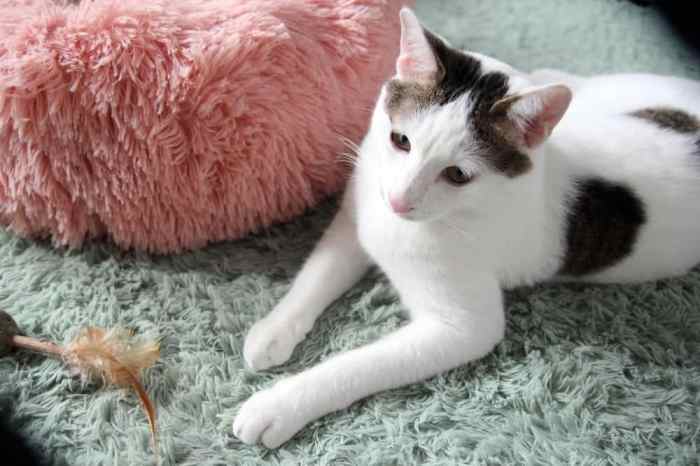
The price of a Japanese Bobtail kitten can vary significantly depending on several factors. It’s important to be prepared for a range, and to understand what contributes to those differences.
Average Price Range from Reputable Breeders
Generally, you can expect to pay between $1,500 and $3,500 for a Japanese Bobtail kitten from a reputable breeder in the United States. This price reflects the breeder’s investment in health testing, quality breeding practices, and socialization. Lower end of the range often represents kittens with less extensive pedigree or slightly less desirable markings.
Breeder Reputation and Location
A breeder’s reputation plays a huge role. Breeders with a long history of producing healthy, well-socialized kittens, and who actively participate in cat shows, will typically command higher prices. Location also matters. Breeders in states with higher costs of living, like California, often have higher prices than those in states like Maine. For example, a kitten from a well-regarded breeder in Southern California might start around $2,500, while a similar kitten from a breeder in Maine could be closer to $1,800.
This difference accounts for varying operational costs and regional demand.
Lineage and Show Quality
Lineage is key. Kittens with champion bloodlines – meaning their parents and grandparents have achieved titles in cat shows – are significantly more expensive. Show-quality kittens are those that meet the breed standard perfectly, with ideal conformation, coat, and markings. These kittens are bred specifically for the show ring and can easily cost $3,000 or more. Pet-quality kittens, while still wonderful companions, have minor flaws that prevent them from being shown and are typically priced between $1,500 and $2,500.
Rescue or Shelter Adoption
Adopting a Japanese Bobtail from a rescue organization or shelter is a much more affordable option. Adoption fees typically range from $75 to $250. This fee usually covers initial vaccinations, deworming, and spaying/neutering. While finding a purebred Japanese Bobtail in a shelter is less common, it does happen, and it’s a rewarding way to give a deserving cat a loving home.
| Breeder Type | Price Range (USD) | Description |
|---|---|---|
| Reputable Breeder | $1,500 – $3,500+ | Health tested, quality breeding practices, potential show lines. |
| Rescue/Shelter | $75 – $250 | Includes initial vet care (vaccinations, deworming, spay/neuter). |
| Backyard Breeder | $800 – $2,000 | Often lacks health testing and socialization; proceed with caution. |
2. Geographic Price Variations
Japanese Bobtails are not as widely bred as some other breeds, which contributes to price variations across the US.
Common Breeding Regions
The states where Japanese Bobtails are most commonly bred and sold include California, Oregon, Washington, and Pennsylvania. There are also smaller pockets of breeders in other states, but these are the primary hubs.
Northeast vs. Southwest
Generally, kittens in the Northeast (particularly New England) tend to be slightly more expensive than those in the Southwest. The average price in the Northeast might be $2,200 – $3,800, while in the Southwest, it could be $1,800 – $3,200.
Regional Availability and Demand
This difference is largely due to regional availability and demand. There are fewer breeders in the Northeast, leading to higher prices due to limited supply. The Southwest has a slightly larger, though still limited, number of breeders, and potentially a lower overall demand.
Price Tier Map Visualization
Imagine a map of the United States. The Northeast would be shaded in a darker red, representing the highest price tier ($2,200+). The Midwest would be a lighter red ($1,800 – $2,200). The Southwest and Southeast would be yellow ($1,500 – $1,800). The West Coast (California, Oregon, Washington) would be a mix of red and yellow, reflecting the presence of both high-end breeders and more affordable options.
Top 5 States – Highest Average Prices
- California
- Massachusetts
- New York
- Connecticut
- Pennsylvania
Top 5 States – Lowest Average Prices
- Oklahoma
- Arkansas
- Mississippi
- Alabama
- Indiana
3. Kitten Age and Development Stage
The price of a Japanese Bobtail kitten isn’t static; it changes as the kitten ages and reaches different developmental milestones.
Price Changes with Age
Kittens typically go home between 12 and 16 weeks of age. An 8-week-old kitten might be slightly less expensive (around $100-$200 less) than a 12-week-old kitten, as the breeder has invested less time in socialization. A 6-month-old kitten, which is closer to adolescence, might be priced similarly to a 12-week-old, or even slightly higher if it has received additional training.
Services Included
When purchasing a kitten at 8-12 weeks, you can typically expect the breeder to have provided initial vaccinations (usually the first two), deworming, and an initial vet check. Older kittens (6 months+) may have completed their vaccination series and be spayed/neutered.
Kitten vs. Adult Price Difference
Adult Japanese Bobtails (over 1 year old) are less common to purchase from breeders. If you do find one, the price can range from $1,000 to $2,500, depending on their pedigree and whether they are retired from showing. Adoption is a more common route for adult Japanese Bobtails.
| Age Range | Average Price (USD) | Services Included | Description |
|---|---|---|---|
| 8 Weeks | $1,400 – $3,300 | Initial vet check, deworming. | Youngest age for going home; less socialization time. |
| 12 Weeks | $1,600 – $3,700 | Initial vet check, deworming, first vaccinations. | Ideal age for socialization and bonding. |
| 6 Months | $1,800 – $3,800 | Completed vaccinations, potentially spayed/neutered. | Approaching adolescence; may have some training. |
| Adult (1+ Year) | $1,000 – $2,500 | Varies; often spayed/neutered, fully vaccinated. | Less common to purchase from breeders; adoption is a good option. |
4. Coat Color and Pattern Valuation
The Japanese Bobtail’s striking coat is a defining characteristic, and certain colors and patterns are more highly valued than others.
Recognized Coat Colors and Patterns
The Cat Fanciers’ Association (CFA) recognizes several coat colors and patterns in Japanese Bobtails, including mi-ke (three-color – white, red, and black), bi-color (white with one other color), tri-color (white, red, and another color), and solid colors (black, red, cream, blue, seal).
Rarity and Price Impact
Rarity significantly impacts price. Mi-ke patterns, particularly those with a balanced distribution of colors, are highly sought after. Solid colors are generally less expensive.
Mi-ke vs. Solid Color
A well-marked mi-ke Japanese Bobtail can easily command a premium of $500 to $1,000 over a solid-color cat. The “grading” of the mi-ke pattern (how evenly the colors are distributed) also plays a role.
Genetic Factors
Coat color and pattern are determined by complex genetics. The mi-ke pattern is a result of the interaction of several genes, making it relatively rare. Solid colors are often linked to specific recessive genes.
Coat Color/Pattern List (Most to Least Common, Estimated Price Impact)
- Solid Colors (+ $0 – $100)
- Bi-Color (+ $100 – $300)
- Mi-Ke (Balanced Pattern) (+ $500 – $1,000)
- Mi-Ke (Uneven Pattern) (+ $300 – $500)
- Tri-Color (+ $200 – $400)
5. Ongoing Expenses – Beyond the Initial Purchase
Owning a Japanese Bobtail is a long-term commitment, and it’s essential to factor in ongoing expenses.
Annual Costs
The average annual cost of owning a Japanese Bobtail is approximately $1,000 – $2,500, depending on your location and lifestyle. This includes food, litter, vet care, toys, and grooming.
Unexpected Veterinary Expenses
Be prepared for unexpected veterinary expenses. Japanese Bobtails are generally healthy, but accidents and illnesses can happen. Pet insurance is highly recommended to help cover these costs.
Typical Monthly Expenses (Bulleted List)
* Food: $50 – $100
Litter
$20 – $40
Toys & Enrichment
$20 – $50
Grooming Supplies
$10 – $30
Potential Vet Care
$25 – $75 (more with insurance)
Specialized Food/Grooming
Japanese Bobtails have relatively short, dense coats that require regular brushing to prevent mats. High-quality cat food formulated for indoor cats is recommended.
| Expense Category | Estimated Annual Cost (USD) | Description |
|---|---|---|
| Food | $600 – $1,200 | High-quality cat food, potentially specialized formulas. |
| Vet | $200 – $500+ | Annual checkups, vaccinations, potential emergency care. |
| Grooming | $50 – $200 | Brushes, combs, occasional professional grooming. |
| Toys | $100 – $300 | Interactive toys, scratching posts, enrichment items. |
Final Review
Ultimately, the price of a Japanese Bobtail cat is more than just a number; it represents a commitment to providing a loving and supportive home for a special animal. By understanding the various factors that contribute to the cost, from breeder reputation and lineage to ongoing expenses and potential health concerns, you can confidently navigate the process of bringing a Japanese Bobtail into your life.
Whether you choose to adopt or purchase from a breeder, remember that responsible pet ownership is a lifelong journey filled with joy, companionship, and a deep bond with your feline friend.
So, do your research, budget accordingly, and prepare to be charmed by the unique personality and captivating beauty of the Japanese Bobtail – a truly remarkable breed that will enrich your life for years to come.
FAQ Explained
What’s the average price range for a Japanese Bobtail kitten from a reputable breeder?
Generally, you can expect to pay between $1,500 and $3,000 from a reputable breeder in the US. Prices can fluctuate based on lineage and show quality.
Why are Japanese Bobtails more expensive than some other breeds?
Their relative rarity, combined with the careful breeding practices of reputable breeders who prioritize health and temperament, contributes to their higher price point.
Can I find a Japanese Bobtail for less than $1,000?
It’s possible to find them for less, often through rescue organizations or shelters, or from backyard breeders (though caution is advised – see our breeder checklist!).
What does “pet quality” versus “show quality” mean in terms of price?
Show-quality kittens meet specific breed standards and are intended for competition, commanding a higher price (often $2,500+). Pet-quality kittens are still wonderful companions but may have minor imperfections that don’t meet show standards.
What are the biggest ongoing expenses I should budget for?
Food, litter, annual vet checkups, vaccinations, and unexpected medical expenses are the most significant ongoing costs. Pet insurance is highly recommended.
Are there any health issues I should be aware of that could impact vet costs?
While generally healthy, Japanese Bobtails can be prone to certain conditions. Discuss potential health concerns with the breeder or your veterinarian.
What’s the difference in price between a kitten and an adult Japanese Bobtail?
Kittens are typically more expensive due to the breeder’s investment in their care and socialization. Adult cats, especially those from rescues, may be more affordable.

