Ever wondered if there’s more to the cat world than just your average tabby or Persian? There absolutely is! We’re diving into the fascinating realm of rare cat breeds – those unique felines with intriguing histories, unusual appearances, and often, a precarious foothold in the world. Defining “rare” isn’t always straightforward; it’s a mix of small populations, limited recognition, and sometimes, a captivating story of rediscovery.
It’s a world of diamond-eyed wonders, shimmering African coats, and cats who love to swim – prepare to be amazed!
The journey to identifying and preserving these breeds is complex. Tracking their numbers globally is a challenge, and historical records can be patchy. Take, for example, the recent revival of the Turkish Van, once nearly lost to obscurity, now celebrated for its playful nature and love of water. This exploration will uncover the stories behind these special cats and the dedicated people working to ensure their survival.
Rare Breeds of House Cats: A Journey into Feline Uniqueness
The world of cat breeds is far more diverse than most people realize. While Persians, Maine Coons, and Siamese cats often steal the spotlight, a fascinating array of lesser-known breeds exists, each with its own unique history, appearance, and temperament. Defining a “rare” cat breed isn’t straightforward. It generally involves a small population size – often fewer than a few hundred breeding cats worldwide – limited recognition by major cat registries like the Cat Fanciers’ Association (CFA) or The International Cat Association (TICA), and sometimes, a significant historical or cultural importance.
Accurately tracking rarity globally is a challenge due to inconsistent record-keeping, varying registration practices across countries, and the emergence of new breeds. It’s a constantly shifting landscape.
I remember reading about the rediscovery of the Turkish Van in the 1950s. Almost extinct after World War II, a British woman named Laura Lush brought several cats back from Turkey, sparking a revival of the breed. It’s a testament to the fragility of these unique genetic lines and the dedication of breeders who work tirelessly to preserve them. This article will explore some of these remarkable feline varieties, delving into their origins, characteristics, and the challenges they face.
The Khao Manee: Diamond-Eyed Wonder
The Khao Manee, meaning “white jewel” in Thai, is a breed steeped in history and shrouded in mystique. Originating in Thailand, this striking cat was favored by Thai royalty for centuries, often depicted in ancient artwork and considered a symbol of good luck. Its association with the royal court contributed to its relative obscurity outside of Thailand for many years.
The Khao Manee’s most distinctive feature is its eye color, which is directly linked to genetics. The breed’s unique eye color is a result of the piebald spotting gene, which affects pigment distribution. This gene can result in a variety of eye colors, including odd-eyes (one blue and one another color), blue eyes, and gold eyes. However, the odd-eye trait is often associated with deafness in one ear, a consequence of the gene’s impact on melanocyte development.
While not all odd-eyed Khao Manees are deaf, breeders carefully screen for this condition.
| Eye Color | Description | Prevalence |
|---|---|---|
| Odd-Eyed (One Blue, One Other) | One eye is blue, the other can be gold, green, or another color. | Relatively Common (estimated 30-40%) |
| Blue-Eyed | Both eyes are blue. | Less Common (estimated 20-30%) |
| Gold-Eyed | Both eyes are gold or amber. | Most Common (estimated 40-50%) |
Beyond their striking eyes, Khao Manees are known for their playful, intelligent, and affectionate personalities. They are often described as being highly interactive and enjoy being involved in their human’s activities. They are generally healthy cats, but potential owners should be aware of the possible link between odd-eye coloration and deafness and ensure breeders are conducting appropriate health screenings.
Sokoke: The African Shimmer
The Sokoke cat is a truly remarkable breed, representing a natural breed originating from the Arabuko Sokoke Forest in Kenya. Unlike many breeds developed through selective breeding, the Sokoke evolved naturally in its environment, adapting to the forest’s unique conditions. The breed was first brought to Europe in the 1970s, where breeders began working to establish and preserve it.
The Sokoke’s coat is a defining characteristic. It’s short, dense, and has a distinctive “ticked” pattern, meaning that each hair shaft has bands of different colors. This gives the coat a shimmering appearance. While both Bengals and Abyssinians also exhibit ticked coats, the Sokoke’s pattern is generally more subtle and less bold than those of the other two breeds. The Sokoke’s coat also tends to be softer and more velvety to the touch.
The Sokoke is a natural hunter, possessing exceptional agility and keen senses. Historically, they played a vital role in controlling rodent and insect populations within their native forest habitat, contributing to the ecosystem’s balance. Their hunting prowess is a testament to their wild ancestry.
Conservation efforts are crucial for the Sokoke breed and its natural habitat. The Arabuko Sokoke Forest faces threats from deforestation and human encroachment. Organizations are working to protect the forest and promote sustainable practices that benefit both the local community and the Sokoke cat population. Maintaining a healthy population of Sokokes in their native environment is essential for preserving the breed’s genetic diversity and unique adaptations.
Turkish Van: The Swimming Cat
Source: hearstapps.com
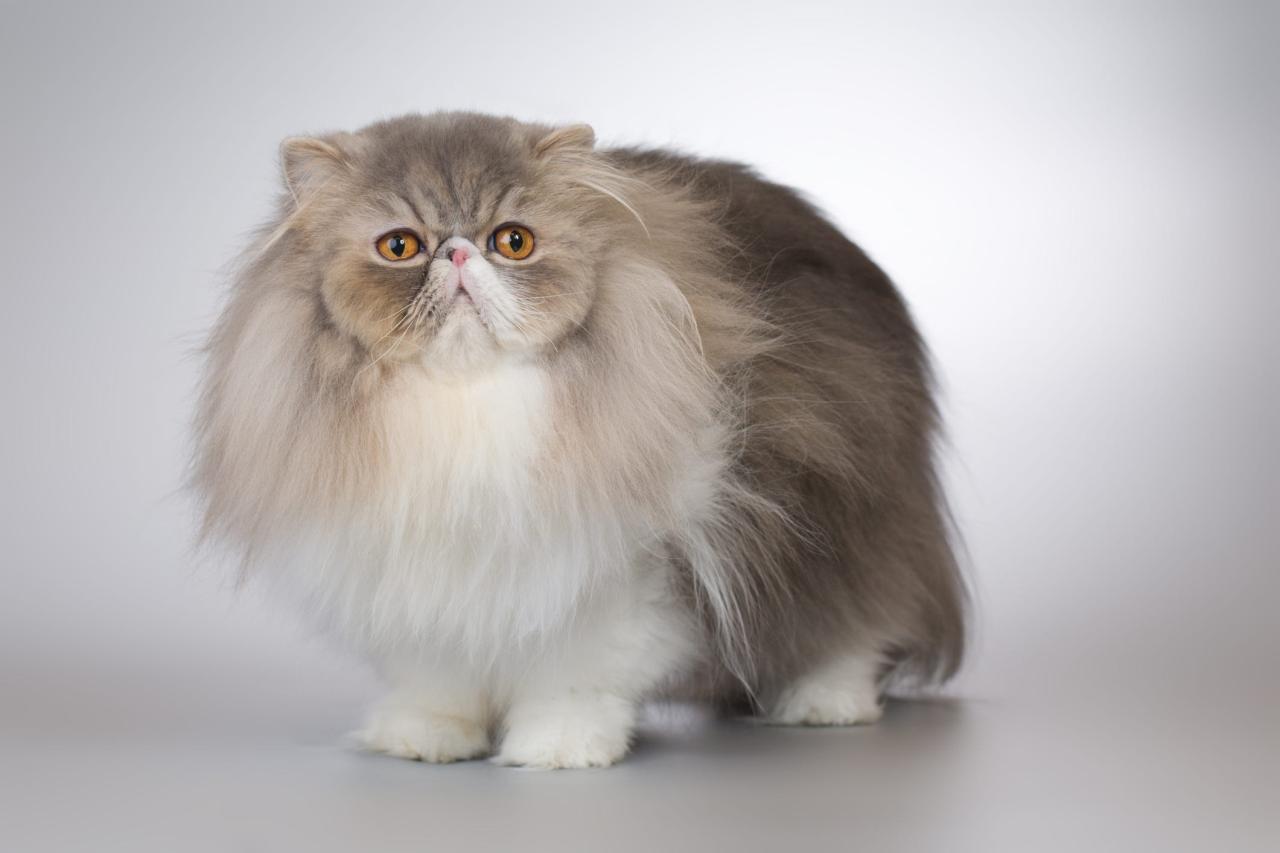
The Turkish Van is renowned for its unusual affinity for water. Unlike most cats, which typically avoid water, Turkish Vans often actively seek it out, enjoying swimming and playing in water. This behavior is believed to be rooted in their origins near Lake Van in Turkey, where they likely developed a fondness for water while hunting waterfowl and fish. Evolutionary pressures may have favored cats with a tolerance for water, leading to the development of this unique trait.
Physically, the Turkish Van is a medium-sized cat with a muscular build. Its most recognizable feature is its “van pattern,” characterized by a predominantly white body with colored markings (typically black, cream, or red) on the head and tail. The color markings often resemble a “butterfly” shape on the face. They have a semi-long, silky coat that requires moderate grooming.
Their eyes are large, expressive, and almond-shaped, typically amber or gold in color.
- Hypertrophic Cardiomyopathy (HCM): A heart condition that can affect Turkish Vans. Regular screening is recommended.
- Polycystic Kidney Disease (PKD): A genetic disorder that can lead to kidney failure. Responsible breeders screen for this condition.
- Progressive Retinal Atrophy (PRA): A degenerative eye disease that can cause blindness.
- Hip Dysplasia: A condition where the hip joint doesn’t develop properly.
Stories abound of Turkish Vans enthusiastically swimming in pools, bathtubs, and even lakes. Owners often describe them as being “dog-like” in their behavior, enjoying fetch and other interactive games. Their playful and affectionate nature makes them wonderful companions for active families.
LaPerm: The Curly-Coated Marvel
The LaPerm’s distinctive curly coat is the result of a spontaneous genetic mutation that first appeared in a litter of domestic shorthair cats in Oregon in 1984. A single kitten in the litter, named Curly, exhibited a unique curly coat, and breeders recognized the potential for developing a new breed. The gene responsible for the curl is an autosomal dominant gene, meaning that only one copy of the gene is needed for the cat to have a curly coat.
The curl patterns in LaPerms can vary significantly, ranging from loose waves to tight ringlets. Factors such as age, humidity, and diet can influence coat texture. Kittens are born with straight hair, which begins to curl as they mature. The degree of curl can also vary depending on the individual cat and their genetic background.
While both LaPerms and Selkirk Rexes have curly coats, the curl differs significantly. The Selkirk Rex has a more dramatic, loose curl that often appears “uncombed,” while the LaPerm’s curl is tighter and more uniform. The LaPerm’s coat also tends to be softer and silkier than the Selkirk Rex’s coat.
Grooming requirements for LaPerms are surprisingly minimal. Their curly coat doesn’t tangle easily, and occasional brushing is usually sufficient. However, regular bathing can help to maintain the coat’s softness and shine. The unique coat type makes them relatively low-maintenance pets.
American Wirehair: The Rosetted Coat
The American Wirehair emerged as a spontaneous mutation in a litter of farm cats in upstate New York in 1966. A farmer noticed a litter of kittens with unusually wiry coats and contacted a cat breeder, T. Bart Knowles, who began working to establish the breed. The mutation is believed to be a recessive gene, meaning that both parents must carry the gene for a kitten to exhibit the wirehair coat.
The American Wirehair’s coat is its defining characteristic. It’s dense, wiry, and has a unique “rosette” pattern, where the individual hairs are crimped and twisted, creating a textured appearance. The coat feels rough to the touch and has a distinctive crinkled look. The wirehair texture is a result of a mutation affecting hair follicle development.
While both American Wirehairs and Cornish Rexes and Devon Rexes have curly coats, the texture and curl differ. The Cornish Rex has a wavy, marcel-like curl, while the Devon Rex has a looser, more open curl. The American Wirehair’s coat is significantly more wiry and textured than either of these breeds.
American Wirehairs are known for their affectionate and playful personalities. They are generally good-natured and get along well with children and other pets, making them suitable family companions. They are also intelligent and can be trained to perform tricks.
Ukrainian Levkoy: The Folded Ear Mystery
The Ukrainian Levkoy is a relatively new and rare breed, resulting from a deliberate cross between Scottish Folds and Donskoy cats. The breeding program began in Ukraine in 2008, with the goal of creating a cat with the folded ears of the Scottish Fold and the hairlessness of the Donskoy. The breed is still under development, and breeders are working to stabilize the genetic traits.
The folded ears of the Levkoy are a result of a dominant gene that affects cartilage development. However, this gene is also associated with a condition called osteochondrodysplasia, which can lead to cartilage and bone abnormalities. Responsible breeders are carefully screening for this condition to minimize the risk of health problems.
The Ukrainian Levkoy’s appearance is striking. They typically have a hairless or sparsely-haired body, similar to the Donskoy, but with the characteristic folded ears of the Scottish Fold. The ears can vary in the degree of folding, from a slight bend to a complete fold. Their large, expressive eyes and prominent cheekbones add to their unique charm.
The Levkoy’s personality is said to be a blend of its parent breeds. They are known to be affectionate, playful, and intelligent. They are often described as being more active and curious than Scottish Folds, but equally devoted to their human companions.
Minskin: The Miniature Hairless
The Minskin is a deliberately created breed, resulting from a cross between Munchkin and Sphynx cats. The breeding program began in the United States in 2000, with the goal of creating a miniature, hairless cat with a playful and affectionate personality. The breed is still relatively new and is not yet widely recognized by major cat registries.
The Minskin’s unique appearance is characterized by its short legs, inherited from the Munchkin breed, and its sparse coat, inherited from the Sphynx breed. They typically have a soft downy fuzz covering their body, rather than a full coat of hair. The combination of short legs and a hairless body gives them a distinctive and endearing appearance.
Given their hybrid heritage, Minskins may be prone to certain health considerations associated with both the Munchkin and Sphynx breeds. These can include hypertrophic cardiomyopathy (HCM), polycystic kidney disease (PKD), and skin sensitivities. Responsible breeders screen for these conditions to minimize the risk of health problems.
Minskins are known for their playful, affectionate, and energetic personalities. They are often described as being “dog-like” in their behavior, enjoying interactive games and following their human companions around the house. Their small size and low-maintenance grooming requirements make them well-suited for apartment living.
Chartreux: The Blue-Gray Enigma
The Chartreux has a long and fascinating history, with connections to Carthusian monks in France dating back to the 13th century. Legend has it that the monks raised these blue-gray cats, which were prized for their ability to control rodent populations in the monasteries. The breed nearly disappeared during the French Revolution but was revived in the 20th century.
The Chartreux is instantly recognizable by its distinctive blue-gray coat, which is a dense, water-repellent double coat. The coat has a unique texture, often described as “velvet-like.” They also have a distinctive “smiling” expression, created by the shape of their mouth and the arrangement of their whiskers.
While both Chartreux, Russian Blues, and Korats share a blue-gray coloration, there are key differences. Russian Blues have a shorter, finer coat and a more slender build, while Korats have a shimmering, almost metallic sheen to their coat. Chartreux are generally larger and more muscular than both breeds, and their “smiling” expression is unique to the Chartreux.
Historically, Chartreux cats were renowned for their hunting abilities and their role as mousers. They are still excellent hunters and retain a strong prey drive. Their calm and gentle nature makes them wonderful companions for families.
Breeds on the Verge: Conservation and Future Prospects
Several other lesser-known or emerging cat breeds are considered rare, facing challenges in terms of population size and recognition. These include the American Bobtail, Kurilian Bobtail, Peterbald, Serengeti, and Toyger. These breeds often have limited breeding programs and are geographically isolated, making them vulnerable to genetic bottlenecks and loss of diversity.
The rarity of these breeds is often due to a combination of factors, including limited breeder interest, geographic isolation, and the challenges of establishing a stable breeding population. Some breeds are relatively new and are still in the process of being developed, while others have faced historical setbacks or are simply less popular than more established breeds.
| Breed Name | Estimated Population | Geographic Origin | Conservation Status |
|---|---|---|---|
| American Bobtail | Less than 500 | United States | Not Listed |
| Kurilian Bobtail | Approximately 1,000 | Kuril Islands, Russia | Not Listed |
| Peterbald | Approximately 500 | Russia | Not Listed |
| Serengeti | Approximately 300 | United States | Not Listed |
| Toyger | Approximately 500 | United States | Not Listed |
Organizations like The Cat Fanciers’ Association (CFA) and The International Cat Association (TICA) are increasingly recognizing the importance of preserving rare breeds. Individual breeders and enthusiasts are also playing a vital role in conservation efforts, working to maintain genetic diversity and promote responsible breeding practices. The future of these rare feline varieties depends on continued dedication and support from the cat-loving community.
Final Thoughts
From the regal Khao Manee with its mesmerizing eyes to the playful Minskin, a miniature hairless marvel, we’ve explored a diverse collection of rare house cat breeds. Each one represents a unique piece of feline history and genetics, facing different challenges in terms of conservation and popularity. Understanding these breeds, appreciating their quirks, and supporting responsible breeding programs are all vital steps in safeguarding these extraordinary animals for generations to come.
Hopefully, this glimpse into the world of rare breeds has sparked your curiosity and a newfound appreciation for the incredible diversity within the cat kingdom!
User Queries
Why are some cat breeds considered “rare”?
Rarity stems from a combination of factors: small breeding populations, limited geographic distribution, recent development of the breed, and lack of widespread recognition by major cat registries. It’s often a delicate balance!
Are rare cat breeds more expensive?
Generally, yes. Due to limited availability and the costs associated with responsible breeding programs, rare breeds often command higher prices than more common breeds. Be wary of breeders offering them at suspiciously low prices – it could indicate unethical practices.
What health concerns are specific to rare breeds?
Some rare breeds have genetic predispositions due to their limited gene pool. For example, the Khao Manee can be prone to deafness, and the Ukrainian Levkoy faces potential issues related to folded ears. Thorough research and reputable breeders are crucial.
How can I help preserve rare cat breeds?
Support responsible breeders who prioritize health and genetic diversity. Educate yourself and others about these breeds. Consider donating to organizations dedicated to feline conservation. And, of course, adopt, don’t shop!
Are rare breeds suitable for first-time cat owners?
It depends on the breed! Some, like the LaPerm, are known for their affectionate and adaptable nature. However, others may require more experienced owners who understand their specific needs and potential health concerns. Research is key!
What’s the difference between a “rare” breed and a “new” breed?
A rare breed has existed for some time but has a small population. A new breed is still in development, often a cross between existing breeds, and hasn’t yet achieved widespread recognition.

