The Red Point Siamese cat – a striking breed with a rich history and captivating personality. These elegant felines, instantly recognizable by their distinctive reddish-brown markings, are more than just beautiful faces. They’re intelligent, vocal companions with specific needs and a fascinating genetic background. This guide dives deep into everything you need to know about Red Point Siamese cats, from their unique coloration and health considerations to their playful temperament and responsible breeding practices.
We’ll explore the science behind their stunning red points, detailing how a temperature-sensitive enzyme influences their coat color. Beyond aesthetics, we’ll cover essential care tips, potential health concerns, and how to ensure your Red Point Siamese thrives in a loving and stimulating environment. Whether you’re a seasoned cat lover or considering welcoming one of these beauties into your home, this is your comprehensive resource.
Defining the Red Point Siamese
The Red Point Siamese is a captivating variation within the Siamese breed, instantly recognizable by its striking red-toned points. Understanding what makes this coloration unique requires a dive into genetics and a bit of Siamese history. This isn’t just about a different color; it’s a fascinating example of how genes interact to create a beautiful and distinct cat.The genetic basis of the red point coloration lies in a modified “cs” gene, which affects the production of melanin.
Siamese cats, in general, exhibit what’s called “pointed coloration” – meaning their bodies are lighter in color than their extremities (points: ears, face, paws, and tail). This is due to a temperature-sensitive tyrosinase enzyme. This enzyme is responsible for producing melanin, the pigment that gives color to fur. In Siamese cats, the enzyme is only fully active in cooler areas of the body, resulting in darker coloration in the points.
The “cs” gene modifies this process. A recessive “cs” allele (cs/cs) results in the red point coloration. A dominant “CS” allele (CS/cs or CS/CS) produces seal point, blue point, or chocolate point coloration, depending on other genes present. The red point coloration isn’t truly “red” in the way we think of a red apple; it’s more of a warm, apricot, or cream color, often deepening with age and sun exposure.A Red Point Siamese typically has a slender, elegant body structure, characteristic of the Siamese breed.
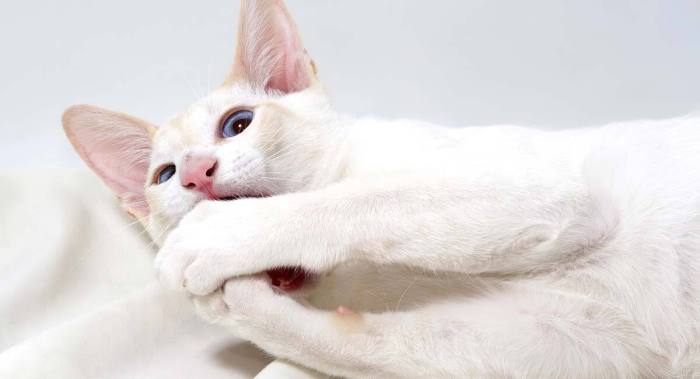
They are medium-sized cats, known for their long, graceful lines and wedge-shaped heads. Their eyes are a brilliant, intense blue – a defining feature of all Siamese varieties. The coat texture is short, fine, and glossy, requiring minimal grooming. The points, as mentioned, are a warm red or apricot color, contrasting beautifully with the lighter body color, which can range from cream to almost white.
Ears are large and pointed, and the tail is long and tapering. The overall impression is one of refined beauty and athleticism.The Red Point Siamese’s development is intertwined with the history of the Siamese breed itself. Traditional Siamese cats, originating in Thailand (formerly Siam), displayed a range of point colors, including seal, blue, and chocolate. The red point coloration, however, was less common and often considered less desirable in early Siamese breeding programs.
It wasn’t until the 20th century, particularly in the United States and Europe, that breeders began to actively select and propagate the red point variation, leading to its recognition as a distinct color point within the Siamese breed. Early breeders often crossed Siamese cats with Persian cats to introduce the red coloration, which is linked to the Persian gene pool.
| Characteristic | Red Point | Seal Point | Blue Point | Chocolate Point |
|---|---|---|---|---|
| Point Color | Warm red, apricot, or cream | Dark brown/seal | Slate gray/blue | Milk chocolate |
| Body Color | Cream to almost white | Cream | Off-white | Pale tan |
| Genetic Factor | cs/cs (recessive) | CS/cs or CS/CS (dominant) | CS/cs or CS/CS (dominant) | CS/cs or CS/CS (dominant) |
| Tyrosinase Activity | Reduced in warmer areas | Reduced in warmer areas | Reduced in warmer areas | Reduced in warmer areas |
Caring for a Red Point Siamese
Providing optimal care for a Red Point Siamese involves understanding their specific needs, which are similar to other Siamese but with a few considerations. Their active nature and potential for certain health concerns necessitate a proactive approach to diet, grooming, and environmental enrichment.The dietary needs of a Red Point Siamese are closely tied to their high energy levels and potential for developing kidney issues, which are more prevalent in Siamese breeds.
A high-quality, protein-rich diet is essential to support their muscle mass and overall health. Look for cat food with real meat as the primary ingredient and avoid those with excessive fillers like corn or wheat. Wet food is particularly beneficial, as it helps with hydration and can be easier on the kidneys. Consulting with a veterinarian about a diet specifically formulated for Siamese cats or one that supports kidney health is highly recommended.
Portion control is also important to prevent obesity, which can exacerbate existing health problems.Grooming a Red Point Siamese is relatively straightforward due to their short, fine coat. However, regular brushing (2-3 times per week) is still important to remove loose hair, minimize shedding, and distribute natural oils, keeping their coat healthy and shiny. Bathing is generally not required unless the cat becomes excessively dirty or has a skin condition.
When bathing, use a cat-specific shampoo and rinse thoroughly to avoid skin irritation. Nail trimming should be done every 2-3 weeks to prevent overgrowth and potential injury.Environmental enrichment is crucial for Red Point Siamese cats, as they are intelligent and active animals who thrive on stimulation. Providing interactive toys, such as puzzle feeders, feather wands, and laser pointers, can help keep them mentally engaged and prevent boredom.
Climbing structures, like cat trees and shelves, allow them to satisfy their natural instinct to climb and explore. Rotating toys regularly can also help maintain their interest. Most importantly, Red Point Siamese crave interaction with their humans; daily playtime and affection are essential for their well-being.Here’s a preventative healthcare schedule to keep your Red Point Siamese thriving:
- Annual Veterinary Checkups: Comprehensive physical exams, bloodwork, and urinalysis to monitor overall health and detect early signs of disease.
- Vaccinations: Core vaccines (FVRCP) and rabies, as recommended by your veterinarian.
- Parasite Control: Regular deworming and flea/tick prevention, especially if your cat goes outdoors.
- Dental Care: Regular teeth brushing (ideally daily) and professional dental cleanings as needed to prevent dental disease.
- Eye Exams: Siamese cats are predisposed to eye problems, so regular eye exams are important.
- Kidney Function Monitoring: Due to the breed’s predisposition to kidney disease, regular blood and urine tests to monitor kidney function are recommended, especially as the cat ages.
Health Concerns in Red Point Siamese
Like all breeds, Red Point Siamese cats are predisposed to certain health problems. While responsible breeding practices can minimize these risks, it’s important to be aware of potential issues and seek veterinary care promptly if you notice any concerning signs.Common health problems affecting Red Point Siamese cats include progressive retinal atrophy (PRA), amyloidosis, and respiratory issues. PRA is a degenerative eye disease that leads to blindness.
Amyloidosis is a condition where abnormal protein deposits accumulate in organs, particularly the kidneys and liver. Respiratory issues, such as asthma and bronchitis, can also be more prevalent in Siamese cats.Progressive retinal atrophy (PRA) is a gradual loss of vision due to the degeneration of the retina. Early symptoms can be subtle and may include dilated pupils, difficulty seeing in low light, and bumping into objects.
As the disease progresses, vision deteriorates further, eventually leading to complete blindness. There is currently no cure for PRA, but early diagnosis allows for management of the condition and support for the cat. Genetic testing is available to identify carriers of the PRA gene, allowing breeders to make informed breeding decisions.Amyloidosis is a serious condition with no cure. It involves the buildup of amyloid proteins in various organs, disrupting their function.
In Siamese cats, it most commonly affects the kidneys, leading to kidney failure. Symptoms can include increased thirst and urination, weight loss, lethargy, and vomiting. Early diagnosis and supportive care, such as dietary management and fluid therapy, can help prolong the cat’s life and improve their quality of life. Genetic predisposition plays a significant role in the development of amyloidosis in Siamese cats.Recognizing early signs of respiratory issues in Red Point Siamese cats is crucial for prompt treatment.
Common signs include coughing, wheezing, shortness of breath, and increased mucus production. These issues can be triggered by allergens, infections, or irritants in the environment. If you notice any of these signs, consult a veterinarian immediately.
Red Point Siamese Temperament and Behavior
Red Point Siamese cats are renowned for their distinctive personalities. They are intelligent, vocal, and affectionate companions, often forming strong bonds with their human families. Understanding their typical traits and providing appropriate socialization and enrichment is key to ensuring a happy and well-adjusted cat.The typical personality of a Red Point Siamese is characterized by intelligence, curiosity, and a strong desire for interaction.
They are highly vocal cats, often “talking” to their owners with a variety of meows, chirps, and trills. They are also known for their affectionate nature, enjoying cuddling, being petted, and following their owners around the house. While generally friendly, they can be demanding of attention and may become vocal or destructive if they feel neglected.Socializing a Red Point Siamese kitten from a young age is essential for developing a well-adjusted adult cat.
Exposing them to a variety of people, animals, and environments can help them become more confident and adaptable. Gentle handling and positive reinforcement can help them learn to tolerate being handled and groomed. Early socialization can also help prevent behavioral problems later in life.Providing mental stimulation is crucial for preventing boredom and destructive behaviors in Red Point Siamese cats. Their intelligence and curiosity mean they need more than just a food bowl and a litter box.
Interactive toys, puzzle feeders, and training sessions can help keep their minds engaged. Teaching them tricks or playing hide-and-seek can also provide mental stimulation and strengthen the bond between cat and owner.
The ideal home environment for a Red Point Siamese is one filled with interaction, play, and affection. They thrive on companionship and require a dedicated owner who is willing to provide them with plenty of attention, playtime, and mental stimulation. A home without regular human interaction is likely to result in a bored, frustrated, and potentially destructive cat.
Breeding Red Point Siamese Cats
Source: thehappycatsite.com
Breeding Red Point Siamese cats is a significant responsibility that requires careful planning, ethical considerations, and a commitment to producing healthy, well-socialized kittens. It’s not a decision to be taken lightly, as it has implications for both the parent cats and the kittens.Ethical considerations are paramount in breeding Red Point Siamese cats. Genetic testing is essential to screen for inherited health problems, such as PRA and amyloidosis.
Responsible breeders will only breed cats that are free from these conditions or are known carriers. They will also prioritize temperament and socialization, ensuring that kittens are well-adjusted and ready to thrive in their new homes. Transparency with potential buyers is also crucial, providing them with complete information about the kittens’ health history and temperament.Selecting breeding pairs to minimize the risk of inherited health problems requires careful planning and genetic knowledge.
Breeders should avoid breeding carriers of the same genetic condition together, as this increases the risk of producing affected kittens. They should also consider the temperament and conformation of the cats, aiming to improve the breed with each generation. Consulting with a geneticist or experienced Siamese breeder can be helpful in making informed breeding decisions.The gestation period for Red Point Siamese cats is approximately 63-65 days.
During this time, the queen requires extra care and attention, including a nutritious diet and a quiet, comfortable place to rest. Kitten care begins immediately after birth, with the breeder providing warmth, nourishment, and stimulation. Kittens should be socialized from a young age, exposed to a variety of people and environments, and vaccinated and dewormed according to a veterinarian’s recommendations.
| Aspect | Pros | Cons |
|---|---|---|
| Time Commitment | Rewarding experience, opportunity to improve the breed | Significant time investment for breeding, pregnancy, and kitten care |
| Financial Investment | Potential for income from kitten sales | High initial costs for breeding cats, health testing, and supplies; ongoing expenses for food, veterinary care, and litter |
| Ethical Responsibilities | Contributing to the health and well-being of the breed | Responsibility for ensuring the health and welfare of parent cats and kittens; potential for heartbreak if kittens are born with health problems |
| Breed Preservation | Helps maintain and improve the breed’s characteristics | Requires a deep understanding of genetics and breed standards |
Finding a Red Point Siamese
Finding a Red Point Siamese cat, whether as a kitten or an adult, requires careful research and consideration. Reputable breeders and rescue organizations prioritize the health and well-being of their cats, ensuring they are well-socialized and ready to thrive in their new homes.Reputable breeders of Red Point Siamese cats will prioritize health testing and socialization. They will be transparent about their breeding practices and willing to answer questions about the kittens’ health history and temperament.
They will also provide a health guarantee and be available for ongoing support. Look for breeders who are affiliated with recognized cat associations, such as the Cat Fanciers’ Association (CFA) or The International Cat Association (TICA).When visiting a breeder or rescue organization, look for signs of a healthy Red Point Siamese kitten. The kitten should be alert, active, and have a clean, well-groomed appearance.
Their eyes should be bright and clear, and their coat should be soft and shiny. Listen to the kitten’s breathing – it should be clear and free of wheezing or coughing. Observe the kitten’s behavior – they should be curious and playful, but not overly fearful or aggressive.Adopting a Red Point Siamese cat from a shelter or rescue group can be a rewarding experience.
Many shelters and rescue organizations have Siamese cats available for adoption, often at a lower cost than purchasing from a breeder. The adoption process typically involves an application, interview, and home visit to ensure that the cat will be placed in a suitable environment.Here are some questions to ask a breeder before purchasing a Red Point Siamese kitten:
- What health testing have you done on the parent cats?
- Can I see the parent cats?
- What is the kitten’s vaccination and deworming history?
- What is your socialization process for kittens?
- Do you offer a health guarantee?
- What support do you provide to new owners?
Visual Descriptions & Imagery (No Image Links)
A Red Point Siamese kitten is a captivating sight. The initial coloration is often a soft, creamy white, with the points just beginning to show a hint of apricot or pink. The ears are large and expressive, tipped with the developing red hue. The eyes, a striking sapphire blue, are wide and inquisitive, radiating intelligence and curiosity. The face is a delicate wedge shape, with a short muzzle and a sweet, slightly upturned expression.
The paws are tiny and perfectly formed, with the tips of the toes already displaying the characteristic red point coloration. The overall impression is one of delicate beauty and playful charm.As a juvenile, the Red Point Siamese kitten undergoes a gradual transformation. The body color lightens further, becoming almost pure white. The points deepen in color, transitioning from a soft apricot to a richer, more vibrant red.
The facial features become more defined, and the body proportions begin to mature. The kitten’s movements become more coordinated and graceful, reflecting their growing strength and agility.An adult Red Point Siamese cat exudes elegance and grace. The body color is a pristine white, providing a stunning contrast to the deep red points. The eyes remain a brilliant blue, and the facial features are refined and sophisticated.
Whether sitting regally on a windowsill, playfully batting at a toy, or curled up asleep in a sunbeam, the cat’s movements are fluid and effortless. The long, slender tail adds to the overall impression of refined beauty.Imagine a Red Point Siamese cat playfully interacting with a human. The cat is perched on the edge of a sofa, its tail twitching with excitement.
It reaches out a paw and gently taps the human’s hand, then rubs its head against their leg, purring contentedly. The cat’s blue eyes are fixed on the human’s face, conveying a sense of affection and playful invitation. The scene is one of warmth, companionship, and mutual enjoyment.
Red Point Siamese vs. Other Pointed Breeds
The Red Point Siamese shares similarities with other pointed breeds, but distinct differences in appearance and temperament set it apart. Comparing it to breeds like the Himalayan and Ragdoll helps illustrate these nuances.The Red Point Siamese differs from the Himalayan in several key aspects. Himalayans are a cross between Siamese and Persian cats, resulting in a long, fluffy coat and a more rounded face.
Red Point Siamese cats have a short, sleek coat and a more angular, wedge-shaped face, characteristic of the Siamese breed. Temperamentally, Himalayans tend to be more docile and laid-back than the more active and vocal Red Point Siamese.Compared to the Ragdoll, the Red Point Siamese is significantly more energetic and vocal. Ragdolls are known for their docile, floppy nature and quiet demeanor.
Red Point Siamese cats are intelligent, curious, and demand more interaction and stimulation. While both breeds are affectionate, the Red Point Siamese expresses its affection more actively through vocalizations and playful antics.The genetic relationships between the Red Point Siamese and other color variations within the Siamese breed are rooted in the “cs” gene. The “cs” gene modifies the expression of the temperature-sensitive tyrosinase enzyme, resulting in the red point coloration.
Other Siamese color points, such as seal, blue, and chocolate, are determined by different alleles of the “cs” gene, interacting with other genes that influence melanin production.
| Characteristic | Red Point Siamese | Himalayan | Ragdoll |
|---|---|---|---|
| Coat Length | Short | Long | Semi-long |
| Face Shape | Wedge-shaped | Rounded | Rounded |
| Temperament | Active, vocal, intelligent | Docile, quiet | Docile, relaxed |
| Origin | Thailand (Siam) | United States (Siamese x Persian) | United States |
Ultimate Conclusion
From understanding the genetic intricacies of their coloration to providing the right environment and care, owning a Red Point Siamese is a rewarding experience. These intelligent and affectionate cats offer endless entertainment and companionship, but require a dedicated owner who understands their specific needs. By being informed about their health, temperament, and breeding practices, you can ensure a long, happy, and healthy life for your stunning Red Point Siamese companion.
Ultimately, the Red Point Siamese is a testament to the beauty and complexity of feline genetics, and a wonderful addition to the right home. Their unique charm and engaging personalities make them truly special cats, deserving of our understanding and care.
Common Queries
Why are Red Point Siamese cats red?
Their red coloration is due to a temperature-sensitive tyrosinase enzyme. This enzyme produces melanin, but at cooler temperatures (like the extremities), it produces a reddish-brown pigment instead of the darker colors seen in other point colors.
What is amyloidosis and how does it affect Red Point Siamese?
Amyloidosis is a condition where abnormal protein deposits build up in organs, often affecting the kidneys and liver. Siamese cats, including Red Points, have a genetic predisposition to this disease. Early detection and supportive care can help manage the condition.
How much grooming do Red Point Siamese cats need?
They have short, fine coats that require minimal grooming. Brushing once or twice a week is usually sufficient to remove loose hair and keep their coat healthy and shiny. Bathing is rarely necessary unless they get particularly dirty.
Are Red Point Siamese cats good for first-time cat owners?
While affectionate, Red Points are intelligent and vocal cats who need plenty of interaction and mental stimulation. They can be a good fit for first-time owners who are prepared to dedicate time to playing, training, and providing a stimulating environment.
What should I look for in a reputable Red Point Siamese breeder?
A reputable breeder will prioritize health testing (for conditions like amyloidosis and progressive retinal atrophy), socialize kittens from a young age, and be transparent about their breeding practices and the health history of their cats.
Can I adopt a Red Point Siamese from a shelter?
While less common than other Siamese colors, it’s possible to find Red Point Siamese cats in shelters and rescue organizations. This is a wonderful way to give a deserving cat a loving home.

