Have you ever noticed your cat letting out a sound that resembles a sigh? It’s a curious behavior that can leave you wondering what your feline friend is trying to communicate. The “sighing cat” phenomenon isn’t as straightforward as it seems; it can be a sign of contentment, stress, or even an underlying medical issue. This post dives deep into the world of feline sighs, exploring potential causes, differentiating them from other sounds, and offering guidance on how to best understand and respond to your cat’s vocalizations.
We’ll unpack everything from physiological explanations and emotional triggers to breed predispositions and practical steps you can take to ensure your cat’s well-being. Whether your cat sighs after a long nap in a sunbeam or seems to exhale a sigh of frustration, we’ll help you decipher the meaning behind those subtle sounds and provide reassurance that you’re equipped to address any concerns.
The Enigmatic “Sighing Cat”: Understanding Feline Vocalizations
Have you ever noticed your cat letting out a sound that resembles a sigh? It’s a curious behavior that many cat owners find both endearing and concerning. Is it a sign of contentment, boredom, or something more serious? This article delves into the phenomenon of the “sighing cat,” exploring the potential causes, distinguishing it from other feline vocalizations, and offering guidance on how to interpret and respond to this intriguing behavior.
We’ll navigate the complexities of feline communication, separating the subtle nuances of a relaxed exhale from potential indicators of distress.
Cats are masters of subtle communication, often relying on body language and nuanced vocalizations to express themselves. While a typical meow is well-understood, a sigh presents a more ambiguous signal. Understanding what your cat is trying to tell you requires careful observation and a bit of detective work. Let’s unpack this fascinating aspect of feline behavior.
The Phenomenon of the “Sighing Cat”
The “sighing cat” isn’t a formally recognized veterinary term, but it’s a commonly used descriptor for a specific vocalization and accompanying behavior. Owners often describe it as a long, drawn-out exhale, sometimes accompanied by a soft, breathy sound. It’s distinct from a typical meow, which is generally shorter and more forceful. The observable behaviors associated with this “sigh” are varied and can offer clues to the cat’s emotional state.
Body posture often involves a relaxed or slumped position. The cat might be lying down, curled up, or even standing with slightly drooping shoulders. Vocalizations extend beyond the standard meow, encompassing a breathy exhale, a soft groan, or a quiet, almost inaudible sound. Facial expressions can be subtle, but may include partially closed eyes, a relaxed mouth, and a generally serene appearance.
Some cats might even slightly open their mouths as they exhale, creating a more pronounced sighing sound.
Anecdotal accounts from cat owners paint a picture of this behavior occurring in various contexts. One owner described their cat sighing after a particularly vigorous play session, seemingly exhausted but content. Another recounted their cat sighing while gazing out the window, as if contemplating the world beyond. A third shared a story of their cat sighing after being gently stroked, indicating a feeling of comfort and relaxation.
These stories highlight the diverse situations in which this behavior can manifest.
Physiologically, a sigh in cats, like in humans, involves a deep inhalation followed by a slow, controlled exhalation. This process engages the respiratory muscles, including the diaphragm and intercostal muscles. The sound produced can be influenced by the elasticity of the lungs, the patency of the airways, and the tension in the vocal cords. While a normal sigh is a natural physiological process, unusual or frequent sighing could indicate underlying respiratory issues.
| Behavioral Cue | Possible Interpretation | Likelihood (Low/Medium/High) |
|---|---|---|
| Relaxed posture, eyes partially closed | Contentment, relaxation | High |
| Sighing after play | Exhaustion, satisfaction | Medium |
| Sighing while gazing out the window | Boredom, contemplation | Medium |
| Sighing accompanied by a slight groan | Mild discomfort, pain | Low |
Possible Causes: Medical Considerations
While a sigh can often be a sign of contentment, it’s crucial to rule out any underlying medical conditions that might be contributing to this behavior. Several feline respiratory and other health issues can manifest as unusual breathing sounds, including sighing. Recognizing these potential causes is the first step in ensuring your cat receives appropriate care.
Common Feline Respiratory Conditions
Asthma, also known as feline allergic bronchitis, is a common respiratory condition characterized by inflammation and narrowing of the airways. This can lead to wheezing, coughing, and, in some cases, sighing. Bronchitis, an inflammation of the bronchial tubes, can also cause similar symptoms. Heart disease, particularly congestive heart failure, can lead to fluid buildup in the lungs, resulting in difficulty breathing and unusual vocalizations, including sighing.
These conditions often require veterinary intervention and ongoing management.
Potential Pain Sources
Pain can significantly alter a cat’s behavior, including their breathing patterns. Musculoskeletal issues, such as arthritis or injuries, can cause discomfort that leads to sighing, especially when the cat moves or shifts positions. Dental problems, including tooth decay or gum disease, can be painful and may manifest as unusual vocalizations. Internal organ discomfort, stemming from conditions like kidney disease or pancreatitis, can also trigger sighing as the cat attempts to alleviate pain.
The Role of Neurological Conditions
Neurological conditions can disrupt the normal functioning of the respiratory system and vocal cords, leading to atypical vocalizations. Potential causes include brain tumors, strokes, and nerve damage. Symptoms can vary widely depending on the specific condition and its location in the brain, but may include changes in breathing patterns, vocalizations, and overall behavior. A thorough neurological examination by a veterinarian is essential for diagnosing and managing these conditions.
A Step-by-Step Approach: Flowchart for Pet Owners
- Observe: Note the frequency, context, and accompanying behaviors of the sighing.
- Monitor: Track any other changes in your cat’s behavior, appetite, or activity level.
- Initial Assessment: Is the sighing occasional and associated with relaxation, or is it persistent and accompanied by other concerning signs (e.g., coughing, wheezing, lethargy)?
- Veterinary Consultation: If the sighing is persistent or concerning, schedule an appointment with your veterinarian.
- Diagnostic Tests: The veterinarian may recommend tests such as a physical examination, blood work, X-rays, or an electrocardiogram (ECG) to rule out underlying medical conditions.
- Treatment: Based on the diagnosis, the veterinarian will recommend appropriate treatment, which may include medication, dietary changes, or lifestyle modifications.
- Follow-up: Regular follow-up appointments with your veterinarian are essential to monitor your cat’s condition and adjust treatment as needed.
Possible Causes: Emotional and Environmental Factors
Beyond medical concerns, emotional and environmental factors can also contribute to a cat’s sighing behavior. Cats are sensitive creatures, and changes in their environment or routine can trigger stress and anxiety, which can manifest in various ways, including altered breathing patterns and vocalizations.
Stress and Anxiety
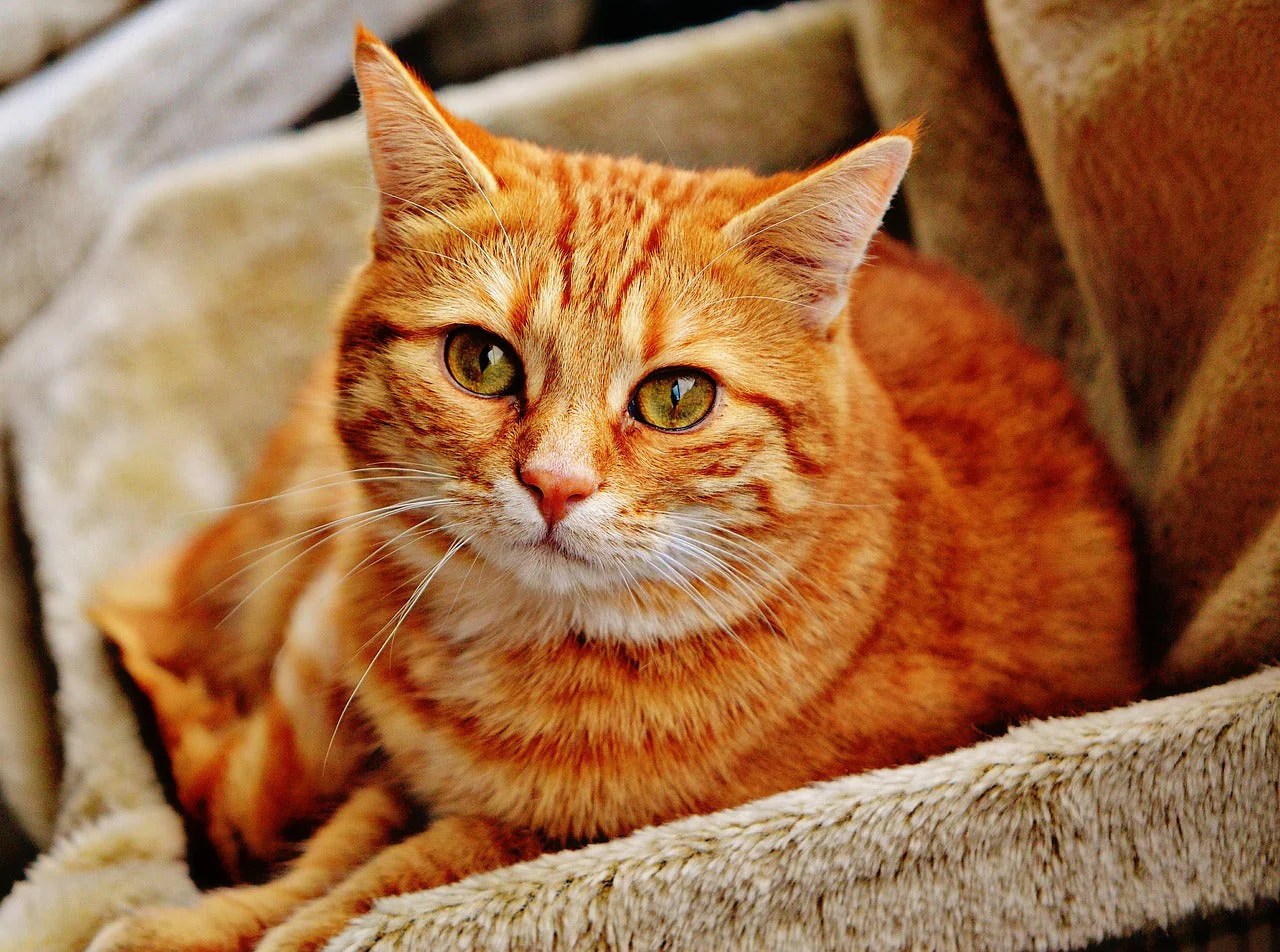
Source: uahpet.com
Stress and anxiety can significantly impact a cat’s breathing and vocalizations. Loud noises (e.g., thunderstorms, fireworks), the introduction of new pets, and changes in routine (e.g., a new work schedule) are common stressors for cats. These stressors can trigger a physiological response that affects breathing, leading to sighing or other unusual vocalizations. Recognizing and addressing these stressors is crucial for maintaining your cat’s well-being.
Boredom and Lack of Stimulation
Boredom and a lack of stimulation can also contribute to unusual behaviors, including sighing. Cats are intelligent and curious animals that require mental and physical stimulation to thrive. Without adequate enrichment, they may develop behavioral problems, including excessive vocalization and sighing, as a way to seek attention or alleviate boredom. Providing interactive toys, puzzle feeders, and opportunities for play can help prevent boredom-related sighing.
Environmental Changes
Moving to a new home or redecorating can be particularly stressful for cats. These changes disrupt their sense of security and familiarity, leading to anxiety and potentially sighing. Cats are creatures of habit, and sudden changes in their environment can be disorienting and unsettling. Providing a safe and familiar space, gradually introducing changes, and offering reassurance can help minimize stress during these transitions.
- Environmental Enrichment: Provide scratching posts, climbing structures, and window perches to stimulate your cat’s natural behaviors.
- Interactive Playtime: Engage in daily play sessions with your cat using toys that mimic prey, such as feather wands or laser pointers.
- Puzzle Feeders: Use puzzle feeders to challenge your cat mentally and slow down their eating.
- Calming Aids: Consider using calming aids such as Feliway diffusers or calming treats to reduce anxiety.
- Safe Spaces: Ensure your cat has access to quiet, safe spaces where they can retreat when feeling stressed.
Vocalization Comparisons: Cat Sighs vs. Other Sounds
Distinguishing a “sighing cat” sound from other feline vocalizations is essential for accurate interpretation. While all cat vocalizations serve a purpose, their acoustic characteristics and accompanying behaviors differ significantly. Understanding these differences can help you better understand what your cat is trying to communicate.
Comparing Sounds
A purr is a low-frequency, rhythmic vibration produced by the cat’s larynx, often associated with contentment and relaxation. Meowing is a more versatile vocalization used to communicate a variety of needs and emotions, ranging from hunger to attention-seeking. Hissing and growling are defensive vocalizations used to ward off threats. The “sighing cat” sound, however, is distinct from these vocalizations. It’s a longer, drawn-out exhale, often breathy and less forceful than a meow.
Purrs and Sighs: A Subtle Distinction
A cat’s purr can sometimes sound like a sigh, especially when the cat is deeply relaxed or experiencing pain. However, a purr is characterized by its rhythmic vibration, while a sigh is a more continuous exhale. When a cat is experiencing pain, the purr may be weaker and accompanied by other signs of discomfort, such as a hunched posture or reluctance to move.
Wheezing vs. Sighing
A wheezing sound is a high-pitched whistling noise caused by narrowed airways, often associated with respiratory conditions like asthma. Unlike a sigh, which is a controlled exhale, wheezing is a more labored and irregular breathing pattern. If your cat is exhibiting wheezing, it’s crucial to seek veterinary attention immediately.
A contented sigh is typically accompanied by a relaxed posture, partially closed eyes, and a generally serene expression. It signifies a feeling of comfort and well-being. Conversely, a sigh indicating distress might be accompanied by a hunched posture, tense muscles, and a worried expression. The context in which the sigh occurs is also crucial for interpretation.
Final Summary
Ultimately, understanding your cat’s sighs requires careful observation and a willingness to consider various factors. By paying attention to their body language, environment, and overall behavior, you can gain valuable insights into their emotional state and potential health needs. Remember, a sigh isn’t always a cause for alarm, but it’s a signal that deserves your attention and a thoughtful response.
With a little detective work and a lot of love, you can strengthen your bond with your feline companion and ensure they live a happy, healthy life.
FAQ Section
Why does my cat sigh when I pet them?
It could be a sign of contentment and relaxation, especially if accompanied by purring and a relaxed posture. However, it could also indicate mild discomfort, so observe for any signs of flinching or tension.
Is a sighing cat always sick?
Not necessarily. Sighing can be caused by stress, boredom, or simply a change in breathing patterns. However, persistent or unusual sighing warrants a vet visit to rule out any underlying medical conditions.
How can I tell the difference between a sigh and a wheeze?
A sigh is typically a slow, drawn-out exhale. A wheeze is a whistling or rattling sound, often associated with respiratory issues like asthma.
My cat only sighs when they’re looking out the window. Is this normal?
It could be a sign of boredom or a desire for stimulation. Providing more interactive playtime and enrichment activities might help.
What should I do if my cat starts sighing more frequently?
Monitor their behavior closely, noting any other symptoms. If the sighing is persistent or accompanied by other concerning signs (lethargy, loss of appetite, coughing), consult a veterinarian.
Can anxiety cause a cat to sigh?
Yes, stress and anxiety can significantly impact a cat’s breathing and vocalizations, including causing them to sigh.