The sight of a hungry cat, especially a feral one, tugs at the heartstrings. Millions of cats worldwide live as feral populations, often struggling to find enough food to survive. This exploration delves into the harsh realities faced by these starving cats, examining the causes of their malnutrition, the impact on their health, and the ways we can help. We’ll look at everything from the growth of feral colonies to the ethical considerations of feeding, and explore long-term solutions for a more sustainable future for these vulnerable animals.
Understanding the complexities of feral cat populations is the first step towards addressing their needs. Factors like habitat loss, disease, and competition for resources all contribute to the challenges they face. We’ll unpack these issues and discuss how community involvement and responsible practices can make a real difference in the lives of these often-overlooked creatures.
The Silent Crisis: Understanding Starving Feral Cat Populations
The sight of a stray cat scavenging for food is sadly common. But behind that image lies a complex and often heartbreaking reality: widespread malnutrition among feral cat populations. These cats, living independently and often in harsh conditions, face a constant struggle for survival. This article delves into the causes, consequences, and potential solutions for this growing problem, aiming to raise awareness and inspire action.
The Reality of Feral Cat Populations
The sheer number of feral cats worldwide is staggering, and accurately quantifying it presents a significant challenge. Feral cats aren’t owned pets that simply roam; they are born and live outdoors, often forming colonies. Their growth is fueled by a combination of factors, including irresponsible pet ownership (abandonment being a major contributor), a lack of spaying and neutering, and the natural reproductive capabilities of cats.Globally, estimates suggest there are over 200 million feral cats.
In North America alone, it’s estimated that between 50 and 100 million feral cats exist. Europe has significant populations as well, though precise numbers are harder to come by due to varying reporting methods and regional differences. Counting feral cats is difficult because they are elusive, often hidden, and their territories can overlap. Researchers rely on techniques like mark-recapture studies (trapping, marking, and releasing cats to estimate population size based on subsequent recaptures), camera trapping, and visual surveys.
These methods provide estimates, but are rarely definitive.The comparison between feral and owned, indoor-only cats is stark. Owned cats typically live longer, healthier lives, receiving regular veterinary care, nutritious food, and a safe environment. Feral cats, on the other hand, face constant threats and often have significantly shorter lifespans, averaging just 2-5 years compared to the 12-15 years typical for indoor cats.
Causes of Malnutrition in Feral Cats
Source: truehopefoundation.in
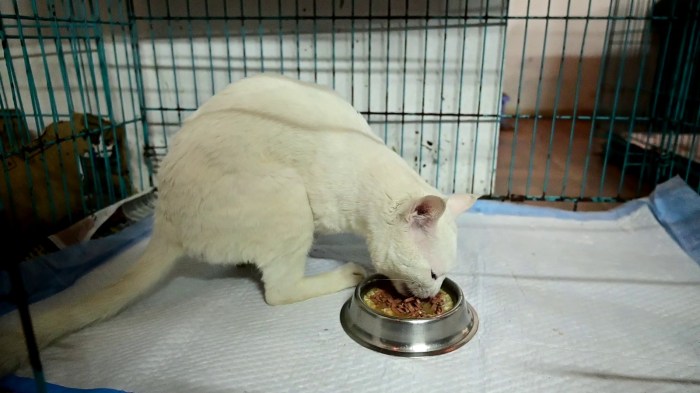
Malnutrition in feral cats isn’t simply about a lack of food; it’s a complex interplay of environmental, health-related, and behavioral factors. Seasonal changes play a crucial role. During winter, food sources become scarcer as prey animals become less active and vegetation dies back. Habitat loss, driven by urbanization and development, further reduces available hunting grounds and foraging opportunities.Common diseases and parasites, such as feline leukemia virus (FeLV), feline immunodeficiency virus (FIV), intestinal worms, and fleas, significantly hinder nutrient absorption.
These conditions can damage the digestive system, reduce appetite, and deplete essential nutrients. Competition for resources is another major factor. Feral cats often compete with other cats, wildlife (like raccoons and foxes), and even domestic animals for limited food supplies.Human behavior, both intentional and unintentional, has a profound impact. While some individuals kindly provide food, inconsistent or inadequate feeding practices can leave cats perpetually hungry.
A lack of community support and awareness about responsible feeding further exacerbates the problem.
Physical and Behavioral Signs of Hunger
Recognizing the signs of malnutrition in feral cats is the first step towards providing assistance. Physical indicators are often visible, while behavioral changes can provide clues when direct observation is difficult. Early detection can improve a cat’s chances of recovery.Here’s a table summarizing common signs:
| Sign | Physical | Behavioral |
|---|---|---|
| Weight Loss | Emaciated body condition, prominent ribs and spine | Increased scavenging, searching through trash |
| Coat Condition | Dull, matted, or sparse fur; lack of shine | Restlessness, constant pacing |
| Muscle Weakness | Weakness, difficulty jumping or climbing | Hesitation or reluctance to approach |
| Eye Appearance | Sunken eyes, dull or cloudy eyes | Increased vocalizations (meowing, crying) |
| Dental Issues | Broken teeth, gum inflammation, bad breath | Difficulty eating, dropping food |
| Lethargy | Reduced energy levels, sleeping more | Aggression when approached or around food |
The Impact on Cat Health and Lifespan
Chronic hunger weakens the immune system, making feral cats highly susceptible to infectious diseases. A malnourished cat’s body struggles to fight off infections, leading to prolonged illness and a higher mortality rate. Dental problems are also common, stemming from a lack of nutrients needed for healthy teeth and gums, and from chewing on inappropriate items in search of food.Poor nutrition severely impacts reproductive health.
Malnourished female cats may have difficulty conceiving, and those that do often give birth to weak kittens with low survival rates. Kittens themselves are particularly vulnerable to malnutrition, as they require a constant supply of nutrients for growth and development.The average lifespan of a well-nourished feral cat, particularly one participating in a TNR program with supplemental feeding, can reach 8-10 years.
In contrast, a malnourished feral cat rarely lives beyond 2-5 years, a tragic consequence of their constant struggle for survival.
Trap-Neuter-Return (TNR) Programs and Nutrition
Trap-Neuter-Return (TNR) is a humane and effective method for managing feral cat populations. It involves trapping cats, sterilizing them, vaccinating them against rabies, and returning them to their original territory. TNR prevents further breeding, stabilizes colony size, and can improve the overall health and well-being of the cats.TNR programs can and should incorporate supplemental feeding initiatives. Providing a consistent source of nutritious food can significantly improve the health and resilience of feral cats, particularly those struggling with malnutrition.
It also makes the cats easier to handle for future veterinary care.Here’s a sample feeding schedule for a TNR colony, adaptable based on cat numbers and seasonal changes:
- Daily: Provide a measured amount of wet food (canned) and dry kibble. Wet food is particularly important for hydration.
- Winter (November – March): Increase food portions by 25-50% to account for increased energy needs and reduced foraging opportunities.
- Spring/Summer: Monitor food consumption and adjust portions as needed.
- Kittens: Provide kitten-specific food, higher in calories and nutrients.
- Sick/Injured Cats: Offer easily digestible food and ensure access to fresh water.
Providing consistent and appropriate nutrition within TNR programs presents challenges. Funding limitations, volunteer burnout, and logistical difficulties (access to colonies, weather conditions) can all hinder efforts.
Safe and Effective Feeding Practices
Choosing the right food is crucial for feral cat health. Wet food is highly recommended due to its high moisture content, which helps prevent dehydration. Dry kibble provides essential nutrients and can be left out for longer periods without spoiling. Raw diets can be beneficial but require careful handling to avoid bacterial contamination.Fresh water is just as important as food.
Multiple water sources should be provided, especially during hot weather. Consider using heated bowls in winter to prevent freezing.Human food should be strictly avoided. It often lacks essential nutrients and can contain ingredients that are toxic to cats (e.g., chocolate, onions, grapes).
Best Practices for Setting Up Feeding Stations: Choose a location that is easily accessible for both you and the cats, but out of reach of children and other animals. Use sturdy, weatherproof feeders that are difficult to tip over. Clean feeders regularly to prevent the spread of disease. Secure trash cans to prevent attracting rodents and other pests.
Community Involvement and Support
The success of any feral cat management program relies heavily on community involvement. Volunteers are essential for trapping, neutering, feeding, and monitoring colonies. Educating the public about responsible feeding practices and the benefits of TNR is crucial for gaining support and preventing further abandonment.Fundraising efforts are vital for providing food, veterinary care, and TNR services. Local businesses, animal welfare organizations, and online platforms can be valuable sources of funding.Numerous community-based initiatives have demonstrated the positive impact of collaborative efforts.
For example, some communities have established “cat care networks” where volunteers share responsibilities for feeding and monitoring specific colonies.
The Ethical Considerations of Feeding
The ethics of feeding feral cats are complex and often debated. Arguments in favor emphasize the moral obligation to alleviate suffering and provide basic necessities for animals in need. Conversely, some argue that feeding can exacerbate existing problems, such as attracting rodents and creating nuisance colonies.Feeding can indeed attract rodents if not managed responsibly. It can also lead to an increase in colony size if sterilization isn’t effectively implemented.
However, these negative consequences can be mitigated through responsible practices, such as providing food in designated areas, ensuring consistent TNR, and educating the public about proper feeding techniques.Different ethical perspectives exist. Some prioritize animal welfare above all else, while others emphasize the importance of ecological balance and minimizing human interference. A balanced approach, combining humane care with responsible management, is often the most ethical and sustainable solution.
Illustrative Scenarios: Depicting a Malnourished Cat
The alleyway reeked of damp concrete and decaying garbage. A single, emaciated feral cat, its ribs starkly visible beneath its patchy fur, crept along the shadows. Its eyes, sunken and dull, scanned the ground with desperate intensity. The faint scent of discarded pizza crust drifted on the breeze, momentarily raising its head before it resumed its slow, deliberate search. A rustling sound sent it darting under a dumpster, its body trembling with hunger and fear.A cluster of kittens, no bigger than a human hand, huddled together in a cardboard box, their tiny bodies shivering in the cold.
Their mother, gaunt and weak, desperately licked their fur, but her milk was scarce. The kittens cried out, their plaintive meows echoing in the empty lot, a heartbreaking testament to the struggle for survival.A sudden snowfall blanketed the landscape, transforming the familiar world into a stark white expanse. The feral cat colony, usually active and vocal, fell silent. The snow obscured potential food sources, and the biting wind made foraging even more difficult.
The cats huddled together for warmth, their hunger gnawing at their bellies.A caretaker, bundled in a warm coat, carefully placed bowls of wet food and dry kibble in a designated feeding area. The feral cats emerged cautiously from their hiding places, their eyes fixed on the offering. A tentative approach, a cautious sniff, then a frantic rush to devour the food, a brief respite from the constant struggle for survival.
Long-Term Solutions and Sustainable Strategies
Addressing the root causes of feral cat populations is essential for long-term solutions. Irresponsible pet ownership, including abandonment and failure to spay or neuter, must be tackled through education and stricter enforcement of animal welfare laws.Managed relocation programs, where feral cats are trapped and moved to suitable environments with dedicated caretakers, can be a viable option in certain circumstances. However, these programs require careful planning and ongoing monitoring to ensure the cats’ well-being.Government agencies and animal welfare organizations play a crucial role in supporting feral cat management efforts.
Funding for TNR programs, public education campaigns, and veterinary care is essential.Successful long-term strategies often involve a combination of TNR, responsible feeding practices, community engagement, and addressing the underlying causes of abandonment. By working together, we can improve the lives of these often-overlooked animals and create a more humane and sustainable future for all.
Final Thoughts
From the heartbreaking image of a malnourished cat scavenging for scraps to the hopeful potential of Trap-Neuter-Return programs, this journey has highlighted the urgent need for compassion and action. Addressing the root causes of feral cat populations, promoting responsible pet ownership, and supporting community-led initiatives are crucial steps towards ensuring a healthier and more secure future for these resilient animals.
Ultimately, providing consistent care and advocating for humane solutions can transform the lives of countless starving cats.
Question & Answer Hub
Why are there so many feral cats?
Many feral cats are the offspring of abandoned or lost pets. Without spaying or neutering, populations can grow rapidly. Irresponsible pet ownership and a lack of awareness about the importance of sterilization are major contributing factors.
Is it okay to feed feral cats?
Feeding can be beneficial for the health of feral cats, but it’s a complex issue. While providing food can alleviate suffering, it can also attract rodents and potentially create larger colonies. Responsible feeding practices, combined with TNR, are key to minimizing negative impacts.
What’s the best food to feed feral cats?
Wet food is generally preferred as it provides more hydration, which is especially important for cats who may not have access to fresh water. Dry kibble is also acceptable, but ensure they have plenty of water available. Avoid feeding human food, as it can be harmful.
What is Trap-Neuter-Return (TNR)?
TNR is a humane approach to managing feral cat populations. Cats are humanely trapped, sterilized, vaccinated, and then returned to their original territory. This prevents further breeding and improves the cats’ overall health.
How can I help feral cats in my community?
You can volunteer with local TNR organizations, donate food and supplies, educate your neighbors about responsible pet ownership, and advocate for policies that support feral cat management.
Are feral cats a threat to wildlife?
Feral cats can pose a threat to native wildlife, particularly birds and small mammals. Responsible feeding practices and TNR programs can help mitigate this impact by stabilizing populations and reducing roaming behavior.

