Tiger Striped Cats Breeds Your Guide To Finding Your Ideal Feline Match

If you’ve ever stopped mid-TikTok scroll to gawk at a fluffy tabby that looked so much like a tiny tiger you double-tapped to save the video, you’re part of a huge crowd of cat lovers obsessed with these striking striped felines. I fell hard for my first rescue tabby, Mochi, within 10 seconds of meeting her at my local shelter, drawn straight to her bold vertical stripes that made her look like she’d snuck out of a zoo enclosure to curl up in my lap. Back then, I made the same mistake so many new cat owners do: I thought all tiger-striped cats were “just tabbies,” a one-size-fits-all group with the same needs and temperaments.
That wrong assumption left me scrambling a few months in when I realized Mochi’s laid-back energy was nothing like the high-adventure Bengal my friend had adopted around the same time, and I started digging into the real differences between the various tiger striped cats breeds that get lumped into the generic tabby bucket. This post breaks down everything I wish I’d known before bringing my striped girl home, from busting common myths about tabby coats to matching purebred and mixed-breed striped cats to your unique lifestyle, whether you work long days, have a house full of kids and dogs, or love bringing your pet on outdoor adventures.

Last weekend I spent three hours at my neighborhood cat café, nursing a cold oat milk latte and dodging a tiny tabby that kept trying to chew my shoelaces. Every single person who walked in pointed at that same cat and said, “Aw, what a cute little tiger!” Most people assume all striped cats are just generic tabbies, but there are specific, distinct breeds that carry that iconic tiger stripe—and not all of them are the basic barn cat you might have grown up with. If you’ve ever scrolled a breeder’s site or a rescue page and wondered what the difference is between all those striped cats, I’m breaking it all down like I would over that same lukewarm coffee.
First: Tabbies Aren’t A Breed. That Tiger Stripe Is A Pattern.
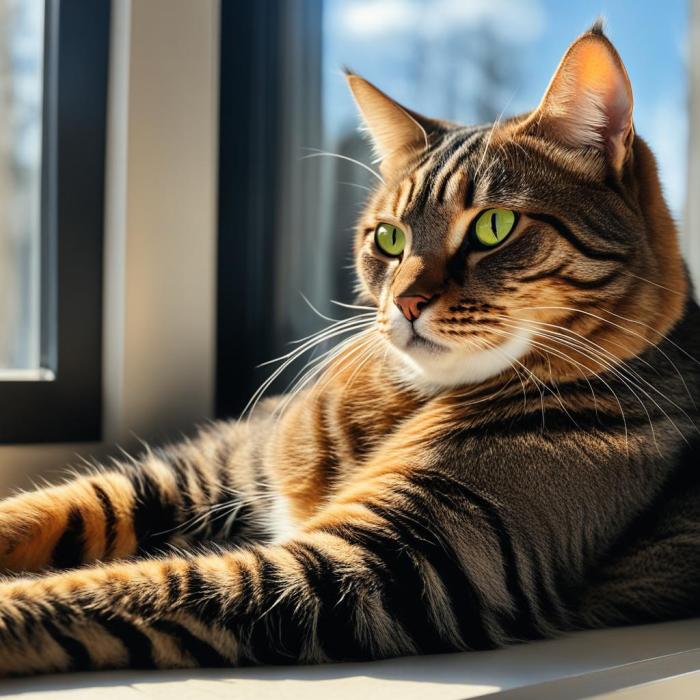
Let’s get the most common mix-up out of the way first. “Tabby” doesn’t describe a type of cat. It describes a coat pattern that can show up in almost any domestic cat breed, purebred or rescue. The classic tiger stripe you’re staring at is called a mackerel tabby pattern—thin, dark vertical lines that run down a cat’s sides, paired with that signature M-shaped mark on their forehead. Other tabby patterns include blotched, spotted, and ticked, but only the mackerel pattern gives off that full wild tiger vibe.
Lots of cats can have mackerel tabby coats, but a handful of breeds are specifically known for their consistent, vivid tiger stripes, and they’re wildly different from one another.
The Most Popular Tiger-Striped Cat Breeds (And What They’re Actually Like To Own)
If you’re in the market for a cat that looks like it wandered out of a jungle safari, these are the breeds you’ll run into most often:
- American Shorthair: The original all-American barn cat, these are the most common tiger-striped purebred you’ll meet. They live 15+ years, love lazing around as much as they love chasing a laser pointer, and their stripes are usually soft grey or orange with that sharp forehead M. I’ve had two, and both would choose a sunbeam on the couch over any fancy cat bed you buy them. No exceptions.
- Bengal: This breed has small amounts of wild cat DNA—they’re descended from Asian leopard cats, so their stripes and rosette spots are way more vivid than your average tabby. They’re not for casual cat owners, either. Bengals need constant stimulation, will climb your refrigerator if you don’t give them a tall enough cat tree, and many are obsessed with playing in water. I knew someone who had a Bengal that would join her in the shower every single morning. No joke.
- Toyger: The only breed specifically created to look like a miniature tiger. A breeder in the 1980s crossed a standard tabby with a Bengal to nail that bold, dark vertical stripe pattern, and the breed blew up once cat lovers realized they could have a tiny tiger that’s 100% domestic. They’re super friendly, love meeting new people, and their stripes are so sharp they look like someone drew them on with a marker.
- Egyptian Mau: This is one of the few domestic cat breeds with naturally occurring stripes, no wild cat DNA required. They’re also the fastest domestic cat breed, clocking in at 30 miles per hour. If you have an Egyptian Mau, don’t be surprised if they zoom around your living room at 2 a.m. like they’re being chased. They just are.
The Wildly Wrong Myths People Believe About Tiger-Striped Cats
I’ve worked with cat rescue groups for years, and I hear the same wrong takes over and over about these striped kitties. Let’s set the record straight.
First, all tiger-striped cats are low-maintenance. That’s so far from the truth. If you bring a Bengal into your studio apartment and leave them alone for 10 hours a day to work, you’ll come home to your curtains torn to shreds and your favorite mug knocked off the counter. Even chill breeds like American Shorthairs need regular playtime—they’re not just pretty couch decor.
And another big one: You have to buy a purebred to get a real tiger-striped cat. That’s garbage. 70% of rescue cats in the U.S. are domestic shorthairs, and millions of them have the mackerel tabby pattern that gives them that exact tiger look. That shoelace-chewing cat from the café? He was a rescue, and his stripes were sharper than most purebred Toygers I’ve ever seen. You don’t need to drop thousands to bring a tiny tiger home.
One last myth that drives me nuts: Tiger-striped cats all have the same personality. No. Just like any other group of cats, their personalities are all over the place. I’ve met a calm, cuddly Bengal that would nap on my lap for hours, and I’ve met an American Shorthair that would hide under the bed if any stranger came over. Their coat pattern doesn’t dictate their vibe. Their favorite tuna treat does, probably.
That café cat eventually curled up on my lap for 10 minutes before he bolted after a dust bunny, and that’s the best part of these cats. Whether you save up for a rare Toyger or adopt a random striped cat from your local shelter, you’re getting the same tiny, ferocious, lovable little tiger that turns your living room into their personal jungle. I wouldn’t have it any other way.
At the end of the day, tiger striped cats are far more diverse than the generic “tabby” label leads most people to believe, and taking the time to match the right breed to your daily routine will set you and your new feline sidekick up for years of happy adventures together. Whether you’re a first-time adopter walking into a shelter ready to fall for your own tiny tiger, or a current rescue owner curious to dig into your cat’s hidden purebred roots, the tips and breakdowns in this guide take the guesswork out of caring for these special cats. I still get stopped on walks with Mochi by strangers asking if she’s a real tiger, and I love being able to explain that while her coat comes from wild feline ancestors, she’s my perfect little striped companion, exactly the right match for my quiet, city-dwelling lifestyle.
FAQ Summary
Are tiger striped cats more likely to have health issues than other cats
Source: catbeep.com
No, mixed-breed domestic tabbies actually have fewer inherited health risks than many purebred cats, thanks to hybrid vigor. Purebred tiger striped breeds only face breed-specific health risks that are unrelated to their striped coat pattern, so routine vet care can keep most issues at bay for any striped cat.
Can two solid-colored non-striped cats have a tiger striped kitten
It’s extremely rare, since the mackerel (tiger stripe) tabby gene is genetically dominant. For two solid-colored cats to produce a striped kitten, both would need to silently carry the recessive non-tabby gene and pass along the dominant mackerel gene by rare chance, a scenario that almost never occurs in most domestic cat litters.
Do tiger striped cats cost more to adopt or buy than other felines
Mixed-breed tiger striped shelter cats usually have the same standard adoption fees as any other shelter cat, but rare purebred striped breeds like Toygers or Bengals can cost significantly more than less common purebred cats, ranging from $1,500 to over $5,000 from responsible, reputable breeders.
Are tiger striped cats better suited for indoor or outdoor life
All cats are safest as indoor-only pets to avoid risks like cars, predators, and disease, but if you want to give your striped cat outdoor time, only high-energy breeds like Bengals thrive on leashed walks or secure enclosure access. Most other tiger striped breeds, from domestic tabbies to American Shorthairs, are perfectly happy living full-time indoors.
