The Tonkinese – a delightful blend of Siamese and Burmese – is known for its striking looks, playful personality, and affectionate nature. But before you welcome one of these gorgeous kittens into your home, understanding the Tonkinese kitten price is crucial. It’s more than just the initial purchase; there’s a whole world of ongoing costs to consider. This guide breaks down everything you need to know, from breeder fees to potential health expenses, so you can make an informed decision and prepare for a lifetime of feline companionship.
From their captivating blue eyes and silky coats to their chatty and curious personalities, Tonkinese kittens are truly special. Their unique heritage contributes to a range of physical traits and temperaments, making them a rewarding but potentially costly addition to any family. We’ll explore the factors that influence their price, discuss adoption options, and provide a realistic look at the long-term financial commitment involved in owning one of these beautiful cats.
Understanding Tonkinese Kittens
The Tonkinese cat is a captivating breed, often described as a “miniature Siamese” but possessing a unique charm all its own. They’re a relatively recent breed, a deliberate cross between the Siamese and Burmese, aiming to capture the best traits of both. This blend results in a cat that’s affectionate, playful, and strikingly beautiful. Let’s dive into what makes these felines so special.
Tonkinese kittens are known for their stunning appearance. Their coat colors are a spectrum of what’s called “pointed” patterns, meaning the body is lighter and the extremities (ears, face, paws, tail) are darker. Common colors include natural (brown), blue (gray), chocolate, and lilac. Eye color is a key identifier – they typically have aqua or hazel eyes, a mesmerizing blend that sets them apart.
Body type is medium-sized and muscular, inheriting the sturdiness of the Burmese. Size variations exist, but generally, they weigh between 6 and 12 pounds. The overall impression is one of elegance and athleticism.
Personality-wise, Tonkinese kittens are bundles of energy and affection. They’re incredibly social and thrive on human interaction. Expect a vocal companion – they’re not as loud as Siamese, but they certainly have opinions they like to share! They’re playful and intelligent, enjoying interactive toys and games. They’re known for being moderately active, needing regular playtime to stay happy and healthy.
They form strong bonds with their families and often follow their humans around the house.
| Breed | Appearance | Personality |
|---|---|---|
| Tonkinese | Pointed coat, aqua/hazel eyes, medium build | Affectionate, playful, vocal, moderately active |
| Siamese | Pointed coat, blue eyes, slender build | Vocal, intelligent, demanding of attention, active |
| Burmese | Solid color coat, gold/yellow eyes, muscular build | Affectionate, playful, gentle, less vocal than Siamese |
Factors Influencing Price
The price of a Tonkinese kitten isn’t a simple matter. Several factors contribute to the overall cost, and understanding these can help you make an informed decision. It’s not just about finding a cute kitten; it’s about supporting responsible breeding practices and ensuring a healthy, well-adjusted pet.
Breeder Reputation and Location
Reputable breeders invest heavily in their cats’ health and well-being, and their prices reflect that. Breeders with a long history of producing healthy, well-tempered kittens will generally charge more than those who are just starting out. Geographic location also plays a role. Areas with higher demand and fewer breeders tend to have higher prices. For example, a breeder in a major metropolitan area might charge more than one in a rural location due to higher operating costs.
Pedigree and Show Quality
A kitten’s pedigree – its family history – significantly impacts its value. Kittens with champion bloodlines are highly sought after and command a premium price. “Show quality” kittens, those that meet the breed standard closely enough to potentially compete in cat shows, are also more expensive. This is because they represent the breeder’s best efforts in terms of conformation and appearance.
Coat Color and Pattern Rarity
While all Tonkinese colors are beautiful, some are rarer than others. For example, mink and primrose patterns are less common and therefore more valuable. The specific shade and intensity of the points can also influence the price. Breeders often spend years working to produce kittens with desirable color combinations.
Responsible Breeding Costs
It’s important to remember that responsible breeding isn’t cheap. Breeders incur significant expenses to ensure the health and well-being of their cats. These costs include veterinary care (including vaccinations, deworming, and emergency treatments), high-quality food, socialization (early exposure to people and other animals), and registration fees with organizations like the Cat Fanciers’ Association (CFA). A higher price often indicates a breeder who is committed to these practices.
- Specialized Grooming: While Tonkinese don’t require extensive grooming, occasional baths and nail trims may be necessary.
- Health Insurance: Unexpected vet bills can be costly. Pet insurance can help offset these expenses.
- High-Quality Food: Tonkinese thrive on a nutritious diet, which can be more expensive than generic cat food.
- Enrichment Toys: To keep their active minds and bodies engaged, Tonkinese need a variety of toys and interactive games.
Price Ranges: A Detailed Breakdown
Determining a budget for a Tonkinese kitten is crucial. Prices can vary widely depending on the source and quality of the kitten. Here’s a breakdown of what you can expect to pay, keeping in mind that these are estimates and can fluctuate.
Reputable breeders typically charge the most, reflecting their commitment to health testing and responsible breeding practices. Rescues and shelters offer a more affordable option, but availability of Tonkinese can be limited. Online marketplaces can be tempting, but it’s essential to exercise caution and verify the seller’s reputation.
Age also influences price. Younger kittens (8-10 weeks) are generally more expensive than slightly older kittens (12-16 weeks) as breeders have invested more time and resources in their early care. Pet-quality kittens, suitable as companions but not for showing, are typically less expensive than show-quality kittens.
| Source | Quality | Price Range (USD) |
|---|---|---|
| Reputable Breeder | Pet | $1,500 – $3,000 |
| Reputable Breeder | Show | $3,000 – $5,000+ |
| Rescue/Shelter | Pet | $75 – $250 |
| Online Marketplace (Caution Advised) | Pet | $500 – $2,000 |
Finding a Reputable Breeder
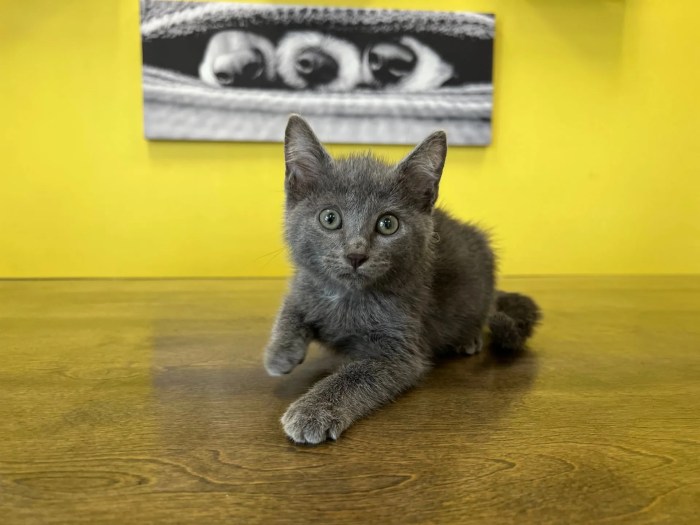
Source: cdn-website.com
Choosing a responsible breeder is paramount to ensuring you get a healthy, well-adjusted Tonkinese kitten. It’s an investment in a companion who will bring joy for years to come. Don’t be swayed by low prices or promises that seem too good to be true.
Red Flags to Watch Out For
Be wary of breeders who allow kittens to leave their home before 12 weeks of age, don’t provide health records, or seem reluctant to answer your questions. Also, avoid breeders who have multiple litters available at the same time, as this could indicate a kitten mill operation.
Health Testing
A reputable breeder will perform genetic testing on their breeding cats to screen for common Tonkinese health issues, such as Progressive Retinal Atrophy (PRA) and Hypertrophic Cardiomyopathy (HCM). They should be able to provide documentation of these tests. These tests help prevent the passing of genetic diseases to the kittens.
Questions to Ask a Breeder
Before committing to a purchase, ask the breeder detailed questions about their breeding practices, the kitten’s health history, and the parents’ temperaments. A good breeder will be happy to answer your questions and provide references.
- What health testing have you performed on the parents?
- Can I see the parents of the kitten?
- What is your kitten socialization process?
- Do you offer a health guarantee?
- What is your policy on returns if a health issue arises?
Verifying Credentials
Check if the breeder is registered with the Cat Fanciers’ Association (CFA) or another reputable cat registry. Contact previous buyers for references and ask about their experiences with the breeder. A breeder who is transparent and willing to provide information is a good sign.
Adoption vs. Buying from a Breeder
The decision of whether to adopt a Tonkinese kitten from a rescue or shelter or buy from a breeder is a personal one. Both options have their advantages and disadvantages.
Adopting offers the opportunity to give a deserving cat a loving home and often costs significantly less than buying from a breeder. However, the availability of Tonkinese in rescues is limited, and you may not know the kitten’s full history or genetic background. Buying from a breeder allows you to choose a kitten from a specific lineage and often provides more information about its health and temperament, but it comes at a higher price.
Typical adoption fees range from $75 to $250 and usually cover vaccinations, spaying/neutering, and a basic health check. When adopting an adult Tonkinese, be prepared for potential behavioral considerations, such as anxiety or fearfulness, which may require patience and training.
Numerous stories exist of successful Tonkinese adoptions, where rescued cats have brought immense joy and companionship to their new families. These stories highlight the rewarding experience of giving a second chance to a deserving feline.
Adopting a rescue Tonkinese not only provides a loving home for a cat in need but also helps reduce pet overpopulation and supports the vital work of animal shelters and rescue organizations.
Geographic Price Variations
The cost of a Tonkinese kitten can fluctuate depending on your location. Demand, breeder density, and the overall cost of living all contribute to these variations.
States with high demand for Tonkinese and fewer breeders, such as California and New York, tend to have higher prices. Conversely, states with a larger number of breeders and lower demand, such as some Midwestern states, may offer more affordable options. The cost of living in a particular area also impacts breeder expenses, which are often passed on to buyers.
Here are some general price ranges by region (these are estimates):
- Northeast: $2,000 – $4,000+
- Midwest: $1,500 – $3,000
- South: $1,800 – $3,500
- West Coast: $2,200 – $4,500+
Imagine a map of the United States. The Northeast and West Coast are shaded in a darker color, indicating higher prices ($3,000+). The Midwest and South are shaded in a lighter color, representing a more moderate price range ($1,500 – $2,500). Areas with very few breeders are marked with a small icon, highlighting the limited availability and potentially higher prices.
Health Considerations and Costs
Like all breeds, Tonkinese kittens are predisposed to certain health issues. Being aware of these potential problems and taking preventative measures can help ensure a long and healthy life for your feline companion.
Common health concerns include Progressive Retinal Atrophy (PRA), Hypertrophic Cardiomyopathy (HCM), and patellar luxation (dislocating kneecap). Early detection and treatment are crucial for managing these conditions.
Preventative care, such as regular vaccinations, deworming, and annual checkups, is essential. Pet insurance can help offset the costs of unexpected vet bills. Choosing a breeder who performs health testing on their breeding cats can significantly reduce the risk of genetic diseases.
| Health Issue | Estimated Treatment Cost (USD) |
|---|---|
| Progressive Retinal Atrophy (PRA) | $500 – $2,000+ (management, not cure) |
| Hypertrophic Cardiomyopathy (HCM) | $500 – $5,000+ (depending on severity and treatment) |
| Patellar Luxation | $300 – $1,500+ (surgery may be required) |
Long-Term Costs of Tonkinese Ownership
Bringing a Tonkinese kitten into your home is a long-term commitment, and it’s important to factor in the ongoing expenses beyond the initial purchase price. These costs can add up over time, so budgeting is essential.
Food, litter, toys, and regular vet visits are just a few of the recurring expenses. Tonkinese are active cats and require plenty of enrichment, which means investing in interactive toys and climbing structures. Training and behavioral modification may also be necessary, especially if you adopt an adult cat with behavioral issues.
- Food: $50 – $100 per month
- Litter: $30 – $60 per month
- Toys & Enrichment: $20 – $50 per month
- Vet Visits (Annual Checkups): $100 – $300 per year
- Grooming (Occasional Baths): $20 – $50 per bath
Financing Options & Payment Plans
The upfront cost of a Tonkinese kitten can be a barrier for some potential owners. Fortunately, several financing options are available to help make pet ownership more accessible.
Some breeders offer payment plans, allowing you to spread the cost of the kitten over several months. Pet financing companies provide loans specifically for pet-related expenses. Using credit cards is another option, but be mindful of interest rates and potential fees.
Numerous organizations offer financial assistance for pet care, such as subsidies for vet bills or pet food banks. Researching these resources can help alleviate the financial burden of owning a Tonkinese.
Here’s a simplified flowchart illustrating the steps involved in securing financing for a Tonkinese kitten:
- Assess Your Budget: Determine how much you can realistically afford to spend each month.
- Explore Breeder Payment Plans: Contact reputable breeders to inquire about payment options.
- Research Pet Financing Companies: Compare interest rates and loan terms.
- Consider Credit Card Options: Evaluate interest rates and rewards programs.
- Apply for Financing: Submit your application and provide necessary documentation.
- Secure Approval: Receive approval for your loan or payment plan.
- Purchase Your Tonkinese Kitten: Make your purchase and enjoy your new companion!
Conclusive Thoughts
Ultimately, bringing a Tonkinese kitten home is a significant investment, both financially and emotionally. While the initial price can vary considerably, responsible breeding practices, potential health concerns, and ongoing care all contribute to the overall cost of ownership. By carefully researching breeders, considering adoption, and budgeting for the future, you can ensure a happy and healthy life for your Tonkinese companion – and enjoy years of love and laughter together.
Don’t let the price tag deter you; the rewards of owning a Tonkinese are immeasurable!
Expert Answers
What’s the average price range for a Tonkinese kitten from a breeder?
Generally, you can expect to pay between $1,500 and $3,000, though prices can exceed this depending on pedigree and show quality.
Are Tonkinese kittens more expensive than Siamese or Burmese?
Often, yes. Tonkinese are typically priced higher due to their rarity and the specialized breeding involved. Siamese tend to be slightly less expensive, while Burmese are often the most affordable of the three.
What does “pet quality” vs. “show quality” mean in terms of price?
Pet quality kittens are suitable as beloved companions but may have minor imperfections that prevent them from competing in cat shows. Show quality kittens meet strict breed standards and command a significantly higher price.
What health tests should a reputable Tonkinese breeder perform?
Look for breeders who test for Progressive Retinal Atrophy (PRA) and Hypertrophic Cardiomyopathy (HCM), as these are common health concerns in the breed.
What are the benefits of adopting a Tonkinese instead of buying from a breeder?
Adoption saves a life, is often more affordable, and adult Tonkinese often have known personalities, making it easier to find a good fit for your family.
How much does pet insurance typically cost for a Tonkinese kitten?
Expect to pay between $30 and $70 per month for comprehensive pet insurance, though this can vary based on coverage and location.
What are some potential hidden costs of owning a Tonkinese?
Consider costs like specialized grooming (if needed), higher-quality food due to their active nature, and potential behavioral training if they develop any issues.
Do Tonkinese kittens require a lot of playtime and interaction?
Yes! They are very social and intelligent cats who thrive on interaction and enrichment. Budget for toys, climbing structures, and dedicated playtime each day.

