The Tonkinese cat, a delightful blend of Siamese and Burmese breeds, is known for its striking appearance, affectionate personality, and playful spirit. Bringing one of these gorgeous kittens into your home is a big decision, and understanding the tonkinese kittens price – and all the factors that influence it – is a crucial first step. This guide will walk you through everything you need to know, from initial costs to long-term care, helping you make an informed choice and ensure a happy, healthy life for your new feline companion.
We’ll explore the various price points, the reasons behind them, and the differences between purchasing from a breeder versus adopting from a rescue. Beyond the initial purchase, we’ll also cover ongoing expenses, potential health concerns, and how to spot red flags to avoid scams. Whether you’re a seasoned cat owner or a first-time pet parent, this comprehensive overview will equip you with the knowledge to navigate the world of Tonkinese kitten ownership with confidence.
Introduction to Tonkinese Kittens
The Tonkinese cat is a captivating breed, often described as a “cobby” blend of Siamese and Burmese traits. Their history is a fascinating one, born from a deliberate effort to create a cat with the best qualities of both parent breeds. While the modern breed standard was formally established in the 1960s, the story begins much earlier. Breeders in North America, particularly in the 1950s, attempted to cross Siamese and Burmese cats, hoping to achieve a unique color palette and temperament.
Initial attempts were inconsistent, but persistent breeding eventually resulted in the distinct Tonkinese we know and love today. It’s a testament to the dedication of early breeders who sought to create a truly special feline companion.
Physical Characteristics of Tonkinese Kittens
Tonkinese kittens are visually striking, exhibiting a blend of Siamese elegance and Burmese sturdiness. Their coat colors are a key identifier, with the most common being mink (a warm brown), champagne (a lighter, golden brown), and blue (a greyish-blue). These colors are a result of the partial colorpoint gene inherited from the Siamese. Eye color is equally fascinating, ranging from aqua to hazel to gold, often with a mesmerizing depth.
Unlike the solid blue eyes of Siamese or the golden eyes of Burmese, Tonkinese eyes are a captivating mix, often described as “odd-eyed” when one eye is a different color than the other. Body type is typically medium-sized and muscular, with a slightly rounded appearance – the “cobby” build mentioned earlier. Size variations exist, with males generally weighing between 8-12 pounds and females between 6-9 pounds.
Kittens are born with a soft, downy coat that gradually develops into the characteristic plush texture of the adult Tonkinese.
Temperament and Personality Traits
Beyond their stunning looks, Tonkinese kittens are renowned for their affectionate and playful personalities. They are incredibly social creatures, thriving on human interaction and often forming strong bonds with their families. Unlike the more independent nature of some breeds, Tonkinese kittens are known to be “velcro cats,” wanting to be near their people at all times. They are also remarkably intelligent, easily trained and often enjoying interactive games and puzzle toys.
Their vocalizations are softer than a Siamese, but they still enjoy “chatting” with their owners. Expect a kitten that is curious, energetic, and always up for an adventure, but also content to curl up on your lap for a cuddle. Their playful nature combined with their affectionate demeanor makes them wonderful companions for individuals and families alike.
Factors Influencing Price
Determining the price of a Tonkinese kitten is a complex process, influenced by a variety of factors. It’s not simply a matter of supply and demand; breeding costs, lineage, location, and even coat color all play a significant role. Understanding these factors can help potential buyers make informed decisions and avoid overpaying or, conversely, missing out on a valuable opportunity.
Breeding Costs
Responsible Tonkinese breeders incur significant expenses to ensure the health and well-being of their cats and kittens. Veterinary care is a major component, including prenatal checkups for the mother, vaccinations and deworming for the kittens, and potential treatment for any illnesses. High-quality nutrition is also essential, as a balanced diet supports healthy growth and development. Socialization is another crucial aspect, requiring time and effort to expose kittens to various stimuli and ensure they are well-adjusted and confident.
These costs, combined with the breeder’s time and expertise, contribute significantly to the overall price of a Tonkinese kitten.
Lineage (Pedigree vs. Non-Pedigree)
A kitten’s lineage, or pedigree, is a primary determinant of its price. Pedigree Tonkinese kittens, those with documented ancestry tracing back to champion bloodlines, command a higher price than non-pedigree kittens. This is because pedigree cats represent a concentrated effort to preserve desirable traits and maintain breed standards. Registration with a recognized cat association (like CFA or TICA) is typically required for pedigree status, adding to the breeder’s administrative costs.
Non-pedigree kittens, while still possessing the characteristic Tonkinese traits, lack this documented lineage and are therefore generally less expensive.
Geographic Location
The geographic region where a Tonkinese kitten is located can also impact its price. Areas with a higher demand for Tonkinese cats and fewer breeders tend to have higher prices. Conversely, regions with a greater supply of breeders may see lower prices due to increased competition. Transportation costs can also play a role, particularly if a buyer is willing to travel to acquire a kitten from a specific breeder.
Coat Color and Pattern Rarity
While all Tonkinese coat colors are beautiful, certain colors and patterns are rarer than others, which can influence pricing. For example, lilac and chocolate Tonkinese are less common than mink or champagne, and breeders may charge a premium for these rarer variations. Unique markings or patterns, such as a distinctive “mask” or a striking eye color combination, can also increase a kitten’s value.
Breeder vs. Rescue/Shelter
Choosing where to acquire a Tonkinese kitten is a significant decision. While the allure of a playful kitten is strong, it’s crucial to consider the ethical and practical implications of purchasing from a breeder versus adopting from a rescue or shelter. Both options offer unique benefits and drawbacks, and the best choice depends on individual circumstances and priorities.
Comparison Table
| Breeder | Rescue/Shelter |
|---|---|
| Price: Generally higher ($1500 – $3000+) | Price: Generally lower ($75 – $300) |
| Health Guarantees: Typically offered, covering genetic defects. | Health Guarantees: Rarely offered; health history may be limited. |
| Kitten History: Known lineage, temperament, and early socialization. | Kitten History: Often unknown; may have experienced trauma or neglect. |
| Breed Standards: Kittens are bred to meet specific breed standards. | Breed Standards: Not applicable; cats are mixed breeds or purebreds with varying characteristics. |
| Support: Breeders often provide ongoing support and advice. | Support: Rescue organizations may offer limited support. |
Researching Breeders
If you choose to purchase from a breeder, thorough research is paramount. Look for breeders who are registered with reputable cat associations and who prioritize the health and well-being of their cats. Visit their facilities to observe the living conditions and interact with the parent cats. Ask about health testing, vaccination records, and socialization practices. A responsible breeder will be transparent and willing to answer your questions.
Finding a Tonkinese Kitten Through Rescue
While Tonkinese cats are relatively rare in shelters, it’s not impossible to find one. Start by contacting local cat rescues and shelters, and inquire about any Tonkinese or Tonkinese mixes they may have. Online platforms like Petfinder and Adopt-a-Pet can also be valuable resources. Be prepared to be flexible with your expectations, as rescue cats may have unknown histories or require extra patience and care.
Price Ranges: A Detailed Breakdown
The price of a Tonkinese kitten can vary significantly depending on several factors, as previously discussed. Here’s a detailed breakdown of estimated price ranges, categorized by quality and lineage. Keep in mind that these are just estimates, and actual prices may vary.
Price Range Table
| Pedigree | Non-Pedigree | Rescue/Shelter |
|---|---|---|
| $1800 – $3500+ (Show quality, champion bloodlines) | $800 – $1800 (Pet quality, no documented lineage) | $75 – $300 (Adoption fees vary by organization) |
Exceptional Lineage and Markings
Kittens with exceptional lineage, such as those descended from multiple grand champions, or those exhibiting rare coat colors or striking markings, can command even higher prices. For example, a lilac Tonkinese with odd eyes from a champion bloodline could easily exceed $3500. The rarity and desirability of these traits drive up the demand and, consequently, the price.
Initial Kitten Supplies
Beyond the initial purchase price, it’s essential to factor in the cost of essential kitten supplies. These include a litter box, litter, food and water bowls, a scratching post, toys, a carrier, and potentially a bed. These initial expenses can easily add up to $200 – $500, depending on the quality and quantity of items purchased.
Health Considerations and Costs
Like all breeds, Tonkinese kittens are predisposed to certain health issues. Understanding these potential concerns and the associated costs is crucial for responsible ownership. Proactive preventative care can significantly reduce the risk of developing these conditions and minimize potential veterinary expenses.
Common Health Issues
Some common health issues that can affect Tonkinese kittens include hypertrophic cardiomyopathy (HCM), a heart condition; progressive retinal atrophy (PRA), an eye disease that can lead to blindness; and patellar luxation, a dislocating kneecap. Treatment for these conditions can range from medication to surgery, with costs varying widely depending on the severity and complexity of the case. HCM treatment can range from $500 to $5000+, while PRA treatment is often limited to supportive care and can cost several hundred dollars annually.
Genetic Testing
Responsible breeders often conduct genetic testing on their breeding cats to screen for inherited diseases like HCM and PRA. This testing can help identify carriers of these genes and reduce the risk of producing affected kittens. While genetic testing adds to the breeder’s costs, it ultimately benefits the kittens and provides peace of mind for buyers. Genetic testing typically costs between $100 and $300 per cat.
Vaccinations and Preventative Care
Regular vaccinations and preventative care are essential for maintaining a Tonkinese kitten’s health. Core vaccinations protect against common feline diseases like feline distemper, calicivirus, and rhinotracheitis. Parasite prevention, including flea and tick control and deworming, is also crucial. Annual veterinary checkups allow for early detection of any health problems.
Average Annual Veterinary Expenses
The average annual veterinary expenses for a Tonkinese cat can range from $200 to $500, depending on their age, health, and lifestyle. This includes routine checkups, vaccinations, and preventative care. Unexpected illnesses or injuries can significantly increase these costs.
Geographic Price Variations
The price of Tonkinese kittens can vary significantly depending on the geographic region of the United States. Several factors contribute to these price differences, including breeder density, demand, and local market conditions.
Regional Price Ranges (Approximate)
- Northeast: $2000 – $3800+ (Higher demand, fewer breeders)
- Midwest: $1700 – $3200 (Moderate demand, moderate breeder density)
- South: $1500 – $3000 (Variable demand, varying breeder density)
- West: $1800 – $3500+ (High demand in coastal areas, moderate breeder density inland)
Reasons for Geographic Differences
The higher prices in the Northeast and West are often attributed to higher demand and a limited number of reputable breeders. The Midwest and South tend to have more moderate prices due to a greater supply of breeders and a more balanced demand. Transportation costs can also influence prices, as buyers may be willing to travel to acquire a kitten from a specific breeder in a different region.
City/State Examples
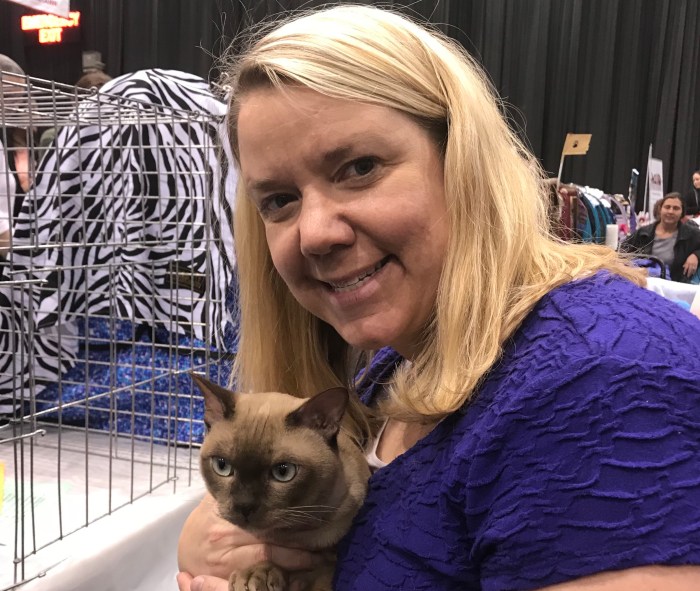
Source: elevatedcattery.com
- New York City: $2500 – $4000+ (High demand, limited space for breeders)
- Los Angeles: $2200 – $3800+ (High demand, competitive market)
- Texas: $1600 – $3000 (Variable prices depending on location and breeder)
- Ohio: $1500 – $2800 (Generally more affordable than coastal regions)
What’s Included in the Price?
When purchasing a Tonkinese kitten from a reputable breeder, potential buyers should expect to receive more than just the kitten itself. A responsible breeder will provide a range of documentation and support to ensure a smooth transition for the kitten and its new owner.
Typical Inclusions
- Health Records: Complete vaccination and deworming records.
- Vaccination Certificates: Proof of administered vaccinations.
- Pedigree Papers: Documentation of the kitten’s lineage (for pedigree kittens).
- Starter Kit: May include a small bag of kitten food, a toy, and a blanket.
Potential Additional Fees
- Registration Fees: Fees for registering the kitten with a cat association.
- Spay/Neuter Contract: A requirement to spay or neuter the kitten by a certain age.
Health Guarantee
A health guarantee is a crucial component of purchasing a Tonkinese kitten from a reputable breeder. It should cover genetic defects and congenital conditions for a specified period, typically six months to one year. The guarantee should Artikel the breeder’s responsibilities in the event of a health problem, such as providing veterinary care or a replacement kitten.
Financing Options & Payment Plans
The cost of a Tonkinese kitten can be a significant investment, and some potential buyers may explore financing options or payment plans to make it more manageable. However, it’s essential to carefully consider the risks and benefits before committing to financing.
Availability of Financing
Some breeders offer payment plans, allowing buyers to pay for the kitten in installments over a period of time. Alternatively, several pet financing companies specialize in providing loans for pet-related expenses. These companies typically offer a range of loan terms and interest rates.
Risks and Benefits of Financing
The primary benefit of financing is that it allows buyers to acquire a Tonkinese kitten sooner than they might otherwise be able to. However, financing also comes with risks, including interest charges and the potential for debt if payments are missed. It’s crucial to carefully assess your financial situation and ensure you can comfortably afford the monthly payments.
Reputable Pet Financing Companies
Several reputable pet financing companies offer loans for pet-related expenses. Examples include CareCredit and ScratchPay. It’s important to compare interest rates and terms from different lenders before making a decision.
Importance of Reading the Fine Print
Before signing any financing agreement, carefully read the fine print. Pay attention to the interest rate, repayment terms, and any fees or penalties associated with late payments or default. Understanding the terms of the agreement is essential to avoid unexpected costs and ensure you can fulfill your obligations.
Long-Term Costs of Tonkinese Ownership
Owning a Tonkinese cat is a rewarding experience, but it’s important to be prepared for the ongoing expenses associated with their care. Beyond the initial purchase price, there are numerous recurring costs to consider.
Ongoing Expenses Table
| Annual Expenses | Estimated Cost |
|---|---|
| Food: High-quality dry and wet food | $400 – $800 |
| Litter: Clumping litter and litter box supplies | $200 – $400 |
| Grooming: Brushing and occasional professional grooming | $50 – $200 |
| Toys & Enrichment: Interactive toys, scratching posts, and other enrichment items | $100 – $300 |
| Veterinary Care: Annual checkups, vaccinations, and preventative care | $200 – $500 |
Potential Unexpected Veterinary Expenses
In addition to routine veterinary care, it’s essential to budget for potential unexpected veterinary expenses. Illnesses, injuries, and dental problems can arise, and treatment can be costly. Pet insurance can help offset these costs, but it’s important to carefully review the policy terms and exclusions.
Importance of Budgeting
Responsible pet ownership requires careful budgeting. Factor in all the ongoing expenses associated with owning a Tonkinese cat, and set aside funds to cover unexpected costs. This will help ensure you can provide your feline companion with the best possible care throughout their life.
Identifying Red Flags & Avoiding Scams
The popularity of Tonkinese kittens has unfortunately attracted unscrupulous breeders and scammers. It’s crucial to be vigilant and aware of potential red flags to avoid falling victim to these schemes.
Common Red Flags
- Unusually Low Prices: Prices significantly below the average market rate should raise suspicion.
- Refusal to Provide Information: Breeders who are unwilling to answer questions or provide details about their breeding practices.
- Lack of Health Records: Failure to provide vaccination and health records for the kittens.
- Unwillingness to Allow Visits: Breeders who refuse to allow potential buyers to visit their facilities.
- Pressure to Purchase Quickly: Breeders who pressure buyers to make a decision without allowing sufficient time for consideration.
Tips for Avoiding Scams
Thoroughly research breeders before committing to a purchase. Verify their credentials with reputable cat associations. Visit their facilities to observe the living conditions and interact with the parent cats. Ask for references from previous buyers. Be wary of online listings that seem too good to be true.
Importance of Verifying Credentials
Check if the breeder is registered with a recognized cat association (CFA or TICA). Contact the association to verify the breeder’s membership and any disciplinary actions. Look for reviews and testimonials from other buyers.
Dangers of Unknown Sources
Purchasing a kitten from an unknown source, such as a classified ad or a social media marketplace, carries significant risks. You may be unknowingly supporting unethical breeding practices or acquiring a kitten with health problems. Always prioritize reputable breeders or rescue organizations.
Final Review
Ultimately, the tonkinese kittens price is just one piece of the puzzle. While costs can vary significantly, the true value lies in the years of companionship, love, and joy a Tonkinese cat will bring. By carefully considering all aspects – from breeder reputation and health guarantees to ongoing care and potential emergencies – you can ensure you’re prepared for the commitment and ready to welcome a truly special member into your family.
Remember to prioritize ethical sourcing and responsible pet ownership for a rewarding experience for both you and your new furry friend.
User Queries
What’s the average lifespan of a Tonkinese cat?
Tonkinese cats typically live between 12 and 15 years, with some living even longer with proper care and a healthy lifestyle.
Do Tonkinese cats require a lot of grooming?
No, their short, silky coat requires minimal grooming. A weekly brushing is usually sufficient to keep their fur healthy and shiny.
Are Tonkinese cats prone to any specific genetic diseases?
They can be predisposed to progressive retinal atrophy (PRA) and hypertrophic cardiomyopathy (HCM). Reputable breeders will screen their cats for these conditions.
What is a health guarantee, and why is it important?
A health guarantee is a promise from the breeder that the kitten is free from certain genetic diseases and parasites at the time of sale. It’s crucial to review the terms and conditions carefully.
Can I find Tonkinese kittens in shelters or rescues?
While less common than purchasing from a breeder, it’s possible to find Tonkinese or Tonkinese mixes in shelters and rescues. Adoption is a wonderful way to give a deserving cat a loving home.
What should I look for in a reputable Tonkinese breeder?
A reputable breeder will be knowledgeable about the breed, allow you to visit their facilities, provide health records for the kitten and its parents, and offer a health guarantee.
What are some signs of a scam breeder?
Red flags include breeders who are unwilling to answer questions, sell kittens at significantly lower prices than the average, or ship kittens without proper health documentation.

