Tortoiseshell calicos are among the most striking and captivating cats you’ll ever encounter. Their unique coat patterns, a mesmerizing blend of colors and markings, have fascinated humans for centuries. But beyond their stunning appearance lies a complex world of genetics, temperament quirks, and even a touch of folklore. This guide dives deep into everything you need to know about these special felines, from their genetic origins to their individual personalities and the fascinating history surrounding them.
Understanding the science behind their coats – the interplay of X chromosomes and the fascinating SINE repeat element – reveals why these patterns are so rare, especially in male cats. We’ll explore the different variations, like patched tabbies and dilute calicos, and uncover the potential health considerations that owners should be aware of. Ultimately, this is a celebration of the unique charm and individuality that defines every tortoiseshell calico.
The Enchanting World of Tortoiseshell and Calico Cats
These striking felines, with their unique and captivating coat patterns, have fascinated humans for centuries. Beyond their beauty, tortoiseshell and calico cats possess intriguing genetics and often display distinct personalities. This article delves into the science, history, and care of these remarkable animals, exploring what makes them so special.
1. Defining Tortoiseshell and Calico Cats
The terms “tortoiseshell” and “calico” often get used interchangeably, but they represent distinct coat patterns rooted in fascinating genetics. Understanding the underlying science helps appreciate the beauty and rarity of these cats. Explain the genetic basis of tortoiseshell coloration in felines. The tortoiseshell pattern is a result of X-chromosome inactivation, a process called Lyonization. Female cats (XX) have two X chromosomes, and one is randomly deactivated in each cell during early development.
The genes for orange and black coat color are located on the X chromosome. If one X chromosome is active, the cat will display black fur; if the other is active, it will display orange fur. The mosaic pattern we see – a mix of black, orange, and sometimes cream – arises from the random inactivation of different X chromosomes in different cells.
Detail the differences between dilute tortoiseshell and standard tortoiseshell patterns. A standard tortoiseshell displays vibrant black and orange hues. A dilute tortoiseshell, however, exhibits softer, muted tones – typically gray (blue) and cream or buff. This difference stems from a recessive gene that dilutes the intensity of the black and orange pigments. Provide a comprehensive description of the calico pattern, including its defining characteristics. Calico cats are characterized by large, distinct patches of white, black, and orange (or their dilute variations).
Unlike the mottled or blended appearance of a tortoiseshell, a calico’s colors are clearly demarcated. The amount of white can vary significantly, from small splashes to almost entirely white cats with just a few colored patches. Discuss the rarity of true calico patterns in male cats and the genetic explanation for this. True calico patterns are overwhelmingly found in female cats. This is because the calico pattern requires two X chromosomes to express the black and orange colors, along with the white spotting gene.
Male cats (XY) typically only have one X chromosome. However, rare male calicos can occur due to a chromosomal abnormality – specifically, Klinefelter syndrome (XXY). These males are usually sterile. Create a table comparing and contrasting tortoiseshell and calico patterns, including color variations and frequency.
| Pattern Name | Defining Colors | Frequency | Gender Predominance |
|---|---|---|---|
| Tortoiseshell | Black, Orange, Cream (and dilute variations: Blue, Cream/Buff) | Relatively common (around 20-30% of female cats) | Female (almost exclusively) |
| Calico | White, Black, Orange (and dilute variations: White, Blue, Cream/Buff) | Less common than tortoiseshell (around 5-10% of female cats) | Female (overwhelmingly) |
The Enchanting World of Tortoiseshell and Calico Cats
2. The Tortoiseshell Calico Combination
Source: etsystatic.com
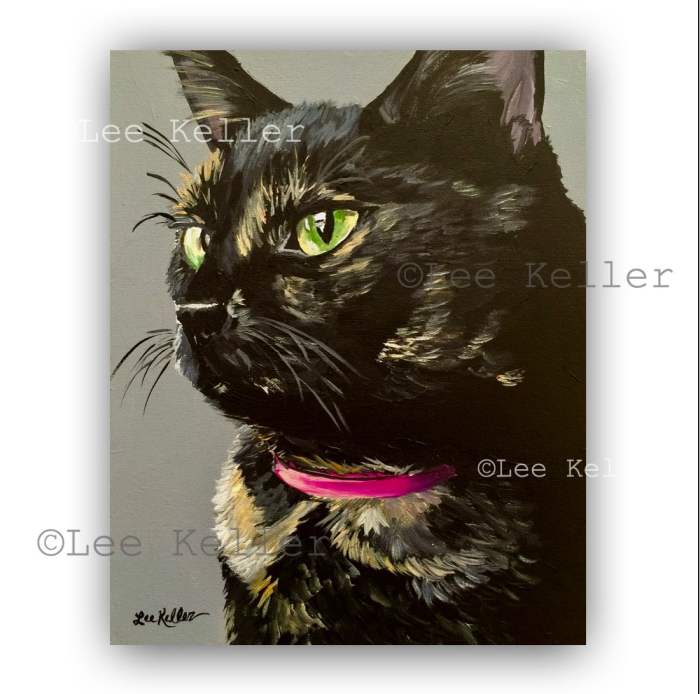
The appearance of a cat exhibiting both tortoiseshell and calico markings is a captivating phenomenon, often referred to as a “torbie” or “patched tortoiseshell.” It’s a visual testament to the complex interplay of genetics. Elaborate on the phenomenon of a cat exhibiting both tortoiseshell and calico markings. A torbie cat displays a tortoiseshell base (mottled black and orange)and* distinct white patches, characteristic of a calico. It’s essentially a tortoiseshell cat with added white spotting.
Discuss the genetic complexities that lead to this combined pattern. The combined pattern arises when a cat inherits the genes for both tortoiseshell coloration (X-chromosome inactivation) and white spotting (a separate gene, often with multiple alleles influencing the amount of white). The white spotting gene doesn’t affect the orange/black color expression but dictates the presence and distribution of white patches. Detail the variations in appearance within the tortoiseshell calico category (e.g., patched, mottled, torbie). Variations are numerous. “Patched” torbies have larger, more defined white patches.
“Mottled” torbies have a more blended appearance with smaller white markings interspersed within the tortoiseshell pattern. “Torbie” is a general term encompassing any cat with both tortoiseshell and white markings. Share examples of specific color combinations commonly seen in tortoiseshell calicos. Common combinations include black and orange with white patches, blue and cream with white, and even dilute calicos with gray and buff markings alongside white. The intensity and distribution of each color contribute to the unique appearance of each individual.
Design a visual guide illustrating the different types of tortoiseshell calico patterns, using descriptive language instead of image links. Imagine a cat with a predominantly black base, interspersed with orange swirls and patches, and large, clearly defined white areas covering its chest and paws – this is a “patched” torbie. Now picture a cat where the black and orange are more blended, creating a mottled effect, with smaller, scattered white markings – this is a “mottled” torbie. Finally, envision a cat with a more even distribution of black, orange, and white, creating a harmonious blend – this is a classic “torbie.”
The Enchanting World of Tortoiseshell and Calico Cats
3. Temperament and Personality Traits
Tortoiseshell and calico cats are often described as having distinct personalities, though anecdotal evidence and scientific understanding are still evolving. While individual personalities vary, certain traits are frequently observed. Discuss common personality traits associated with tortoiseshell and calico cats. These cats are often described as independent, intelligent, and opinionated. They can be affectionate but are not always lap cats. Many owners report a strong-willed nature and a tendency to be vocal.
Compare and contrast the perceived temperaments of tortoiseshell and calico cats, citing anecdotal evidence and potential scientific explanations. Tortoiseshells are sometimes perceived as more intense and assertive than calicos, potentially due to the stronger expression of the orange/black color combination. Calicos, with their white patches, are often seen as slightly more playful and adaptable. However, these are generalizations, and individual personalities are paramount. The “tortitude” phenomenon (discussed below) is often attributed to tortoiseshells. Detail how environmental factors might influence the personality of a tortoiseshell calico. Early socialization plays a crucial role.
Kittens exposed to positive human interaction and other animals during their critical socialization period (2-7 weeks) are more likely to develop well-adjusted personalities. A stimulating environment with plenty of toys and opportunities for play can also contribute to a cat’s overall well-being and behavior. Organize a list of behaviors frequently observed in these types of cats, categorized by intensity (mild, moderate, strong).
- Mild: Occasional vocalization, independent play, selective affection (choosing when and how to interact).
- Moderate: Regular vocalization, demanding attention, playful swatting, occasional guarding behavior.
- Strong: Constant vocalization, persistent demands for attention, aggressive swatting or biting, territorial marking (spraying or scratching).
Explain the concept of “tortitude” and its potential connection to tortoiseshell cats. “Tortitude” is a colloquial term used to describe the perceived sassy, independent, and sometimes feisty personality often attributed to tortoiseshell cats. While not scientifically proven, some researchers suggest a possible link between coat color genetics and hormone levels, which could influence behavior. However, it’s important to remember that “tortitude” is largely anecdotal and influenced by individual cat personalities and environmental factors.
The Enchanting World of Tortoiseshell and Calico Cats
4. Health Considerations
While generally healthy, tortoiseshell and calico cats may be predisposed to certain health conditions due to their genetics. Regular veterinary care is essential for early detection and management of any potential issues. Identify potential health concerns that may be more prevalent in tortoiseshell or calico cats. One notable concern is feline hypertrophic cardiomyopathy (HCM), a heart condition. Some studies suggest a possible link between coat color genetics (including tortoiseshell and calico patterns) and an increased risk of HCM.
Detail the genetic link between coat color and certain health conditions in felines. The link between coat color and HCM is complex and not fully understood. It’s believed that certain genes involved in coat color development may also influence heart muscle development. However, it’s crucial to note that not all tortoiseshell or calico cats will develop HCM. Discuss the importance of regular veterinary checkups for tortoiseshell calico cats. Regular checkups, including cardiac evaluations (such as echocardiograms), are particularly important for tortoiseshell and calico cats, especially as they age.
Early detection of HCM can improve treatment outcomes. Provide a list of preventative measures owners can take to ensure the health and well-being of these cats.
| Preventative Measure | Rationale |
|---|---|
| Regular Veterinary Checkups | Early detection of potential health issues, including HCM. |
| High-Quality Diet | Supports overall health and provides essential nutrients. |
| Weight Management | Reduces the risk of obesity-related health problems. |
| Dental Care | Prevents dental disease, which can impact overall health. |
Elaborate on the potential for genetic predispositions related to specific diseases. Beyond HCM, research is ongoing to explore potential links between coat color genetics and other health conditions. Genetic testing may become more readily available in the future to assess a cat’s risk for certain diseases.
Ending Remarks
From their historical significance as symbols of good luck in some cultures to the anecdotal evidence suggesting a distinct “tortitude,” tortoiseshell calicos are far more than just beautiful cats. They represent a fascinating intersection of genetics, behavior, and human perception. Whether you’re a seasoned cat lover or simply curious about these captivating creatures, we hope this exploration has deepened your appreciation for the beauty and complexity of tortoiseshell calicos and the joy they bring to our lives.
So, next time you encounter a tortoiseshell calico, take a moment to admire their unique markings and consider the intricate story woven into their fur. They are truly a testament to the wonders of feline diversity.
FAQs
Why are male tortoiseshell calicos so rare?
Male cats have one X and one Y chromosome. The tortoiseshell and calico patterns are linked to the X chromosome, meaning they need two X chromosomes to express both colors. Males typically only have one, making them extremely rare – usually a result of a genetic anomaly like Klinefelter syndrome (XXY).
What’s the difference between a tortoiseshell and a calico?
Tortoiseshell cats have a mottled or patched pattern of black and orange (or their dilute versions, grey and cream). Calico cats have those same colors
-plus* white patches. Think of it this way: all calicos are tortoiseshells, but not all tortoiseshells are calicos.
Do tortoiseshell calicos have a specific personality?
While anecdotal evidence suggests they can be feisty and independent (“tortitude”), there’s no definitive scientific proof. Their personalities are likely a combination of genetics, early socialization, and individual experiences, just like any other cat.
What are some common health concerns for tortoiseshell calicos?
Some studies suggest a possible link between coat color and certain conditions like hyperthyroidism and kidney disease, but more research is needed. Regular vet checkups are crucial for early detection and management of any health issues.
Can I breed my tortoiseshell calico to get more tortoiseshell calico kittens?
It’s complicated! Predicting coat color in kittens is challenging and depends on the genetics of both parents. While you’re likely to get some tortoiseshell or calico kittens, there’s no guarantee.
What does it mean when people say a tortoiseshell calico is “tri-color”?
“Tri-color” is often used interchangeably with “calico,” referring to the presence of black, orange (or their dilute versions), and white markings.

