The Toyger cat, with its striking resemblance to a miniature tiger, has captivated cat lovers worldwide. These playful and affectionate felines are relatively new to the scene, and their unique appearance comes with a price tag that can vary significantly. This guide dives deep into the world of Toyger pricing, exploring everything from breeder reputation to potential health costs, so you can make an informed decision about bringing one of these gorgeous cats into your life.
We’ll unpack the factors that influence the cost, compare them to similar breeds, and discuss what to expect throughout the acquisition process. Whether you’re dreaming of a show-quality kitten or considering adopting an adult, understanding the financial commitment involved is crucial for responsible pet ownership.
Introduction to Toyger Cats
The Toyger, a relatively new breed of domestic cat, has captivated enthusiasts with its striking resemblance to a miniature tiger. Developed in the 1980s, the breed’s creation was a deliberate effort to mimic the appearance of a tiger, but with the affectionate and manageable temperament of a house cat. This article delves into the world of Toygers, exploring their origins, characteristics, personality, and, importantly, the financial aspects of owning one.
The breed’s story began with Judy Sugden, who, inspired by a photograph of a tiger in a zoo, set out to create a domestic cat that mirrored its wild counterpart. She started with a naturally occurring mackerel tabby and a Siamese, carefully selecting generations of offspring that exhibited increasingly tiger-like markings. The goal wasn’t to create a hybrid or a cat with wild instincts, but rather a beautifully patterned domestic cat that evoked the majesty of a tiger.
The name “Toyger” is a portmanteau of “toy” and “tiger,” perfectly encapsulating the breed’s essence.
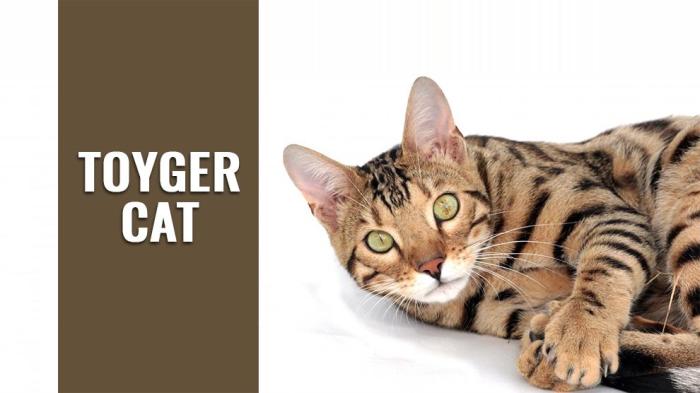
Toygers are known for their distinctive markings: dark, narrow stripes on a tawny background. These stripes are not just random patterns; they are intended to be bold, vertical, and evenly spaced, resembling the stripes of a tiger. Their bodies are muscular and sleek, contributing to their overall tiger-like appearance. Beyond their looks, Toygers are generally described as being active, playful, and affectionate cats, often forming strong bonds with their human families.
Key Physical Traits and Tiger Resemblance
| Physical Feature | Description | Tiger Resemblance |
|---|---|---|
| Stripes | Dark, narrow, vertical stripes evenly spaced across the body. | Mimics the bold, vertical stripes of a tiger. |
| Coat Color | Tawny or golden-brown background color. | Resembles the warm, earthy tones of a tiger’s coat. |
| Body Shape | Muscular and sleek build. | Evokes the powerful and agile physique of a tiger. |
| Eye Color | Green or gold. | Contributes to the intense, captivating gaze often associated with tigers. |
Factors Influencing Toyger Cost
The price of a Toyger kitten isn’t a simple matter. Several factors contribute to the overall cost, and understanding these can help prospective owners make informed decisions. From the breeder’s reputation to the kitten’s lineage, numerous elements play a role in determining the final price tag.
Breeder Reputation and Experience
Reputable breeders invest significant time and resources into their breeding programs. They prioritize health testing, genetic diversity, and socialization. Experienced breeders often command higher prices due to their proven track record of producing healthy, well-tempered Toygers. Less experienced or backyard breeders may offer kittens at lower prices, but this often comes with increased risks regarding health and temperament. It’s crucial to research a breeder thoroughly before making a purchase.
Lineage and Show Potential
A Toyger’s lineage, or pedigree, significantly impacts its value. Kittens from champion bloodlines or those with exceptional markings are generally more expensive. Kittens with show potential – those that meet the breed standard closely and possess desirable traits for competition – will also command a premium price. These kittens are often sought after by breeders looking to improve their own lines or by individuals interested in showing their cats.
Breeding Expenses
Source: petmoo.com
Breeding Toygers is not a cheap endeavor. Breeders incur substantial costs related to health testing (e.g., genetic screening for hypertrophic cardiomyopathy – HCM), specialized diets for pregnant cats and kittens, veterinary care (including vaccinations and parasite prevention), and maintaining a clean and enriching environment for the cats. These expenses are factored into the price of the kittens.
Potential Hidden Costs
Beyond the initial purchase price, there are several potential hidden costs associated with Toyger ownership. These include specialized grooming tools (although Toygers have relatively short coats, regular brushing is still beneficial), enrichment toys to keep them mentally stimulated, and potentially higher-quality cat food to support their muscular build and energy levels. Consider these ongoing expenses when budgeting for a Toyger.
Toyger Price Breakdown: Kitten vs. Adult
The cost of acquiring a Toyger varies significantly depending on whether you’re looking for a kitten or an adult cat. Kittens, particularly those with show potential, generally command higher prices due to their desirability and the breeder’s investment in their early development. Adult Toygers, while still valuable, may be less expensive for a variety of reasons.
Kitten Prices
Pet-quality Toyger kittens (those not intended for showing or breeding) typically range from $1,500 to $3,000. Show-quality kittens, with exceptional markings and conformation, can easily exceed $3,000, and in some cases, reach upwards of $5,000 or more, depending on their lineage and breeder reputation. These prices reflect the breeder’s investment in careful selection and breeding practices.
Adult Toyger Prices
Adult Toygers, generally those aged 2 years or older, typically range from $800 to $2,500. The price can vary based on age, breeding status (whether they are spayed/neutered), and overall health and temperament. Cats with a proven track record of good health and a desirable personality often command higher prices.
Price Range Comparison
| Age Category | Price Range (USD) |
|---|---|
| Kitten (Pet Quality) | $1,500 – $3,000 |
| Kitten (Show Quality) | $3,000 – $5,000+ |
| Adult (Spayed/Neutered) | $800 – $2,500 |
Adult Toygers are often less expensive than kittens because the breeder has already invested in their initial care and socialization. Additionally, some owners may be looking to rehome adult Toygers, which can further reduce the price. However, it’s essential to ensure the adult cat’s health and temperament are thoroughly assessed before making a commitment.
Geographic Variations in Toyger Pricing
The price of a Toyger can fluctuate depending on geographic location. This is primarily due to variations in breed popularity, breeder density, and transportation costs. Areas with a higher demand for Toygers and fewer breeders tend to have higher prices, while regions with a greater supply of breeders may offer more competitive pricing.
Regional Price Differences
Toygers are currently most commonly found in the United States, with a higher concentration of breeders in the Northeast and West Coast regions. Consequently, prices in these areas may be slightly higher than in the Midwest or South, where the breed is less prevalent. International pricing varies significantly depending on import regulations and breeder availability.
Transportation Costs
Transportation costs can significantly impact the final price of a Toyger, especially if you’re purchasing from a breeder located far from your home. Breeders often factor in shipping fees, which can range from a few hundred dollars for domestic transport to significantly more for international shipping. Consider these costs when comparing prices from different breeders.
Local Demand and Availability
Local demand and availability are key drivers of Toyger pricing. In areas where Toygers are highly sought after but breeders are scarce, prices tend to be higher. Conversely, in regions with a greater number of breeders and less demand, prices may be more competitive. It’s always a good idea to research local breeders and compare prices before making a decision.
Price Range Map (Descriptive)
Imagine a map of the United States. The Northeast and West Coast regions would be shaded in a darker orange, indicating a price range of $2,000 – $5,000+ for Toyger kittens. The Midwest would be shaded in a lighter orange, representing a price range of $1,500 – $3,000. The South would be shaded in a yellow hue, suggesting a price range of $1,200 – $2,500.
Areas with very limited Toyger availability, such as the Mountain West, would be shaded in a pale yellow, indicating prices potentially exceeding $5,000 due to scarcity and transportation costs. This color coding provides a general overview of approximate price ranges by region.
Purchasing Options: Breeder vs. Rescue
When acquiring a Toyger, you have two primary options: purchasing from a reputable breeder or adopting from a rescue organization or shelter. Each option has its own advantages and disadvantages, and the best choice depends on your individual circumstances and preferences.
Breeder Acquisition
Acquiring a Toyger from a reputable breeder offers several benefits, including the opportunity to meet the kitten’s parents, learn about their lineage, and receive guidance on proper care and socialization. Breeders typically provide health guarantees and are knowledgeable about the breed’s specific needs. However, this option is generally more expensive than adoption.
Finding a Responsible Breeder
Finding a responsible Toyger breeder requires careful research. Look for breeders who prioritize health testing, genetic diversity, and socialization. Visit their cattery (breeding facility) to assess the living conditions of the cats and observe the breeder’s interactions with them. Ask questions about their breeding practices, health guarantees, and experience with the breed. Reputable breeders are transparent and willing to answer your questions thoroughly.
Rescue/Shelter Adoption
Adopting a Toyger from a rescue organization or shelter is a rewarding experience that provides a loving home for a cat in need. While Toygers are relatively rare in shelters, it’s not impossible to find one. Adoption fees are typically lower than purchasing from a breeder, and you’ll be giving a deserving cat a second chance. However, you may have limited information about the cat’s history or lineage.
Breeder vs. Rescue Comparison
- Cost: Breeder (higher) vs. Rescue (lower)
- Health Guarantees: Breeder (typically provided) vs. Rescue (limited or none)
- Personality Assessment: Breeder (kitten’s personality less developed) vs. Rescue (adult cat’s personality known)
- Lineage Information: Breeder (detailed pedigree available) vs. Rescue (limited or no information)
- Socialization: Breeder (kitten socialized by breeder) vs. Rescue (socialization may vary)
Last Point
From initial purchase price to ongoing care, owning a Toyger is an investment – but one that promises years of companionship and feline charm. We’ve explored the various costs associated with these miniature tigers, highlighting the importance of responsible breeders, preventative healthcare, and careful budgeting. Ultimately, the joy of welcoming a Toyger into your home far outweighs the financial considerations, provided you’re prepared for the commitment.
Remember to factor in those unexpected expenses and prioritize your Toyger’s health and well-being. With a little planning and research, you can ensure a happy and healthy life for your new feline friend.
Essential Questionnaire
What’s the biggest factor affecting Toyger price?
Breeder reputation and the kitten’s lineage (pedigree) are major drivers. Show-quality kittens with champion bloodlines will command a higher price.
Are adult Toygers always cheaper than kittens?
Generally, yes. Kittens are in higher demand, and breeders often charge a premium. Adult Toygers, especially those who are spayed/neutered, are typically less expensive.
What are some hidden costs I might not think about?
Specialized grooming tools (they have dense fur!), enrichment toys to keep them stimulated, and potentially higher food costs due to their active nature can add up.
Can I get a Toyger from a rescue?
It’s rare, but possible! Check with breed-specific rescues or general cat shelters. Adoption fees are usually much lower than breeder prices.
What kind of health problems are common in Toygers?
Hypertrophic cardiomyopathy (HCM) is a concern. Genetic testing is crucial, and ongoing vet care is essential to monitor their health.
How does the price compare to a Bengal or Savannah cat?
Toygers are often priced similarly to Bengals, but generally less expensive than Savannahs, which have more wild cat genetics and stricter regulations.
What’s included in a breeder’s contract?
A good contract will Artikel health guarantees, return policies, and spay/neuter agreements. Read it carefully before signing!
Do I need pet insurance for a Toyger?
It’s highly recommended! Unexpected vet bills, especially for conditions like HCM, can be costly. Pet insurance can provide peace of mind.

