The tuxedo cat, instantly recognizable with its dapper black and white markings, holds a special place in our hearts. But what about the rarer, equally charming grey tuxedo cat? This guide dives deep into the world of these sophisticated felines, exploring their unique shades, personalities, health considerations, and even their surprising appearances in popular culture. We’ll unravel the genetics behind their striking coats, discuss how to best care for them, and celebrate the elegance that defines these captivating companions.
From the subtle nuances of “moonlit silver” to the intriguing history of the tuxedo pattern itself, we’ll cover everything you need to know about these distinguished cats. Whether you’re a seasoned cat lover or considering welcoming a grey tuxedo into your home, prepare to be captivated by their charm and grace.
The Enigmatic Grey Tuxedo Cat: A Comprehensive Guide
The tuxedo cat, with its striking black and white markings resembling a formal suit, holds a special place in the hearts of cat lovers. While the classic black and white tuxedo is well-known, the grey tuxedo cat presents a subtly different charm. This guide delves into the world of grey tuxedo cats, exploring their genetics, appearance, personality, health, and more.
Whether you’re considering welcoming one into your home or simply curious about these elegant felines, this article will provide you with a wealth of information.
Defining the “Tuxedo Cat” Breed & Appearance
The term “tuxedo cat” isn’t a breed in itself, but rather a color pattern. It describes a cat with a black (or sometimes grey) coat and white markings typically on the chest, paws, and sometimes the chin and belly, creating the appearance of a tuxedo. Beyond the color pattern, true tuxedo cats often possess a refined and elegant appearance. They tend to have a well-proportioned body, a relatively short to medium-length coat, and a dignified demeanor.The tuxedo pattern is a result of a recessive gene that controls the distribution of pigment in the fur.
This gene interacts with other genes that determine the base coat color (black or grey). The white spotting gene, also recessive, dictates the areas where pigment is absent, resulting in the white markings. The combination of these genes creates the distinctive tuxedo pattern.Tuxedo cats generally have a medium build, typically weighing between 8 and 12 pounds, although this can vary depending on their underlying breed.
They can range from slender and agile to more robust and muscular, again influenced by their breed heritage.
| Pattern Variation | Description | Commonality (%) | Associated Personality Traits |
|---|---|---|---|
| Classic Tuxedo | The most common pattern, with a symmetrical black coat and a crisp white bib and paws. | 60% | Often described as intelligent, playful, and affectionate. |
| Masked Tuxedo | Features a black “mask” across the face with white markings around the muzzle and chin. | 25% | Known for being curious, vocal, and sometimes mischievous. |
| Reverse Tuxedo | The white markings are dominant, with a black “tuxedo” pattern overlaid. | 10% | Tend to be gentle, calm, and enjoy quiet companionship. |
| Ruffled Tuxedo | Characterized by slightly less defined markings, giving a softer, more blended appearance. | 5% | Often described as laid-back, adaptable, and good with children. |
| Dominant White Tuxedo | A cat with a predominantly white coat and small black markings resembling a tuxedo. | 2% | Can be very affectionate and attention-seeking. |
Grey Shades & Variations in Tuxedo Cats
The beauty of a grey tuxedo cat lies in the subtle variations of grey found in their coats. It’s far more complex than simply “grey.” Shades range from the deep, dramatic charcoal to the shimmering, ethereal silver. Blue-grey, a softer, muted tone, is also frequently observed. The perceived color can shift dramatically depending on the lighting conditions. Natural sunlight will often bring out the silver undertones, while artificial light might emphasize the grey or even make it appear darker.Distinguishing a grey tuxedo from a smoke tuxedo is crucial.
A grey tuxedo has a solid grey base coat with white markings. A smoke tuxedo, however, has a silver or grey tipping on the ends of the hairs, with a darker undercoat. This gives the coat a shimmering, layered appearance. The smoke effect is more pronounced when the cat moves.Here are some descriptive phrases to capture the nuances of different grey shades:
- Moonlit Silver: Evokes a shimmering, almost ethereal quality.
- Stormy Charcoal: Suggests a deep, dramatic grey with a hint of darkness.
- Dove Grey: A soft, gentle grey reminiscent of dove feathers.
- Slate Blue: A cool, muted grey with a subtle blue undertone.
- Ashy Pearl: A delicate, slightly iridescent grey with a pearlescent sheen.
Personality & Temperament of Grey Tuxedo Cats
Anecdotal evidence suggests that grey tuxedo cats often possess a calm and contemplative nature. Many owners describe them as being more reserved than their black and white counterparts, but equally affectionate. They seem to observe their surroundings with a quiet intelligence, often displaying a thoughtful and dignified demeanor.While generalizations are difficult, some believe that grey tuxedo cats might be slightly more independent than black and white tuxedo cats.
However, this is likely influenced by individual personality and breed heritage rather than solely coat color. Genetic factors, such as the genes responsible for coat color, can sometimes be linked to other traits, although the exact mechanisms are complex and not fully understood. Environmental factors, such as early socialization and upbringing, also play a significant role in shaping a cat’s personality.
“My grey tuxedo, Winston, is the most gentle soul. He loves to cuddle but isn’t overly demanding of attention. He’s always watching, like he’s contemplating the universe.”
Sarah M.
“Luna, my grey tuxedo, is a bit of a mystery. She’s quiet and observant, but when she decides to play, she’s incredibly energetic and playful!”
David L.
“Jasper, my grey tuxedo, is the sweetest, most affectionate cat I’ve ever known. He follows me everywhere and loves to be petted. He’s my little shadow.”
Emily K.
Health Considerations Specific to Grey Tuxedo Cats
Grey cats, in general, may be slightly predisposed to certain health conditions, although this isn’t exclusive to grey tuxedo cats. One area of concern is progressive retinal atrophy (PRA), a degenerative eye disease that can lead to blindness. While not directly linked to grey fur, it’s a condition to be aware of, particularly in purebred cats.The relationship between coat color and health is still being researched, but some studies suggest a possible link between melanins (pigments responsible for black and grey fur) and antioxidant protection.
However, more research is needed to fully understand this connection.Regardless of coat color, all tuxedo cats benefit from preventative care. This includes:
- Regular veterinary checkups
- Vaccinations
- Parasite prevention (fleas, ticks, worms)
- Dental care
- A balanced diet
- Plenty of exercise and mental stimulation
| Potential Health Issue | Symptoms | Recommended Action |
|---|---|---|
| Progressive Retinal Atrophy (PRA) | Cloudy eyes, difficulty seeing in low light, bumping into objects. | Consult a veterinary ophthalmologist for diagnosis and management. |
| Kidney Disease | Increased thirst and urination, weight loss, lethargy. | Veterinary examination, blood tests, and potential dietary changes. |
| Hyperthyroidism | Increased appetite, weight loss, hyperactivity, vomiting. | Veterinary examination, blood tests, and potential medication. |
| Urinary Tract Infections (UTIs) | Straining to urinate, frequent urination, blood in urine. | Veterinary examination, urine analysis, and potential antibiotics. |
Caring for a Grey Tuxedo Cat: Grooming & Nutrition
Grooming requirements for a grey tuxedo cat depend on their fur texture. Shorter-haired grey tuxedo cats typically require weekly brushing to remove loose hair and prevent matting. Longer-haired varieties may need daily brushing, especially during shedding season. Regular nail trimming and ear cleaning are also essential.A balanced diet is crucial for maintaining a healthy coat color and overall well-being. Look for cat food that is rich in protein and essential fatty acids, such as omega-3 and omega-6.
These nutrients contribute to a shiny, healthy coat.Ingredients to look for in cat food:
- Real meat (chicken, turkey, fish)
- Omega-3 and Omega-6 fatty acids
- Antioxidants (vitamin E, vitamin C)
- Taurine (essential for heart and eye health)
Ingredients to avoid:
- Artificial colors and flavors
- Excessive fillers (corn, wheat, soy)
- By-products
- High levels of sodium
Here’s a step-by-step guide on how to brush a grey tuxedo cat:
- Gather your supplies: a soft-bristled brush or grooming glove, and a comb.
- Gently introduce the brush to your cat. Let them sniff it and rub against it.
- Start brushing in the direction of the fur growth, using gentle, circular motions.
- Pay attention to areas prone to matting, such as behind the ears and under the legs.
- Use the comb to remove any tangles or knots.
- Reward your cat with a treat and praise.
History & Origins of the Tuxedo Cat
The exact origins of the tuxedo cat pattern are shrouded in mystery, but it’s believed to have arisen spontaneously through genetic mutations. One theory suggests that the pattern originated in the 19th century, possibly in the United States, where cats with similar markings were seen at formal events, resembling gentlemen in tuxedos.Tuxedo cats have been documented throughout history in various cultures.
They have been depicted in artwork and literature for centuries, often symbolizing elegance and sophistication. While not a specific breed, their distinctive appearance has made them popular companions throughout the world.There are no specific historical figures or events directly associated with tuxedo cats, but their presence in art and literature suggests a long-standing appreciation for their unique beauty.Timeline:
- 1860s-1870s: Early mentions of cats with tuxedo markings in the United States.
- Early 20th Century: The term “tuxedo cat” begins to gain popularity.
- Mid-20th Century: Tuxedo cats become increasingly popular as pets.
- Late 20th Century – Present: Continued popularity and recognition of the tuxedo cat pattern.
Grey Tuxedo Cats in Popular Culture
Grey tuxedo cats have made appearances in various forms of media, often portraying characters with intelligence, mystery, or a touch of sophistication. While not as ubiquitous as black and white tuxedo cats, they are increasingly recognized for their unique charm.The symbolism of grey tuxedo cats often revolves around their elegance and refined appearance. The grey color can represent wisdom, calmness, and introspection, while the tuxedo pattern adds a touch of formality and distinction.The increased visibility of grey tuxedo cats in media has contributed to their growing popularity as pets.
Their unique appearance and often gentle personalities make them appealing companions.
| Media | Cat’s Name (if applicable) | Description of Role/Appearance |
|---|---|---|
| “The Simpsons” | Snowball II | A grey tuxedo cat who is Homer Simpson’s nemesis. |
| “Stuart Little” (film series) | Snowbell | A Persian cat with grey tuxedo markings, initially antagonistic but later a friend to Stuart. |
| “The Cat in the Hat” (Dr. Seuss) | The Cat | While not explicitly grey, many illustrations depict the Cat with greyish-black fur and a tuxedo-like pattern. |
| “Grey’s Anatomy” | Various | Several grey tuxedo cats have appeared as pets of the show’s characters. |
| @tuxedo_grey | Numerous Instagram accounts feature grey tuxedo cats, showcasing their beauty and personalities. |
Illustrative Descriptions for Visualizations
Imagine a grey tuxedo cat lounging in a sunbeam. The light catches the silver tips of its fur, creating a shimmering effect. The black markings are deep and rich, contrasting beautifully with the soft grey. Shadows pool beneath its chin and paws, accentuating its relaxed posture. Its eyes are half-closed in contentment, and a gentle purr vibrates through its body.Picture a grey tuxedo cat playfully batting at a toy mouse.
Its movements are fluid and graceful, showcasing its agility. The fur ripples with each pounce, revealing subtle variations in shade. Its eyes are bright and focused, reflecting its playful energy.Envision a portrait of a grey tuxedo cat with piercing green eyes. The gaze is intelligent and curious, conveying a sense of quiet observation. The fur is meticulously groomed, highlighting the texture and detail of each strand.
The black markings frame the face, adding to its dignified appearance.Focus on a close-up of a grey tuxedo cat’s paw. The fur is soft and velvety, with subtle variations in color. The claws are retracted, but their sharpness is evident. The pads of the paws are pink and delicate, contrasting with the darker fur.Finally, visualize a grey tuxedo cat curled up asleep on a plush blanket.
The fur is soft and inviting, creating a sense of comfort and tranquility. The cat’s breathing is slow and even, and its expression is peaceful.
Distinguishing Grey Tuxedo Cats from Similar Breeds
Grey tuxedo cats can sometimes be confused with other breeds that share similar markings or coat colors. The British Shorthair, with its dense, plush coat and round face, and the Russian Blue, known for its striking silver-blue fur, are two breeds that often come to mind.The key differences lie in the overall body structure, facial features, and coat texture. British Shorthairs are typically larger and more muscular than grey tuxedo cats, with a broader face and shorter legs.
Russian Blues have a more slender build and a wedge-shaped head with large, green eyes. While both breeds can have grey or silver fur, they rarely exhibit the distinct tuxedo pattern.A visual guide: British Shorthairs have a round face, stocky build, and dense, plush coat. Russian Blues have a wedge-shaped head, slender build, and short, dense, silver-blue coat. Grey tuxedo cats have a more moderate build, a more variable face shape, and a coat that can range in texture.
The defining feature of a grey tuxedo cat is, of course, the tuxedo pattern itself.
| Breed | Key Physical Features | Typical Personality | Likelihood of Tuxedo Pattern |
|---|---|---|---|
| British Shorthair | Round face, stocky build, dense, plush coat. | Calm, affectionate, and easygoing. | Very rare. |
| Russian Blue | Wedge-shaped head, slender build, short, dense, silver-blue coat. | Quiet, reserved, and intelligent. | Extremely rare. |
| Grey Tuxedo Cat | Moderate build, variable face shape, tuxedo pattern. | Varies, often calm and affectionate. | Common. |
Finding a Grey Tuxedo Cat: Adoption vs. Breeder
Adopting a grey tuxedo cat from a shelter or rescue organization is a rewarding experience. Shelters are often filled with deserving cats waiting for loving homes. The pros of adoption include giving a cat a second chance, often at a lower cost than purchasing from a breeder. However, the history of the cat may be unknown, and there’s no guarantee of finding a grey tuxedo specifically.Finding a reputable breeder of tuxedo cats requires careful research.
Look for breeders who prioritize health testing and genetic screening. Responsible breeders will be transparent about their breeding practices and happy to answer your questions. Purchasing a kitten from a breeder can provide predictability in terms of appearance and temperament, but it’s generally more expensive than adoption.Health testing and genetic screening are crucial when purchasing a kitten from a breeder.
This helps to identify potential health problems and ensure that the kitten is healthy and well-adjusted. Ask the breeder about the health history of the parents and any genetic testing they have performed.Resources for finding grey tuxedo cats:
- Petfinder:
- Adopt-a-Pet:
- Tuxedo Cat Rescue Foundation:
- Local animal shelters and rescue organizations
Concluding Remarks
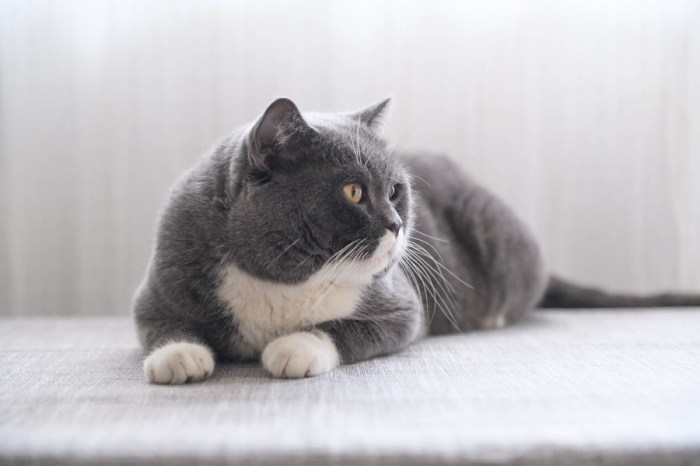
Source: cat-world.com
The grey tuxedo cat is more than just a pretty face; it’s a testament to the beauty of genetic variation and the unique personalities that emerge within a breed. Understanding their specific needs, from grooming to potential health concerns, allows us to provide the best possible care and truly appreciate the special bond we share with these elegant creatures.
Hopefully, this exploration has deepened your appreciation for the grey tuxedo cat and inspired you to learn even more about these fascinating felines!
Quick FAQs
Why are some tuxedo cats grey instead of black and white?
The grey coloration is due to a dilution gene that affects the black pigment, turning it into grey. It’s a natural variation within the tuxedo pattern.
Do grey tuxedo cats have different personalities than black and white ones?
Anecdotal evidence suggests grey tuxedo cats can be a bit more reserved or thoughtful, but personality is highly individual and influenced by many factors beyond coat color.
What’s the difference between a grey tuxedo and a smoke tuxedo?
A smoke tuxedo has a silver undercoat that gives a shimmering effect, while a grey tuxedo has a more consistent grey color throughout the fur.
Are grey tuxedo cats prone to any specific health problems?
Like all cats, they can be susceptible to common feline illnesses. Grey cats, in general,
-may* have a slightly higher risk of certain eye conditions, but this isn’t definitively proven.
What’s the best way to groom a grey tuxedo cat?
Regular brushing (2-3 times a week) with a soft-bristled brush helps remove loose fur and prevent mats. Pay extra attention to areas where fur tends to tangle.

