There’s something undeniably captivating about a tuxedo cat – the crisp black and white markings that resemble a perfectly tailored suit. But beyond the striking appearance, these feline dapper gentlemen (and ladies!) possess unique personalities and intriguing genetics. This guide dives deep into the world of the tuxedo male cat, exploring everything from their distinctive markings and breed prevalence to their quirks, care needs, and even their historical significance.
We’ll unravel the science behind the tuxedo pattern, discover which breeds are most likely to sport this elegant look, and share insights into the behaviors and personalities often associated with these charming cats. Whether you’re a seasoned cat lover or considering welcoming a tuxedo cat into your home, you’ll find a wealth of information here to appreciate and understand these special felines.
The Enigmatic Tuxedo Male Cat: A Comprehensive Guide
There’s something undeniably charming about a cat sporting a “tuxedo” coat – a striking combination of black and white that evokes images of formal wear. But beyond the aesthetic appeal, tuxedo cats, particularly males, possess a unique blend of genetics, personality traits, and cultural significance. This guide delves into the world of the tuxedo male cat, exploring everything from their distinctive markings to their potential health concerns and the special bond they share with their human companions.
Let’s unravel the mysteries behind these dapper felines.
Defining the “Tuxedo Male Cat” Appearance
The term “tuxedo cat” isn’t a breed designation, but rather a description of a coat pattern. It refers to a cat with a predominantly black coat and white markings, typically resembling a tuxedo. While the pattern is most commonly seen in male cats (hence the focus here), female tuxedo cats do exist, though they are less frequent. The defining characteristic is the contrast between the black and white fur, creating a visually striking effect.
- Specific Markings: The classic tuxedo pattern includes a black body with white markings on the chest, paws (often appearing as “socks”), and sometimes the chin and belly. Variations exist, with the extent of white markings differing significantly.
- Acceptable Color Combinations: While black and white is the most common, variations can include a dark grey (charcoal) instead of black, and creamy white instead of stark white. Rarely, you might see a tuxedo with a touch of brown or tan in the black areas.
- Genetic Factors: The tuxedo pattern is a result of the piebald spotting gene (S). This gene inhibits the production of pigment (melanin) in certain areas of the body. The expression of this gene is complex and influenced by multiple factors, leading to the variations we see in tuxedo patterns. The white markings are essentially areas where the pigment hasn’t been deposited.
- Potential Variations: The amount and placement of white markings are highly variable. The “extreme tuxedo” has extensive white markings, almost appearing as if the cat is mostly white with black patches. The “British tuxedo” tends to have more restrained white markings, primarily on the chest and paws.
| Marking | Description | Rarity |
|---|---|---|
| Classic | Black body with white chest, paws, and chin. | Common |
| Extreme | Mostly white with large black patches, often resembling a cape. | Less Common |
| British | Restrained white markings, primarily on the chest and paws. | Common |
| Masked | White markings around the face, resembling a mask. | Uncommon |
Breed Prevalence of Tuxedo Markings
While the tuxedo pattern isn’t exclusive to any particular breed, it’s more commonly observed in certain breeds due to their genetic predispositions. Understanding these breed-specific factors can shed light on why some cats are more likely to sport this distinctive coat.
| Breed | Typical Characteristics |
|---|---|
| Maine Coon | Large size, long flowing fur, gentle giant personality. Tuxedo markings are relatively common. |
| American Shorthair | Medium-sized, sturdy build, adaptable and friendly. Tuxedo patterns are frequently seen. |
| British Shorthair | Round face, dense coat, calm and affectionate. Tuxedo markings are a recognized variation. |
| Persian | Long, luxurious fur, sweet and docile temperament. Less common, but tuxedo patterns do occur. |
| Domestic Shorthair (Mixed Breed) | Highly variable in appearance and temperament. Tuxedo markings are frequently observed. |
Certain breeds, like Maine Coons and American Shorthairs, have a higher prevalence of the piebald spotting gene, making tuxedo markings more likely. Breed-specific genetic factors, combined with random genetic mutations, contribute to the diversity of coat patterns within each breed. The expression of the piebald gene can be influenced by other genes, leading to variations in the extent and placement of white markings.
Personality Traits & Behavior
Source: dreamstime.com
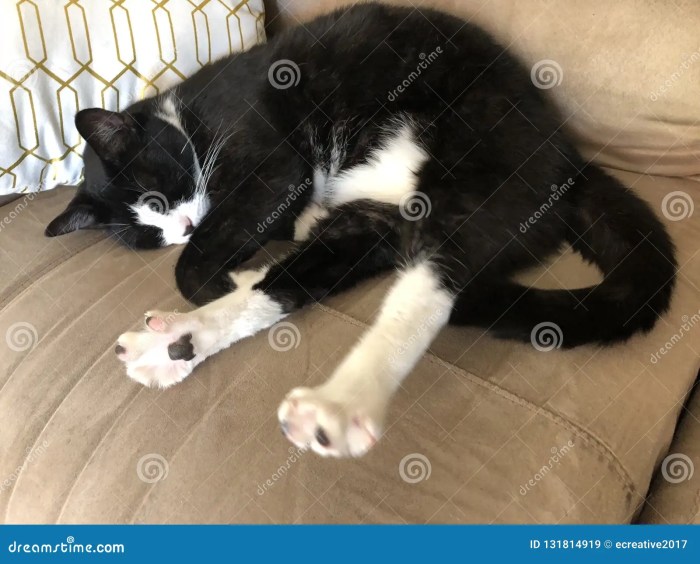
Anecdotal evidence suggests that tuxedo male cats often possess a unique personality blend – a combination of playfulness, affection, and independence. While it’s difficult to definitively link coat pattern to behavior, many owners report that their tuxedo cats are particularly intelligent, vocal, and engaging companions. It’s important to remember that individual personalities vary greatly, regardless of coat pattern.
- Playful: Many tuxedo male cats are known for their energetic and playful nature, enjoying interactive toys and games.
- Affectionate: They often form strong bonds with their owners, seeking out attention and affection.
- Independent: While affectionate, they also appreciate their alone time and can be content entertaining themselves.
- Vocal: Tuxedo cats are often described as being quite vocal, communicating their needs and desires through meows and chirps.
While scientific studies directly linking coat pattern to behavior are limited, some researchers theorize that the piebald spotting gene might influence brain development, potentially affecting personality traits. However, further research is needed to confirm this connection. Ultimately, a cat’s personality is shaped by a complex interplay of genetics, environment, and individual experiences.
“Jasper, my tuxedo male, is a whirlwind of energy! He’ll spend hours chasing laser pointers, then curl up on my lap for a nap. He’s definitely got a mind of his own, but he’s also the most affectionate cat I’ve ever known. He greets me at the door every evening with a loud meow and a head-butt – it’s the best part of my day.”
Sarah M.
Grooming and Care Considerations
Grooming a tuxedo male cat requires a bit of extra attention, particularly around the white markings, which are prone to staining from food, water, and dirt. Regular grooming helps maintain a healthy coat and prevent matting.
- Brushing: Brush your tuxedo cat several times a week with a soft-bristled brush to remove loose fur and distribute natural oils.
- Wiping: Gently wipe the white markings with a damp cloth after meals to prevent staining.
- Nail Trimming: Trim your cat’s nails every 2-3 weeks to prevent overgrowth and injury.
- Ear Cleaning: Clean your cat’s ears regularly with a veterinarian-approved ear cleaning solution to prevent infections.
- Diet: Feed your tuxedo cat a high-quality diet appropriate for their age and activity level.
- Exercise: Provide plenty of opportunities for exercise and play to keep your cat physically and mentally stimulated.
Health Concerns Specific to Tuxedo Cats (or Associated Breeds)
While tuxedo cats themselves don’t have unique health concerns, breeds commonly exhibiting the tuxedo pattern, such as Maine Coons and British Shorthairs, are predisposed to certain health issues. Regular veterinary checkups and screenings are crucial for early detection and management of these conditions.
| Health Concern | Preventative Measures |
|---|---|
| Hypertrophic Cardiomyopathy (HCM) | Regular cardiac screenings (echocardiograms), genetic testing (if available). |
| Polycystic Kidney Disease (PKD) | Genetic testing, regular kidney function tests. |
| Hip Dysplasia | Maintain a healthy weight, provide appropriate exercise. |
Early detection and preventative measures can significantly improve the health and longevity of tuxedo male cats. Consult with your veterinarian to develop a personalized health plan for your cat.
Historical and Cultural Significance
Tuxedo cats have appeared in art, literature, and popular culture throughout history, often symbolizing elegance, intelligence, and a touch of mystery. Their distinctive appearance has made them a favorite subject for artists and writers.
| Year/Era | Notable Appearance/Association |
|---|---|
| 19th Century | Early depictions in Victorian-era paintings and illustrations. |
| Early 20th Century | Popularity as house pets among the upper class. |
| Mid-20th Century | Featured in cartoons and comic strips, often portrayed as intelligent and mischievous characters. |
| Modern Era | Widespread popularity on social media, with numerous tuxedo cat accounts gaining large followings. |
Illustrative Descriptions for Visualizations
Imagine a tuxedo male cat lounging in a sunbeam, his black fur gleaming against the bright light, while his white chest and paws provide a striking contrast. The texture of his coat is soft and plush, inviting a gentle touch. His relaxed posture exudes contentment and tranquility.
Picture a tuxedo male cat playfully batting at a toy, his agile body twisting and turning with effortless grace. The gleam in his eyes reflects his excitement and focus, as he pounces with precision and enthusiasm. The dynamic movement of his body showcases his athleticism and energy.
Envision a tuxedo male cat curled up asleep, his fur radiating warmth and softness. The peaceful expression on his face conveys a sense of serenity and trust. The overall scene evokes a feeling of tranquility and comfort.
Naming Conventions for Tuxedo Male Cats
Choosing a name for your tuxedo male cat can be a fun and rewarding experience. Here’s a list of potential names, categorized by style:
| Name | Style |
|---|---|
| Jasper | Classic |
| Felix | Classic |
| Onyx | Sophisticated |
| Shadow | Mysterious |
| Patches | Playful |
| Domino | Playful |
| Charlie | Friendly |
| Oliver | Classic |
| Sebastian | Sophisticated |
| Bandit | Mischievous |
| Ziggy | Unique |
| Phantom | Mysterious |
| Duke | Regal |
| Monty | Friendly |
| Finn | Modern |
| Rocco | Strong |
| Sterling | Elegant |
| Beau | Charming |
| Jett | Modern |
| Ace | Playful |
Tuxedo Cat Variations and Rare Patterns
Beyond the classic tuxedo pattern, variations exist that add even more intrigue to these already captivating cats. One such variation is the “tuxedo tabby,” where subtle tabby markings are visible within the black areas of the coat. The combination of the tuxedo pattern with tabby stripes creates a unique and visually appealing effect.
While less common, tuxedo cats can also exhibit non-standard eye colors, such as blue or green. These variations add to the individuality of each cat and make them even more special.
[Flowchart illustrating the different possible combinations of colors and patterns within the tuxedo designation would be placed here. Due to the limitations of this format, a textual description is provided: Start with “Tuxedo Cat?”. Branch to “Black & White?”. If yes, further branch to “Classic?”, “Extreme?”, “British?”. If no, branch to “Black & Grey?”.
Then, consider “Tabby Markings within Black?”. If yes, “Tuxedo Tabby”. If no, “Solid Color”. Finally, consider “Eye Color: Blue/Green?”. If yes, “Rare Variation”.
If no, “Standard Eye Color”.]
The Tuxedo Cat and Human Interaction
The perceived appeal of tuxedo cats to humans is undeniable. Their striking appearance, combined with their often-endearing personalities, makes them highly sought-after companions. The contrast between the black and white fur creates a visually pleasing aesthetic, while their intelligence and playfulness make them engaging and entertaining pets.
Many owners describe a unique bond with their tuxedo cats, characterized by mutual affection and understanding. These cats often seem to possess a certain level of awareness and empathy, making them particularly attuned to their owners’ emotions.
Petting a tuxedo cat is a sensory experience. The fur is incredibly soft and plush, inviting a gentle caress. The warmth of their body radiates comfort and security. The rhythmic purr vibrates through your hand, creating a feeling of profound relaxation and connection.
End of Discussion
From their historical appearances in art and literature to the joy of a soft, warm cuddle, the tuxedo male cat holds a special place in our hearts. Understanding their unique needs, from grooming to potential health concerns, allows us to provide the best possible care and strengthen the bond we share. Ultimately, the tuxedo cat is more than just a beautiful face; it’s a companion full of personality, charm, and a touch of timeless elegance.
Quick FAQs
Why are tuxedo cats often described as having “human-like” expressions?
The arrangement of their black and white markings around their eyes and mouths can create the illusion of facial expressions, leading many owners to believe their tuxedo cats are communicating complex emotions.
Do tuxedo cats have a specific personality type?
While anecdotal evidence suggests tuxedo cats are often playful, affectionate, and intelligent, there’s no definitive scientific proof linking coat pattern to personality. Individual personalities vary greatly, regardless of markings.
What’s a “tuxedo tabby”?
A tuxedo tabby is a tuxedo cat where the black areas of their coat display tabby markings (stripes, swirls, or spots). It’s a less common but beautiful variation of the tuxedo pattern.
Are tuxedo cats prone to any specific health problems?
Tuxedo markings themselves don’t directly cause health problems. However, breeds commonly exhibiting tuxedo patterns (like Maine Coons) can be predisposed to certain conditions like hypertrophic cardiomyopathy (HCM). Regular vet checkups are crucial.
What’s the best way to prevent staining on a tuxedo cat’s white fur?
Regular grooming with a damp cloth can help prevent staining. Wiping around the mouth and paws after meals is particularly important. Some owners also use enzymatic cleaners to tackle stubborn stains.
What are some good names for a tuxedo male cat?
Classic names like Charlie, Jasper, or Winston work well. Playful options include Oreo, Domino, or Buttons. Sophisticated choices include Beau, Sterling, or Fitzwilliam.
How can I tell if my cat has a “classic” or “extreme” tuxedo pattern?
A classic tuxedo has a well-defined black “tuxedo” shape on the body, with a white chest and paws. An extreme tuxedo has a larger area of white, often extending up the face and neck, creating a more dramatic contrast.

