We all want the best for our feline friends, and sometimes they need a little extra help staying hydrated. Unflavored Pedialyte, a familiar name for human infants, has become a topic of discussion among cat owners seeking a quick and accessible way to rehydrate their kittens. But is it truly safe and effective? This guide dives into the details of using unflavored Pedialyte for kittens, exploring its composition, appropriate uses, potential risks, and safer alternatives, all to help you make informed decisions about your kitten’s health.
Dehydration in kittens can stem from various issues, from simple vomiting to more serious conditions. Understanding when and how to offer Pedialyte, alongside recognizing the signs of dehydration, is crucial. We’ll break down the science behind electrolytes, discuss proper administration techniques, and highlight when a vet visit is absolutely necessary. Let’s explore how to help your kitten get the fluids they need.
Unflavored Pedialyte for Kittens: A Guide for Concerned Owners
Seeing your kitten unwell is incredibly stressful. Dehydration can creep up quickly in these tiny creatures, and you’re likely searching for ways to help. You might have heard about using unflavored Pedialyte, a common electrolyte solution for human infants, to rehydrate kittens. But is it safe? And when is it appropriate?
This guide will walk you through everything you need to know about using unflavored Pedialyte for kittens, from its nutritional composition to potential risks and alternatives, empowering you to make informed decisions for your furry friend’s health. We’ll break down the science, the practical steps, and when it’s absolutely crucial to involve your veterinarian.
Nutritional Composition of Unflavored Pedialyte
Unflavored Pedialyte is primarily designed to replenish electrolytes lost due to vomiting, diarrhea, or insufficient fluid intake in human infants. It’s a solution containing water, dextrose (a type of sugar), and electrolytes like sodium, potassium, and chloride. Understanding these components and their roles is key to assessing its suitability for kittens. Sodium helps regulate fluid balance and nerve function. Potassium is vital for muscle contractions and heart health.
Chloride contributes to electrolyte balance and digestion. While these electrolytes are essential for all animals, including kittens, the concentration and overall formulation of Pedialyte aren’t perfectly tailored for feline physiology.
The sugar content in Pedialyte, primarily dextrose, is a point of concern. While a small amount of sugar can aid in electrolyte absorption, excessive sugar can be problematic, especially for kittens with underlying health conditions like diabetes or those prone to urinary tract issues. Furthermore, the relatively high sugar content can disrupt the delicate balance of gut bacteria in some kittens.
Compared to feline-specific rehydration solutions, Pedialyte’s electrolyte profile differs. Feline solutions are often formulated with lower sugar content and a more precise balance of electrolytes optimized for a cat’s needs. Here’s a comparison:
| Component | Pedialyte Amount (per 250ml) | Feline Rehydration Solution Amount (per 250ml – varies by brand) |
|---|---|---|
| Sodium (mEq) | 50 | 30-45 |
| Potassium (mEq) | 5 | 2-4 |
| Chloride (mEq) | 65 | 40-55 |
| Dextrose (g) | 25 | 10-15 |
Beyond electrolytes and sugar, Pedialyte contains ingredients like citric acid (for flavor and preservation) and sodium citrate (a buffer). While generally considered safe in small amounts, these additives could potentially cause mild gastrointestinal upset in sensitive kittens. Always read the ingredient list carefully.
When to Offer Unflavored Pedialyte to Kittens
Kittens are particularly vulnerable to dehydration due to their small size and higher metabolic rate. Several situations can lead to fluid loss and necessitate supplemental hydration. These include vomiting, diarrhea (which can be caused by parasites, infections, or dietary indiscretion), refusing to drink (often a sign of illness or stress), and heatstroke. Even mild dehydration can impact a kitten’s overall health and well-being.
Recognizing the signs of dehydration is crucial for timely intervention. Here are some observable symptoms to watch for:
- Lethargy: A noticeable decrease in energy and activity levels.
- Sunken Eyes: The eyes appear dull and recessed into the sockets.
- Dry Nose and Gums: The nose and gums feel dry and sticky instead of moist.
- Skin Tenting: Gently pinch the skin on the back of the neck. If it doesn’t snap back immediately, it indicates dehydration.
- Decreased Urination: Fewer wet litter box visits or unusually dark urine.
- Loss of Appetite: Refusal to eat or a significant decrease in food intake.
- Rapid Breathing: An increased respiratory rate, often accompanied by shallow breaths.
Dehydration is categorized into mild, moderate, and severe stages. Mild dehydration (5-6% fluid loss) might be addressed with increased water intake and monitoring. Moderate dehydration (6-9% fluid loss) often requires supplemental fluids like Pedialyte, administered carefully. Severe dehydration (over 9% fluid loss) is a medical emergency and necessitates immediate veterinary intervention, typically involving intravenous fluids.
Here’s a flowchart to guide your decision-making process:
- Is my kitten showing signs of dehydration? (Lethargy, sunken eyes, dry gums, etc.)
- If yes: Assess the severity. Mild? Moderate? Severe?
- Mild Dehydration: Encourage drinking. Offer fresh water frequently. Monitor closely.
- Moderate Dehydration: Consider offering unflavored Pedialyte (see dosage guidelines below).
- Severe Dehydration: IMMEDIATELY contact your veterinarian. This requires professional treatment.
- After offering Pedialyte: Monitor for improvement. If no improvement or worsening, contact your veterinarian.
Proper Administration Techniques
Dosage of unflavored Pedialyte for kittens varies based on their weight. Here’s a general guideline:
- Kittens weighing 1-3 pounds: 1-2 teaspoons (5-10 ml) every 2-3 hours.
- Kittens weighing 3-5 pounds: 2-3 teaspoons (10-15 ml) every 2-3 hours.
- Kittens weighing 5+ pounds: 3-5 teaspoons (15-25 ml) every 2-3 hours.
Several administration methods can be used. Syringe feeding is often the most effective, especially for kittens who are reluctant to drink. Offering Pedialyte in a shallow dish is an option if the kitten is willing to drink on its own. Mixing a small amount (1-2 teaspoons) with wet food can also encourage fluid intake, but ensure the kitten consumes the mixture.
To prevent aspiration (fluid entering the lungs) during syringe feeding, follow these steps:
- Hold the kitten in a natural, upright position.
- Gently insert the syringe into the side of the mouth, not directly down the throat.
- Administer the fluid slowly, allowing the kitten to swallow between small amounts.
- Observe the kitten closely for any signs of coughing or choking.
- If the kitten resists or shows signs of distress, stop and try again later.
Warming the Pedialyte slightly to body temperature (around 100°F or 38°C) can make it more palatable and comfortable for the kitten to consume. Never microwave Pedialyte, as this can create hot spots.
Potential Risks and Side Effects
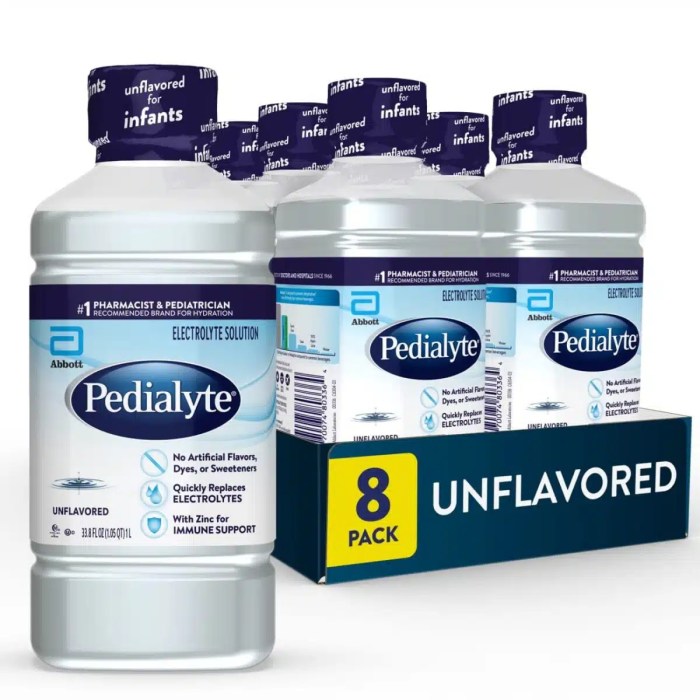
Source: daymoms.com
While generally considered safe when used appropriately, unflavored Pedialyte can have potential adverse reactions in kittens. Diarrhea and vomiting are the most common side effects, potentially worsening dehydration. Electrolyte imbalances are also a risk, particularly if Pedialyte is administered in excessive amounts or to kittens with underlying kidney issues. Overhydration, though less common, can lead to swelling, lethargy, and even neurological problems.
It’s absolutely crucial to consult your veterinarian before administering Pedialyte, especially if your kitten has any pre-existing conditions, such as kidney disease, diabetes, or heart problems. They can assess the kitten’s overall health and recommend the appropriate course of action.
If your kitten exhibits adverse reactions after consuming Pedialyte (e.g., persistent vomiting, diarrhea, lethargy, swelling), discontinue use immediately and contact your veterinarian.
Alternatives to Unflavored Pedialyte
Several commercially available feline rehydration solutions offer a more tailored approach to electrolyte replenishment. These solutions are specifically formulated for cats and often contain a more balanced electrolyte profile and lower sugar content than Pedialyte. Homemade rehydration solutions, such as those using unflavored gelatin and water, can also be considered, but require careful preparation and veterinary guidance.
| Product Name | Key Ingredients | Pros | Cons |
|---|---|---|---|
| GlycoPet Electrolyte Gel | Electrolytes, Gelatin, Honey | Palatable gel form, easy to administer, good electrolyte balance. | Can be messy, honey may not be suitable for all kittens. |
| VetriScience Electrolyte & Buffer Powder | Sodium, Potassium, Chloride, Citrate | Powder form allows for easy mixing, buffered to help stabilize pH. | Requires mixing, taste may not be appealing to all kittens. |
| Tomlyn Electrolyte Cat Supplement | Sodium, Potassium, Chloride, Dextrose | Liquid form, readily available, palatable for many cats. | Contains dextrose (sugar), may not be ideal for kittens with diabetes. |
| ProBalance | Electrolytes, Amino Acids | Specifically formulated for cats, contains amino acids for added support. | Can be more expensive than other options. |
Homemade solutions, while potentially cost-effective, require precise measurements and careful preparation to ensure they provide the correct electrolyte balance. Always discuss homemade solutions with your veterinarian before use.
Long-Term Hydration Strategies
Providing fresh, clean water at all times is the cornerstone of maintaining proper hydration in kittens. Ensure water bowls are clean and accessible in multiple locations throughout the house.
Encouraging a kitten to drink more water can be achieved through various methods. A circulating water fountain can be more appealing than a static bowl. Adding a small amount of low-sodium chicken or tuna broth (ensure it’s onion and garlic-free!) can also entice a kitten to drink. Always consult your veterinarian before adding flavorings to your kitten’s water.
Wet food plays a significant role in hydration, as it contains a much higher moisture content than dry kibble. Incorporating wet food into your kitten’s diet is an excellent way to supplement their fluid intake.
Here are six tips for encouraging water intake in kittens:
- Place multiple water bowls around the house.
- Use a circulating water fountain.
- Add a small amount of low-sodium, onion-free broth to the water.
- Offer wet food as part of their diet.
- Ensure water bowls are clean and fresh daily.
- Try different types of bowls (ceramic, stainless steel, glass) to see which your kitten prefers.
Specific Kitten Populations & Considerations
Orphaned kittens or those experiencing failure to thrive often require supplemental hydration and nutrition. Unflavored Pedialyte can be a valuable tool in these situations, but it should be administered carefully and under veterinary guidance. Frequent, small feedings are crucial for these vulnerable kittens.
Kittens with kidney disease require careful monitoring of electrolyte levels. Administering Pedialyte to these kittens can potentially exacerbate electrolyte imbalances. Always consult your veterinarian before using Pedialyte in kittens with kidney disease.
Very young kittens (under 4 weeks old) have delicate digestive systems and are more susceptible to adverse reactions. Dosage adjustments and frequent, small feedings are essential for these kittens. A veterinarian experienced in neonatal care should be consulted.
| Age Group | Dosage | Administration Method | Special Considerations |
|---|---|---|---|
| 0-2 weeks | 1-2 ml every 2-3 hours | Syringe feeding | Requires very frequent feedings, monitor closely for aspiration. Veterinary guidance essential. |
| 2-4 weeks | 2-3 ml every 2-3 hours | Syringe feeding | Gradually introduce wet food alongside Pedialyte. |
| 4-8 weeks | 3-5 ml every 2-3 hours | Syringe feeding or shallow dish | Increase wet food portion. |
| 8+ weeks | 5-10 ml every 2-3 hours | Shallow dish or mixing with wet food | Monitor water intake and adjust food accordingly. |
Conclusion
Ultimately, while unflavored Pedialyte can be a helpful tool in certain situations, it’s not a substitute for professional veterinary care. Knowing when to offer it, how to administer it safely, and understanding its limitations are key to ensuring your kitten’s well-being. From recognizing dehydration symptoms to exploring alternative rehydration solutions, this guide provides a foundation for making informed decisions.
Remember, always consult your veterinarian for personalized advice and to address any underlying health concerns affecting your kitten’s hydration.
Prioritizing fresh water and a balanced diet remains the cornerstone of feline hydration. By combining these practices with a cautious approach to supplemental hydration like Pedialyte, you can help your kitten thrive and enjoy a long, healthy life.
FAQ Explained
Can I use flavored Pedialyte for my kitten?
No, flavored Pedialyte is not recommended. The added sugars and artificial ingredients can be harmful to kittens, especially those with underlying health conditions. Stick to the unflavored version.
How much Pedialyte should I give a kitten?
Dosage varies based on weight. Generally, kittens weighing 1-3 pounds can receive 1-2 teaspoons every 2-4 hours. Kittens 3-5 pounds can receive 2-3 teaspoons every 2-4 hours. Always consult your vet for precise guidance.
What if my kitten refuses to drink Pedialyte?
Try offering it in a shallow dish, mixing it with a small amount of wet food, or using a syringe (carefully!). Warming it slightly can also make it more appealing.
Is it okay to give Pedialyte to a kitten with diarrhea?
Pedialyte can help replace lost fluids and electrolytes, but diarrhea can be a symptom of a more serious condition. Consult your vet to determine the underlying cause and appropriate treatment.
How can I tell if my kitten is dehydrated?
Signs include sunken eyes, dry gums, decreased skin elasticity (when you gently pinch the skin, it doesn’t snap back quickly), lethargy, loss of appetite, and decreased urination.
What’s the difference between mild, moderate, and severe dehydration?
Mild dehydration shows subtle signs like slightly sunken eyes. Moderate dehydration involves more pronounced symptoms like dry gums and decreased skin elasticity. Severe dehydration is a medical emergency with signs like extreme lethargy and very little urination, requiring immediate veterinary attention.
Can Pedialyte cause diarrhea in kittens?
Yes, in some cases, Pedialyte can cause diarrhea, especially if given in excess. Monitor your kitten closely after administration.

