The Van Kedisi, with its captivating white coat and mesmerizing eye colors, is a truly unique and sought-after cat breed. Originating from the picturesque Van region of Turkey, these felines have a rich history intertwined with local communities and are known for their playful, affectionate nature. But owning one of these beauties comes with a significant investment – the van kedisi price can vary widely.
This guide dives deep into all the factors influencing that price, from breeder reputation to geographic location, ensuring you’re well-informed before bringing a Van Kedisi into your home.
We’ll explore the breed’s fascinating background, detailing its physical characteristics and the historical significance it holds. Beyond just the initial purchase, we’ll also break down the ongoing costs of caring for a Van Kedisi, helping you budget for a happy and healthy feline companion. Whether you’re a seasoned cat enthusiast or a first-time owner, this comprehensive look at the van kedisi price will equip you with the knowledge you need to make an informed decision.
Introduction to Van Kedisi Cats
The Van Kedisi, a breed steeped in history and renowned for its striking appearance, holds a special place in the feline world. Originating from the Lake Van region of Turkey, these cats have captivated people for centuries with their unique characteristics and gentle nature. Understanding the breed’s background, physical traits, and historical significance is crucial to appreciating the factors that influence their price.The history of the Van Kedisi is intertwined with the local communities surrounding Lake Van.
Legends speak of these cats swimming alongside Noah’s Ark, surviving the flood and finding refuge on the slopes of Mount Ararat. While folklore, this tale highlights the breed’s long association with the region and its perceived resilience. Historically, Van Kedisi cats were valued for their ability to swim and retrieve waterfowl for local fishermen. Their water-repellent coat, a key characteristic, allowed them to thrive in the cold, wet climate of the region.
They were often found in homes and monasteries, considered good luck and cherished companions. The breed’s popularity began to spread internationally in the 1950s, with the first cats being brought to the United States and Europe. Recognition by major cat registries followed, solidifying the Van Kedisi’s status as a distinct and desirable breed.Physically, the Van Kedisi is a semi-longhaired cat with a distinctive appearance.
Their most notable feature is their water-repellent coat, which feels more like cashmere than traditional cat fur. This unique texture is due to a lack of a topcoat, allowing the undercoat to remain dry even when wet. Coloration is typically white with distinctive markings – often black, grey, or cream – on the head and tail. Eye color varies, with some cats possessing blue eyes, others gold, and some exhibiting a captivating odd-eye pattern (one blue eye and one gold eye).
They have a muscular, medium-sized body with long legs and a flowing tail. Adult Van Kedisi cats typically weigh between 8 and 14 pounds, exhibiting an elegant and graceful posture.Stories abound of the Van Kedisi’s historical relationship with local communities. Fishermen would rely on them to retrieve lost nets and even swim alongside them in the lake. Monks in the region kept them in their monasteries, appreciating their playful nature and companionship.
These cats were not just pets; they were integral members of the community, contributing to daily life and considered symbols of good fortune.
Factors Influencing Van Kedisi Price
The price of a Van Kedisi kitten isn’t a simple matter. Several factors contribute to the overall cost, ranging from the breeder’s expertise to the kitten’s lineage and health. Understanding these influences is essential for prospective owners.The reputation and experience of the breeder play a significant role in determining the price of a Van Kedisi kitten. Breeders with a long history of producing healthy, well-socialized kittens, and who are actively involved in breed preservation efforts, typically command higher prices.
Their expertise in genetics, health screening, and kitten socialization translates to a higher quality kitten, justifying the increased cost. Established breeders often have waiting lists and a strong track record of producing award-winning cats.Lineage and pedigree certification are also key determinants of price. Kittens from champion bloodlines, with documented pedigrees tracing back to renowned Van Kedisi ancestors, are considerably more expensive.
Pedigree certification provides assurance of the kitten’s purebred status and potential for exhibiting desirable traits. This is particularly important for those interested in showing their cat or breeding.Responsible breeding is an expensive undertaking. Breeders incur significant costs related to veterinary care, including vaccinations, deworming, and health screenings. High-quality nutrition is essential for healthy kitten development, and this can be a substantial expense.
Furthermore, proper socialization requires dedicated time and effort, ensuring kittens are well-adjusted and comfortable in various environments. These costs are factored into the kitten’s price.Show-quality Van Kedisi kittens, those meeting the breed standard and suitable for competition, typically command a higher price than pet-quality kittens. Show-quality kittens possess exceptional physical characteristics and temperament, making them highly sought after by breeders and enthusiasts.
Pet-quality kittens, while still wonderful companions, may have minor imperfections that disqualify them from showing.
Geographic Price Variations
The price of a Van Kedisi can vary significantly depending on the geographic location. This is due to a combination of factors, including availability, import regulations, and local demand.| Country | Average Price Range (USD) | Notes ||—|—|—|| United States | $1,500 – $4,000+ | High demand, reputable breeders often have waiting lists. || United Kingdom | £1,200 – £3,500 | Import regulations can increase costs.
|| Turkey | $800 – $2,000 | Generally lower prices due to local availability, but export can be complex. || Canada | $1,800 – $3,800 | Similar to the US, with import considerations. || Australia | $2,000 – $5,000+ | High import costs and limited breeders contribute to higher prices. |The United States generally has a higher price range due to high demand and a relatively limited number of reputable breeders.
The United Kingdom sees prices influenced by import regulations and shipping costs. Turkey, being the breed’s origin, often has lower prices, but exporting a Van Kedisi can be a complex and costly process. Australia experiences the highest prices due to significant import duties and a scarcity of breeders.Import duties, shipping costs, and local demand all contribute to price differences. Import duties can add a substantial percentage to the kitten’s price, while shipping costs cover transportation, quarantine (if required), and veterinary checks.
Local demand, driven by the breed’s popularity and availability, also plays a crucial role in determining price.
Age and Development Stage
The price of a Van Kedisi cat fluctuates based on its age and developmental stage. Kittens, adolescents, adults, and senior cats all command different price points.Kittens (typically 8-12 weeks old) generally command the highest price. This is because they are the most desirable age for adoption, being playful, adaptable, and easier to socialize. Breeders invest significant time and resources in raising kittens, and the price reflects this investment.Adolescent cats (around 6-12 months old) may be slightly less expensive than kittens, as their initial socialization period is largely complete.
Adult cats (1-7 years old) often see a further price reduction, although well-bred adults from reputable lines can still command a respectable price.Older Van Kedisi cats needing rehoming, often due to unforeseen circumstances for their owners, may be available at a reduced price or even for adoption fees. These cats can make wonderful companions and offer a chance to provide a loving home to a deserving animal.
Health and Genetic Testing
Health screenings and genetic testing are paramount for responsible Van Kedisi breeders. These practices ensure the health and well-being of the breed and help prevent the transmission of genetic diseases.Commonly tested genetic conditions in Van Kedisi populations include hypertrophic cardiomyopathy (HCM), a heart condition, and polycystic kidney disease (PKD), a kidney disease. Breeders often conduct DNA testing to screen for these conditions and avoid breeding affected cats.The presence of health guarantees or certifications, such as a health certificate from a veterinarian and a genetic testing report, significantly affects the price.
These guarantees provide assurance to buyers that the kitten has been thoroughly examined and screened for potential health issues.| Test Name | Description | Approximate Cost (USD) ||—|—|—|| HCM DNA Test | Screens for genetic markers associated with hypertrophic cardiomyopathy. | $150 – $250 || PKD DNA Test | Screens for genetic markers associated with polycystic kidney disease. | $120 – $200 || Complete Blood Count (CBC) | Evaluates red and white blood cell counts, providing insights into overall health.
| $80 – $150 || Chemistry Panel | Assesses organ function and identifies potential metabolic abnormalities. | $100 – $200 || Ophthalmologist Exam | Examines the eyes for any abnormalities or inherited eye diseases. | $150 – $300 |
Acquisition Methods & Associated Costs
The path to acquiring a Van Kedisi and the associated costs vary depending on the acquisition method.Purchasing a Van Kedisi from a reputable breeder is generally the most expensive option, but it offers the greatest assurance of health, temperament, and lineage. Reputable breeders prioritize the well-being of their cats and kittens, providing thorough health screenings and socialization.Adopting from a rescue organization is a more affordable option and provides a loving home to a cat in need.
Adoption fees typically range from $100 to $500 and often include initial vaccinations and spaying/neutering. A veterinary checkup is also recommended after adoption.Private rehoming, where an individual is rehoming their Van Kedisi, can offer a middle ground in terms of price. The price in these situations is influenced by factors such as the cat’s age, health, and the rehoming individual’s circumstances.[Flowchart: Start -> Reputable Breeder (High Cost, Health Guarantees) -> Rescue Organization (Moderate Cost, Adoption Fee) -> Private Rehoming (Variable Cost, Dependent on Circumstances) -> End]
Ongoing Expenses Beyond Initial Purchase
Owning a Van Kedisi involves ongoing expenses beyond the initial purchase price. These recurring costs contribute significantly to the overall cost of pet ownership.Recurring costs include food, litter, grooming, and veterinary care. High-quality cat food is essential for maintaining a Van Kedisi’s health and energy levels. Regular grooming is necessary to prevent matting and keep their coat looking its best.
Veterinary care, including annual checkups and vaccinations, is crucial for preventative health.Estimated annual expenses for a Van Kedisi are as follows: Food ($500 – $1,000), Vet ($200 – $500), Litter ($200 – $400), Toys & Enrichment ($100 – $300), Grooming ($50 – $200).Unexpected veterinary expenses can arise due to illness or injury. Pet insurance can help mitigate these costs by covering a portion of veterinary bills.
Visual Representation of Van Kedisi Characteristics
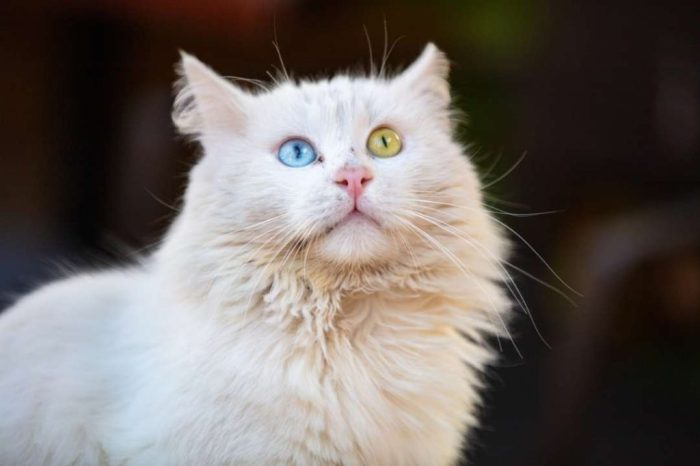
Source: papyonveteriner.com
Imagine a Van Kedisi kitten playfully batting at a snowflake in a snowy landscape. Its thick, water-repellent coat appears dry and fluffy, contrasting beautifully with the white snow. The kitten’s movements are agile and energetic, showcasing its playful demeanor. Its eyes, a striking shade of blue, sparkle with curiosity and delight.Picture a portrait of an adult Van Kedisi, seated regally on a plush cushion.
Its long, flowing fur is pristine white, and its eyes are a captivating gold, radiating intelligence and grace. The cat’s posture is elegant and confident, reflecting its inherent dignity.Envision a Van Kedisi gently interacting with children, rubbing against their legs and purring contentedly. The cat’s affectionate nature is evident in its relaxed posture and gentle demeanor, creating a heartwarming scene of companionship and trust.
Legal and Ethical Considerations
Verifying breeder legitimacy and avoiding unethical breeding practices is crucial. Reputable breeders prioritize the health and well-being of their cats and kittens, adhering to ethical breeding standards.Legal requirements for owning and importing a Van Kedisi vary by region. Some countries may require specific health certificates or quarantine periods. It’s essential to research and comply with all applicable regulations.Purchasing a Van Kedisi from an unknown source carries potential risks, including health problems, genetic defects, and poor socialization.
Thoroughly research the breeder or rehoming individual before making a purchase.
Comparing Van Kedisi to Similar Breeds
The price of a Van Kedisi is often compared to that of other white or semi-longhaired cat breeds, such as the Turkish Angora and the Siberian.| Breed | Average Price Range (USD) | Key Characteristics | Notes ||—|—|—|—|| Van Kedisi | $1,500 – $4,000+ | Water-repellent coat, striking eye color variations, playful personality. | Considered rarer than other breeds. || Turkish Angora | $800 – $2,500 | Silky, semi-longhaired coat, elegant appearance, intelligent and active.
| More readily available than Van Kedisi. || Siberian | $1,000 – $3,000 | Dense, water-repellent coat, hypoallergenic qualities, affectionate and playful. | Popular breed with a growing demand. |The Van Kedisi’s unique water-repellent coat and historical significance justify its higher price point compared to other breeds. Its rarity and the dedication required to breed healthy, well-socialized Van Kedisi kittens further contribute to its value.
Conclusive Thoughts
From the breeder’s expertise and pedigree certifications to the impact of import duties and health testing, the van kedisi price is a complex equation. We’ve explored the various avenues for acquiring one of these stunning cats, highlighting the importance of ethical breeders and responsible adoption. Ultimately, owning a Van Kedisi is a commitment – a commitment to providing a loving home, quality care, and a lifetime of joy.
Understanding the financial aspects involved is a crucial first step in ensuring a rewarding and fulfilling relationship with this remarkable breed.
So, whether you’re dreaming of a playful kitten or considering rehoming an older Van Kedisi, we hope this guide has shed light on the factors that contribute to their value and helped you navigate the process with confidence.
FAQ Resource
What’s the average lifespan of a Van Kedisi?
Van Kedisis typically live between 12 and 18 years with proper care and a healthy diet.
Do Van Kedisis require a lot of grooming?
While their coat is long, it’s surprisingly low-maintenance. Weekly brushing is usually sufficient to prevent mats and tangles.
Are Van Kedisis good with children and other pets?
Generally, yes! They are known for their gentle and affectionate nature, often getting along well with children and other animals, especially when socialized early.
What is hypertrophic cardiomyopathy (HCM) and why is it important for Van Kedisis?
HCM is a heart condition common in some cat breeds. Genetic testing can help identify carriers, allowing breeders to make informed decisions and minimize the risk of affected kittens.
What are the legal requirements for importing a Van Kedisi into my country?
Import regulations vary significantly. You’ll need to research your country’s specific requirements, which may include health certificates, vaccinations, and quarantine periods.
What’s the difference between a “show-quality” and “pet-quality” Van Kedisi?
Show-quality cats meet specific breed standards and are suitable for cat shows. Pet-quality cats are equally wonderful companions but may have minor imperfections that don’t meet show standards.
Can I find Van Kedisi kittens in shelters or rescues?
It’s rare, but not impossible! Keep an eye on local shelters and rescue organizations, as occasionally a Van Kedisi or a similar-looking cat may become available for adoption.

