Ever wondered if you could truly tailor your cat’s diet to their specific needs? It’s becoming increasingly popular for cat owners to explore homemade options, and for good reason! Providing your feline companion with the right nutrition is absolutely vital for their overall health, longevity, and happiness. But navigating the world of cat food ingredients and recipes can feel overwhelming.
This guide dives deep into vet approved cat food recipes, covering everything from essential nutrients to delicious, safe recipes you can create at home, ensuring your kitty gets the best possible nourishment.
We’ll break down the nutritional differences between kittens, adults, and seniors, highlight ingredients to look for (and avoid!), and provide detailed recipes with clear instructions. Plus, we’ll address common concerns like allergies, kidney disease, and weight management, so you can confidently create a diet that supports your cat’s unique health profile. It’s not just about throwing some chicken and rice together; it’s about understanding the science behind feline nutrition and crafting meals that truly benefit your beloved cat.
The Importance of Nutrition for Cats
Source: petscrazies.com
Proper nutrition is the bedrock of a cat’s health and longevity. Unlike humans, cats are obligate carnivores, meaning their bodies are specifically designed to thrive on a diet primarily composed of animal protein. Failing to meet their nutritional needs can lead to a range of health problems, from dull coats and weakened immune systems to serious conditions like kidney disease and heart failure.
Understanding their unique dietary requirements is the first step towards ensuring a happy and healthy feline companion.Different life stages demand different nutritional approaches. Kittens, rapidly growing and developing, require a diet rich in calories, protein, and essential nutrients to support bone growth and organ development. Adult cats need a balanced diet to maintain their weight and overall health, while senior cats often benefit from diets lower in calories and higher in fiber to aid digestion and manage age-related conditions.Unfortunately, dietary deficiencies are surprisingly common in cats.
Taurine deficiency, for example, can lead to blindness and heart problems. Insufficient arginine can cause neurological issues. These deficiencies highlight the importance of providing a complete and balanced diet, whether commercially prepared or homemade, always under veterinary guidance.
Understanding Ingredients: What to Look For (and Avoid)
Choosing the right cat food can feel overwhelming, with countless brands and ingredients vying for your attention. It’s crucial to understand what constitutes a healthy ingredient and what to avoid. Let’s break down the essentials.Essential amino acids, particularly taurine and arginine, are vital for a cat’s health. Taurine is crucial for heart function and vision, while arginine plays a role in ammonia detoxification.
These are typically sourced from animal proteins like chicken, fish, and turkey.High-quality protein sources are the cornerstone of a cat’s diet. Chicken, fish (salmon, tuna, cod), and turkey provide the necessary building blocks for muscle development and overall health. Look for foods where these proteins are listed as the primary ingredients.Conversely, many commercial cat foods contain fillers and artificial additives that offer little nutritional value and can even be harmful.
Corn, wheat, and soy are common fillers that can trigger allergies in some cats. BHA and BHT are preservatives linked to potential health concerns.Here’s a quick reference table to help you navigate ingredient labels:
| Ingredient | Benefit | Potential Concerns |
|---|---|---|
| Chicken/Turkey/Fish | High-quality protein, essential amino acids | Potential allergies in sensitive cats |
| Taurine | Heart health, vision | Deficiency can lead to serious health problems |
| Sweet Potato | Fiber, vitamins | Should be a secondary ingredient, not the primary source of carbohydrates |
| Corn/Wheat/Soy | Filler, low nutritional value | Common allergens, potential digestive issues |
| BHA/BHT | Preservatives | Potential health concerns, avoid if possible |
Homemade Cat Food Recipes: Basic Guidelines & Safety
The allure of homemade cat food is understandable – you have complete control over the ingredients and can tailor the diet to your cat’s specific needs. However, it’s absolutely essential to proceed with caution and always consult with a veterinarian or a board-certified veterinary nutritionistbefore* making the switch. A poorly formulated homemade diet can be just as harmful as a low-quality commercial food.Calculating your cat’s daily caloric needs is a crucial first step.
A general guideline is 20-30 calories per pound of body weight for adult cats with moderate activity levels. Kittens and senior cats may require adjustments. Your vet can provide a more precise estimate based on your cat’s individual circumstances.Certain foods are toxic to cats and shouldnever* be included in their diet. These include chocolate, onions, garlic, grapes, raisins, and xylitol (an artificial sweetener).
Keep these items well out of your cat’s reach.Proper storage is vital to prevent spoilage and bacterial contamination. Homemade cat food should be refrigerated in airtight containers and used within 2-3 days. Freezing portions is a great way to extend their shelf life.
Recipe 1: Chicken & Rice Delight
This recipe provides a balanced and palatable meal for your feline friend, focusing on lean protein and easily digestible carbohydrates. Ingredients:* 2 cups cooked, boneless, skinless chicken breast (shredded)
- 1 cup cooked white rice
- 1/4 cup chopped cooked carrots
- 1 tablespoon salmon oil (for omega-3 fatty acids)
- Taurine supplement (dosage as recommended by your veterinarian)
Nutritional Benefits: Chicken provides high-quality protein, rice offers carbohydrates for energy, carrots contribute vitamins and fiber, and salmon oil supports skin and coat health. Taurine supplementation ensures adequate levels of this essential amino acid. Cooking Procedure: Thoroughly cook the chicken to an internal temperature of 165°F (74°C) to eliminate any risk of salmonella. Ensure all bones are removed. Cook the rice according to package directions.
Combine all ingredients in a bowl and mix well. Allow to cool completely before serving.
| Ingredient | Quantity | Preparation | Nutritional Value |
|---|---|---|---|
| Chicken Breast | 2 cups | Cooked, shredded, boneless, skinless | High-quality protein, taurine |
| White Rice | 1 cup | Cooked | Carbohydrates, energy |
| Carrots | 1/4 cup | Chopped, cooked | Vitamins, fiber |
| Salmon Oil | 1 tablespoon | Raw | Omega-3 fatty acids |
| Taurine Supplement | As directed by vet | Powder | Essential amino acid for heart and vision |
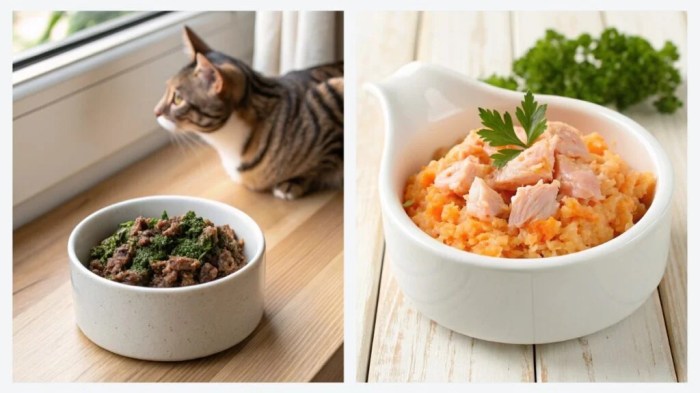
Recipe 2: Salmon & Sweet Potato Feast
This recipe is rich in omega-3 fatty acids, promoting a healthy skin and coat, as well as supporting joint health.Omega-3 fatty acids, particularly EPA and DHA, are crucial for a cat’s overall well-being. They help reduce inflammation, improve skin and coat health, and support joint function. Salmon is an excellent source of these beneficial fats.When preparing salmon, it’s essential to cook it thoroughly to eliminate any potential parasites.
Baking or steaming are preferred methods. Avoid frying, as it adds unnecessary fat.Sweet potato provides a good source of fiber and vitamins. To ensure optimal digestibility, puree the cooked sweet potato until smooth.
Recipe 3: Turkey & Green Bean Medley
This recipe combines lean protein from turkey with the fiber benefits of green beans, promoting healthy digestion.Fiber plays a vital role in promoting healthy digestion in cats. It helps regulate bowel movements and can prevent constipation. Green beans are a good source of fiber, but they must be prepared properly.To ensure green beans are palatable and easily digestible, steam or boil them until tender.
Chop them into small pieces. Avoid adding salt or seasonings.
Gradual dietary transitions are crucial to avoid digestive upset. Introduce the new food slowly, starting with a small amount mixed with the old food, and gradually increasing the proportion of the new food over a period of 7-10 days. This allows your cat’s digestive system to adjust to the new ingredients.
Supplementation: When and How to Add Vitamins & Minerals
While homemade cat food can be incredibly nutritious, it’s often necessary to supplement with vitamins and minerals to ensure a complete and balanced diet. Taurine is almost always required, as it’s not naturally synthesized by cats.Recommended dosages for common supplements vary depending on the recipe and your cat’s individual needs. Always consult with your veterinarian for personalized recommendations.Over-supplementation can be just as harmful as deficiencies.
Excessive amounts of certain vitamins and minerals can lead to toxicity. Veterinary guidance is essential to avoid this risk.
| Supplement | Benefit | Recommended Dosage |
|---|---|---|
| Taurine | Heart health, vision | 250-500mg per day (as directed by vet) |
| Vitamin E | Antioxidant, immune support | 10-20 IU per day |
| B-Complex Vitamins | Energy metabolism, nerve function | As directed by vet |
Addressing Specific Dietary Needs
Adapting recipes to accommodate your cat’s specific dietary needs is essential for their health and well-being.For cats with allergies, it’s crucial to identify the offending ingredient and eliminate it from the diet. Chicken and fish are common allergens. Consider alternative protein sources like rabbit or duck.Cats with kidney disease require a diet low in phosphorus and controlled in protein. Consult with your veterinarian or a veterinary nutritionist to formulate a recipe that meets these specific requirements.Overweight cats benefit from a diet that emphasizes portion control and low-calorie ingredients.
Lean protein sources, vegetables, and limited carbohydrates are key.Alternative protein sources for cats with sensitivities include rabbit, duck, venison, and kangaroo. These proteins are less likely to trigger allergic reactions.
Texture and Palatability: Making Homemade Food Appealing
Texture plays a significant role in a cat’s enjoyment of their food. Some cats prefer pate, while others prefer chunks or shredded meat. Adjusting the recipe accordingly can increase their appetite.Increasing palatability is often necessary to entice picky eaters. Adding a small amount of low-sodium chicken or fish broth can enhance the flavor. Warming the food slightly can also make it more appealing.Creating different textures is easy.
Puree ingredients for a pate-like consistency, chop them into small pieces for chunks, or shred the meat for a more fibrous texture.Incorporating catnip into recipes can add an extra layer of appeal. A small amount of fresh or dried catnip can stimulate their senses and encourage them to eat.
Monitoring Your Cat’s Health on a Homemade Diet
Regular monitoring is essential to ensure your cat is thriving on a homemade diet.Signs of a healthy cat include a shiny coat, bright eyes, good energy levels, and a healthy weight.Be vigilant for signs of nutritional deficiencies or imbalances, such as a dull coat, weight loss, lethargy, or digestive problems.Regular veterinary checkups and blood work are crucial for assessing your cat’s overall health and identifying any potential issues early on.
Checklist for Transitioning to a Homemade Diet:* Consult with a veterinarian or veterinary nutritionist.
- Calculate your cat’s daily caloric needs.
- Research and understand essential nutrients.
- Source high-quality ingredients.
- Prepare food safely and store it properly.
- Introduce the new food gradually.
- Monitor your cat’s health closely.
- Schedule regular veterinary checkups.
Final Thoughts
Creating vet approved cat food recipes can seem daunting at first, but the rewards – a healthier, happier cat – are well worth the effort. By understanding the importance of essential nutrients, carefully selecting ingredients, and following safe preparation guidelines, you can provide your feline friend with a customized diet that caters to their individual needs.
Remember, always consult with your veterinarian before making significant changes to your cat’s diet, and be diligent in monitoring their health for any signs of imbalance. With a little knowledge and dedication, you can become your cat’s personal chef, ensuring they thrive for years to come!
Ultimately, the journey to homemade cat food is about strengthening the bond you share with your cat while providing them with the very best nutrition. It’s a commitment to their well-being, and a delicious adventure for both of you!
FAQ Guide
Can I really make homemade cat food that’s nutritionally complete?
Yes, but it requires careful planning and often supplementation. It’s crucial to work with your vet to ensure you’re meeting all of your cat’s nutritional needs, especially for taurine, vitamins, and minerals.
What if my cat is a picky eater?
Texture and palatability are key! Try warming the food slightly, adding a little low-sodium broth, or incorporating catnip. Experiment with different textures like pate or chunks to see what your cat prefers.
How long can I store homemade cat food?
Properly stored, homemade cat food typically lasts 2-3 days in the refrigerator or can be frozen in portion-sized containers for longer storage (up to 2 months).
Are there any signs that my cat isn’t tolerating the homemade diet?
Look out for changes in appetite, vomiting, diarrhea, lethargy, or a dull coat. Consult your vet if you notice any concerning signs.
Do I need to grind the bones for homemade cat food?
While cats do benefit from calcium, grinding bones is risky and not recommended for most home cooks. Supplementation with calcium is a safer and more reliable option, always under veterinary guidance.
Can I use raw meat in homemade cat food recipes?
Raw meat can be part of a balanced diet, but it carries a risk of bacterial contamination. If you choose to use raw meat, it’s essential to source it from a reputable supplier and follow strict food safety protocols, and discuss it with your vet first.